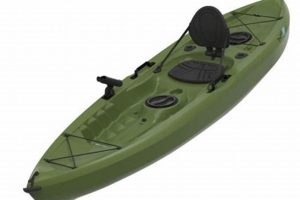
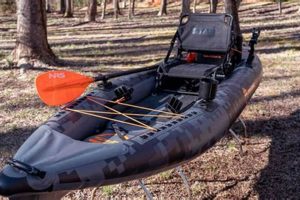
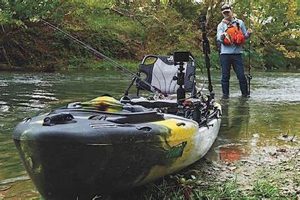
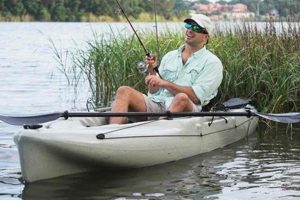
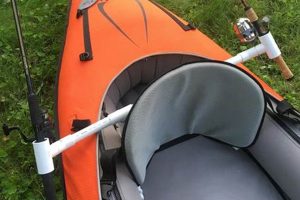
A fishing kayak prioritizing stability and angler safety integrates features like a wide hull, high weight capacity, and multiple flotation chambers. Such designs minimize the risk of capsizing, especially in challenging conditions, and offer ample space for gear and movement. Consider a sit-on-top model with elevated seating for enhanced visibility and easier re-entry after an accidental fall.
Selecting a stable and secure watercraft is paramount for anglers. Enhanced stability translates to greater confidence on the water, allowing fishers to focus on their technique and enjoy the experience without undue worry. Historically, fishing kayaks were often adapted from general-purpose designs. However, the increasing popularity of kayak fishing has driven manufacturers to develop specialized craft incorporating key safety features, enhancing both performance and angler well-being.
The following sections will explore specific design elements that contribute to a secure and reliable fishing kayak, including hull design, stability features, and essential safety equipment.
Tips for Choosing a Secure Fishing Kayak
Careful consideration of several factors is crucial for selecting a kayak that maximizes on-the-water safety and fishing performance.
Tip 1: Prioritize Stability: A wider hull and a lower center of gravity significantly enhance stability, reducing the likelihood of capsizing, especially in rough waters or when reeling in a catch.
Tip 2: Check Weight Capacity: Ensure the kayak’s weight capacity comfortably accommodates the angler’s weight, fishing gear, and any potential catch. Exceeding the limit compromises stability and safety.
Tip 3: Consider Flotation: Multiple flotation chambers provide buoyancy even if the kayak is swamped or damaged, a critical safety feature in emergencies.
Tip 4: Evaluate Seat Design: A comfortable and secure seat allows for prolonged fishing trips without fatigue and promotes balanced posture, contributing to stability. Elevated seating facilitates casting and improves visibility.
Tip 5: Choose Appropriate Hull Material: Durable materials like high-density polyethylene (HDPE) or rotomolded plastic offer excellent impact resistance and durability, protecting the kayak from damage in shallow water or collisions.
Tip 6: Inspect Storage Options: Ample storage space for tackle boxes, rods, and other equipment keeps the deck clutter-free, promoting balance and ease of movement.
Tip 7: Consider Self-Bailing Features: Scupper holes allow water to drain quickly from the cockpit, keeping the kayak afloat and preventing instability caused by accumulating water.
By adhering to these guidelines, anglers can select a watercraft designed for optimal safety, allowing them to focus on the fishing experience.
Ultimately, a well-chosen fishing kayak enhances both safety and enjoyment on the water, promoting successful and worry-free fishing excursions.
1. Stability

Stability is a critical factor in kayak fishing, directly influencing safety and angling success. A stable platform allows anglers to cast, reel, and land fish without the constant threat of capsizing. This is especially crucial in challenging conditions such as windy days, choppy water, or when battling a strong fish. The following facets contribute to kayak stability.
- Hull Design
Hull design plays a significant role in stability. Wider, flatter hulls offer greater initial stability, resisting tipping when at rest or moving slowly. Pontoon-style hulls provide exceptional stability but can compromise maneuverability. A longer, narrower hull, while faster and more efficient for paddling longer distances, is typically less stable. Choosing the right hull design requires balancing stability needs with intended fishing environments and paddling styles.
- Center of Gravity
A lower center of gravity enhances stability. Sitting closer to the waterline lowers the overall center of gravity, making the kayak less prone to tipping. Adding weight low in the hull, such as tackle boxes stored beneath the seat, further improves stability. Conversely, placing heavy items high on the deck can raise the center of gravity and decrease stability.
- Weight Capacity
Exceeding a kayak’s weight capacity compromises stability. The manufacturer’s stated capacity should accommodate the combined weight of the angler, gear, and potential catch. Overloading reduces freeboard (the distance between the waterline and the deck), increasing the risk of swamping or capsizing, especially in rough conditions.
- Environmental Factors
External factors like wind, currents, and waves significantly impact stability. Strong winds can catch a high-profile kayak and cause it to tip. Currents and waves can destabilize a kayak, especially if approaching from the side (beam). Anglers should be mindful of these factors when choosing a fishing location and exercise caution in adverse conditions.
Prioritizing stability in kayak selection ensures a safer and more enjoyable fishing experience. Understanding the interplay between hull design, center of gravity, weight capacity, and environmental factors allows anglers to make informed decisions and choose a kayak suited to their individual needs and the anticipated fishing environment. A stable kayak provides a secure platform for casting, reeling, and landing fish, enhancing both safety and angling success.
2. Hull Design

Hull design significantly influences kayak stability, a crucial factor in fishing kayak safety. Different hull shapes offer varying degrees of stability and performance characteristics, necessitating careful consideration based on intended fishing environments. Three primary hull types dominate the fishing kayak market: pontoon, flat-bottom, and V-shaped hulls. Pontoon hulls, characterized by two separate pontoons connected by a platform, offer exceptional stability, making them ideal for calm waters and stand-up fishing. However, this design sacrifices maneuverability and tracking compared to other hull types. Flat-bottom hulls provide excellent primary stability, feeling very stable when at rest or moving slowly. This design excels in calm waters and shallow areas, making them suitable for still-water fishing. However, they can be less stable in choppy conditions compared to pontoon hulls. V-shaped hulls, resembling the shape of a “V,” offer superior tracking and speed, making them well-suited for paddling longer distances and open water. While offering good secondary stability (stability when underway), they tend to have less initial stability than flatter hull designs. Understanding these trade-offs is crucial for selecting the safest kayak for specific fishing needs and conditions.
Consider the following examples: An angler frequently fishing calm lakes or ponds might prioritize the exceptional stability of a pontoon hull, allowing for comfortable stand-up casting. Conversely, an angler fishing in coastal areas or larger lakes with potential for wind and waves might prioritize the stability of a flat-bottom hull or the tracking and seaworthiness of a V-shaped design, sacrificing some initial stability for better performance in dynamic conditions. Specialized fishing kayaks often incorporate design modifications, such as chines (ridges along the bottom of the hull) or flared sidewalls, to enhance stability further. These features improve secondary stability and reduce the likelihood of capsizing in rough water.
Matching hull design to the intended fishing environment is critical for maximizing safety and on-the-water performance. Prioritizing initial stability for calm water fishing or opting for enhanced tracking and secondary stability for open water conditions ensures anglers can confidently navigate their chosen environment. Understanding the inherent trade-offs between stability, maneuverability, and speed allows for informed decision-making and contributes significantly to a safer and more productive fishing experience. Careful consideration of these factors, combined with appropriate safety precautions, significantly enhances angler safety and enjoyment.
3. Weight Capacity

Weight capacity plays a crucial role in kayak safety, particularly for fishing kayaks where anglers carry additional gear and potential catches. A kayak’s weight capacity represents the maximum combined weight it can safely support, encompassing the angler, fishing equipment, and any fish caught. Exceeding this limit significantly compromises stability and increases the risk of capsizing or swamping. Reduced freeboard, the distance between the waterline and the deck, resulting from overloading makes the kayak more susceptible to taking on water, especially in waves or rough conditions. This can lead to instability and potentially dangerous situations.
Consider a kayak with a weight capacity of 300 pounds. An angler weighing 175 pounds, carrying 40 pounds of gear, could safely accommodate an 85-pound catch without exceeding the limit. However, exceeding this weight, for instance, by bringing a heavier companion or additional gear, would compromise stability and safety. Furthermore, weight distribution within the kayak also impacts stability. Concentrating weight in one area can create an imbalance, increasing the risk of tipping. Evenly distributing gear throughout the kayak, particularly by storing heavier items low in the hull, helps maintain a lower center of gravity and improves stability.
Understanding weight capacity and its impact on stability is fundamental for safe kayak fishing. Selecting a kayak with ample weight capacity for anticipated needs is paramount. Calculating the combined weight of angler, gear, and potential catch ensures the kayak operates within safe limits. Proper weight distribution further enhances stability and promotes a secure fishing experience. Adhering to these principles allows anglers to maximize both safety and enjoyment on the water, mitigating risks associated with overloading and promoting confident handling in various conditions.
4. Safety Features

Safety features are integral to the concept of the “safest kayak for fishing,” directly impacting angler well-being and successful excursions. These features mitigate risks inherent in the activity, allowing anglers to focus on fishing rather than constantly managing potential hazards. Several key safety features contribute significantly to a secure and enjoyable fishing experience. Multiple flotation chambers, strategically placed within the hull, provide buoyancy even if the kayak is swamped or damaged. This redundancy ensures the kayak remains afloat, offering a stable platform in emergencies and preventing complete submersion. High-visibility colors, particularly bright yellows, oranges, or reds, enhance visibility to other boaters, reducing the risk of collisions, especially in low-light conditions or crowded waterways.
Consider a scenario where an angler hooks a large fish that pulls the kayak into a snag, causing it to capsize. A kayak equipped with ample flotation and a self-bailing system will remain afloat, even if filled with water, allowing the angler to recover and re-enter the kayak. Furthermore, reflective tape or elements on the kayak enhance visibility at night or in foggy conditions, further mitigating collision risks. Secure storage compartments, including rod holders and tackle storage, not only organize equipment but also prevent loose items from shifting and destabilizing the kayak during movement. This organization contributes to a more stable and predictable paddling experience, further enhancing safety.
A comprehensive understanding of safety features is essential for selecting the safest kayak for fishing. These features function not in isolation but synergistically to create a secure and reliable platform for angling. Prioritizing kayaks with these features empowers anglers to mitigate risks, react effectively in emergencies, and ultimately focus on enjoying the fishing experience. While no single feature guarantees absolute safety, the thoughtful integration of multiple safety elements contributes significantly to a more secure and enjoyable outing on the water.
5. Personal Flotation Device (PFD)
A personal flotation device (PFD), commonly known as a life jacket, is an indispensable element in the pursuit of the safest kayak fishing experience. While a stable and well-equipped kayak contributes significantly to safety, a PFD provides the ultimate safeguard in the event of capsizing or accidental immersion. Its importance cannot be overstated, representing the last line of defense against drowning, especially in challenging conditions or when unexpected events occur. Selecting and properly using a PFD is paramount for responsible kayak angling.
- Types of PFDs
Various PFD types exist, each designed for specific activities and water conditions. Type I offshore life jackets offer the highest buoyancy and are designed for open water situations where rescue may be delayed. Type II near-shore buoyant vests provide ample buoyancy for calm inland waters where rapid rescue is likely. Type III flotation aids, often preferred for kayaking due to their greater freedom of movement, are suitable for calm waters where quick rescue is anticipated. Type IV throwable devices, while not suitable for primary flotation, can be thrown to assist a person overboard. Type V special-use devices cater to specific activities like whitewater kayaking or paddling sports. Anglers should select a PFD appropriate for their intended fishing environment and activity level.
- Proper Fit and Wear
A properly fitted PFD is crucial for its effectiveness. It should fit snugly without restricting movement, allowing comfortable paddling and casting. The PFD should not ride up above the chin or ears when in the water. Regularly testing the fit, especially with fishing clothing, ensures optimal performance in an emergency. Children require properly sized PFDs designed specifically for their weight and body dimensions. Consistent and correct wear is paramount, as a PFD offers no protection if not worn at the time of an accident. Maintaining buckles and straps in good working order ensures the PFD functions as intended when needed.
- Legal Requirements and Recommendations
Many jurisdictions mandate PFD wear for specific boating activities or age groups. Familiarization with local regulations ensures compliance and avoids potential penalties. Even in the absence of legal requirements, wearing a PFD is a universally recommended practice for kayak fishing. Industry organizations and safety experts consistently emphasize the importance of PFDs in preventing drowning accidents. Adhering to these recommendations, regardless of legal mandates, demonstrates a commitment to personal safety and responsible angling practices.
- PFD Maintenance and Care
Proper PFD maintenance ensures its long-term effectiveness. Rinsing the PFD with fresh water after each use removes salt, dirt, and other contaminants that can degrade the materials. Storing the PFD in a cool, dry place, away from direct sunlight, prevents UV damage and preserves buoyancy. Regularly inspecting the PFD for signs of wear and tear, such as frayed straps or damaged buckles, is crucial. Replacing a damaged or worn-out PFD ensures continued safety and reliable performance in emergencies.
A PFD is not merely an accessory but an essential piece of safety equipment for kayak fishing. Selecting the appropriate type, ensuring proper fit, adhering to legal requirements and recommendations, and maintaining the PFD in good working order collectively contribute to a safer and more responsible angling experience. Prioritizing PFD use demonstrates a commitment to personal safety and underscores the importance of preparedness in mitigating risks associated with on-the-water activities. By integrating PFD usage into standard practice, anglers prioritize safety without compromising enjoyment, allowing for a more confident and secure experience on the water.
Frequently Asked Questions
This section addresses common inquiries regarding kayak safety for anglers, providing concise and informative responses to enhance understanding and promote informed decision-making.
Question 1: What makes a fishing kayak safer than a recreational kayak?
Fishing kayaks typically incorporate design features prioritizing stability and safety, such as wider hulls, higher weight capacities, and multiple flotation chambers. They often include specialized features like rod holders, tackle storage, and anchor trolleys, which enhance both safety and fishing functionality.
Question 2: Is it safe to fish from a sit-in kayak?
Sit-in kayaks can be safe for fishing in calm, protected waters. However, they pose a higher risk of entrapment in case of capsizing. Sit-on-top kayaks are generally considered safer for fishing due to their self-bailing design and ease of re-entry after a capsize.
Question 3: What is the most stable hull design for a fishing kayak?
Pontoon hulls offer exceptional stability, making them suitable for calm water and stand-up fishing. Flat-bottom hulls also provide good stability, particularly for still-water fishing. While less stable initially, wider V-shaped hulls with chines can offer excellent secondary stability (stability when underway) in more challenging conditions.
Question 4: How important is weight capacity when choosing a fishing kayak?
Weight capacity is crucial. Exceeding the manufacturer’s stated limit compromises stability and increases the risk of capsizing. One must consider the combined weight of the angler, gear, and potential catch when selecting a kayak.
Question 5: What essential safety equipment should accompany every fishing kayak outing?
Essential safety equipment includes a properly fitted personal flotation device (PFD), a whistle, a visual distress signal, a first-aid kit, a bilge pump or sponge, and a paddle leash. A communication device (e.g., VHF radio or cell phone in a waterproof case) is also highly recommended.
Question 6: Are there specific safety precautions to consider when fishing in different water conditions?
Yes. Calm, inland waters present different challenges than open ocean or fast-flowing rivers. Anglers should always check weather forecasts, dress appropriately for water temperatures, inform someone of their fishing plans, and be aware of potential hazards such as changing tides, currents, and underwater obstructions. Adjusting fishing techniques and equipment choices to match specific water conditions is paramount for safety.
Prioritizing safety through informed equipment choices and responsible practices significantly enhances the enjoyment and success of kayak fishing excursions. Continuous learning and adaptation to specific conditions remain crucial for mitigating risks and fostering a safe on-the-water experience.
The following section delves into specific kayak models renowned for their safety and fishing performance.
Safest Kayak for Fishing
Choosing the safest kayak for fishing hinges on a comprehensive understanding of factors influencing stability, safety features, and personal responsibility. Hull design, weight capacity, integrated safety features, and consistent PFD use contribute synergistically to angler well-being. Careful consideration of these elements, alongside environmental awareness and adherence to safety guidelines, empowers informed decision-making. Prioritizing these aspects ensures not only a secure environment but also enhances the overall fishing experience, allowing anglers to focus on their passion with confidence.
Ultimately, promoting safe kayak fishing practices benefits the entire angling community. A focus on safety fosters a culture of responsibility, preserving access to waterways and ensuring the long-term sustainability of the sport. Continual learning, adaptation to changing conditions, and shared commitment to safety practices contribute to a more secure and enjoyable experience for all who venture onto the water in pursuit of their catch.