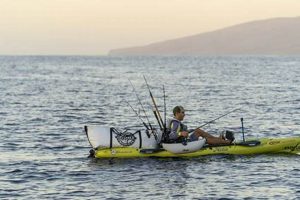
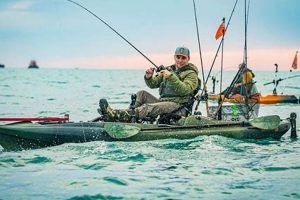
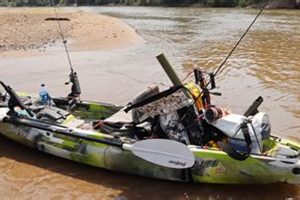
Angling from a kayak using a fishing rod and reel offers a unique approach to the sport. This method allows anglers to access shallow, secluded waters often unreachable by larger boats, providing opportunities to target various fish species in diverse environments, from calm lakes and rivers to coastal estuaries and open ocean. For example, an angler might employ this technique to pursue species like bass in a heavily vegetated pond or redfish in shallow saltwater flats.
This approach provides numerous advantages, including enhanced maneuverability, stealth, and a closer connection with nature. The quiet and low profile of a kayak allows anglers to approach fish without disturbing them, increasing the chances of a successful catch. Historically, kayaks have been used for fishing for centuries by indigenous cultures, demonstrating the method’s long-standing effectiveness and adaptability. Modern advancements in kayak design and fishing gear have further refined this technique, making it increasingly popular among recreational and serious anglers alike.
The following sections will explore specific aspects of this fishing style, including suitable kayak types, essential gear, effective techniques, and important safety considerations.
Tips for Kayak Angling
Successful kayak angling requires careful planning and execution. The following tips offer guidance for a safe and productive experience.
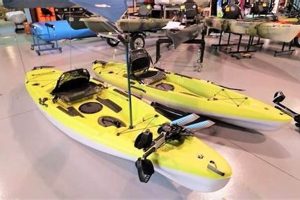
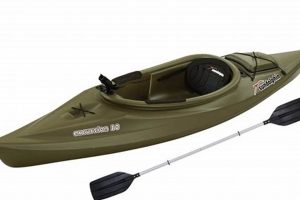
Tip 1: Choose the Right Kayak: Kayak selection depends on the intended fishing environment. Sit-on-top kayaks offer stability and ease of re-entry in calmer waters, while sit-inside kayaks provide better protection in colder conditions and rougher seas. Pedal-driven kayaks allow hands-free fishing, advantageous for techniques requiring precise lure control.
Tip 2: Prioritize Safety Equipment: A personal flotation device (PFD) is essential. A whistle, signaling mirror, and communication device are crucial for emergencies. Navigation lights and a first-aid kit should also be included.
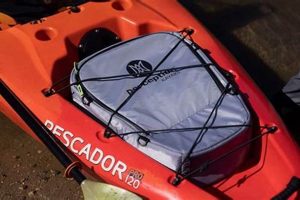
Tip 3: Organize Tackle and Gear: Utilize specialized kayak fishing crates and storage solutions to keep tackle organized and readily accessible. Rod holders and leash systems prevent equipment loss.
Tip 4: Master Basic Paddling Strokes: Efficient paddling techniques maximize maneuverability and minimize fatigue. Practice turning, stopping, and maintaining position in various wind and current conditions.
Tip 5: Understand Target Species Behavior: Researching target species’ habitat, feeding patterns, and preferred lures increases the likelihood of successful catches. Consult local fishing reports and guides for up-to-date information.
Tip 6: Practice Proper Casting Techniques: Adapting casting techniques for the limited space and movement within a kayak is crucial. Practice short, accurate casts to avoid snags and maintain balance.
Tip 7: Respect the Environment: Adhere to catch and release guidelines whenever possible. Properly dispose of fishing line and other waste to minimize environmental impact.
Tip 8: Check Weather Conditions: Before embarking on any kayak fishing trip, thoroughly check the weather forecast. Avoid fishing in thunderstorms, high winds, or strong currents.
By adhering to these guidelines, anglers can enhance their safety, improve their fishing success, and contribute to the preservation of aquatic environments.
The concluding section will reiterate the importance of responsible kayak angling and offer additional resources for continued learning and skill development.
1. Stable Kayak Platform

A stable kayak platform is paramount for successful reel kayak fishing. It forms the foundation upon which accurate casting, effective fish fighting, and overall safety depend. Without stability, anglers compromise their ability to perform essential tasks and risk capsizing, particularly when battling strong currents or larger fish. The following facets detail the importance of stability in various aspects of this fishing style.
- Casting Accuracy and Efficiency
A stable kayak allows anglers to maintain balance and body control during casting motions. This stability translates to greater accuracy and efficiency, particularly when using longer rods or heavier lures. In contrast, an unstable platform hinders casting precision, increasing the likelihood of snags, tangles, and missed targets. For example, accurately presenting a fly to a rising trout requires a stable casting platform, a feat challenging to achieve in a rocking kayak.
- Hookset and Fish Fighting
Setting the hook and fighting a fish effectively necessitates a stable platform. The force exerted during these actions can destabilize a kayak, especially when battling larger, more powerful fish. A stable kayak allows anglers to maintain balance and leverage, increasing their chances of landing the fish successfully. Consider the scenario of hooking a large saltwater fish; a stable platform provides the necessary resistance and control to prevent capsizing during the fight.
- Safety and Comfort
Stability significantly impacts angler safety and comfort. A stable kayak minimizes the risk of capsizing, especially in challenging conditions such as rough water or strong currents. Enhanced stability also contributes to overall comfort, reducing fatigue and allowing for longer, more enjoyable fishing trips. For instance, an angler fishing in choppy waters benefits significantly from the stability offered by a wider kayak hull, reducing the likelihood of an accidental overturn.
- Gear Management and Accessibility
A stable kayak facilitates efficient gear management and accessibility. Reaching for tackle, changing lures, and landing fish are all easier and safer when the kayak remains stable. This stability allows anglers to focus on fishing rather than constantly adjusting their balance to prevent capsizing. An angler quickly accessing a landing net while maintaining balance demonstrates the advantage of a stable platform.
In conclusion, stability is an integral aspect of reel kayak fishing, influencing every aspect of the experience from casting and fighting fish to overall safety and comfort. Prioritizing kayak stability through proper selection and setup significantly enhances fishing success and enjoyment while mitigating potential risks.
2. Appropriate Reel Choice

Appropriate reel selection significantly impacts the effectiveness and enjoyment of reel kayak fishing. The chosen reel must align with the target species, fishing techniques employed, and the prevailing environmental conditions. Mismatched reel and tackle combinations can lead to frustration, lost fish, and potentially compromised safety. The relationship between reel choice and overall fishing success warrants careful consideration.
Spinning reels, known for their versatility and ease of use, prove suitable for a wide range of kayak fishing applications. Their open-faced design facilitates casting lighter lures and handling lighter lines, making them ideal for targeting species such as panfish, trout, and smaller inshore saltwater fish. Baitcasting reels, offering greater power and control, are preferred when targeting larger, stronger fish in heavier cover or open water. Their robust construction and higher line capacities handle larger diameter lines and heavier lures effectively, making them suitable for pursuing species like bass, pike, and musky. Spincast reels, often favored by beginners due to their simplicity, are a viable option for less demanding kayak fishing scenarios, particularly in calmer waters. For example, targeting smallmouth bass in a river setting might necessitate a baitcasting reel for its ability to handle heavier line and lures in current, while pursuing trout in a calm lake might favor a spinning reel’s finesse and lighter line handling capabilities.
Matching the reel to the specific fishing environment is crucial. Saltwater environments demand corrosion-resistant reels constructed from durable materials like aluminum or graphite. These materials withstand the harsh effects of saltwater exposure, ensuring longevity and reliable performance. Freshwater reels, while often less expensive, may lack the necessary corrosion resistance for saltwater use. Furthermore, the reel’s drag system plays a critical role, particularly when battling strong fish. A smooth, reliable drag system prevents line breakage and allows for controlled retrieval, increasing the chances of landing the fish. Consider the scenario of hooking a powerful saltwater fish near a reef; a smooth drag allows the angler to tire the fish without risking line failure or compromising kayak stability.
3. Balanced Tackle Selection

Balanced tackle selection is crucial for successful reel kayak fishing. A harmonious combination of rod, reel, line, and lure ensures optimal performance and maximizes angling opportunities. Improperly balanced tackle can lead to frustration, reduced effectiveness, and potentially equipment failure. The following facets illustrate the importance of balanced tackle selection.
- Rod and Reel Compatibility
The rod and reel must function as a cohesive unit. The rod’s power and action must complement the reel’s size and line capacity. A lightweight spinning reel paired with a heavy-action rod designed for larger fish creates an unbalanced setup, hindering casting accuracy and fish-fighting effectiveness. Conversely, a heavy baitcasting reel paired with an ultralight rod risks rod breakage. A balanced setup, such as a medium-power spinning rod with a 2500-size spinning reel, provides optimal performance for targeting species like redfish or snook in inshore saltwater environments.
- Line Selection and Knot Strength
Line selection significantly impacts casting distance, sensitivity, and fish-fighting ability. Line weight should match the target species and the rod’s power rating. Using excessively heavy line on a light rod reduces casting distance and sensitivity, while using too light a line risks break-offs when battling larger fish. Furthermore, proper knot tying is essential. Weak knots compromise the entire system, leading to lost fish and tackle. For example, using a braided line with a high pound-test rating requires strong knots like the Palomar or improved clinch knot to maintain line integrity. Consider a scenario where an angler targets largemouth bass in heavy cover; using a braided line with a strong knot provides the necessary strength to extract the fish from weeds and submerged obstacles.
- Lure Choice and Presentation
Lure choice depends on the target species, fishing conditions, and desired presentation. Lure size, weight, and action must align with the rod’s power and the line’s strength. Using overly large lures on light tackle can damage the rod or lead to casting difficulties. Conversely, using too small a lure might not effectively attract the target species. Matching the lure to the prevailing conditions, such as water clarity and current, ensures optimal presentation. For instance, using a topwater lure in calm, clear water might attract explosive strikes from largemouth bass, while a deeper-diving crankbait might prove more effective in murky water or strong current.
- Kayak Balance and Stability
Tackle selection also impacts kayak balance and stability. Heavier tackle setups can shift the kayak’s center of gravity, potentially affecting stability, particularly when casting or fighting fish. Anglers must consider their kayak’s stability characteristics when selecting tackle. A wider, more stable kayak might accommodate heavier tackle setups more effectively than a narrower, less stable model. For example, using heavier tackle for offshore fishing in a sit-on-top kayak requires careful consideration of balance and stability, potentially necessitating adjustments in seating position or the use of outriggers.
In conclusion, balanced tackle selection is essential for a successful and enjoyable reel kayak fishing experience. Harmonizing the components of the tackle systemrod, reel, line, and luremaximizes efficiency, improves fishing success, and enhances overall safety. By carefully considering the interplay of these elements, anglers can optimize their setup for the specific demands of their chosen fishing environment and target species.
4. Efficient Kayak Control

Efficient kayak control forms an integral component of successful reel kayak fishing. Precise maneuvering enables anglers to position themselves strategically for optimal casting angles, lure presentation, and fish fighting. Without efficient control, anglers struggle to maintain ideal positions, potentially spooking fish, hindering hooksets, and compromising overall fishing effectiveness. The relationship between kayak control and angling success merits detailed examination.
Consider the scenario of presenting a lure to a specific target, such as a submerged log or weed bed. Precise kayak positioning allows the angler to cast accurately and retrieve the lure through the strike zone effectively. Conversely, poor kayak control might cause the lure to drift away from the target, reducing the likelihood of a strike. Furthermore, efficient kayak control plays a crucial role in fighting fish. Maintaining proper angles and pressure during the fight requires controlled maneuvering, preventing line breakage and maximizing leverage. For instance, when battling a strong fish in current, precise kayak control allows the angler to maintain an advantageous position, preventing the fish from wrapping the line around obstacles or gaining leverage.
Several factors influence kayak control, including paddle technique, wind and current conditions, and kayak design. Mastering basic paddle strokes, such as forward, reverse, and sweep strokes, provides the foundation for precise maneuvering. Understanding how wind and current affect kayak movement allows anglers to anticipate and compensate for their influence. Kayak design features, such as hull shape and rudder systems, also contribute to control and maneuverability. A longer, narrower kayak tracks more efficiently in a straight line, while a shorter, wider kayak offers greater maneuverability in tight spaces. Choosing a kayak that suits the intended fishing environment and target species enhances overall control and fishing effectiveness.
Efficient kayak control, therefore, represents a critical skill for reel kayak fishing success. It enables strategic positioning, precise lure presentation, and effective fish fighting. Mastering kayak control techniques, understanding environmental influences, and selecting an appropriate kayak design significantly enhance angling opportunities and overall enjoyment on the water. This proficiency, combined with other essential skills like knot tying and fish identification, contributes to a well-rounded and successful angling experience.
5. Strategic Location Selection
Strategic location selection is paramount in reel kayak fishing. Optimal locations maximize angling opportunities by placing anglers in proximity to target species while considering environmental factors that influence fish behavior and presentation techniques. Poor location choices can lead to unproductive outings despite possessing the necessary skills and equipment. The following facets detail key elements of strategic location selection in reel kayak fishing.
- Understanding Fish Habitat
Identifying suitable fish habitat is fundamental. Different species prefer specific environments, such as submerged structures, weed beds, drop-offs, or open water. Locating these areas increases the likelihood of encountering target species. For instance, largemouth bass often inhabit areas with submerged vegetation or fallen trees, while trout prefer cooler, oxygenated water near inlets or springs. Understanding these preferences informs location choices, maximizing the probability of a successful fishing trip. Prior research, local fishing reports, and bathymetric maps aid in identifying productive fishing grounds.
- Considering Environmental Influences
Environmental factors like water temperature, current, and clarity significantly influence fish behavior and location. Fish often seek specific temperature ranges and adjust their feeding patterns based on current and water clarity. For example, during warmer months, fish might congregate in cooler, deeper water or seek refuge near shaded areas. Understanding these environmental influences allows anglers to refine location choices. Factors such as tide changes, wind direction, and time of day also influence fish activity and should be factored into location decisions. Checking weather forecasts and tide charts enhances strategic planning.
- Accessibility and Kayak Maneuverability
Kayak accessibility and maneuverability within a chosen location are critical. Some areas, while potentially holding fish, might be difficult to access or navigate with a kayak due to shallow water, dense vegetation, or strong currents. Prioritizing areas that allow for safe and efficient kayak movement maximizes fishing time and reduces potential risks. For example, navigating a shallow, heavily vegetated marsh requires a kayak designed for such environments, while fishing in open water with strong currents necessitates a kayak with excellent tracking and stability. Assessing launch points and potential obstacles within a location ensures safe and productive fishing.
- Minimizing Disturbance and Noise
Minimizing disturbance and noise within a chosen fishing location is crucial, especially in shallower waters. Kayaks, being relatively quiet, offer an advantage in this regard. However, excessive paddling or unnecessary noise can still spook fish. Approaching fishing spots stealthily and minimizing disturbances increases the chances of a successful catch. For instance, drifting quietly with the current or using a drift sock to control kayak movement minimizes noise and allows for a more natural presentation, increasing the likelihood of attracting wary fish. Respecting other anglers and wildlife within the area also contributes to a positive and productive fishing experience.
In conclusion, strategic location selection significantly influences reel kayak fishing success. By understanding fish habitat preferences, considering environmental influences, prioritizing accessibility and maneuverability, and minimizing disturbances, anglers can maximize their chances of encountering target species. Combining these location strategies with proficient kayak control, balanced tackle selection, and effective presentation techniques contributes to a rewarding and productive angling experience. Furthermore, respecting the environment and adhering to ethical fishing practices ensures the sustainability of these valuable resources for future generations of kayak anglers.
6. Respectful Fishing Practices
Respectful fishing practices are integral to the sustainability of reel kayak fishing. These practices extend beyond simply adhering to catch and release guidelines and encompass a broader consideration for the environment and its inhabitants. The intimate nature of kayak fishing, bringing anglers closer to the aquatic ecosystem, amplifies the importance of responsible behavior. Direct interaction with the environment necessitates mindful actions to minimize impact and preserve these delicate ecosystems for future generations.
Cause and effect relationships underscore the significance of respectful practices. Discarded fishing line, for instance, poses a significant entanglement hazard to aquatic life, including fish, birds, and turtles. Improperly disposed-of waste contaminates waterways and degrades water quality, impacting fish populations and overall ecosystem health. Conversely, practices like proper catch and release techniques, employing barbless hooks, and minimizing handling time contribute to fish health and survival. Leaving fish habitats undisturbed ensures future angling opportunities. For example, avoiding anchoring directly on sensitive vegetation beds or reefs preserves these vital habitats, contributing to long-term ecological balance. Using biodegradable lures and avoiding lead sinkers further minimizes environmental impact. These actions reflect a mindful approach to reel kayak fishing, recognizing the interconnectedness of angler actions and ecosystem health.
Respectful fishing practices form a cornerstone of responsible reel kayak fishing. They demonstrate a commitment to conservation and ensure the long-term viability of the sport. Minimizing environmental impact through mindful actions, respecting aquatic life, and adhering to ethical fishing guidelines safeguards these valuable resources for future generations. Challenges such as increasing fishing pressure and habitat degradation underscore the urgency of adopting respectful fishing practices. By prioritizing these practices, reel kayak anglers contribute actively to preserving the health and beauty of the aquatic environments they cherish. Ultimately, responsible angling ensures the continued enjoyment of reel kayak fishing while safeguarding the delicate balance of these natural ecosystems.
7. Essential Safety Gear
A strong connection exists between essential safety gear and reel kayak fishing. Safety equipment is not merely an accessory but a fundamental component of responsible angling practice. The inherent risks associated with on-water activities, amplified by the often-remote nature of kayak fishing, necessitate prioritizing safety gear. Cause and effect relationships clearly demonstrate this connection. For instance, neglecting to wear a personal flotation device (PFD) increases the risk of drowning in the event of a capsize, especially in cold water or strong currents. Similarly, lacking a communication device, such as a waterproof VHF radio or a personal locator beacon (PLB), can hinder rescue efforts if an angler becomes injured, lost, or experiences equipment failure in a remote location. Carrying a first-aid kit enables immediate treatment of minor injuries, preventing complications and potentially shortening recovery time. These real-life examples illustrate the direct impact of safety gear on angler well-being and underscore its crucial role in mitigating potential risks.
Essential safety gear extends beyond basic items like PFDs and communication devices. Navigation lights, especially when fishing in low-light conditions or near boat traffic, enhance visibility and prevent collisions. A signaling device, such as a whistle or mirror, can attract attention in emergency situations. Carrying a spare paddle safeguards against equipment failure, maintaining maneuverability in the event of paddle breakage. Appropriate clothing, including sun protection and waterproof layers, shields anglers from harsh weather conditions and potential hypothermia. Understanding the function and proper use of each piece of safety gear is as crucial as possessing it. Regularly inspecting and maintaining equipment ensures its reliability when needed most. For example, checking the battery life of a VHF radio or the inflation mechanism of a PFD before each trip can prevent critical failures in emergency situations. Practical application of this understanding translates directly to enhanced safety and a more responsible approach to reel kayak fishing.
In summary, essential safety gear is not an optional extra but an indispensable component of reel kayak fishing. The direct correlation between safety equipment and risk mitigation necessitates prioritizing its selection, maintenance, and proper use. Challenges such as unpredictable weather conditions, remote locations, and potential equipment failures underscore the importance of comprehensive safety preparedness. By integrating safety consciousness into every aspect of reel kayak fishing, from pre-trip planning to on-water practices, anglers contribute significantly to their own well-being and foster a culture of responsible angling. This proactive approach ensures a safer and more enjoyable experience on the water while safeguarding against potential hazards inherent in the sport.
Frequently Asked Questions about Reel Kayak Fishing
This section addresses common queries regarding reel kayak fishing, providing concise and informative responses to enhance understanding and promote safe angling practices.
Question 1: What type of kayak is best suited for fishing?
Kayak selection depends on the intended fishing environment and personal preferences. Sit-on-top kayaks offer stability and ease of re-entry, making them suitable for calmer waters. Sit-inside kayaks provide better protection in colder conditions. Pedal-driven kayaks allow hands-free fishing, advantageous for specific techniques.
Question 2: What essential safety gear is required?
Essential safety gear includes a personal flotation device (PFD), a whistle, a signaling mirror, a communication device (VHF radio or personal locator beacon), navigation lights, and a first-aid kit. Additional safety equipment may be required depending on specific regulations and fishing locations.
Question 3: How does one choose the appropriate fishing reel?
Reel selection depends on target species and fishing techniques. Spinning reels offer versatility for various fish species, while baitcasting reels provide increased power and control for larger fish. Spincast reels are suitable for beginners or less demanding situations. Matching reel size and line capacity to the target species and fishing environment is crucial.
Question 4: What are the key considerations for tackle selection?
Tackle selection should consider rod power and action, line weight and type, lure selection, and overall balance with the kayak’s stability. Matching tackle to the target species, fishing environment, and kayak type ensures optimal performance and safety.
Question 5: How does one maintain stability while fishing from a kayak?
Maintaining stability involves distributing weight evenly, using proper paddling techniques, and avoiding sudden movements. Practicing kayak control in calm water before venturing into more challenging conditions is recommended.
Question 6: What ethical considerations should anglers observe?
Ethical considerations include adhering to catch and release guidelines, minimizing environmental impact by properly disposing of waste, and respecting other anglers and wildlife. Responsible angling ensures the sustainability of aquatic resources.
Understanding these fundamental aspects of reel kayak fishing promotes safe, enjoyable, and responsible angling practices. Careful consideration of these factors enhances fishing success while preserving the integrity of aquatic environments.
The following section provides a concluding overview of the key principles discussed and offers additional resources for continued learning and skill development in reel kayak fishing.
Conclusion
This exploration of angling from a kayak using rod and reel has highlighted key elements contributing to a successful and sustainable approach. Emphasis has been placed on the interconnectedness of factors such as kayak selection, appropriate gear choices, efficient paddling techniques, strategic location selection, and respectful fishing practices. Understanding the interplay of these elements is crucial for maximizing fishing success while minimizing environmental impact. The importance of safety preparedness has been underscored, emphasizing the critical role of essential safety gear and responsible on-water conduct. Balancing effective angling techniques with environmental stewardship ensures the long-term viability of this rewarding pursuit.
Continued learning and skill development remain essential for responsible and productive reel kayak fishing. Seeking further knowledge through reputable resources, engaging with experienced anglers, and prioritizing safety consciousness contribute to an enriching and sustainable angling experience. The future of this unique fishing style relies on a collective commitment to conservation and responsible practices. Embracing these principles ensures the preservation of aquatic ecosystems and the continued enjoyment of reel kayak fishing for generations to come.