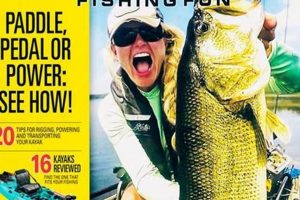
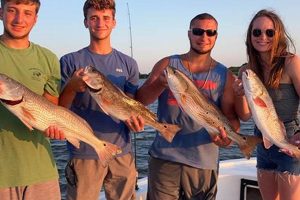
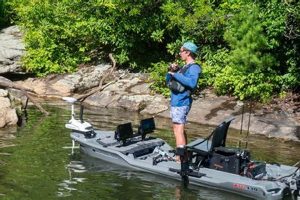
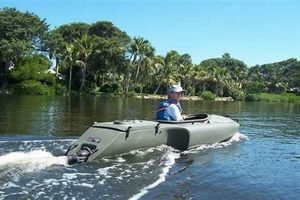
Images depicting angling for menhaden (commonly known as pogies) and scenes from a kayaking facility provide a visual record of these activities. Such imagery can include depictions of anglers employing various fishing techniques to catch pogies, as well as views of the kayaking center’s facilities, equipment, and surrounding environment. Examples might range from action shots of fishermen reeling in their catch to serene landscapes showcasing the natural beauty of the area where the center operates.
Visual documentation of these recreational pursuits serves several purposes. For potential visitors, these images offer a preview of the experiences available, aiding in decision-making and generating interest. They can also function as promotional material, showcasing the quality of the fishing and the amenities of the kayaking center. From a historical perspective, such photographs contribute to a visual archive of these activities, documenting changes in fishing techniques, equipment, and the environment over time. Furthermore, they can serve as valuable resources for conservation efforts, providing visual evidence of the fish populations and the overall health of the ecosystem.
This visual narrative provides a foundation for exploring various aspects of menhaden fishing, the operation of kayaking centers, and the broader context of recreational activities in natural settings. Further discussion might delve into the ecological importance of menhaden, the economic impact of recreational fishing, or the role of kayaking centers in promoting outdoor recreation and environmental stewardship.
Tips for Utilizing Pogies Fishing and Kayaking Center Photographs
Effective use of imagery related to pogies fishing and kayaking centers can significantly enhance communication and engagement. The following tips offer guidance for leveraging such visuals.
Tip 1: Select High-Quality Images: Opt for photographs with sharp focus, appropriate lighting, and accurate color representation. Blurry or poorly composed images detract from credibility and visual appeal.
Tip 2: Showcase a Variety of Activities: Present a diverse range of photographs encompassing different aspects of pogies fishing and kayaking, such as casting, reeling, landing fish, paddling different kayak types, and enjoying the scenery.
Tip 3: Highlight Key Features: Focus on capturing images that showcase the unique aspects of the location, including the center’s amenities, the surrounding environment, and any distinctive characteristics of the fishing experience.
Tip 4: Consider Composition and Framing: Employ established photographic principles, like the rule of thirds, to create visually engaging and balanced compositions.
Tip 5: Provide Contextual Information: Accompany images with concise captions that explain the activity depicted, the location, or other relevant details. This adds depth and meaning to the visuals.
Tip 6: Optimize Images for Web Use: Ensure images are appropriately sized and formatted for online platforms to maintain fast loading speeds and optimal viewing experience. Consider using alt text for accessibility.
Tip 7: Respect Privacy and Obtain Permissions: When featuring individuals in photographs, prioritize their privacy and obtain necessary permissions for their use.
By adhering to these guidelines, the power of visual communication can be effectively harnessed to convey the essence of pogies fishing and the kayaking experience, attracting potential visitors and promoting these activities responsibly.
These practical considerations underscore the importance of thoughtful image selection and usage in effectively representing pogies fishing and kayaking centers.
1. High-resolution images

High-resolution images are crucial for effectively showcasing pogies fishing and kayaking centers. Image quality directly impacts viewer perception and engagement. High-resolution allows for detailed depiction of key elements, including the clarity of the water, the texture of the kayaks, the variety of fish species, and the surrounding landscape. These details contribute to a more immersive and compelling visual experience, influencing potential visitors’ decision-making processes. For example, a high-resolution image showcasing the vibrant scales of a freshly caught pogy or the intricate design of a kayak paddle provides a level of detail unattainable with lower-resolution alternatives. This enhanced visual fidelity contributes to a sense of authenticity and professionalism.
Furthermore, high-resolution images offer greater flexibility for various applications. They can be cropped and enlarged without significant quality loss, allowing for adaptation to different platforms and media formats. This adaptability is essential for effective marketing and promotional materials, whether printed brochures or online advertisements. The ability to zoom in on specific details within a high-resolution image can also be valuable for educational purposes, allowing viewers to examine particular aspects of the fishing environment or kayaking equipment. Consider the impact of a zoomable image highlighting the specific type of hook used for pogies fishing or the safety features of a particular kayak model.
In conclusion, prioritizing high-resolution imagery when depicting pogies fishing and kayaking centers significantly enhances visual communication effectiveness. Detailed representation strengthens engagement, offers adaptability for diverse applications, and ultimately contributes to a more compelling and informative portrayal of these activities. While file size and storage considerations may pose challenges, the benefits of utilizing high-resolution images outweigh these concerns in most contexts, especially given the increasing accessibility of high-capacity storage solutions.
2. Action Shots

Action shots represent a critical component within the visual narrative of pogies fishing and kayaking centers. These dynamic images capture the essence of these activities, conveying excitement and energy that static images often miss. A well-executed action shot freezes a moment of peak activity, whether it’s the arc of a fishing rod as a pogy strikes, the splash of a kayak paddle entering the water, or the focused expression of an angler battling a fish. Such imagery serves to draw viewers into the experience, fostering a sense of immediacy and adventure. Consider the impact of a photograph capturing a kayaker navigating whitewater rapids or an angler triumphantly hoisting a large pogy. These dynamic visuals resonate with potential visitors, inspiring them to imagine themselves participating in these activities.
The effectiveness of action shots relies heavily on capturing decisive moments. Timing is crucial. Photographers must anticipate the peak of the action, whether it’s the precise moment a fish breaks the surface or a kayaker executes a skillful maneuver. Furthermore, technical proficiency is essential. Proper camera settings, including shutter speed and aperture, are critical for freezing motion and achieving desired depth of field. Consider an image of a pogy leaping from the water, captured with a fast shutter speed to freeze the droplets of water mid-air. The technical execution enhances the dramatic effect, showcasing the dynamism of the moment. Utilizing burst mode can increase the likelihood of capturing the perfect moment.
In summary, action shots inject dynamism and excitement into portrayals of pogies fishing and kayaking centers. These images serve as compelling visual narratives, conveying the energy and thrill of these activities. Effective action photography requires careful planning, precise timing, and technical proficiency to capture the essence of the experience. The impact of these dynamic visuals extends beyond mere aesthetics, serving as powerful tools for engagement and inspiration, ultimately influencing potential visitors’ perceptions and decisions.
3. Scenic Views
Scenic views constitute a significant element within the visual portfolio of pogies fishing and kayaking centers. Photographs capturing the natural beauty surrounding these locations play a crucial role in attracting visitors and shaping their perceptions of the overall experience. These images extend beyond mere depictions of the activity itself, encompassing the broader environment and highlighting the aesthetic appeal of the location. They serve to contextualize the activities within a visually appealing setting, enhancing the overall narrative.
- Landscape Photography:
Landscape photography forms the foundation for capturing scenic views. Effective landscape images convey the grandeur and tranquility of the natural environment, showcasing elements such as waterways, shorelines, forests, and mountains. A photograph capturing the golden hues of a sunset over a calm bay where kayakers glide through the water, for instance, contributes significantly to the perceived attractiveness of the location. Such imagery resonates with potential visitors seeking not only recreational opportunities but also an immersive experience within a beautiful natural setting.
- Wildlife Integration:
Integrating local wildlife into scenic views adds another dimension to the visual narrative. Images capturing birds in flight, fish jumping, or other indigenous fauna enhance the sense of ecological richness and biodiversity. A photograph showcasing a bald eagle soaring above a kayaking group, for example, reinforces the connection between the recreational activity and the natural world. These images highlight the ecological value of the area and contribute to a more comprehensive portrayal of the location’s appeal.
- Seasonal Variations:
Capturing scenic views across different seasons allows for showcasing the evolving beauty of the environment. Images depicting the vibrant colors of autumn foliage, the snow-covered landscapes of winter, the blossoming flowers of spring, and the lush greenery of summer offer diverse perspectives on the location’s visual appeal. A photograph capturing a kayak gliding through a mist-shrouded lake in autumn, for example, conveys a distinct ambiance compared to a summer image of the same location bathed in sunlight. This diversity enriches the visual portfolio and caters to varying aesthetic preferences.
- Perspective and Composition:
Careful consideration of perspective and composition enhances the impact of scenic views. Utilizing different angles, focal lengths, and framing techniques can dramatically alter the mood and message conveyed by an image. A wide-angle shot capturing a panoramic view of a coastline dotted with kayakers, for instance, creates a sense of vastness and tranquility, while a close-up shot focusing on a single kayak amidst a vibrant sunset emphasizes the individual’s connection with nature. These choices contribute to a more nuanced and engaging visual narrative.
In essence, scenic views function as integral components of pogies fishing and kayaking center photography. By showcasing the natural beauty surrounding these locations, these images enhance the perceived value of the experience, attracting visitors seeking both recreation and immersion in aesthetically pleasing environments. Effective integration of landscape photography, wildlife portrayal, seasonal variations, and thoughtful composition elevates these visual narratives, contributing to a more comprehensive and compelling representation of the overall experience.
4. Facility Depictions
Facility depictions constitute a critical component within pogies fishing and kayaking center photography. Accurately representing the physical infrastructure and amenities available at these centers directly influences potential visitor perceptions and decision-making. Photographs showcasing well-maintained docks, organized rental areas, clean restrooms, and comfortable common spaces contribute to a positive impression of the center’s overall quality and professionalism. Conversely, images depicting neglected facilities can deter potential visitors, impacting business and reputation. Consider the difference between a photograph showcasing a newly renovated boat launch area versus one showing a dilapidated dock. The former suggests a commitment to quality and visitor experience, while the latter may raise concerns about safety and overall management.
Effective facility depictions extend beyond mere documentation. Strategic framing and composition can highlight key features and amenities, emphasizing their benefits and functionality. A photograph showcasing a spacious and well-equipped kayak storage area, for instance, conveys convenience and security for visitors bringing their own equipment. Similarly, images depicting comfortable seating areas, shaded picnic tables, or on-site restaurants contribute to the perception of a welcoming and enjoyable environment. Furthermore, photographs showcasing accessibility features, such as ramps and accessible restrooms, demonstrate a commitment to inclusivity and cater to a wider range of visitors. Imagine the impact of a photograph showcasing a group of kayakers enjoying a meal at a well-maintained picnic area overlooking the water. Such imagery reinforces the social and recreational aspects of the experience, extending beyond the core activities of fishing and kayaking.
In summary, accurate and compelling facility depictions are essential for effectively representing pogies fishing and kayaking centers. These images serve as virtual tours, allowing potential visitors to assess the quality and amenities available. Strategic use of photography to showcase key features and create a positive impression significantly influences perceptions and contributes to informed decision-making. Furthermore, showcasing accessibility and inclusivity through imagery broadens the appeal and reinforces the center’s commitment to providing a welcoming experience for all visitors. The challenge lies in balancing realistic representation with an appealing aesthetic, ensuring that facility depictions accurately reflect the on-site experience while simultaneously highlighting the center’s strengths.
5. Equipment Showcase

Equipment showcases, as represented through photographs, constitute a crucial aspect of effectively portraying pogies fishing and kayaking centers. Visual representation of available equipment informs potential visitors about the quality and variety of gear offered, influencing their decision-making process and potentially enhancing their overall experience. Such showcases can range from detailed depictions of individual items to broader views of rental fleets and specialized gear, serving both informational and promotional purposes.
- Fishing Gear Representation:
Accurate and detailed representation of fishing gear, including rods, reels, lines, hooks, and bait, provides valuable insights into the center’s offerings. Photographs showcasing high-quality, well-maintained fishing equipment suggest a commitment to providing visitors with reliable tools for a successful fishing experience. For instance, a close-up image of a durable spinning reel or a selection of specialized pogy hooks conveys preparedness and caters to anglers of varying skill levels. Conversely, images depicting worn or outdated equipment may deter potential customers. Transparency in equipment representation fosters trust and manages expectations, contributing to a positive customer experience.
- Kayak and Paddle Display:
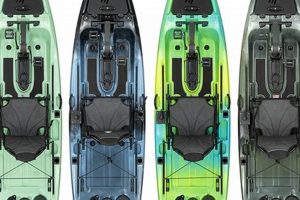
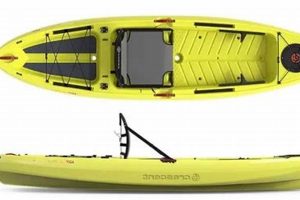
Photographs showcasing the variety and condition of available kayaks and paddles are essential for attracting kayaking enthusiasts. Images depicting various kayak types, from recreational sit-on-tops to more specialized touring or fishing kayaks, cater to diverse preferences and skill levels. Clearly displaying paddle options, including different lengths, materials, and blade shapes, further informs potential visitors. For example, an image showcasing a fleet of well-maintained kayaks lined up on a pristine shoreline conveys professionalism and readiness, while close-ups of adjustable paddles highlight adaptability and comfort. Such visuals contribute to informed decision-making and enhance the perceived value of the kayaking experience.
- Safety Equipment Portrayal:
Visual representation of safety equipment, including life vests, first-aid kits, and signaling devices, reinforces the center’s commitment to visitor safety. Photographs showcasing readily available and properly maintained safety gear instill confidence and demonstrate responsible management practices. For instance, an image depicting a staff member fitting a visitor with a life vest or a clearly visible first-aid station reinforces the prioritization of safety protocols. Such portrayals not only inform visitors but also contribute to a positive perception of the center’s operational standards.
- Accessory and Apparel Showcase:
Photographs showcasing accessories and apparel available for rent or purchase enhance the perceived convenience and comprehensiveness of the center’s offerings. Images depicting items such as dry bags, hats, sunscreen, and fishing apparel contribute to a sense of preparedness and cater to various needs. For example, a photograph displaying a selection of waterproof bags or performance fishing shirts can entice visitors to enhance their experience by utilizing or acquiring these additional items. Such showcases can also contribute to additional revenue streams for the center.
In conclusion, equipment showcases through photography play a pivotal role in informing and attracting potential visitors to pogies fishing and kayaking centers. Accurate and visually appealing representation of fishing gear, kayaks, safety equipment, and accessories enhances the perceived value of the experience and contributes to informed decision-making. By showcasing a range of high-quality equipment, centers can effectively communicate their commitment to providing visitors with the necessary tools and resources for a safe, enjoyable, and successful outing. Furthermore, these visual representations serve as valuable marketing assets, contributing to a positive brand image and potentially driving increased visitation and revenue.
6. Wildlife Portrayal

Wildlife portrayal forms an integral component of effective pogies fishing and kayaking center photography, extending beyond depictions of the core activities to encompass the broader ecosystem. Images showcasing local fauna add ecological depth and enrich the narrative, contributing to a more comprehensive understanding of the environment and its inhabitants. This portrayal serves several crucial functions, influencing potential visitor perceptions and contributing to conservation efforts.
Photographs featuring wildlife encountered during fishing or kayaking excursions, such as birds, fish, marine mammals, or other indigenous species, enhance the perceived value of the experience. An image capturing a pelican diving for fish near a fishing boat, for instance, or a dolphin swimming alongside a kayak, reinforces the connection between human recreation and the natural world. Such encounters add an element of surprise and excitement, potentially influencing visitor choices and promoting ecotourism. Furthermore, wildlife photography can serve educational purposes, informing viewers about local biodiversity and fostering appreciation for the natural environment. A close-up photograph of a terrapin sunning itself on a log or a heron wading in the shallows, accompanied by informative captions, contributes to visitor understanding and fosters environmental awareness.
Accurate and respectful wildlife portrayal requires ethical considerations. Photographs should be captured without disturbing or endangering the animals. Avoiding disruptive behaviors, maintaining safe distances, and refraining from artificial staging or manipulation are crucial for responsible wildlife photography. Furthermore, images depicting interactions between humans and wildlife should emphasize respectful observation and avoid portraying exploitative or harmful practices. For example, photographs showcasing anglers practicing catch-and-release fishing contribute to a narrative of conservation and responsible resource management, while images depicting the harassment or capture of wildlife send a negative message. This ethical approach to wildlife portrayal reinforces the importance of environmental stewardship and aligns with sustainable tourism practices. The challenge lies in balancing the desire for captivating imagery with the responsibility to protect and respect the natural world.
7. Authentic Representation

Authentic representation in pogies fishing and kayaking center photography serves as a cornerstone of effective communication and visitor engagement. Depicting these activities accurately and genuinely fosters trust, manages expectations, and ultimately contributes to a more positive and fulfilling visitor experience. Misrepresentation, conversely, can lead to disappointment and erode credibility. This exploration delves into key facets of authentic representation within this specific context.
- Environmental Accuracy
Accurate portrayal of the surrounding environment, including water conditions, weather patterns, and natural landscapes, is crucial for conveying a realistic sense of place. Representing a calm, sunny day when conditions are typically windy or overcast, for example, misleads potential visitors. Environmental accuracy fosters informed decision-making and prepares visitors for the actual experience. An image depicting a rocky shoreline accurately reflects the terrain, while a manipulated image smoothing out the rocks misrepresents the landscape.
- Activity Depiction
Authentically depicting the activities themselves, including fishing techniques, kayaking maneuvers, and participant interactions, ensures realistic expectations. Exaggerated depictions of fish size or artificially staged action shots mislead potential visitors. Genuine representation, including the challenges and nuances of these activities, fosters a more informed and appreciative perspective. A photograph capturing an angler patiently waiting for a bite reflects the reality of fishing, while a staged image of a continuous stream of catches misrepresents the experience.
- Facility Representation
Honest portrayal of facilities and amenities, including their condition and accessibility, avoids misleading potential visitors. Images showcasing pristine, updated facilities when the reality differs can lead to disappointment. Accurate representation manages expectations and contributes to a more positive visitor experience. A photograph depicting well-maintained restrooms and a clean dock aligns with visitor expectations, while an image concealing damaged or outdated facilities creates a deceptive impression.
- Crowd and Congestion Portrayal
Realistically depicting typical crowd levels and potential congestion, especially during peak seasons, helps visitors prepare for the social dynamics of their experience. Photographs consistently showcasing empty beaches or waterways when crowds are common misrepresent the reality. Authentic portrayal of typical visitor density manages expectations and allows for more informed planning. An image depicting a moderately populated beach during peak season aligns with visitor expectations, while an image depicting an empty beach during the same period misrepresents the experience.
In conclusion, authentic representation in pogies fishing and kayaking center photography plays a pivotal role in shaping visitor perceptions and experiences. Accurately depicting environmental conditions, activity dynamics, facility conditions, and crowd levels fosters trust and manages expectations, contributing to a more positive and fulfilling outcome. Prioritizing honesty and transparency in visual communication ultimately benefits both visitors and the centers themselves, fostering long-term engagement and positive reputation. This commitment to authenticity strengthens the connection between visual representation and the actual experience, ensuring that pogies fishing and kayaking center photos serve as reliable and informative guides for potential visitors.
Frequently Asked Questions
The following addresses common inquiries regarding imagery associated with pogies fishing and kayaking centers.
Question 1: What types of photos are typically associated with pogies fishing and kayaking centers?
Common image categories include action shots of fishing and kayaking, scenic views of the surrounding environment, facility depictions showcasing amenities, equipment displays, wildlife portrayals, and staff interaction with visitors. Each category serves distinct informational and promotional purposes.
Question 2: How can one differentiate between authentic and staged photos of these activities?
Authentic photos generally exhibit realistic depictions of environmental conditions, activity dynamics, and crowd levels. Staged photos may feature exaggerated poses, improbable catches, or idealized settings that deviate from typical experiences.
Question 3: What role do photographs play in influencing potential visitor decisions?
Visuals significantly influence visitor perceptions and decision-making. Compelling imagery can inspire interest, convey key information about available amenities and activities, and ultimately motivate individuals to choose a particular center.
Question 4: What are the ethical considerations regarding wildlife portrayal in these photos?
Respect for wildlife welfare is paramount. Ethical photography avoids disturbing or endangering animals, prioritizes natural behaviors, and refrains from artificial staging or manipulation. Images should promote responsible interactions with wildlife.
Question 5: How can photos contribute to conservation efforts related to pogies fishing and kayaking areas?
Images can document the health of ecosystems, highlight the importance of conservation practices, and raise awareness about environmental challenges. Visual storytelling can effectively communicate the need for responsible resource management and sustainable tourism.
Question 6: What are some best practices for using these photos for promotional purposes?
Effective promotional use involves selecting high-quality images that accurately represent the experience, optimizing images for various platforms, and employing appropriate captions and descriptions to provide context and convey key messages. Transparency and authenticity are crucial for building trust and managing visitor expectations.
Authentic visual representation fosters informed decision-making and contributes significantly to the overall experience.
Further exploration of specific aspects related to pogies fishing, kayaking techniques, and environmental considerations can provide a more comprehensive understanding of these activities.
Conclusion
Visual documentation, encompassing depictions of menhaden fishing and kayaking center environments, serves as a powerful tool for communication, education, and promotion. Examination reveals the multifaceted nature of such imagery, ranging from action shots conveying the thrill of the catch to serene landscapes showcasing the natural beauty of these locations. Accurate and ethical representation of facilities, equipment, and wildlife contributes to informed decision-making among prospective visitors while simultaneously promoting environmental awareness and responsible resource management. Effective utilization of these visuals necessitates careful consideration of image quality, composition, and contextual information.
The power of imagery to shape perceptions and influence choices underscores the importance of responsible visual storytelling within the context of pogies fishing and kayaking centers. As these activities continue to gain popularity, the role of photography in promoting sustainable practices and fostering appreciation for these unique ecosystems becomes increasingly critical. Accurate visual documentation serves not only as a record of present experiences but also as a valuable tool for shaping the future of these recreational pursuits and their surrounding environments. Continued emphasis on authentic representation will ensure that these images accurately reflect the experiences and contribute to a more sustainable and informed approach to enjoying these natural settings.