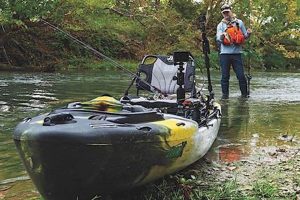
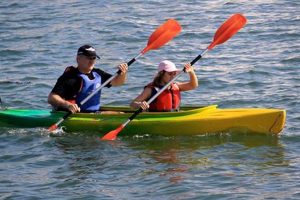
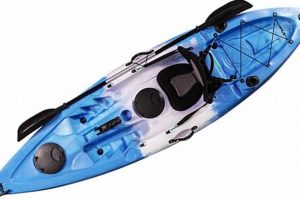
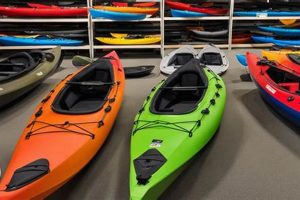
Retail outlets for kayaks range from large sporting goods chains and specialized paddling shops to smaller, independent retailers and even online marketplaces. These vendors offer a variety of kayak types, including recreational, touring, whitewater, and fishing kayaks, along with related accessories such as paddles, life vests, and roof racks.
Convenient access to a range of kayak options allows individuals to select the best vessel for their specific needs and budget. Experienced staff at dedicated kayak retailers can provide valuable expertise, assisting customers with choosing the right kayak, understanding essential safety equipment, and finding suitable paddling locations. Historically, kayaks were primarily built and sold by skilled craftspeople within smaller communities, but the rise of recreational paddling has led to wider commercial availability through diverse retail channels.
Consumers seeking a kayak can explore different retail options, considering factors such as price, selection, expertise, and convenience. Subsequent sections will delve into specific retailer types, outlining their advantages and disadvantages, and providing guidance on making informed purchasing decisions.
Tips for Kayak Purchases
Selecting a kayak requires careful consideration of various factors to ensure a suitable vessel is chosen for individual needs and paddling environments. These tips offer guidance for navigating the purchasing process.
Tip 1: Research Kayak Types: Different kayak designs cater to specific activities and water conditions. Understanding the distinctions between recreational, touring, whitewater, and fishing kayaks is crucial for making an informed choice.
Tip 2: Consider Size and Weight Capacity: Kayak dimensions and weight capacity directly impact stability and performance. Choosing a kayak appropriate for the paddler’s size and intended cargo is essential.
Tip 3: Test Paddles and Life Vests: Paddles and personal flotation devices (PFDs) are critical safety components. Testing different options ensures a comfortable and secure fit.
Tip 4: Inquire About Transportation and Storage: Transporting and storing a kayak requires appropriate equipment and space. Retailers can advise on roof racks, trailers, and storage solutions.
Tip 5: Evaluate Retailer Expertise and Services: Knowledgeable staff can provide valuable insights and guidance. Consider factors such as staff experience, warranty policies, and repair services offered.
Tip 6: Compare Prices and Features: Different retailers offer varying prices and features. Comparing options allows informed decisions based on budget and desired specifications.
Tip 7: Explore Additional Accessories: Accessories such as dry bags, spray skirts, and bilge pumps can enhance the paddling experience. Retailers can advise on appropriate additions based on individual needs.
By considering these factors, individuals can confidently select a kayak and necessary equipment, ensuring an enjoyable and safe paddling experience.
This guidance aims to prepare individuals for the kayak selection process. The following section will summarize key takeaways and offer final recommendations.
1. Specialty Paddling Shops

Specialty paddling shops represent a crucial segment within the broader landscape of kayak retailers. These dedicated outlets focus exclusively on paddle sports, offering a curated selection of kayaks, paddles, and related accessories. Their specialized nature often translates to a deeper level of expertise and customer service compared to general sporting goods stores. This focused approach allows staff to develop in-depth product knowledge, enabling them to provide tailored recommendations based on individual paddling styles, experience levels, and intended waterways. For instance, a specialty shop might advise on the subtle differences between touring and sea kayaks, recommending specific hull designs, materials, and features based on the customer’s intended use. This specialized guidance can be invaluable for both novice and experienced paddlers.
The connection between specialty paddling shops and the overall kayak retail market lies in their ability to cater to a discerning customer base seeking expert advice and a curated product selection. While larger retailers might offer a wider range of products, specialty shops excel in providing personalized service and fostering a sense of community among paddling enthusiasts. This specialization often extends beyond product sales to include services such as kayak rentals, guided tours, and repair workshops, further solidifying their role as hubs for local paddling communities. For example, a specialty shop might host regular paddling meetups or offer introductory courses, fostering a sense of camaraderie among local paddlers. This community-focused approach distinguishes specialty shops from larger, less personalized retail environments.
Understanding the role of specialty paddling shops within the broader context of kayak retail provides valuable insights for consumers seeking informed purchasing decisions. While online marketplaces and larger retailers offer convenience and potentially lower prices, specialty shops provide a unique combination of expertise, personalized service, and community engagement. Navigating the diverse landscape of kayak retail requires careful consideration of individual needs and priorities, recognizing the distinct advantages offered by each retail channel. The informed consumer will weigh these factors carefully, selecting the retail outlet best suited to their specific requirements and paddling aspirations.
2. Sporting Goods Retailers

Sporting goods retailers represent a significant distribution channel for kayaks, offering consumers a convenient access point alongside other sporting equipment. While not exclusively focused on paddle sports, these retailers often stock a variety of kayak models, catering to a broad range of recreational users. Understanding their role within the kayak retail landscape requires examining key facets of their operations.
- Inventory Breadth and Depth:
Sporting goods retailers typically carry a diverse inventory, including kayaks from various manufacturers and across different price points. This breadth allows consumers to compare models and potentially find entry-level options at competitive prices. However, the depth of selection within specific kayak categories may be limited compared to specialty paddling shops. For instance, a large sporting goods store might stock several recreational kayaks but offer fewer options for touring or whitewater enthusiasts.
- Expertise and Customer Service:
Sales staff at sporting goods stores possess general knowledge across various sporting categories, but their expertise in kayaks may vary. While capable of providing basic guidance, they might not possess the specialized knowledge of dedicated paddling shops. This can be a limiting factor for consumers seeking in-depth advice on advanced kayak features, paddling techniques, or specific waterway conditions. For example, a customer seeking advice on outfitting a sea kayak for extended expeditions might find more comprehensive guidance at a specialty retailer.
- Pricing and Promotions:
Sporting goods retailers often leverage their large-scale purchasing power to offer competitive pricing and frequent promotions. This can be advantageous for budget-conscious consumers seeking entry-level kayaks or seasonal deals. However, these retailers might not offer the same level of personalized service or flexible financing options available at smaller, independent shops. For instance, a customer looking for a customized kayak package or a trade-in option might find more favorable terms at a specialty retailer.
- Accessibility and Convenience:
Sporting goods retailers often operate multiple store locations, providing convenient access for a wider customer base. This accessibility, combined with extended operating hours, can be a significant advantage for busy consumers. However, the in-store experience might lack the personalized attention and community-focused atmosphere found in smaller, specialized paddling shops. A customer seeking a more intimate and tailored shopping experience might prefer a smaller retailer.
Considering these facets provides a comprehensive understanding of the role sporting goods retailers play within the kayak retail landscape. While they offer convenience and competitive pricing, their generalized approach may not fully address the needs of experienced paddlers seeking specialized expertise and a curated product selection. Consumers should weigh these factors against their individual priorities and paddling aspirations when selecting a retail outlet for their kayak purchase. The informed consumer recognizes the strengths and limitations of each retail channel, ultimately choosing the outlet best aligned with their specific requirements.
3. Online Marketplaces

Online marketplaces represent a significant and evolving segment within the kayak retail landscape. These digital platforms connect buyers and sellers, offering a diverse range of kayaks from various sources, including retailers, manufacturers, and private individuals. Understanding the nuances of online kayak sales is crucial for navigating this increasingly popular purchasing channel.
- Product Variety and Availability:
Online marketplaces offer access to a vast inventory of kayaks, often exceeding the selection available in physical stores. This breadth allows consumers to compare models from different brands, explore niche kayak types, and potentially find discontinued or hard-to-find models. However, the sheer volume of listings can also create challenges in filtering through options and verifying product authenticity.
- Pricing and Competition:
The competitive nature of online marketplaces often leads to lower prices compared to traditional retail outlets. Price comparison tools and seller ratings provide transparency, empowering consumers to make informed purchasing decisions. However, shipping costs, potential import duties, and return policies can significantly impact the final price and overall buying experience. Careful consideration of these factors is essential for accurate cost assessment.
- Seller Verification and Trust:
Establishing trust is paramount in online transactions. Reputable marketplaces implement seller verification processes and buyer protection programs to mitigate risks. Consumer reviews and seller ratings offer valuable insights into past transaction experiences. However, the potential for fraudulent sellers and counterfeit products remains a concern. Due diligence in researching sellers and verifying product authenticity is essential for safe and successful purchases.
- Logistical Considerations:
Shipping large items like kayaks presents logistical challenges. Understanding shipping costs, delivery times, and packaging procedures is critical. Some marketplaces offer integrated shipping solutions, while others rely on individual seller arrangements. Consumers should carefully evaluate shipping options and factor associated costs and timelines into their purchasing decisions. Inspecting the kayak upon delivery for any damage incurred during transit is also crucial.
Navigating online marketplaces requires careful consideration of these factors. While offering significant advantages in terms of product variety and pricing, online platforms also demand greater consumer vigilance regarding seller verification, product authenticity, and logistical complexities. Balancing these considerations against the benefits of online shopping empowers consumers to make informed decisions and leverage the opportunities presented by this dynamic segment of the kayak retail market. Integrating this understanding with insights into other retail channels provides a comprehensive framework for informed kayak purchasing decisions.
4. Local Outfitters

Local outfitters represent a distinct segment within the kayak retail landscape, often serving as valuable resources for paddlers seeking localized expertise and community engagement. These businesses typically operate within specific geographic regions, catering to the unique characteristics of local waterways and paddling communities. Their connection to the broader theme of “places that sell kayaks” lies in their specialized offerings and community-focused approach.
- Regional Expertise and Inventory:
Local outfitters curate their kayak selection based on the specific demands of regional waterways. This localized approach ensures that offered kayaks are suitable for prevailing conditions, whether calm lakes, swift rivers, or coastal waters. For example, an outfitter in a mountainous region might specialize in whitewater kayaks, while a coastal outfitter might emphasize sea kayaks and touring models. This specialized inventory differentiates local outfitters from larger retailers with more generalized product offerings.
- Guided Tours and Rentals:
Beyond retail sales, many local outfitters offer guided tours and kayak rentals, providing opportunities for beginners to experience paddling under expert supervision and allowing experienced paddlers to test new models before purchasing. These services foster community engagement and provide valuable educational experiences, further solidifying the outfitter’s role as a local paddling resource. For example, an outfitter might organize guided river trips or offer introductory kayaking courses, creating opportunities for skill development and community building.
- Community Engagement and Conservation:
Local outfitters often play active roles in local paddling communities, sponsoring events, supporting conservation efforts, and fostering environmental stewardship. This community focus differentiates them from larger, less personalized retail channels. For example, an outfitter might organize river clean-up events or partner with local conservation groups, demonstrating a commitment to environmental responsibility.
- Repair and Maintenance Services:
Local outfitters frequently offer kayak repair and maintenance services, providing convenient access to essential upkeep and extending the lifespan of kayaks. This localized service component strengthens customer relationships and reduces reliance on potentially distant repair centers. For example, an outfitter might offer on-site repairs, seasonal maintenance packages, or custom outfitting services, enhancing the overall customer experience.
The connection between local outfitters and the broader theme of “places that sell kayaks” extends beyond mere product sales. These outfitters often serve as vital community hubs, providing localized expertise, fostering environmental stewardship, and enhancing the overall paddling experience. Recognizing their distinct role within the kayak retail landscape empowers consumers to make informed purchasing decisions and engage more deeply with their local paddling communities. Choosing the right retail outlet often involves considering not only product selection and price but also the added value provided by specialized services and community engagement.
5. Direct-from-Manufacturer Sales
Direct-from-manufacturer kayak sales represent a distinct channel within the broader retail landscape, offering potential advantages and disadvantages for consumers. This approach bypasses traditional retail intermediaries, establishing a direct link between the kayak producer and the end consumer. This connection impacts several key aspects of the kayak purchasing process, influencing factors such as pricing, customization options, and customer support. Manufacturers often offer factory-direct sales through their own websites, dedicated showrooms, or factory outlet stores. This allows tighter control over pricing and branding, potentially leading to cost savings for consumers. For example, a manufacturer might offer online exclusives or factory seconds at discounted prices, incentivizing direct purchases. Furthermore, direct sales often enable greater customization options, allowing customers to select specific features, colors, or accessories not readily available through standard retail channels. A manufacturer specializing in fishing kayaks, for instance, might offer factory-direct customization options for rod holders, fish finders, and other specialized gear.
The significance of direct-from-manufacturer sales lies in their potential to disrupt traditional retail models. By eliminating intermediary markups, manufacturers can offer competitive pricing while retaining greater control over the customer experience. This direct interaction allows manufacturers to gather valuable customer feedback, informing product development and refining marketing strategies. For example, direct customer interactions might reveal preferences for specific kayak features or identify unmet needs within niche paddling segments. This direct feedback loop can drive innovation and enhance product development, ultimately benefiting both the manufacturer and the consumer. However, direct sales also present challenges. Manufacturers must invest in robust e-commerce platforms, efficient order fulfillment processes, and dedicated customer support channels. Furthermore, consumers might forgo the personalized advice and hands-on experience offered by specialty retailers. Balancing these considerations requires a strategic approach, leveraging the advantages of direct sales while mitigating potential drawbacks.
Understanding the role of direct-from-manufacturer sales within the broader context of “places that sell kayaks” empowers consumers to make informed purchasing decisions. Weighing the potential cost savings and customization options against the benefits of personalized retail experiences allows consumers to select the purchasing channel best suited to their individual needs and priorities. The informed consumer recognizes the evolving dynamics of the kayak retail landscape, adapting their purchasing strategies to leverage the opportunities presented by diverse sales channels. This informed approach fosters a more dynamic and competitive market, ultimately benefiting both consumers and manufacturers.
6. Used Kayak Markets
Used kayak markets represent a significant segment within the broader ecosystem of kayak retail, offering an alternative pathway to kayak ownership. These markets provide access to pre-owned kayaks at potentially reduced prices, catering to budget-conscious buyers or those seeking specific older models. Understanding their role within the broader context of “places that sell kayaks” requires examining key facets of these markets.
- Sourcing and Availability:
Used kayaks can be sourced through various channels, including online classifieds, dedicated used kayak marketplaces, consignment shops, and even local paddling clubs. Availability fluctuates based on seasonality, regional paddling activity, and overall market demand. Certain models might be more readily available in regions with specific paddling preferences, impacting selection and pricing. For example, whitewater kayaks might be more prevalent in mountainous regions with active river paddling communities, while recreational kayaks might be more readily available in areas with numerous lakes and calm waterways.
- Condition and Inspection:
Assessing the condition of a used kayak is paramount before purchase. Careful inspection for signs of wear and tear, including hull damage, structural integrity, and outfitting functionality, is crucial. Seeking expert advice or bringing an experienced paddler along for inspection can mitigate potential risks. For instance, examining the hull for deep scratches, checking the integrity of bulkheads and hatches, and assessing the condition of seat fittings and foot braces are essential steps in evaluating a used kayak.
- Pricing and Negotiation:
Pricing in used kayak markets varies based on factors such as kayak model, age, condition, and included accessories. Researching comparable models and their market value provides a basis for negotiation. Understanding regional market dynamics and seasonal price fluctuations can further inform purchasing decisions. For example, prices for recreational kayaks might decrease during the off-season, presenting opportunities for savvy buyers. Negotiating respectfully and realistically can lead to mutually beneficial outcomes.
- Safety and Reliability:
Ensuring the safety and reliability of a used kayak is paramount. Inspecting safety features, such as flotation devices, deck rigging, and grab handles, is crucial. Understanding the kayak’s maintenance history and any previous repairs can inform assessments of its long-term reliability. For instance, verifying the presence and condition of bulkheads and flotation, inspecting deck lines for wear and tear, and checking the functionality of rudder or skeg systems are crucial safety considerations.
Integrating used kayak markets into the broader understanding of “places that sell kayaks” provides consumers with a wider range of options and price points. Recognizing the unique considerations associated with purchasing used kayaks, including sourcing, condition assessment, pricing negotiation, and safety verification, empowers informed decision-making. This comprehensive perspective facilitates a more nuanced approach to kayak acquisition, catering to diverse budgets and paddling preferences. By considering all available avenues, consumers can confidently navigate the kayak market and select the best option for their individual needs.
7. Seasonal Retailers
Seasonal retailers represent a distinct segment within the kayak retail landscape, often characterized by fluctuating inventory and time-limited sales opportunities. Their connection to the broader theme of “places that sell kayaks” lies in their ability to capitalize on specific market demands and offer advantageous pricing during particular times of the year. This often involves focusing on specific kayak types suited to seasonal activities, such as recreational kayaks during summer months or fishing kayaks during specific fishing seasons. For instance, a retailer might offer discounted prices on recreational kayaks during the spring to attract early-season buyers or promote fishing kayaks during the fall when certain fish species are more active. This targeted approach allows seasonal retailers to cater to specific paddling demographics while managing inventory efficiently. Cause and effect relationships are evident in this dynamic; increased consumer demand for recreational kayaks during summer months directly influences the inventory and promotional strategies of seasonal retailers. Conversely, the availability of discounted kayaks during the off-season can incentivize purchases and influence consumer behavior.
The importance of seasonal retailers as a component of “places that sell kayaks” lies in their contribution to market dynamism and price accessibility. These retailers often offer competitive pricing on clearance models or discontinued lines, creating opportunities for budget-conscious consumers. This can significantly expand access to kayaking, particularly for those seeking entry-level options or specific seasonal equipment. Furthermore, seasonal retailers can specialize in niche kayak categories, catering to specific paddling activities prevalent during particular times of the year. A retailer specializing in winter paddling gear, for example, might offer specialized kayaks, dry suits, and other cold-weather accessories during the winter months, catering to a niche market segment. This specialization enhances market diversity and provides consumers with targeted product offerings.
Understanding the role of seasonal retailers within the broader context of kayak retail provides valuable insights for consumers. Recognizing the cyclical nature of their inventory and promotional strategies allows consumers to anticipate sales opportunities and potentially acquire kayaks at advantageous prices. This awareness enhances market transparency and empowers consumers to make informed purchasing decisions. However, navigating the seasonal retail landscape also requires vigilance. Consumers should carefully assess the condition of clearance kayaks and ensure compatibility with their paddling needs. Balancing the potential for cost savings against the limitations of limited inventory and specialized offerings ensures informed choices and maximizes the benefits of engaging with seasonal retailers. Integrating this understanding with insights into other retail channels provides a comprehensive framework for navigating the diverse and dynamic landscape of kayak retail.
Frequently Asked Questions
This section addresses common inquiries regarding kayak retail outlets, providing concise and informative responses.
Question 1: What distinguishes specialty kayak shops from larger sporting goods retailers?
Specialty shops offer a curated selection of kayaks and paddling accessories, often catering to specific paddling disciplines. Staff typically possess in-depth product knowledge and can provide tailored advice. Larger sporting goods retailers offer broader inventory but potentially less specialized expertise.
Question 2: What are the advantages of purchasing a kayak from an online marketplace?
Online marketplaces offer a vast selection, price comparison tools, and potential cost savings. However, logistical considerations, seller verification, and potential return complexities require careful attention.
Question 3: How can one assess the condition of a used kayak?
Thorough inspection for hull damage, structural integrity, and outfitting functionality is crucial. Seeking expert advice or consulting experienced paddlers can mitigate risks associated with purchasing used kayaks.
Question 4: What role do local outfitters play within the kayak retail landscape?
Local outfitters provide regional expertise, offer guided tours and rentals, often engage in community initiatives, and may provide repair services, catering to the specific needs of local paddling communities.
Question 5: What are the potential benefits of purchasing a kayak directly from the manufacturer?
Direct purchases can offer cost savings, customization options, and direct access to manufacturer support. However, consumers may forgo the personalized advice and hands-on experience provided by traditional retailers.
Question 6: How do seasonal retailers contribute to the kayak market?
Seasonal retailers offer targeted inventory aligned with specific paddling seasons and may provide advantageous pricing on clearance or discontinued models, increasing affordability and market dynamism.
Careful consideration of these factors empowers informed decisions regarding kayak retail outlets. Choosing the right purchasing channel depends on individual priorities and paddling objectives.
The following section will explore specific kayak models and brands available through various retail channels.
Conclusion
Navigating the diverse landscape of kayak retail requires careful consideration of various factors, including retailer specialization, product selection, pricing, customer service, and logistical considerations. Specialty shops, sporting goods retailers, online marketplaces, local outfitters, direct-from-manufacturer sales, used kayak markets, and seasonal retailers each offer distinct advantages and disadvantages, catering to diverse consumer needs and preferences. Understanding these nuances empowers informed purchasing decisions, aligning individual paddling aspirations with appropriate retail channels.
The evolving nature of kayak retail necessitates ongoing awareness of market trends, emerging technologies, and shifting consumer behaviors. Informed decision-making, coupled with diligent research and careful consideration of individual paddling objectives, ensures optimal kayak acquisition experiences and contributes to a vibrant and dynamic paddling community.