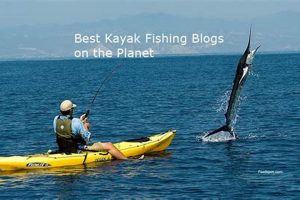
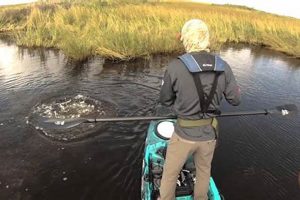
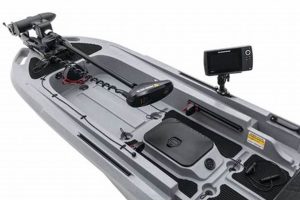
The pursuit of angling from kayaks has seen a significant increase in female participation. This involves utilizing specialized kayaks designed for stability and storage, equipped with fishing rods, tackle, and often electronic fish finders. An example would be a woman paddling a sit-on-top kayak in a calm lake, casting for bass with a lightweight spinning rod.
This activity offers numerous physical and mental health benefits, including improved cardiovascular fitness, upper body strength, and stress reduction. The accessibility and relatively low cost of entry compared to traditional boat fishing make it an appealing option for many. Historically, fishing has been a predominantly male activity, but the increasing visibility of women anglers, aided by online communities and dedicated resources, demonstrates a shift towards greater inclusivity and diversity within the sport.
The following sections will explore various aspects of this growing trend, including equipment choices, popular fishing locations, safety considerations, and the evolving community surrounding this exciting outdoor pursuit.
Kayak Fishing Tips
Preparation and knowledge are crucial for a successful and enjoyable fishing experience from a kayak. These tips offer valuable insights for enhancing angling effectiveness and ensuring safety on the water.
Tip 1: Stability is Paramount: Choose a kayak designed for stability, especially in varying water conditions. Wider hulls generally offer greater stability than narrower designs. Consider a sit-on-top kayak for easier re-entry if capsizing occurs.
Tip 2: Plan and Research: Thorough pre-trip planning is essential. Research potential fishing locations, including water depth, currents, and potential hazards. Check weather forecasts and tide charts, and inform someone of the intended fishing plan.
Tip 3: Essential Safety Gear: Always wear a personal flotation device (PFD). Carry a whistle, signaling mirror, and a waterproof communication device. A first-aid kit and basic repair tools are also recommended.
Tip 4: Organize and Secure Gear: Utilize kayak-specific storage solutions to keep equipment organized and easily accessible. Secure rods and tackle to prevent loss in case of capsizing. Distribute weight evenly within the kayak for optimal balance.
Tip 5: Practice Paddle Strokes: Efficient paddling techniques conserve energy and improve maneuverability. Practice different strokes, including forward, reverse, and turning strokes, before venturing into challenging waters.
Tip 6: Respect Wildlife and the Environment: Practice catch-and-release whenever possible, handling fish gently and minimizing their time out of water. Adhere to local fishing regulations and pack out all trash.
Tip 7: Dress Appropriately: Wear clothing suitable for the expected weather conditions, including sun protection, rain gear, and appropriate footwear. Consider quick-drying fabrics and layers for adaptability.
By following these guidelines, anglers can maximize their chances of a productive and safe fishing experience while minimizing environmental impact.
The insights provided aim to empower anglers with the knowledge and skills necessary for a successful and rewarding time on the water.
1. Empowerment

Kayak fishing offers a unique avenue for female empowerment. The act of navigating waterways, mastering angling techniques, and successfully landing a fish fosters a sense of self-reliance and accomplishment. This empowerment extends beyond the individual level, contributing to a broader shift in societal perceptions of women’s roles in outdoor recreational activities traditionally dominated by men. For example, women organizing and leading fishing expeditions challenge conventional norms and inspire others to pursue their passions regardless of gender stereotypes. The physical and mental demands of kayak fishing further cultivate resilience and adaptability, transferable skills beneficial in various life contexts.
The sense of community among women kayak anglers amplifies this empowerment. Shared experiences, mentorship programs, and online forums provide platforms for exchanging knowledge, building confidence, and fostering a supportive network. This collective strength encourages more women to explore kayak fishing, creating a positive feedback loop that expands opportunities and challenges gender barriers within the sport. Participating in tournaments and competitions further reinforces this sense of accomplishment and elevates the visibility of women in competitive angling.
Ultimately, the empowerment associated with kayak fishing goes beyond simply catching fish. It represents a reclamation of space within the outdoor recreation landscape, promoting self-sufficiency, fostering community, and challenging traditional gender roles. This empowerment has significant implications for how women perceive themselves, how they are perceived by society, and how they engage with the natural world. It fosters a deeper appreciation for conservation efforts and responsible environmental stewardship, ensuring the sustainability of the sport for future generations.
2. Community Building
The rise of women in kayak fishing correlates strongly with the development of supportive and inclusive communities. These networks offer valuable resources, foster camaraderie, and contribute significantly to the growth and diversification of the sport. Understanding the dynamics of these communities provides insights into the evolving landscape of kayak fishing.
- Shared Experiences and Mentorship:
Women’s kayak fishing communities offer platforms for sharing experiences, fostering a sense of belonging and mutual support. Experienced anglers often mentor newcomers, providing guidance on techniques, equipment choices, and suitable fishing locations. These mentorship relationships facilitate skill development, enhance safety awareness, and create a welcoming environment for those new to the sport. For example, organized fishing trips and online forums provide opportunities for women to connect, share tips, and build lasting friendships.
- Advocacy and Representation:
These communities often advocate for greater inclusivity and representation of women within the broader fishing industry. They work to challenge traditional gender stereotypes, promote female participation in tournaments and competitions, and ensure that women’s voices are heard in discussions regarding conservation and resource management. Examples include dedicated social media groups, online platforms, and local chapters of women’s fishing organizations that raise awareness and address issues relevant to female anglers.
- Skill Development and Education:
Community-organized workshops, seminars, and online resources offer targeted instruction on various aspects of kayak fishing, from basic paddling techniques and knot tying to advanced angling strategies and fish identification. This focus on skill development empowers women to become more proficient anglers and further strengthens their connection to the sport. Specialized courses focusing on kayak safety, navigation, and fishing ethics contribute to a culture of responsible angling.
- Conservation and Environmental Stewardship:
Many women’s kayak fishing communities actively promote conservation efforts and responsible environmental stewardship. They organize cleanup events, advocate for sustainable fishing practices, and educate members about the importance of protecting aquatic ecosystems. This commitment to conservation ensures the long-term health of fisheries and reinforces the connection between anglers and the natural environment. For example, community partnerships with local conservation organizations facilitate habitat restoration projects and promote responsible angling practices.
These interconnected facets of community building contribute significantly to the growth and vibrancy of women’s participation in kayak fishing. By providing opportunities for shared experiences, mentorship, advocacy, skill development, and conservation engagement, these communities empower women to confidently explore the sport, foster lasting connections, and contribute to a more inclusive and sustainable future for angling. The collective strength and shared passion within these communities continue to shape the evolving landscape of kayak fishing, promoting diversity and inspiring future generations of female anglers.
3. Skill Development
Proficiency in essential skills is crucial for women pursuing kayak fishing. Developing these competencies enhances not only the success and enjoyment of the activity but also promotes safety and responsible angling practices. The following facets highlight the significance of skill development within this growing segment of the fishing community.
- Paddling Proficiency:
Efficient paddling techniques are fundamental to kayak fishing. Mastering various strokes, including forward, reverse, turning, and bracing, enables precise maneuvering in diverse water conditions. This skill allows anglers to navigate currents, access desired fishing spots, and maintain stability in challenging environments. For example, effectively using a sweep stroke allows for quick turns in tight spaces, while a strong forward stroke conserves energy during long paddles. Confident paddling contributes significantly to both fishing success and overall safety on the water.
- Casting and Retrieval:
Accurate casting and controlled retrieval are essential for presenting lures effectively and hooking fish from a kayak. Practicing casting techniques while seated and maintaining balance enhances accuracy and minimizes tangles. Skillful retrieval involves adjusting the lure’s speed and action to entice fish and successfully set the hook. Mastering these techniques optimizes catch rates and contributes to a more rewarding fishing experience.
- Knot Tying and Rigging:
Knowledge of various fishing knots and rigging techniques is crucial for securing lines, attaching hooks and lures, and creating effective fishing setups. Strong knots ensure that tackle remains intact during the fight with a fish, while proper rigging maximizes the chances of attracting and hooking the target species. For instance, learning to tie a Palomar knot or an improved clinch knot provides a secure connection between the line and hook. Developing these skills minimizes equipment failure and contributes to successful angling.
- Fish Handling and Release:
Proper fish handling techniques are essential for minimizing stress on the fish and promoting their survival, especially in catch-and-release scenarios. Learning how to support the fish’s body, remove hooks quickly and efficiently, and revive exhausted fish contributes to responsible angling practices. Using appropriate tools, such as dehookers and lip grips, further minimizes handling time and potential harm. Respectful handling ensures the long-term health of fish populations and the sustainability of the sport.
These core skill sets contribute significantly to the overall experience of women in kayak fishing. Developing proficiency in these areas not only enhances fishing success but also promotes safety, responsible angling practices, and a deeper appreciation for the sport and the environment. As women continue to embrace kayak fishing, the acquisition and refinement of these skills play a crucial role in fostering confidence, building community, and inspiring future generations of female anglers.
4. Safety Awareness

Safety awareness is paramount for women engaging in kayak fishing. The inherent risks associated with open water activities necessitate a proactive approach to safety, encompassing pre-trip planning, appropriate gear, and informed decision-making. Understanding potential hazards and implementing preventative measures significantly mitigates risks and ensures a positive experience. For example, checking weather forecasts before embarking on a fishing trip allows anglers to avoid potentially dangerous conditions, while wearing a personal flotation device (PFD) provides essential buoyancy in case of capsizing.
Several factors contribute to the critical nature of safety awareness specifically for women in this sport. Physical differences, such as generally smaller stature and upper body strength, can influence kayak handling and self-rescue procedures. Furthermore, navigating solo trips requires heightened vigilance and self-sufficiency. Addressing these considerations through specialized training, appropriate equipment selection, and community support enhances safety and promotes confidence on the water. Participating in kayak safety courses, practicing self-rescue techniques, and informing someone of the planned fishing route are practical steps that significantly enhance safety. Furthermore, carrying communication devices, such as a waterproof VHF radio or a personal locator beacon (PLB), enables rapid communication in emergencies. Understanding and practicing appropriate responses to unexpected situations, like sudden weather changes or equipment malfunctions, equips anglers with the skills and confidence to manage risks effectively.
Prioritizing safety awareness empowers women to fully enjoy the benefits of kayak fishing while minimizing potential hazards. This proactive approach fosters confidence, encourages responsible angling practices, and contributes to a positive and sustainable experience on the water. Integrating safety considerations into every aspect of kayak fishing, from trip planning and gear selection to on-the-water decision-making, cultivates a culture of safety within the community and ensures a more enjoyable and secure environment for all participants.
5. Specialized Gear

The increasing participation of women in kayak fishing has driven demand for specialized gear designed to address specific needs and enhance performance on the water. This specialized equipment considers factors such as physical differences, comfort preferences, and the unique demands of angling from a kayak. The availability of such gear plays a crucial role in facilitating greater accessibility, improving fishing success, and promoting overall enjoyment of the sport among women. For example, lighter-weight paddles designed for smaller hand sizes reduce strain and fatigue, allowing for longer and more comfortable paddling sessions. Similarly, kayaks designed with narrower cockpits and adjustable seating systems accommodate varying body sizes and enhance stability, promoting greater confidence and control on the water.
Beyond kayaks and paddles, specialized fishing gear further enhances the experience for women anglers. Rods and reels designed for lighter lures and lines cater to the pursuit of smaller species or fishing in calmer waters, expanding the range of angling opportunities. Apparel tailored for women’s fit and featuring technical fabrics enhances comfort and protection from the elements. Furthermore, specialized accessories, such as kayak fishing vests with strategically placed pockets and attachment points, facilitate efficient organization and easy access to essential tools and tackle. These adaptations improve functionality and enhance the overall fishing experience, allowing anglers to focus on the sport rather than contending with ill-fitting or cumbersome equipment. The development and availability of such specialized gear contribute directly to increased participation and success rates among women in kayak fishing.
The evolution of specialized gear for women kayak anglers reflects a broader shift towards inclusivity and recognition of diverse needs within the fishing industry. This specialized equipment empowers women to participate more comfortably and effectively, fostering greater enjoyment and promoting long-term engagement in the sport. Addressing these specific requirements enhances performance, improves safety, and ultimately contributes to a more inclusive and diverse angling community. The ongoing development and refinement of specialized gear demonstrate a commitment to meeting the evolving needs of women anglers and fostering a more welcoming and accessible environment within the sport.
6. Accessible Adventures
Kayak fishing offers notably accessible adventures, a key factor contributing to the rise of women within the sport. The relatively low barrier to entry, compared to traditional boat fishing, is particularly significant. Kayaks are generally less expensive to purchase and maintain than motorized boats, eliminating the need for boat ramps, trailers, and significant storage space. This affordability makes kayak fishing a more attainable recreational pursuit for a wider demographic, including women who may face financial constraints or lack access to traditional boating resources. For example, a used kayak suitable for fishing can often be purchased at a fraction of the cost of a new motorboat, making the initial investment significantly less daunting. This accessibility extends beyond financial considerations. Kayaks can be launched from various locations, including shorelines, small docks, and even shallow water areas inaccessible to larger vessels. This flexibility opens up a wider range of fishing locations, expanding opportunities for exploration and adventure. Furthermore, the physical demands of kayak fishing, while present, are adaptable to various fitness levels. The activity can be as physically demanding or relaxed as the individual chooses, allowing women to tailor their experience to their capabilities and preferences. This adaptability makes kayak fishing an inclusive activity suitable for women of diverse ages and physical abilities.
The accessibility of kayak fishing fosters a sense of independence and self-reliance among women anglers. The ability to launch and navigate a kayak solo empowers women to explore remote locations, set their own pace, and connect with nature on their own terms. This independence challenges traditional gender roles within outdoor recreation and promotes a sense of empowerment and self-discovery. Furthermore, the accessibility of kayak fishing creates opportunities for shared adventures among women. Organizing group fishing trips, participating in guided tours, or simply paddling together fosters camaraderie, builds community, and provides a supportive environment for learning and skill development. These shared experiences strengthen bonds, promote mentorship, and contribute to a more inclusive and welcoming atmosphere within the sport.
The accessibility of kayak fishing is a pivotal factor contributing to its increasing popularity among women. By removing financial, logistical, and physical barriers, kayak fishing empowers women to pursue outdoor adventures, fostering independence, building community, and promoting a deeper connection with nature. This accessibility is not simply a matter of convenience; it represents a significant step toward greater inclusivity and diversity within the broader angling community and the wider outdoor recreation landscape.
7. Conservation Efforts

A strong connection exists between conservation efforts and the growing presence of women in kayak fishing. This relationship stems from the direct interaction anglers have with aquatic ecosystems and the increasing awareness of environmental responsibility within the fishing community. Women kayak anglers often demonstrate a deep appreciation for the natural world and actively participate in initiatives aimed at protecting and preserving these resources. This involvement ranges from individual actions, such as practicing catch-and-release fishing and adhering to leave-no-trace principles, to organized group efforts, like participating in waterway cleanups and advocating for stricter regulations against pollution. For example, numerous women’s kayak fishing groups organize annual river and lake cleanups, removing debris and raising awareness about the impacts of pollution on aquatic life. Others participate in citizen science projects, collecting data on fish populations and water quality to assist researchers in conservation efforts.
The increasing engagement of women in conservation efforts within kayak fishing has several significant implications. It contributes to a broader culture of environmental stewardship within the angling community, influencing practices and attitudes towards resource management. The visibility of women taking leadership roles in these initiatives challenges traditional stereotypes and encourages broader participation in conservation. Moreover, the collective action of women kayak anglers can exert significant influence on policy decisions related to environmental protection and sustainable fisheries management. For instance, women-led advocacy groups have successfully lobbied for stricter regulations on industrial discharge into waterways and promoted the establishment of marine protected areas. This active involvement demonstrates the growing influence of women within the sport and their commitment to ensuring the long-term health of aquatic ecosystems.
The connection between conservation efforts and women in kayak fishing represents a positive trend towards greater environmental responsibility within the recreational angling community. It highlights the potential for individual and collective action to make a tangible difference in protecting valuable natural resources. Continued engagement and advocacy by women kayak anglers will play a crucial role in shaping the future of sustainable fishing practices and ensuring healthy aquatic ecosystems for generations to come. This commitment to conservation not only benefits the environment but also enhances the overall experience of kayak fishing, fostering a deeper appreciation for the natural world and strengthening the connection between anglers and the waters they enjoy.
Frequently Asked Questions
This section addresses common inquiries regarding women’s participation in kayak fishing, providing concise and informative responses to clarify potential uncertainties and promote a broader understanding of the activity.
Question 1: What are the physical demands of kayak fishing?
Kayak fishing requires a moderate level of physical fitness. Paddling, casting, and reeling all engage various muscle groups. However, the activity’s intensity can be adjusted based on individual preferences and fishing locations. Choosing calmer waters and shorter trips reduces physical exertion, while longer expeditions in challenging conditions demand greater stamina and strength. Regular paddling and upper body exercises can improve overall fitness and enhance enjoyment of the sport.
Question 2: Is specialized equipment necessary for women kayak anglers?
While not strictly necessary, specialized equipment can significantly enhance comfort and performance. Lighter paddles designed for smaller hands, kayaks with narrower cockpits, and PFDs specifically tailored for women’s body shapes can improve fit and function. Specialized fishing rods and reels designed for lighter lures and lines further expand angling options. Choosing appropriate gear enhances the overall experience and promotes greater success on the water.
Question 3: Are there safety concerns specific to women kayak anglers?
Navigating solo trips requires heightened awareness of potential hazards. Understanding self-rescue techniques, carrying communication devices, and informing someone of the planned fishing route are essential safety precautions. Physical differences, such as smaller stature, can influence kayak handling, emphasizing the importance of proper training and equipment selection. Participating in kayak safety courses and practicing self-rescue maneuvers enhance confidence and preparedness for unexpected situations.
Question 4: How can women get started with kayak fishing?
Beginners can start by renting kayaks and taking introductory fishing lessons. Joining local kayak fishing groups or online forums provides valuable resources, mentorship opportunities, and a supportive community. Participating in guided fishing trips allows novices to learn essential skills and gain experience in a safe and controlled environment. Gradually progressing to more challenging fishing locations and techniques builds confidence and expertise.
Question 5: What are the benefits of joining a women’s kayak fishing community?
Community involvement offers numerous benefits, including shared experiences, mentorship, and advocacy for women in the sport. These networks provide platforms for exchanging knowledge, fostering camaraderie, and promoting inclusivity within the broader fishing community. Participating in group events, workshops, and online forums enhances skill development, strengthens safety awareness, and fosters a sense of belonging.
Question 6: How can kayak anglers contribute to conservation efforts?
Practicing catch-and-release fishing, adhering to leave-no-trace principles, and participating in waterway cleanups are essential contributions to conservation. Supporting organizations dedicated to protecting aquatic ecosystems and advocating for responsible fishing regulations further strengthens environmental stewardship. Educating fellow anglers about conservation practices and promoting responsible behavior on the water contributes to the long-term health of fisheries and aquatic habitats.
This FAQ section offers essential information to address common queries and promote a comprehensive understanding of women’s involvement in kayak fishing. The insights provided empower individuals to make informed decisions, enhance safety awareness, and fully enjoy the enriching experiences this activity offers.
The following resources provide additional information and support for those interested in exploring the world of kayak fishing.
Conclusion
The exploration of this evolving recreational pursuit reveals significant trends. Increased participation demonstrates a growing interest among women in outdoor activities traditionally considered male-dominated. The development of supportive communities, specialized gear, and accessible resources empowers women to engage confidently and successfully in kayak fishing. Furthermore, the emphasis on safety awareness and responsible angling practices highlights a commitment to sustainable enjoyment of the sport.
The future of kayak fishing suggests continued growth and diversification, driven by increasing accessibility, community engagement, and a deeper understanding of the associated health and social benefits. This evolution underscores the importance of inclusivity within outdoor recreation and the transformative potential of connecting individuals with nature. The ongoing development of specialized resources and supportive networks will further empower women to embrace the challenges and rewards of kayak fishing, fostering a more diverse and vibrant angling community.