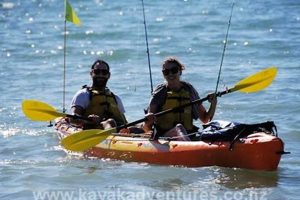
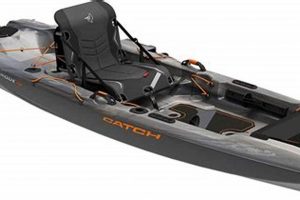
This activity involves angling from a small, human-powered watercraft amidst the characteristic palmetto-lined waterways of the southeastern United States. Imagine navigating tranquil creeks and rivers, shaded by the iconic fronds of sabal palms, while casting a line for a variety of fish species. This method allows for access to shallow, secluded areas often unreachable by larger boats, providing a unique and intimate connection with nature.
The low-impact approach minimizes disturbance to the environment and offers a stealthy advantage when pursuing fish. It provides anglers with an excellent opportunity to observe wildlife up close and experience the serenity of these unique coastal ecosystems. Historically, small boats have been used for fishing in these areas for centuries, evolving from simple dugout canoes to modern, specialized kayaks equipped with fishing gear and accessories. This longstanding tradition underscores the enduring appeal and practicality of this fishing style.
Further exploration will cover equipment recommendations, suitable locations, target species, and responsible fishing practices. This information will equip enthusiasts with the knowledge and resources necessary to safely and successfully engage in this rewarding pursuit.
Tips for Kayak Fishing in Palmetto-Lined Waterways
Careful planning and preparation contribute significantly to a successful and enjoyable fishing experience. The following tips offer valuable insights for maximizing success and safety.
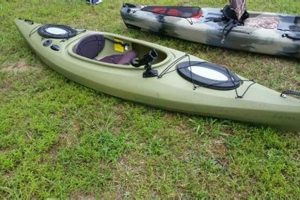
Tip 1: Choose the Right Kayak. Kayak selection depends on the intended fishing environment and personal preferences. Sit-on-top kayaks are generally preferred for their stability and ease of entry and exit, while sit-inside kayaks offer better protection from the elements. Consider factors such as storage capacity, maneuverability, and weight capacity.
Tip 2: Prioritize Safety Equipment. A personal flotation device (PFD) is essential and should be worn at all times. Carry a whistle, signaling mirror, and a waterproof communication device for emergencies. A first-aid kit and sun protection are also recommended.
Tip 3: Understand Tidal Influences. Tides significantly impact water levels and currents in coastal areas. Consult tide charts before heading out and plan accordingly. Incoming tides often bring baitfish and feeding game fish, while outgoing tides can create strong currents.
Tip 4: Employ Appropriate Fishing Gear. Shorter rods and reels are better suited for kayak fishing due to limited space. Choose tackle appropriate for the target species. Live bait or artificial lures can be effective depending on the fish and fishing conditions.
Tip 5: Practice Kayak Control. Develop proficiency in paddling and maneuvering the kayak. Practice casting and retrieving while maintaining balance and stability. This ensures efficient fishing and avoids accidental capsizing.
Tip 6: Respect Wildlife and the Environment. Observe wildlife from a safe distance and avoid disturbing nesting areas. Pack out all trash and fishing line. Adhere to local fishing regulations and practice catch-and-release whenever possible.
Tip 7: Check Weather Conditions. Monitor weather forecasts before venturing out. Avoid fishing in thunderstorms or high winds. Be aware of changing weather patterns and be prepared to return to shore if conditions deteriorate.
By adhering to these guidelines, anglers can enhance their chances of a productive and enjoyable fishing experience while ensuring personal safety and environmental responsibility. Proper planning and preparation are crucial for success in this rewarding outdoor activity.
The following section will detail popular locations and target species specific to this unique fishing style.
1. Shallow Water Access

Shallow water access represents a defining characteristic of palmetto kayak fishing, enabling exploration of otherwise inaccessible habitats. The shallow draft of kayaks permits navigation through narrow creeks, backwater channels, and over submerged oyster beds prime feeding grounds often unreachable by larger, motorized vessels. This advantage opens a realm of angling opportunities, allowing pursuit of species that thrive in these shallow, protected environments. For example, redfish tailing in mere inches of water or snook ambushing prey amongst mangrove roots become readily targetable from a kayak.
This unique accessibility significantly influences fishing strategies and tackle choices. Anglers often employ lighter lines, smaller lures, and specialized techniques tailored for shallow water fishing. The ability to quietly approach fish in these shallow habitats significantly increases the likelihood of success. Furthermore, the shallow water provides a vantage point for observing fish behavior and identifying subtle feeding cues, enhancing the overall angling experience. This understanding allows for a more informed and adaptive approach, crucial for success in these dynamic environments. The reduced noise and minimal disturbance offered by kayaks are particularly advantageous in shallow water, where fish are easily spooked by conventional boats.
Successful shallow water fishing requires careful navigation and awareness of potential hazards, such as submerged obstacles and changing tides. However, the rewards often outweigh the challenges, providing access to pristine fishing grounds teeming with life. This close connection with the environment enhances the overall angling experience, reinforcing the value of shallow water access as a cornerstone of palmetto kayak fishing. Understanding and respecting the delicate balance of these ecosystems remains crucial for their continued health and productivity.
2. Specialized Kayak Setup

A specialized kayak setup plays a crucial role in the effectiveness and enjoyment of palmetto kayak fishing. These specialized setups are designed to optimize angler performance and enhance the overall fishing experience. Considerations include kayak selection, gear organization, and accessory integration. Selecting a kayak with ample stability, maneuverability, and storage capacity is essential for navigating shallow waterways and accommodating fishing gear.
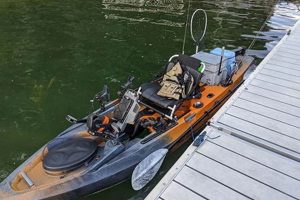
Integrating accessories such as rod holders, anchor trolleys, and fish finders further enhances fishing efficiency. Rod holders secure rods while paddling or landing fish. Anchor trolleys allow for precise positioning in currents or wind. Fish finders provide valuable information about water depth, bottom structure, and fish location. Efficient gear organization is critical for maintaining a clutter-free and accessible fishing platform. Tackle boxes, dry bags, and specialized storage compartments keep essential gear within easy reach, minimizing distractions and maximizing fishing time. A well-organized setup allows anglers to focus on fishing rather than managing gear, contributing to a more productive and enjoyable experience.
For example, a kayak equipped with a rudder system enhances maneuverability in windy conditions or strong currents, while a shallow-water anchor allows for precise positioning when fishing over oyster beds or near structure. Ultimately, a specialized kayak setup tailored to the specific demands of palmetto kayak fishing significantly improves an angler’s ability to navigate shallow waterways, locate fish, and present lures effectively. This specialized approach translates to increased fishing success and a more rewarding experience. Adapting the setup to specific target species and fishing locations further optimizes performance and enjoyment.
3. Stealthy Approach Techniques
Stealthy approach techniques are essential for success in palmetto kayak fishing. The quiet nature of kayaks offers a distinct advantage, allowing anglers to approach fish with minimal disturbance. Unlike motorized boats, kayaks produce little noise or vibration, reducing the likelihood of spooking fish, particularly in shallow, clear water. This inherent stealth allows anglers to get closer to their targets, increasing the chances of a successful presentation and hookup. For example, silently drifting into a shallow creek lined with palmettos provides an excellent opportunity to sight-fish for redfish or snook without alerting them to the angler’s presence. The shallow draft of the kayak allows for navigation through shallow areas with minimal disturbance to the surrounding environment, further enhancing the stealthy approach.
Effective paddling techniques further contribute to a stealthy approach. Smooth, deliberate strokes minimize splashing and noise, allowing the kayak to glide silently through the water. Avoiding sudden movements or jerky paddling helps maintain a low profile and prevents fish from detecting the angler’s presence. Wind and current conditions also influence stealth. Paddling into the wind or current minimizes drift and allows for greater control over the kayak’s position, facilitating precise and quiet approaches. Understanding these environmental factors and adapting paddling techniques accordingly is crucial for maximizing stealth and fishing success. For example, when fishing in windy conditions, using a drift sock can help slow the kayak’s drift and maintain a stealthy approach.
Mastering stealthy approach techniques significantly enhances angling success in palmetto kayak fishing environments. The quiet operation and maneuverability of kayaks, combined with skillful paddling and awareness of environmental factors, allow anglers to get closer to fish without detection. This advantage translates to increased opportunities for successful presentations and ultimately, a more rewarding fishing experience. The ability to approach fish undetected is especially crucial in clear, shallow waters where fish are more easily spooked. Continuous refinement of these techniques, adapted to specific locations and target species, is key to maximizing effectiveness in this unique and rewarding style of fishing.
4. Tidal Flow Awareness
Tidal flow awareness is paramount in palmetto kayak fishing. Tides dictate water depth, current strength, and fish movement within these estuarine environments. Anglers must understand tidal cycles and their influence on target species behavior. Incoming tides flood shallow flats, bringing baitfish and attracting predatory species like redfish and snook. Outgoing tides concentrate fish in channels and deeper holes as water recedes. For example, fishing near creek mouths during an outgoing tide can prove highly productive as fish ambush prey swept along by the current. Conversely, fishing shallow flats during an incoming tide allows anglers to target fish actively foraging for food in the newly flooded areas.
Practical application of tidal knowledge involves consulting tide charts and observing on-the-water indicators. Tide charts predict high and low tide times, while observing water movement around vegetation or structure provides real-time assessment. Current strength influences lure presentation and kayak positioning. Strong currents necessitate heavier tackle and strategic anchor placement to maintain desired fishing location. Slack tide periods, where current flow is minimal, present opportunities for sight fishing and precise lure presentations. Recognizing these nuances allows anglers to adapt their techniques and maximize their chances of success. For instance, using a lighter jig head during a slack tide allows for a more natural presentation, while a heavier jig head is necessary to maintain bottom contact in a strong current. Furthermore, understanding tidal flows helps anglers navigate safely through shallow waterways, avoiding grounding or getting caught in rapidly changing currents.
Tidal flow awareness represents a fundamental skill in palmetto kayak fishing. Integrating tidal knowledge with fishing strategies significantly enhances angling success and safety. Accurate tidal prediction and on-the-water observation empower anglers to anticipate fish behavior, optimize lure presentations, and navigate effectively. Challenges arise from unpredictable weather patterns or localized variations in tidal flow, underscoring the need for continuous observation and adaptation. Ultimately, mastering this understanding elevates angling prowess within the dynamic and rewarding realm of palmetto kayak fishing. This awareness fosters a deeper connection with the coastal ecosystem and contributes to a more informed and successful fishing experience.
5. Respectful Angling Practices

Respectful angling practices are integral to the sustainability of palmetto kayak fishing. This approach minimizes environmental impact and preserves the delicate balance of these coastal ecosystems. Kayak fishing, by its nature, offers a less intrusive method of interacting with these environments compared to motorized boats. However, responsible angling practices further mitigate potential negative impacts. These practices encompass catch-and-release techniques, proper handling of fish, minimizing disturbance to wildlife, and adhering to local fishing regulations. For example, using barbless hooks facilitates quick and easy release, minimizing stress on the fish. Supporting fish horizontally during release, especially larger species, reduces strain on their internal organs. Avoiding fishing in spawning areas or during sensitive periods protects future fish populations. These actions demonstrate a commitment to preserving the resource for future generations.
Practical application of respectful angling practices includes minimizing contact with sensitive habitats such as seagrass beds and mangrove roots. Kayakers can achieve this by using designated launch areas, paddling carefully in shallow water, and avoiding anchoring in these vulnerable areas. Disposing of fishing line and other waste responsibly prevents entanglement of wildlife and pollution of the waterways. Respect extends beyond fish to other wildlife encountered during a fishing trip. Observing birds, dolphins, and other animals from a distance, without disturbing their natural behavior, ensures their continued well-being. Adhering to fishing regulations regarding bag limits, size restrictions, and permitted fishing methods demonstrates respect for the legal framework designed to protect these resources. Furthermore, participating in local conservation efforts, such as shoreline cleanups or habitat restoration projects, contributes directly to the long-term health of these valuable ecosystems.
Respectful angling practices are not merely ethical considerations but essential components of sustainable palmetto kayak fishing. These practices safeguard the health of fish populations, protect sensitive habitats, and preserve the natural beauty of these coastal areas. Challenges include educating new anglers about responsible practices and addressing issues such as habitat loss and water pollution. Continued emphasis on respectful angling practices, coupled with broader conservation efforts, ensures the long-term viability of this rewarding recreational activity and the health of the ecosystems it depends upon. The future of palmetto kayak fishing hinges on the collective commitment to responsible stewardship of these valuable natural resources.
Frequently Asked Questions
This section addresses common inquiries regarding palmetto kayak fishing, providing concise and informative responses.
Question 1: What are the primary target species in palmetto kayak fishing?
Common targets include redfish, snook, trout, flounder, and various other inshore species. Specific species vary depending on location and season.
Question 2: What essential safety equipment is recommended for palmetto kayak fishing?
Essential safety gear includes a personal flotation device (PFD), a whistle, a signaling device, and a communication method. A first-aid kit and sun protection are also advisable.
Question 3: How does tidal flow influence fishing success?
Tides affect water depth, current strength, and fish movement. Understanding tidal cycles and their impact on target species is crucial for optimizing fishing strategies.
Question 4: What are the advantages of using a kayak for fishing in palmetto-lined waterways?
Kayaks provide access to shallow, secluded areas often unreachable by larger boats. Their quiet operation minimizes disturbance to fish and allows for a stealthy approach.
Question 5: What specialized equipment enhances kayak fishing effectiveness?
Specialized equipment includes rod holders, anchor trolleys, fish finders, and appropriate tackle storage solutions. These enhance organization and fishing efficiency.
Question 6: How can anglers minimize their environmental impact while kayak fishing?
Minimizing environmental impact involves practicing catch-and-release, properly handling fish, avoiding sensitive habitats, and disposing of waste responsibly.
Careful consideration of these frequently asked questions enhances angler preparedness, promotes safety, and contributes to a more rewarding and sustainable fishing experience.
The subsequent section will provide a comprehensive guide to recommended fishing locations.
Conclusion
Palmetto kayak fishing offers a unique blend of angling challenge and immersive natural experience. Access to shallow, secluded waterways, combined with the quiet maneuverability of kayaks, presents distinct advantages for pursuing a variety of inshore species. Success hinges on understanding tidal influences, employing stealthy approach techniques, and utilizing specialized equipment. Respectful angling practices are essential for preserving the ecological integrity of these valuable habitats.
This pursuit represents more than simply catching fish; it fosters a deep connection with the coastal environment. Continued exploration of these unique ecosystems, coupled with responsible angling practices, ensures the enduring appeal and sustainability of palmetto kayak fishing for generations to come. The future of this rewarding activity relies on a collective commitment to conservation and responsible stewardship of these natural resources.