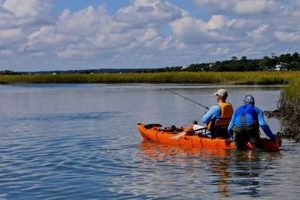
A central Florida organization provides opportunities for enthusiasts to connect through shared interest in paddling and angling. Such groups typically offer organized outings, educational resources, and a supportive community for members to improve their skills and experience the local waterways together.
Membership in such a group offers numerous advantages. It provides a platform for networking with fellow anglers, sharing tips and techniques, and discovering new fishing spots. Collective outings can enhance safety and provide learning opportunities, particularly for newcomers. Additionally, these organizations often contribute to conservation efforts and advocate for responsible use of natural resources.
This article will further explore the specific advantages of joining a local paddling and angling association in the Orlando area, including details about membership, activities, and community involvement.
Tips for Kayak Fishing in Orlando
Safe and successful kayak fishing requires preparation and adherence to best practices. The following tips offer guidance for anglers of all skill levels.
Tip 1: Check Weather Conditions: Prior to embarking on any fishing trip, consult reliable weather forecasts. Postpone outings in the event of inclement weather, such as strong winds, lightning, or heavy rain.
Tip 2: Plan Your Route: Familiarize yourself with the chosen waterway. Note potential hazards, launch points, and areas known for fish activity. Share this information with someone onshore.
Tip 3: Pack Essential Gear: Ensure necessary equipment is readily available. This includes safety gear (life jacket, whistle, first-aid kit), fishing tackle, appropriate clothing, and navigation tools.
Tip 4: Practice Kayak Control: Develop proficient paddling and maneuvering skills before venturing into open water. This allows for efficient navigation and safer handling in various conditions.
Tip 5: Respect Wildlife and the Environment: Practice catch-and-release whenever possible. Adhere to local fishing regulations and avoid disturbing natural habitats. Properly dispose of any trash.
Tip 6: Stay Hydrated and Sun-Protected: Bring ample water and apply sunscreen regularly, even on cloudy days. Wear appropriate clothing and headwear to minimize sun exposure.
Tip 7: Be Aware of Other Watercraft: Maintain visibility and adhere to navigational rules. Exercise caution around motorized boats and other water users.
By following these guidelines, anglers can enhance their safety, maximize their fishing experience, and contribute to the preservation of local waterways.
This information provides foundational knowledge for successful kayak fishing. Further exploration of specific techniques and local resources is encouraged.
1. Community

The concept of community is integral to the function and appeal of an Orlando kayak fishing club. It provides a framework for social interaction, shared learning, and collective action, enriching the overall experience for members.
- Shared Interest and Camaraderie
A shared passion for kayak fishing forms the foundation of the community. This common ground fosters camaraderie and provides a natural starting point for conversation and connection. Members find commonality in their enthusiasm for the sport, creating a sense of belonging and mutual understanding.
- Mentorship and Skill Development
Experienced anglers within the community often serve as mentors to newer members, sharing their knowledge and expertise. This informal mentorship accelerates skill development and fosters a culture of continuous learning. Members learn from each other’s successes and challenges, fostering improvement and a deeper understanding of local waterways and fishing techniques.
- Collective Action and Advocacy
A united voice amplifies impact. The community within a kayak fishing club can collectively advocate for responsible fishing practices, conservation efforts, and access to waterways. This collective action contributes to the preservation of natural resources and ensures the sustainability of the sport for future generations.
- Social Connections and Events
Beyond fishing, the community aspect extends to social gatherings and events. These activities strengthen bonds between members, fostering friendships and extending the sense of community beyond the water. Organized social events provide opportunities for members to connect on a personal level, further enriching the overall experience.
These facets of community contribute significantly to the overall value proposition of joining a kayak fishing club. The sense of belonging, shared learning, and collective action create a supportive and enriching environment for anglers of all skill levels, ultimately enhancing their enjoyment of the sport and their connection to the local waterways.
Shared interest forms the cornerstone of organizations like kayak fishing clubs in Orlando. It serves as the primary catalyst for member engagement, fostering a sense of community and driving participation in club activities. This shared passion for angling from human-powered watercraft creates a common ground, attracting individuals with similar interests and facilitating connections based on mutual enthusiasm. The convergence of individuals driven by this shared pursuit creates a dynamic environment conducive to learning, collaboration, and camaraderie. For instance, members might share tips on preferred lures for targeting specific species in local lakes, discuss optimal kayak configurations for stability and maneuverability, or exchange information about recently discovered fishing hotspots. This exchange of information and experiences enriches the individual angler’s knowledge base while simultaneously strengthening the collective expertise of the club.
The practical significance of shared interest extends beyond casual conversations. It fuels organized group outings, workshops, and conservation initiatives. Members’ shared passion translates into active participation in club events, fostering a vibrant and engaged community. For example, a shared concern for preserving local waterways might motivate members to participate in cleanup drives or advocate for responsible fishing practices. The strength of the club’s collective voice is directly proportional to the intensity of its members’ shared interest. This shared drive ensures the club’s long-term vitality and its ability to positively impact the local angling scene.
In summary, shared interest acts as the unifying force within a kayak fishing club, driving engagement and fostering a thriving community. This shared passion facilitates learning, encourages collaboration, and empowers collective action. Understanding the pivotal role of shared interest is crucial for appreciating the dynamics of such organizations and for harnessing their potential to enhance the angling experience for individual members while simultaneously contributing positively to the broader community.
3. Skill Development
Skill development represents a significant benefit of membership within an Orlando kayak fishing club. Such organizations provide structured opportunities for anglers to refine existing techniques and acquire new proficiencies, ultimately enhancing their on-the-water experience and success.
- Paddle Technique Refinement
Efficient paddling is fundamental to kayak fishing. Clubs often offer guidance on proper stroke mechanics, maneuvering techniques, and strategies for navigating various water conditions. Improved paddle control translates to increased efficiency, reduced fatigue, and enhanced boat control, enabling anglers to cover more water and access prime fishing locations. This might include practicing specific strokes for turning, maintaining stability in windy conditions, or navigating shallow water.
- Casting and Retrieval Mastery
Casting accuracy and retrieval techniques are crucial for successful angling. Clubs can provide instruction on specialized casting methods suitable for kayak fishing, such as sidearm or underhand casts, along with guidance on lure presentation and retrieval speed to maximize effectiveness. Members can practice these techniques in a controlled environment, receiving feedback and refining their skills to improve catch rates.
- Fish Species Knowledge Enhancement
Understanding local fish species, their behavior, and preferred habitats significantly improves angling success. Clubs often organize seminars or workshops focusing on local fish identification, habitat preferences, and effective bait and lure selection. This knowledge empowers anglers to target specific species strategically and adapt their techniques based on environmental factors, increasing their chances of a successful catch.
- Safety and Rescue Procedures
Safety on the water is paramount. Clubs frequently offer training in essential safety procedures, including self-rescue techniques, proper use of safety equipment, and navigation protocols. This emphasis on safety equips members with the knowledge and skills to handle emergencies effectively, mitigating potential risks and ensuring a safer angling experience.
These skill development opportunities contribute directly to individual angling prowess while simultaneously fostering a culture of continuous learning within the club. The collective expertise of members creates a valuable resource for shared knowledge and mutual support, strengthening the overall community and enhancing the enjoyment of kayak fishing for all participants.
4. Organized Outings

Organized outings constitute a core element of Orlando kayak fishing clubs, serving as a practical application of shared interest and a platform for skill development and community building. These excursions provide members with opportunities to explore diverse waterways, learn from experienced anglers, and forge stronger bonds within the group. For example, a club might organize a trip to the Butler Chain of Lakes, targeting largemouth bass, or explore the Mosquito Lagoon for redfish and seatrout. Such outings provide practical experience navigating different water bodies, applying learned techniques, and sharing insights on successful strategies.
The structured nature of organized outings enhances their educational value. Experienced members often share their knowledge of local hotspots, effective lure choices, and optimal fishing techniques, providing less experienced anglers with invaluable insights. These trips often incorporate elements of safety training, further reinforcing best practices and promoting responsible angling. Moreover, the shared experience of navigating challenges, celebrating successes, and simply enjoying the camaraderie of fellow anglers strengthens the sense of community within the club. A shared adventure, such as navigating a challenging stretch of river or landing a prized catch, creates lasting memories and reinforces the bonds between members.
The practical significance of organized outings extends beyond immediate skill development and social interaction. They contribute to the club’s overall vitality by fostering a sense of shared purpose and collective identity. Regular outings attract new members, retain existing ones, and provide a tangible demonstration of the club’s value proposition. Furthermore, these excursions can serve as a platform for conservation efforts, such as organized cleanup events or advocacy initiatives aimed at protecting local waterways. By participating in these activities, members contribute to the long-term health of the ecosystem and the sustainability of the sport. Ultimately, organized outings play a crucial role in the success and longevity of kayak fishing clubs, offering tangible benefits to individual members and contributing to the broader angling community.
5. Resource Sharing

Resource sharing constitutes a significant advantage of membership within an Orlando kayak fishing club. Pooling knowledge, equipment, and logistical support enhances individual angling experiences and fosters a collaborative environment within the club. This collaborative spirit strengthens the community and contributes to the overall success of members.
- Fishing Spot Information Exchange
Local knowledge is invaluable in angling. Members routinely share information regarding productive fishing locations, including GPS coordinates, optimal times to fish, and effective techniques for specific spots. This exchange of information minimizes wasted time searching for fish and maximizes opportunities for successful catches. For example, experienced members might share insights on productive oyster beds in the Mosquito Lagoon or hidden coves in the Butler Chain of Lakes.
- Tackle and Equipment Recommendations
Kayak fishing often requires specialized tackle and equipment. Members frequently share recommendations on rods, reels, lures, and other gear suitable for specific target species and local conditions. This peer-to-peer advice allows anglers to optimize their gear selection, improving their chances of success and avoiding unnecessary expenditures on ineffective equipment. This could include advice on specific kayak modifications for stability or recommendations for fishing electronics suited to local waters.
- Transportation and Logistics Coordination
Transporting kayaks and accessing launch sites can be logistically challenging. Clubs often facilitate carpooling and coordinate launch site access, streamlining the process and reducing individual burdens. This collaborative approach simplifies logistics, reduces costs, and allows members to focus on the fishing experience. This could involve coordinating transportation to distant launch sites or sharing information about parking availability and access fees.
- Group Purchasing and Discounts
Leveraging collective buying power, clubs can negotiate discounts on fishing gear, kayak accessories, and related services. This benefit provides cost savings for individual members and further strengthens the sense of community through collective action. This could include discounts on fishing kayaks, paddles, or fishing tackle from local retailers.
These facets of resource sharing demonstrate the practical advantages of club membership. The collaborative environment fostered by the exchange of information, equipment, and logistical support enhances individual angling experiences and strengthens the overall community within the Orlando kayak fishing club. This shared resource pool amplifies the collective knowledge and capabilities of the group, contributing to greater success and enjoyment for all members.
6. Conservation Efforts

Conservation efforts represent a crucial component of responsible angling organizations, such as kayak fishing clubs in Orlando. These clubs recognize the importance of preserving the natural ecosystems that support their sport and actively engage in initiatives to protect local waterways. A direct link exists between the health of these ecosystems and the long-term viability of kayak fishing. Degradation of water quality, loss of habitat, and declining fish populations directly impact the angling experience. Therefore, conservation efforts are not merely an altruistic pursuit but a pragmatic necessity for ensuring the sustainability of the sport.
Practical examples of conservation initiatives undertaken by kayak fishing clubs include organizing and participating in waterway cleanup events, advocating for responsible fishing regulations, and promoting catch-and-release practices. Cleanup events directly address the issue of pollution by removing debris and trash from waterways. Advocacy for responsible fishing regulations, such as size and bag limits, helps maintain healthy fish populations. Promoting catch-and-release minimizes the impact of angling on fish stocks, particularly for sensitive species. These actions demonstrate a proactive approach to conservation, recognizing that the long-term enjoyment of kayak fishing depends on the health and vitality of the aquatic environment.
Understanding the connection between conservation efforts and the sustainability of kayak fishing is paramount for ensuring the future of the sport. Clubs serve as focal points for education and advocacy, raising awareness among members and the wider community about the importance of environmental stewardship. This proactive engagement ensures that future generations can continue to enjoy the recreational and ecological benefits of kayak fishing in Orlando’s diverse waterways. Challenges such as increasing development pressures and the impact of invasive species require ongoing vigilance and concerted conservation efforts. The continued success of kayak fishing clubs hinges on their ability to integrate conservation principles into their core mission and actively participate in safeguarding the natural resources upon which their sport depends.
7. Local Expertise

Local expertise forms an invaluable asset within organizations like Orlando kayak fishing clubs. This specialized knowledge base, cultivated through direct experience on local waterways, significantly enhances the angling success and overall experience of club members. Access to this localized knowledge base offers distinct advantages over generalized fishing information. Understanding nuances like seasonal fish behavior patterns, specific lure preferences of local species, optimal fishing locations within a given water body, and the influence of weather patterns on fishing conditions significantly increases the likelihood of successful outings. For example, an experienced local angler might understand the specific migratory patterns of redfish within the Mosquito Lagoon or know the precise locations of submerged structures in the Butler Chain of Lakes that attract largemouth bass.
Practical applications of local expertise manifest in various ways within the club environment. Experienced members often share their insights during organized outings, guiding less experienced anglers to productive fishing spots, recommending effective tackle and techniques, and providing real-time feedback on fishing strategies. This mentorship accelerates skill development and fosters a collaborative learning environment within the club. Furthermore, local expertise plays a crucial role in conservation efforts. Experienced anglers possess a deep understanding of the local ecosystem, enabling them to identify potential threats, advocate for effective conservation measures, and educate fellow members on responsible angling practices. This might involve sharing observations about the impact of invasive species or advocating for the preservation of critical fish habitats.
The integration of local expertise into the club’s activities strengthens its overall value proposition and contributes to its long-term sustainability. This specialized knowledge base differentiates the club from generic online resources, attracting members seeking a deeper understanding of local angling opportunities and fostering a stronger sense of community. Cultivating and sharing local expertise is essential for preserving the club’s identity, ensuring its continued relevance, and maximizing the enjoyment of kayak fishing for all members. Challenges such as changing environmental conditions and the introduction of new fishing regulations necessitate continuous adaptation and knowledge sharing. The ability of the club to effectively leverage local expertise will directly influence its ability to navigate these challenges and ensure the long-term health and vitality of the local angling community.
Frequently Asked Questions
This section addresses common inquiries regarding engagement with a local kayak fishing organization.
Question 1: What are the typical membership requirements?
Requirements vary between organizations but typically involve a nominal annual fee and adherence to a code of conduct emphasizing safety and responsible angling practices. Some clubs may also require participation in a brief orientation or safety training session.
Question 2: What experience level is required to join?
Most clubs welcome anglers of all skill levels, from beginners to seasoned professionals. Opportunities exist for both novice and experienced anglers to learn and contribute to the community.
Question 3: What type of equipment is needed?
While specific equipment needs vary depending on targeted species and fishing locations, essential items typically include a fishing kayak, paddle, personal flotation device, appropriate fishing tackle, and basic safety gear.
Question 4: Are there opportunities for organized group outings?
Most clubs organize regular group outings to various local waterways. These outings provide opportunities for skill development, resource sharing, and social interaction among members.
Question 5: How do these organizations contribute to conservation?
Many clubs actively participate in conservation initiatives, such as waterway cleanups, advocacy for responsible fishing regulations, and promotion of catch-and-release practices.
Question 6: What are the primary benefits of joining such an organization?
Key benefits include access to a community of like-minded individuals, skill development through shared expertise, enhanced fishing opportunities through organized outings and resource sharing, and participation in local conservation efforts.
Understanding these key aspects provides a foundation for informed decision-making regarding club membership.
Further exploration of specific club offerings is encouraged to determine individual suitability and alignment with personal angling goals.
Orlando Kayak Fishing Club
Exploration of the Orlando kayak fishing club concept reveals significant benefits for angling enthusiasts. Advantages include enhanced skill development through shared expertise, expanded fishing opportunities via organized outings and resource sharing, and active participation in local conservation initiatives. The social element fosters a sense of community among like-minded individuals, enriching the overall angling experience.
The potential for positive impact extends beyond individual members. Collective efforts in conservation contribute to the long-term health of local waterways and the sustainability of the sport. Engagement with such organizations strengthens the angling community, fostering responsible practices and ensuring future generations can enjoy the unique experience of kayak fishing in Central Florida. Consideration of these factors underscores the value and potential impact of participating in local angling communities.