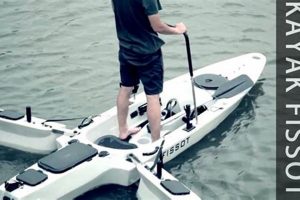
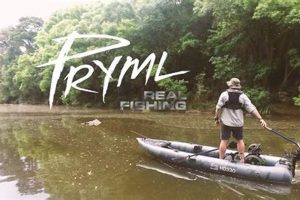
The pursuit of finned quarry from small, human-powered vessels in the waterways of the Beaver State offers a unique blend of outdoor recreation and angling. This activity provides access to otherwise difficult-to-reach fishing grounds, from secluded estuaries and alpine lakes to vast stretches of the Pacific coastline. Imagine silently gliding across a glassy lake at dawn, casting a line for trout as the sun crests the Cascade Mountains, or navigating the tidal currents of a coastal bay in search of rockfish and lingcod. These are but a few examples of the diverse experiences available.
This type of angling offers significant advantages for anglers. The low profile of these small craft allows for stealthy approaches to fish, increasing the likelihood of a successful catch. Their maneuverability provides access to shallow water, tight corners, and areas inaccessible to larger motorized boats, opening up a wealth of fishing opportunities. Furthermore, the low environmental impact aligns with conservation principles, contributing to the preservation of Oregon’s pristine waterways for future generations. Historically, indigenous peoples of the region utilized similar vessels for fishing and transportation, highlighting the longstanding connection between humans and the water in this area.
This overview serves as an introduction to a broader discussion encompassing various facets of this popular activity. Topics to be explored include suitable locations, recommended equipment, necessary safety precautions, and relevant regulations. Further information will also cover the diverse species targeted by anglers and the techniques employed to catch them.
Tips for Kayak Fishing in Oregon
Successful kayak angling in Oregon requires careful planning and preparation. The following tips offer guidance for a safe and productive experience.
Tip 1: Check Weather Conditions: Prior to embarking on any fishing trip, consult marine forecasts and local weather reports. Sudden changes in wind speed and direction can create hazardous conditions on the water, especially for small vessels. Postponing a trip due to unfavorable weather prioritizes safety.
Tip 2: Dress Appropriately: Oregon’s climate can be unpredictable. Dressing in layers allows for adaptability to changing conditions. Waterproof and windproof outerwear is essential. Consider wearing bright colors for increased visibility to other boaters.
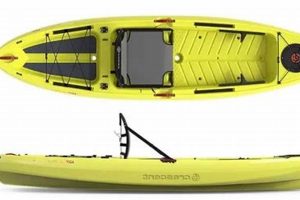
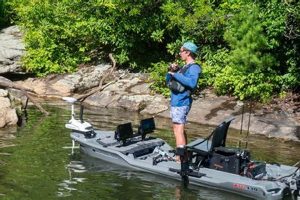
Tip 3: Choose the Right Kayak: Kayaks designed specifically for fishing offer features such as rod holders, storage compartments, and increased stability. Consider the intended fishing location (river, lake, ocean) when selecting a kayak.
Tip 4: Prioritize Safety Equipment: Always wear a personal flotation device (PFD). Carry a whistle, signaling mirror, and a waterproof communication device. Inform someone of your planned fishing location and expected return time.
Tip 5: Understand Local Regulations: Obtain the necessary fishing licenses and familiarize oneself with all applicable regulations, including size and catch limits. Respect closures and protected areas.
Tip 6: Practice Basic Kayak Handling: Develop proficiency in paddling and maneuvering a kayak before venturing into open water. Consider taking a kayaking safety course.
Tip 7: Pack Essential Gear: Carry essential fishing gear, including rods, reels, tackle, and bait appropriate for the target species. Additional items such as a first-aid kit, sunscreen, and a knife are also recommended.
Tip 8: Respect Wildlife and the Environment: Practice Leave No Trace principles. Pack out all trash and avoid disturbing wildlife or sensitive habitats.
Adhering to these guidelines contributes significantly to both safety and enjoyment. Preparation enables anglers to focus on the experience and appreciate the natural beauty of Oregon’s waterways.
The following section will provide detailed information on prime fishing locations throughout the state.
1. Safety

Safety is paramount in Oregon kayak fishing due to the inherent risks associated with navigating often cold and dynamic waters. Cold water shock can occur quickly, even in mild temperatures, leading to involuntary gasping and potential drowning. Strong currents, tides, and changing weather patterns present further challenges, requiring vigilance and preparedness. For example, an unexpected squall on a large lake can quickly create dangerous waves and capsize a kayak. Understanding these risks and taking appropriate precautions is essential for a safe and enjoyable experience.
Several factors contribute to safe kayak fishing practices. Wearing a properly fitted personal flotation device (PFD) is crucial, providing buoyancy and increasing the chances of survival in the event of capsizing. Carrying essential safety equipment, such as a whistle, signaling mirror, and a waterproof communication device, can prove invaluable in emergencies. Checking weather forecasts before embarking on a trip and being aware of potential hazards, like submerged logs or changing tides, further mitigates risks. Knowledge of self-rescue techniques, such as re-entering a kayak after capsizing, is also highly recommended. These proactive measures minimize potential dangers and promote a safe environment for all participants.
Neglecting safety protocols can lead to serious consequences, including injury, loss of equipment, and even fatalities. Prioritizing safety not only safeguards individual well-being but also contributes to a more responsible and sustainable approach to enjoying Oregon’s waterways. A thorough understanding of potential risks and the consistent application of safety measures are essential for all kayak anglers, regardless of experience level. This proactive approach ensures a positive and safe experience, allowing individuals to fully appreciate the beauty and bounty of Oregon’s aquatic environments.
2. Equipment

Specialized equipment plays a crucial role in successful and safe kayak fishing in Oregon. The selection and proper use of equipment directly influence an angler’s ability to target specific species, navigate diverse water conditions, and ensure personal safety. Choosing appropriate gear hinges on factors such as the targeted species, the fishing environment (river, lake, or ocean), and the prevailing weather conditions. For instance, fishing for salmon in the Columbia River requires heavier tackle and a more robust kayak compared to pursuing trout in a calm alpine lake. Similarly, ocean kayaking necessitates specialized safety equipment and a seaworthy vessel designed to handle challenging conditions. The interplay between these factors underscores the importance of informed equipment choices.
Essential equipment categories include the kayak itself, paddles, personal flotation devices (PFDs), fishing rods and reels, tackle, and safety gear. Kayaks designed specifically for fishing offer features like rod holders, storage compartments, and enhanced stability. Paddle choice impacts maneuverability and efficiency. A properly fitted PFD is non-negotiable, providing essential buoyancy in case of capsizing. Rods, reels, and tackle should be selected based on target species and fishing techniques. Safety gear, including a whistle, signaling mirror, and a waterproof communication device, are crucial for emergency situations. Furthermore, specialized equipment like fish finders, GPS units, and anchors can enhance the fishing experience. Understanding the function and appropriate use of each piece of equipment contributes significantly to both safety and effectiveness on the water.
Careful consideration of equipment needs and proper maintenance are vital for successful kayak angling. Investing in high-quality gear designed for the specific demands of Oregon’s diverse waterways ensures durability, reliability, and optimal performance. Regular maintenance, including cleaning and inspection of kayaks, paddles, and fishing gear, prolongs equipment lifespan and prevents failures in critical moments. A comprehensive understanding of equipment selection, use, and maintenance empowers anglers to safely and effectively enjoy the rewarding experience of kayak fishing in Oregon.
3. Locations
Location selection significantly influences the success and overall experience of kayak fishing in Oregon. The state’s diverse geography offers a vast array of fishing environments, each with unique characteristics and opportunities. Coastal estuaries, characterized by brackish water and tidal influences, provide habitat for species like salmon, steelhead, and flounder. Inland lakes, ranging from small alpine waters to large reservoirs, offer diverse fisheries for trout, bass, and other warm-water species. Rivers, such as the Columbia, Willamette, and Rogue, present opportunities for salmon, steelhead, and sturgeon. The specific location chosen dictates the target species, required equipment, and necessary safety precautions. For example, ocean kayaking requires a seaworthy vessel and specialized safety gear, while fishing in a small lake may necessitate a smaller, more maneuverable kayak.
Matching location choice to target species and angler experience enhances fishing success. Experienced anglers seeking challenging conditions might target tuna off the Oregon coast, requiring specialized kayaks and advanced navigational skills. Novice anglers, however, might prefer the calmer waters of an inland lake, pursuing trout or bass. Accessibility also plays a role in location selection. Some locations require longer drives and more complex logistics, while others offer easy access from major population centers. Considering factors like water conditions, species availability, accessibility, and personal experience level optimizes location choice for a rewarding experience. Researching specific locations, including access points, regulations, and potential hazards, further contributes to a safe and productive outing. Resources like online fishing forums, local tackle shops, and Oregon Department of Fish and Wildlife publications provide valuable information for informed decision-making.
Strategic location selection, based on thorough research and consideration of individual needs and experience levels, maximizes the opportunities presented by Oregon’s diverse waterways. Understanding the specific characteristics of different locations and their associated challenges and rewards is essential for a successful and enjoyable kayak fishing experience. This understanding empowers anglers to connect with the natural environment, pursue their target species effectively, and appreciate the unique angling opportunities available throughout the state. Furthermore, respecting local regulations and practicing Leave No Trace principles ensures the preservation of these valuable resources for future generations.
4. Regulations
Adherence to established regulations is essential for the responsible and sustainable practice of kayak fishing in Oregon. These regulations, enforced by the Oregon Department of Fish and Wildlife (ODFW), serve to protect fish populations, maintain healthy ecosystems, and ensure equitable access to resources for all anglers. Understanding and complying with these rules is not merely a legal obligation but a critical component of ethical angling and resource stewardship. Ignoring regulations can lead to fines, suspension of fishing privileges, and damage to the environment.
- Licensing Requirements
All anglers, regardless of age or residency, must possess a valid Oregon fishing license before engaging in kayak fishing. Different license types exist, catering to specific needs and durations (e.g., annual, daily, resident, non-resident). Specific licenses or tags may be required for certain species, such as salmon or steelhead. Acquiring the correct license ensures legal compliance and supports ODFW’s conservation efforts. Licenses can be purchased online, at licensed vendors, or through ODFW offices.
- Catch Limits and Size Restrictions
Regulations dictate catch limits (the number of fish an angler can retain) and size restrictions (minimum or maximum lengths of harvestable fish) for various species. These restrictions vary by location, season, and species. For example, limits on trout may differ between high mountain lakes and coastal rivers. Adhering to these limits prevents overfishing and helps maintain healthy fish populations. Anglers must familiarize themselves with the specific regulations applicable to their chosen fishing location and target species.
- Gear Restrictions
Regulations may stipulate permitted fishing gear and methods. Certain areas may prohibit the use of barbed hooks, specific types of bait, or certain fishing techniques. For example, some rivers may restrict the use of bait during specific salmon runs. These regulations aim to minimize environmental impact and ensure fair fishing practices. Understanding and adhering to gear restrictions contributes to responsible angling and resource conservation.
- Closed Areas and Seasons
Specific areas may be closed to fishing during certain periods to protect vulnerable fish populations during spawning or other sensitive life stages. Similarly, specific seasons may be closed for particular species. Respecting closures is critical for maintaining healthy fish populations and preserving sensitive habitats. Information on closures is available through the ODFW website, regulations publications, and local tackle shops.
By understanding and adhering to these regulations, kayak anglers contribute to the long-term health and sustainability of Oregon’s fisheries. Compliance ensures the preservation of these valuable resources for future generations and fosters a culture of responsible angling. Furthermore, respecting these rules promotes ethical fishing practices and ensures fair access for all who enjoy this popular recreational activity.
5. Species
The diverse array of fish species inhabiting Oregon’s waterways forms an integral component of the kayak fishing experience. Target species selection influences location choices, equipment needs, and angling techniques. Understanding the characteristics, habitats, and behaviors of these species is crucial for successful kayak angling. This knowledge allows anglers to choose appropriate tackle, employ effective fishing methods, and maximize their chances of a successful catch while minimizing environmental impact.
- Salmon and Steelhead
These anadromous fish, migrating between freshwater and saltwater environments, represent iconic targets for Oregon kayak anglers. Chinook, coho, sockeye, and pink salmon, along with steelhead trout, offer challenging and rewarding fishing opportunities. Coastal rivers, estuaries, and the Pacific Ocean itself provide prime habitats for these species. Kayak anglers often employ trolling, drift fishing, or casting techniques to pursue salmon and steelhead. Understanding their migratory patterns and preferred feeding habits enhances angling success.
- Trout
Oregon’s lakes and rivers teem with various trout species, including rainbow, cutthroat, brook, and brown trout. These fish thrive in colder, well-oxygenated waters. Kayak anglers often target trout in high-mountain lakes, pristine streams, and larger reservoirs. Popular techniques include fly fishing, spin casting, and trolling. Knowledge of trout behavior, preferred habitats, and seasonal feeding patterns enhances catch rates.
- Warm-Water Species
Bass, crappie, bluegill, and catfish represent popular warm-water targets for kayak anglers. These species inhabit slower-moving rivers, lakes, and reservoirs throughout Oregon. Kayak fishing provides excellent access to shallow-water habitats favored by these fish. Techniques such as casting lures, using live bait, and still fishing prove effective. Understanding the preferred habitats and feeding behaviors of warm-water species maximizes angling success.
- Bottom Fish
Oregon’s coastal waters offer opportunities to target bottom-dwelling species like lingcod, rockfish, and halibut. Kayak anglers venturing into the ocean employ techniques like bottom fishing with heavy tackle and specialized rigs. Knowledge of preferred depths, bottom structures, and bait preferences is essential for successful bottom fishing from a kayak. Safety considerations, including weather conditions and navigational skills, are paramount when targeting these species in the ocean environment.
Targeting specific species adds depth and complexity to the Oregon kayak fishing experience. Understanding the nuances of each species’ behavior, habitat preferences, and seasonal patterns enhances angling success and contributes to a more rewarding experience. Furthermore, responsible fishing practices, including adherence to catch limits and size restrictions, ensure the sustainability of these valuable resources for future generations. By combining species knowledge with appropriate kayak fishing techniques and a respect for the environment, anglers can fully appreciate the diverse angling opportunities offered by Oregon’s rich aquatic ecosystems.
6. Techniques
Effective kayak fishing techniques in Oregon leverage the unique advantages and address the inherent challenges of this specialized angling approach. Techniques must be adapted to the specific environment (river, lake, ocean), target species, and prevailing conditions. The low profile and maneuverability of kayaks allow for stealthy approaches, enabling anglers to access shallow water, tight corners, and areas inaccessible to larger boats. However, the limited space and stability of a kayak require specialized techniques for casting, playing fish, and landing catches safely. For instance, casting from a seated position requires modified casting motions and a focus on accuracy to avoid tangling lines or losing balance.
Several key techniques contribute to successful kayak angling in Oregon. Trolling involves dragging lures or bait behind a moving kayak, covering a wider area and attracting pelagic species like salmon and trout. Drift fishing allows natural or artificial bait to drift with the current, effectively targeting species holding in specific areas of rivers or streams. Casting, using spinning or fly fishing gear, presents lures or flies to target fish in specific locations, requiring precise casting techniques and an understanding of fish behavior. Still fishing, often employed for bottom-dwelling species, involves anchoring or positioning the kayak and presenting bait on the bottom. Each technique requires specialized equipment and adaptations to the kayak fishing environment. For example, trolling from a kayak necessitates rod holders and specialized trolling gear, while still fishing requires an anchor or positioning system to maintain the kayak’s location. Furthermore, anglers must consider the impact of wind and current on kayak positioning and adjust techniques accordingly.
Mastery of these techniques, combined with an understanding of fish behavior and habitat preferences, significantly enhances angling success from a kayak. Adaptability is crucial, as conditions can change rapidly, requiring anglers to adjust their techniques accordingly. Practicing proper kayak handling and safety procedures remains paramount, ensuring a safe and productive experience. The effective application of kayak fishing techniques allows anglers to fully exploit the unique advantages of this specialized approach, maximizing their opportunities to connect with Oregon’s diverse aquatic ecosystems and the species that inhabit them.
Frequently Asked Questions about Kayak Fishing in Oregon
This section addresses common inquiries regarding kayak fishing in Oregon, providing concise and informative responses to assist both novice and experienced anglers.
Question 1: What are the essential safety precautions for kayak fishing in Oregon?
Prioritizing safety is paramount. Always wear a personal flotation device (PFD). Carry a whistle, signaling mirror, and waterproof communication device. Check weather forecasts before embarking and inform someone of the planned fishing location and expected return time. Understanding self-rescue techniques and possessing cold-water safety knowledge is crucial.
Question 2: What type of kayak is best suited for fishing in Oregon?
Kayak selection depends on the intended fishing location (river, lake, ocean) and target species. Fishing-specific kayaks offer features such as rod holders, storage compartments, and enhanced stability. Sit-on-top kayaks are generally preferred for their stability and self-bailing capabilities, while sit-inside kayaks offer better protection from the elements. Consider the specific demands of the chosen fishing environment when selecting a kayak.
Question 3: Where are the best locations for kayak fishing in Oregon?
Oregon offers diverse fishing locations. Coastal estuaries provide opportunities for salmon, steelhead, and flounder. Inland lakes offer trout, bass, and other warm-water species. Rivers such as the Columbia, Willamette, and Rogue offer opportunities for salmon, steelhead, and sturgeon. Researching specific locations and considering accessibility, target species, and water conditions is essential for a productive trip.
Question 4: What fishing regulations should kayak anglers be aware of in Oregon?
Anglers must possess a valid Oregon fishing license and adhere to catch limits, size restrictions, and gear regulations. Specific regulations vary by location, season, and species. Consult the Oregon Department of Fish and Wildlife (ODFW) website or regulations publications for detailed information.
Question 5: What are the recommended fishing techniques for kayak angling in Oregon?
Effective techniques include trolling, drift fishing, casting, and still fishing. Technique selection depends on the target species, fishing environment, and prevailing conditions. Adaptability is key, as conditions can change rapidly. Mastering fundamental kayak handling skills enhances safety and fishing effectiveness.
Question 6: What essential equipment is needed for kayak fishing in Oregon?
Essential equipment includes a fishing-specific kayak, paddle, PFD, appropriate fishing rods and reels, tackle, and safety gear (whistle, signaling mirror, communication device). Additional equipment, such as a fish finder, GPS unit, and anchor, can enhance the fishing experience.
Careful consideration of these frequently asked questions enhances preparedness, contributes to a safer and more productive fishing experience, and fosters a deeper appreciation for Oregon’s diverse aquatic ecosystems.
For further exploration, the following section delves into advanced kayak fishing techniques specific to Oregon’s unique waterways.
Conclusion
This exploration of kayak angling within Oregon’s waterways has highlighted the multifaceted nature of this pursuit. From the crucial aspects of safety and equipment selection to the diverse array of fishing locations, species, and techniques, the information presented underscores the importance of informed preparation and responsible angling practices. Adherence to regulations ensures the sustainability of these valuable resources, preserving them for future generations. The potential rewards extend beyond the mere act of catching fish, encompassing the profound connection with nature and the unique challenges presented by this specialized angling approach.
The future of kayak fishing in Oregon relies on a continued commitment to conservation, ethical practices, and a deep respect for the intricate balance of these aquatic ecosystems. Anglers bear a responsibility to minimize their impact, advocate for responsible resource management, and promote the sustainable enjoyment of these remarkable natural treasures. Through informed participation and unwavering stewardship, the rewarding experience of kayak angling in Oregon can continue to thrive, offering both challenge and serenity amidst the state’s stunning natural beauty.