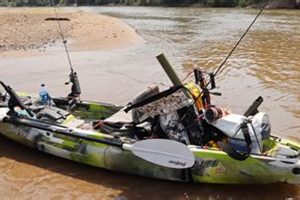
Competitive angling from human-powered vessels has evolved with technology. Digital platforms now host competitions where participants submit photographic evidence of their catches, often measured against a standardized ruler provided by the tournament organizers. These competitions typically involve specific species, date ranges, and bodies of water, with detailed rules and regulations to ensure fair play and accurate reporting. For example, anglers might be required to submit photos of their catch alongside a unique identifier and timestamp.
These virtual competitions offer accessibility to a wider range of participants, eliminating geographical barriers and reducing the logistical complexities of traditional tournaments. This format allows anglers to fish on their own schedules within designated timeframes, promoting flexibility and independence. Furthermore, the digital nature of these events provides opportunities for enhanced community building through online forums and social media interaction, fostering camaraderie among anglers across dispersed locations. Historically, fishing tournaments have been localized events, but this digital evolution broadens the scope and reach of competitive angling.
This article will further explore the nuances of these competitions, covering topics such as rules and regulations, popular target species, strategies for success, the impact of technology, and the growing community surrounding this innovative approach to competitive fishing.
Tips for Competitive Kayak Angling
Success in virtual fishing competitions requires careful planning and execution. The following tips offer guidance for maximizing competitive potential within the digital tournament landscape.
Tip 1: Master the Rules. Thoroughly review all tournament regulations, including eligible species, size limits, permitted fishing locations, required photographic evidence, and submission deadlines. Disqualification can result from even minor infractions.
Tip 2: Invest in Quality Photography Equipment. Clear, well-lit photographs are crucial for accurate measurement and verification of catches. A waterproof camera with macro capabilities and a reliable lighting source are essential.
Tip 3: Pre-Tournament Scouting is Key. Familiarize oneself with the designated fishing areas prior to the competition. Identify potential hotspots, optimal fishing times, and prevalent species. This preparation can significantly improve results.
Tip 4: Prioritize Accurate Measurements. Ensure the provided measuring device is clearly visible in all submitted photographs. Incorrect measurements can lead to disqualification or penalties. Practice taking accurate photos before the competition begins.
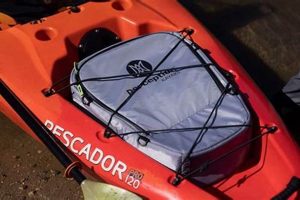
Tip 5: Optimize Kayak Setup. A well-organized kayak with readily accessible tackle, measuring tools, and camera equipment contributes to efficient fishing and streamlined photo documentation. Consider incorporating specialized kayak fishing accessories.
Tip 6: Respect Fellow Anglers and the Environment. Adhere to ethical fishing practices and leave no trace behind. Responsible angling ensures the sustainability of the sport and preserves the natural environment for future generations.
Tip 7: Stay Updated on Weather Conditions. Monitor weather forecasts closely and adjust fishing strategies accordingly. Safety should always be the top priority. Adverse weather can impact fishing conditions and create hazardous situations.
By following these guidelines, anglers can increase their chances of success while upholding the integrity and sportsmanship of these evolving competitions. Careful preparation and attention to detail are essential for navigating the unique challenges and opportunities presented by this digital format.
This article concludes with a look at the future of online kayak fishing tournaments and their potential impact on the broader angling community.
1. Digital Platform

Digital platforms are fundamental to the existence and operation of online kayak fishing tournaments. They serve as the central hub for all tournament-related activities, connecting anglers, organizers, and sponsors within a virtual environment. Understanding the various facets of these platforms provides insight into the structure, functionality, and overall experience of online fishing competitions.
- Tournament Hosting and Administration
Platforms provide the infrastructure for hosting tournaments, managing registration, disseminating rules and regulations, and tracking participant progress. Features such as automated leaderboards, communication tools, and prize management streamline administrative tasks, enabling organizers to efficiently manage competitions with potentially large numbers of participants across dispersed geographical locations. TourneyX, for example, offers a comprehensive suite of tools designed specifically for managing fishing tournaments.
- Catch Submission and Verification
Digital platforms facilitate the secure submission of photographic evidence, a cornerstone of online tournaments. These platforms often incorporate features such as timestamping, geotagging, and image verification protocols to ensure the authenticity and validity of submitted catches. This digital process replaces the traditional weigh-in process, allowing anglers to fish independently and submit their catches remotely.
- Communication and Community Building
Integrated communication tools, such as forums, chat functions, and social media integration, foster a sense of community among participants. These platforms provide a space for anglers to share tips, discuss strategies, and celebrate successes, creating a virtual social environment that complements the solitary nature of kayak fishing. This online interaction expands the social dimension of fishing tournaments beyond local communities.
- Data Analytics and Performance Tracking
Many platforms offer data analytics capabilities, providing participants with insights into their performance and allowing organizers to track tournament statistics. These data-driven features can enhance the competitive aspect of the tournaments and offer valuable feedback for individual anglers seeking to improve their skills. Aggregated data can also provide insights into broader fishing trends and contribute to scientific research.
The functionality of these digital platforms shapes the overall experience of online kayak fishing tournaments, impacting everything from registration and catch submission to community interaction and performance analysis. As technology continues to evolve, these platforms will likely play an increasingly significant role in the future of competitive angling, expanding access, enhancing engagement, and transforming the traditional tournament landscape.
2. Photographic Evidence

Photographic evidence forms the cornerstone of online kayak fishing tournaments, replacing traditional weigh-ins with digital documentation. This shift necessitates a clear understanding of the role and importance of photographic evidence in ensuring fair competition and accurate recording of catches. The validity of results rests entirely on the submitted photographs, making image quality, adherence to specific guidelines, and ethical practices paramount. For instance, tournaments often require anglers to photograph their catch alongside a tournament-issued identifier and a standardized measuring device, ensuring accurate species identification and length measurement. Without clear, verifiable photographic evidence, judging catches and determining winners becomes impossible.
Several factors influence the efficacy of photographic evidence. Image clarity is crucial for accurate species identification and measurement. Sufficient lighting, proper camera angles, and a clean background are essential for minimizing ambiguity. Furthermore, adherence to tournament-specific rules regarding photo composition, required elements, and submission procedures is vital. For example, some tournaments may require specific angles or close-ups of distinguishing features to confirm species identification. Failure to comply with these rules can lead to disqualification, highlighting the practical significance of understanding and adhering to photographic guidelines.
The reliance on photographic evidence presents both opportunities and challenges. It allows for geographically dispersed anglers to participate, broadening the reach of competitive fishing. However, it also introduces potential issues such as image manipulation or misrepresentation. Tournament organizers often implement strategies to mitigate these risks, such as requiring timestamps, geotagging, or even video submissions. The ongoing development of verification technologies and standardized procedures underscores the importance of photographic evidence in maintaining the integrity and fairness of online kayak fishing tournaments. Ultimately, the successful implementation of this digital format hinges on the responsible and ethical use of photographic documentation by all participants.
3. Species Specificity
Species specificity plays a crucial role in structuring and regulating online kayak fishing tournaments. Targeting specific species often defines the scope of a tournament, influencing participant selection, location choices, and ultimately, the competitive landscape. This focus allows for tailored rules and scoring systems, promoting fair competition and conservation efforts. For example, a tournament targeting largemouth bass might implement minimum size limits to protect younger fish, while a redfish tournament could specify catch-and-release protocols to maintain healthy populations. Understanding the target species is essential for participants to select appropriate gear, refine fishing techniques, and maximize their chances of success.
The choice of target species often dictates the geographical location of these tournaments. Certain species thrive in specific habitats, influencing the selection of eligible fishing areas. A tournament focused on speckled trout might be held in estuarine environments, while a competition targeting walleye could take place in a freshwater lake or river system. This interplay between species and location adds complexity to the strategic planning required for competitive anglers. Furthermore, species-specific regulations, such as catch limits or seasonal closures, are integral to tournament rules, ensuring compliance with conservation guidelines and promoting sustainable fishing practices. A tournament targeting a vulnerable species might impose stricter limits than one focused on a more abundant population.
In summary, species specificity serves as a defining characteristic of online kayak fishing tournaments, impacting everything from location selection and tournament rules to participant preparation and conservation efforts. Recognizing the importance of this aspect provides valuable insights into the strategic complexities of these competitions and emphasizes the interconnectedness between competitive angling and environmental stewardship. The careful selection and management of target species contribute significantly to the long-term sustainability and success of online kayak fishing tournaments.
4. Tournament Rules

Tournament rules are the backbone of online kayak fishing tournaments, providing a structured framework that ensures fair play, promotes ethical angling practices, and maintains the integrity of the competition. These rules govern all aspects of the tournament, from eligible species and fishing locations to catch documentation and submission procedures. A clear understanding of these regulations is crucial for all participants, as adherence to the rules directly impacts the validity of catches and determines the final tournament standings. For example, a rule specifying the required photographic angle for measuring fish ensures consistent and accurate measurements across all submissions, preventing disputes and maintaining a level playing field. Without well-defined rules, the objectivity of the competition would be compromised, potentially leading to disputes and undermining the credibility of the tournament.
The specific rules of an online kayak fishing tournament are often tailored to the target species, the chosen fishing locations, and the overall goals of the competition. For instance, a tournament focused on conservation might implement strict catch-and-release protocols, requiring photographic evidence of the release process to ensure adherence. Similarly, tournaments targeting specific species might enforce minimum size limits to protect younger fish and promote sustainable populations. In addition to species-specific regulations, rules regarding permitted fishing gear, eligible fishing areas, and acceptable bait or lures are common. These rules not only ensure fair competition but also contribute to responsible resource management and ethical angling practices. The practical application of these rules requires participants to familiarize themselves with all regulations before the tournament begins, ensuring compliance and upholding the integrity of the competition.
In summary, tournament rules are indispensable for the successful execution of online kayak fishing tournaments. They provide the framework for fair and ethical competition, ensure accurate catch documentation, and promote responsible angling practices. By understanding and adhering to these rules, participants contribute to the overall integrity and sustainability of these digital angling competitions. The ongoing development and refinement of tournament rules reflect the evolving nature of online kayak fishing tournaments and underscore the importance of a structured approach to maintaining a fair and enjoyable competitive experience for all involved.
5. Community Engagement

Community engagement forms a vital component of online kayak fishing tournaments, fostering camaraderie and shared experiences among geographically dispersed anglers. These digital platforms offer unique opportunities for interaction and connection, extending beyond the competitive aspects of the tournaments. Online forums, social media groups, and integrated chat functions within tournament platforms facilitate communication, enabling participants to share tips, discuss strategies, and celebrate successes. This virtual community building strengthens the social fabric of the sport, connecting anglers who might not otherwise have the opportunity to interact. For instance, a novice angler in Florida could exchange advice with a seasoned competitor in California, fostering a sense of mentorship and shared learning within the online community. The Kayak Bass Fishing League, a prominent online tournament platform, actively cultivates its online community through regular social media engagement and interactive forums, illustrating the practical application of community building in this digital space.
The sense of community fostered through online platforms contributes significantly to the overall experience of online kayak fishing tournaments. It provides a support system for anglers, offering encouragement, advice, and a sense of belonging. This virtual network can be particularly valuable for anglers in areas with limited local fishing communities, providing access to a broader network of like-minded individuals. Furthermore, community engagement can play a role in promoting ethical fishing practices and conservation efforts. Online forums can serve as platforms for sharing information about responsible angling techniques, local regulations, and environmental stewardship initiatives. This collective awareness strengthens the commitment to preserving natural resources and ensures the sustainability of the sport. The growth of online communities also provides opportunities for tournament organizers to gather feedback, improve tournament structures, and foster a stronger sense of ownership among participants.
In conclusion, community engagement plays a pivotal role in the success and sustainability of online kayak fishing tournaments. It strengthens the social fabric of the sport, promotes ethical angling practices, and provides valuable support for anglers across geographical boundaries. The continued development and cultivation of these online communities will likely play an increasingly important role in shaping the future of competitive kayak fishing and fostering a stronger, more connected angling community as a whole.
Frequently Asked Questions
This section addresses common inquiries regarding online kayak fishing tournaments, providing clarity on participation, regulations, and the overall competitive landscape.
Question 1: How do online kayak fishing tournaments differ from traditional fishing competitions?
Traditional tournaments involve anglers gathering at a specific location for a designated period. Online tournaments allow participants to fish independently within a defined timeframe, submitting photographic evidence of their catches digitally. This eliminates geographical limitations and offers greater flexibility.
Question 2: What equipment is typically required for participation?
Essential equipment includes a kayak, appropriate fishing gear for the target species, a reliable camera, a measuring device approved by the tournament organizers, and access to a stable internet connection for catch submissions.
Question 3: How is fairness ensured in online tournaments?
Tournament organizers implement specific rules and regulations regarding catch documentation, photographic evidence requirements, and permitted fishing practices. These rules, combined with digital verification methods, aim to maintain the integrity of the competition.
Question 4: What are the typical target species in these competitions?
Target species vary depending on the specific tournament and geographical location. Common targets include bass, trout, redfish, walleye, and various other game fish. Tournament specifics will outline eligible species.
Question 5: How are winners determined in online kayak fishing tournaments?
Winners are typically determined based on the length of the submitted catches, often within specific species categories. Some tournaments may also incorporate scoring systems based on the number of catches or the weight of the fish, as determined through length-to-weight conversion formulas.
Question 6: How can one find and register for online kayak fishing tournaments?
Numerous online platforms and organizations host these tournaments. Dedicated websites, social media groups, and online fishing forums often provide information on upcoming events and registration procedures.
Understanding these fundamental aspects of online kayak fishing tournaments can significantly enhance the participant experience and contribute to a more informed and enjoyable competitive environment. Thoroughly researching specific tournament rules and regulations is crucial before registering for any competition.
This concludes the frequently asked questions section. The following section will explore the future of online kayak fishing tournaments and their potential impact on the broader angling community.
Conclusion
Online kayak fishing tournaments represent a significant evolution in competitive angling. This article has explored the key facets of these digital competitions, from the underlying technology and rules to the importance of photographic evidence and the fostering of online communities. The accessibility and flexibility offered by this format have broadened participation, attracting anglers from diverse geographical locations and experience levels. Furthermore, the emphasis on species specificity and adherence to regulations promotes conservation and responsible fishing practices within a competitive framework.
The continued growth of online kayak fishing tournaments suggests a dynamic future for the sport. As technology advances and participation expands, further innovation in tournament structures, data analytics, and community engagement can be anticipated. This evolution presents both opportunities and challenges, requiring ongoing adaptation and a commitment to maintaining the integrity and sportsmanship that define competitive angling. The future of these digital competitions hinges on the collaborative efforts of tournament organizers, technology providers, and the anglers themselves to ensure a sustainable and rewarding experience for all stakeholders. The potential for growth and innovation within this sphere positions online kayak fishing tournaments as a significant force in shaping the future of competitive fishing.