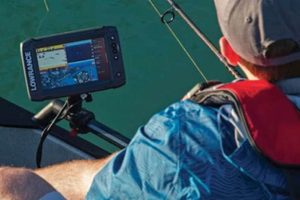
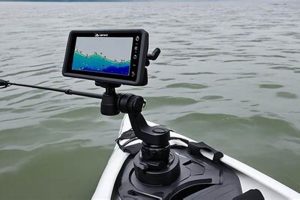
A compact sonar device mounted on a small, human-powered watercraft allows anglers to locate fish beneath the surface. This technology provides real-time depth readings and identifies underwater structures, thermoclines, and, most importantly, fish. A typical setup involves a transducer mounted on the hull or lowered into the water, connected to a display unit typically positioned within easy reach of the paddler.
Locating fish efficiently improves angling success, particularly in unfamiliar waters or challenging conditions. Historically, kayak anglers relied heavily on experience and intuition. Modern electronics provide a significant advantage, allowing for strategic placement and more effective lure presentation. This ultimately conserves time and energy, leading to a more productive and enjoyable fishing experience. Furthermore, this technology contributes to sustainable fishing practices by allowing anglers to target specific species and avoid bycatch.
The following sections explore selecting, installing, and utilizing these valuable tools for kayak fishing. Topics covered include transducer types, display options, power management, and practical tips for interpreting sonar readings.
Tips for Effective Sonar Use in Kayak Fishing
Maximizing the effectiveness of sonar technology requires understanding its capabilities and limitations. The following tips offer guidance on optimizing performance and interpreting data accurately.
Tip 1: Transducer Placement is Crucial: Ensure the transducer is submerged and free of obstructions. Side-scan transducers offer broader coverage, while down-imaging provides greater detail directly beneath the kayak. Consider mounting location to minimize interference from the hull or paddling strokes.
Tip 2: Understand Sonar Settings: Familiarize oneself with gain, sensitivity, and frequency adjustments. Higher sensitivity detects smaller fish but can also increase clutter. Adjustments should be made based on water clarity and depth.
Tip 3: Interpret Depth Readings Carefully: Note that depth readings reflect the distance to the bottom directly beneath the transducer. Sloping bottoms or underwater structures can create variations in readings.
Tip 4: Recognize Fish Arches: Fish typically appear as arches on the display. The shape and intensity of the arch can indicate fish size and movement. Distinguishing fish from other objects requires practice and experience.
Tip 5: Utilize Bottom Contour Information: Pay attention to changes in bottom contour. Fish often congregate around drop-offs, humps, and other underwater features. Identifying these areas can significantly improve fishing success.
Tip 6: Consider Water Temperature: Many units display water temperature. This information can be crucial for locating thermoclines, which are often associated with higher fish concentrations.
Tip 7: Manage Power Consumption: Sonar units consume battery power. Utilize power-saving modes when possible and carry spare batteries or a charging system for longer trips.
By understanding these tips and applying them consistently, anglers can significantly improve their ability to locate and catch fish, making each kayak fishing excursion more productive and rewarding.
These practical insights empower anglers to leverage technology effectively. The subsequent conclusion summarizes the key advantages and reinforces the value of integrating these devices into kayak fishing practices.
1. Types
Selecting an appropriate fish finder for kayak fishing requires careful consideration of various types available. Each type offers distinct features and capabilities suited to different fishing styles, environments, and budgets. Understanding these distinctions is crucial for making informed decisions.
- Castable/Portable Sonar Units:
These compact, wireless units are ideal for anglers frequently changing locations or fishing from various watercraft. They operate by casting a transducer that transmits sonar data back to a smartphone or tablet. Examples include Deeper and iBobber. Their portability sacrifices some features found in fixed-mount systems but offers versatility unmatched by other options.
- Fixed-Mount Sonar/Chartplotter Combos:
These integrated systems offer a comprehensive suite of features, including GPS navigation, mapping, and sonar capabilities. Brands like Garmin and Humminbird dominate this category. While more expensive and complex to install, they provide a wealth of information beneficial for serious kayak anglers.
- Standalone Fish Finders:
These units focus solely on sonar functionality without the added features of chartplotters. They are often more affordable and user-friendly for those primarily interested in locating fish. Many reputable brands offer standalone models tailored for kayak fishing, balancing performance with simplicity.
- Handheld Fish Finders:
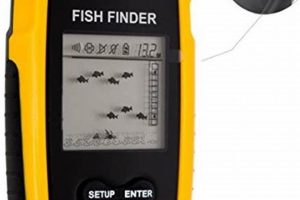
These basic units offer a cost-effective entry point into sonar technology. Their compact size and simplified operation make them suitable for occasional use or for anglers seeking a highly portable option without the reliance on a separate device like a smartphone. However, they often lack the advanced features found in other types.
The chosen fish finder type significantly impacts the overall kayak fishing experience. Balancing budget, desired features, and ease of use is paramount. Consideration of these various types alongside individual needs enables anglers to select the most appropriate technology for enhancing their on-the-water success.
2. Installation

Proper installation is crucial for optimal fish finder performance on a kayak. A well-executed installation ensures accurate readings, minimizes interference, and maximizes the lifespan of the equipment. Several factors influence the installation process, including transducer placement, cable routing, and display mounting. Incorrect installation can lead to inaccurate readings, damage to the equipment, or interference from the kayak’s hull or paddling strokes. For example, placing the transducer too close to the motor on a motorized kayak can create turbulence that disrupts sonar readings. Conversely, a poorly secured transducer may become dislodged during use, rendering the fish finder ineffective.
Transducer placement significantly impacts data quality. Ideally, the transducer should be submerged below the waterline, free from obstructions, and positioned to minimize turbulence. Common mounting locations include the hull, a scupper hole, or a dedicated transducer arm. Cable routing requires careful planning to prevent tangling and protect wires from damage. Securely fastening cables along the kayak’s interior minimizes interference and ensures longevity. The display unit should be positioned within easy reach of the paddler, allowing for clear visibility without obstructing paddling movements. Various mounting options exist, including RAM mounts and track systems, offering flexibility for different kayak configurations. Choosing the correct mounting hardware ensures stability and minimizes vibrations.
Careful consideration of these installation elements contributes significantly to the overall effectiveness of a kayak fishing setup. A well-integrated system provides reliable data, enhances angling success, and ensures a seamless experience on the water. Overlooking these crucial aspects can negatively impact the functionality of the fish finder, hindering its ability to provide accurate information crucial for locating fish and navigating waterways. Meticulous planning and execution during installation translate directly into improved performance and longevity of the equipment.
3. Power Source

Reliable power is essential for operating electronic devices, especially in environments like kayak fishing where access to external power is limited. The power source directly impacts the functionality and longevity of a fish finder, influencing trip duration and overall angling success. Several factors, including battery type, capacity, and power management strategies, play crucial roles in ensuring uninterrupted operation.
- Battery Types:
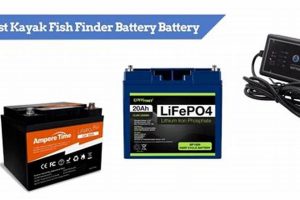
Various battery chemistries offer different performance characteristics. Lead-acid batteries provide robust power but are heavier and require more maintenance. Lithium-ion batteries offer higher energy density, longer lifespans, and lighter weight, making them a popular choice for kayak fishing. Selecting an appropriate battery type balances weight, capacity, and cost considerations.
- Battery Capacity:
Battery capacity, measured in ampere-hours (Ah), determines the duration a fish finder can operate before requiring a recharge. Higher capacity batteries provide longer runtimes but also increase weight. Anglers must assess their typical trip length and power consumption of their fish finder to select a battery with sufficient capacity. Underestimating power requirements can lead to premature battery depletion, shortening fishing time and potentially impacting safety.
- Power Management:
Effective power management strategies extend battery life and ensure uninterrupted operation. Utilizing power-saving modes, dimming the display brightness, and powering down the fish finder when not actively in use can significantly conserve energy. Monitoring battery levels throughout the trip allows anglers to anticipate power needs and adjust usage accordingly.
- Charging Options:
Maintaining a reliable power source necessitates consideration of charging options. Portable solar panels offer a sustainable solution for recharging batteries while on the water, particularly during extended trips. Alternatively, carrying a spare battery provides backup power and extends fishing time. Access to shore power or a 12V outlet allows for convenient recharging between trips. Selecting a suitable charging strategy ensures consistent power availability, maximizing time on the water.
The power source is a critical component of any kayak fishing setup utilizing electronic devices. Careful selection and management of the power supply ensure reliable operation of the fish finder, enabling anglers to focus on locating fish and enjoying their time on the water. Ignoring power considerations can lead to equipment failure, shortened trips, and missed opportunities. Understanding the interplay between battery type, capacity, power management, and charging options empowers anglers to make informed decisions, maximizing their chances of a successful fishing experience.
4. Transducer
The transducer serves as the crucial link between a kayak’s onboard electronics and the underwater environment. This component transmits and receives sonar signals, providing the data necessary for interpreting depth, locating structures, and identifying fish. Understanding transducer characteristics and functionality is essential for maximizing the effectiveness of a fish finder on a kayak. Selecting an appropriate transducer significantly impacts the quality of data received and the overall fishing experience. Different transducer types offer varying capabilities suited to specific fishing styles and environments.
- Transducer Types:
Various transducer types exist, each designed for specific applications. Single-beam transducers emit a single cone-shaped sonar signal, providing basic depth and fish-finding capabilities. Dual-beam transducers offer wider coverage, ideal for shallower waters. Side-imaging transducers generate detailed images of the underwater terrain to the sides of the kayak, useful for locating structures and fish-holding areas. Down-imaging transducers provide a near-photographic view of the bottom directly beneath the kayak, enabling precise identification of objects and fish. Choosing the appropriate transducer type depends on the angler’s needs and target species.
- Frequency:
Transducer frequency significantly influences sonar performance. Higher frequencies (e.g., 200 kHz) provide greater detail and are suitable for shallow water and clear conditions. Lower frequencies (e.g., 83 kHz) penetrate deeper water and offer better performance in murky conditions but sacrifice some detail. Some transducers offer multiple frequencies, allowing anglers to adapt to varying water conditions and target different fish species.
- Cone Angle:
The cone angle determines the area covered by the sonar signal. Wider cone angles cover more area but sacrifice depth penetration. Narrower cone angles provide greater depth and detail but cover a smaller area. Selecting an appropriate cone angle depends on the fishing environment and target depth.
- Mounting Location:
Proper transducer mounting is crucial for accurate readings. The transducer should be submerged below the waterline, free from obstructions, and positioned to minimize turbulence. Common mounting options include through-hull, transom mount, and trolling motor mount. Choosing the correct mounting location and method ensures optimal performance and minimizes interference. A poorly mounted transducer can generate inaccurate readings, hindering fish-finding efforts.
The transducer functions as the eyes of a fish finder, providing crucial information about the underwater world. Understanding the various transducer types, frequencies, cone angles, and mounting options allows anglers to optimize their sonar setup and enhance their chances of success. A correctly chosen and installed transducer significantly improves fish-finding capabilities, contributing to a more productive and enjoyable kayak fishing experience. Selecting the right transducer is an essential step in maximizing the benefits of a fish finder on a kayak.
5. Display/Interpretation
Effective utilization of a fish finder on a kayak hinges on accurate display interpretation. The display unit translates raw sonar data into a visual representation of the underwater environment. Comprehending this visual information is crucial for locating fish, identifying structures, and understanding bottom composition. The ability to differentiate between fish, vegetation, and bottom features directly impacts angling success. Misinterpreting the display can lead to wasted time targeting undesirable objects or overlooking productive fishing areas. For example, a dense school of baitfish might be misinterpreted as a larger target species, leading an angler to spend valuable time in an unproductive area. Conversely, failing to recognize a subtle change in bottom contour, which often indicates a fish-holding area, can result in missed opportunities.
Modern fish finder displays offer various features to enhance interpretation. Color displays differentiate between signal strengths, allowing anglers to distinguish between hard and soft bottoms or identify thermoclines. Fish symbols and arches provide visual cues representing potential targets. Depth contours and bottom hardness readings assist in identifying promising fishing locations. Understanding these features and how they represent underwater characteristics is paramount. Furthermore, adjusting display settings, such as sensitivity and gain, optimizes performance for specific water conditions and target species. For instance, increasing sensitivity in clear water might reveal smaller fish, while reducing clutter in murky water requires lower sensitivity. Adjusting these settings based on real-time conditions significantly enhances the clarity and accuracy of the displayed information.
Proficiency in display interpretation transforms a fish finder from a simple electronic device into a powerful tool for locating and catching fish. This skill requires practice and a fundamental understanding of sonar principles. Investing time in learning to interpret the nuances of the display unlocks the full potential of a fish finder, significantly improving angling success. Challenges such as screen glare and limited display size on kayaks necessitate strategic placement and configuration. Addressing these challenges ensures optimal visibility and usability, maximizing the benefits of the technology. Ultimately, the ability to accurately interpret the displayed information bridges the gap between technology and angling expertise, empowering kayak anglers to make informed decisions and enhance their on-the-water experience.
6. Target Species

Effective utilization of a fish finder on a kayak requires consideration of target species. Different species exhibit distinct behavioral patterns and inhabit specific environments. Understanding these nuances allows anglers to tailor their fish finder settings and interpret data more effectively. Aligning sonar strategies with the characteristics of the intended catch significantly improves the chances of success. Ignoring species-specific behaviors can lead to misinterpretations of sonar data and inefficient use of fishing time.
- Habitat Preferences:
Different species prefer specific habitats, influencing where they are likely to be found. Demersal species, such as grouper or snapper, often associate with reefs and rocky structures, while pelagic species, such as tuna or mackerel, roam open water. Understanding habitat preferences guides transducer placement and informs search patterns, allowing anglers to focus their efforts on areas most likely to hold the target species. A fish finder equipped with side-imaging or down-imaging capabilities can be particularly beneficial for locating structure-oriented species.
- Depth and Water Column Position:
Target species occupy specific depths and positions within the water column. Some species, like crappie, suspend mid-water, while others, like catfish, inhabit the bottom. Adjusting the fish finder’s sensitivity and utilizing specific sonar frequencies optimizes detection at the appropriate depth range. Knowledge of the target species’ typical depth range allows anglers to focus their attention on the relevant portion of the water column, minimizing wasted effort and maximizing fishing efficiency.
- Schooling Behavior:
Many fish species exhibit schooling behavior, forming tight groups. Recognizing schooling patterns on the fish finder display allows anglers to quickly identify potential targets. Distinguishing between baitfish schools and target species requires careful interpretation of sonar returns, considering factors such as fish arch size, density, and movement. Understanding schooling behavior and its representation on the fish finder enhances the angler’s ability to locate and target concentrations of fish, maximizing catch rates.
- Size and Shape:
The size and shape of the target species influence the sonar return. Larger fish typically produce stronger returns and more defined arches on the display. Understanding the relationship between sonar returns and fish size aids in differentiating between target species and smaller, less desirable fish. Adjusting gain settings and utilizing appropriate frequencies helps refine the display and improve target identification accuracy. This knowledge allows anglers to selectively target larger specimens, increasing the efficiency of their fishing efforts.
By considering the target species’ habitat preferences, depth, schooling behavior, and size, anglers can optimize fish finder settings and interpret sonar data more accurately. This targeted approach maximizes efficiency on the water, leading to increased catch rates and a more rewarding kayak fishing experience. The combination of species-specific knowledge and effective sonar utilization empowers anglers to locate and target their desired catch with greater precision, enhancing the overall success of their fishing endeavors.
7. Kayak Compatibility
Integrating a fish finder effectively into a kayak fishing setup requires careful consideration of kayak compatibility. The kayak’s design, features, and construction influence transducer mounting options, display placement, and cable routing. Compatibility ensures a secure, functional, and streamlined system that enhances, rather than hinders, the fishing experience. A poorly integrated system can negatively impact stability, create unnecessary clutter, and reduce overall fishing efficiency. Addressing compatibility issues beforehand ensures a seamless and productive experience on the water.
- Hull Material and Shape:
Kayak hull material and shape influence transducer mounting options. Smooth, rigid hulls, such as those found on many sit-on-top kayaks, provide ideal surfaces for through-hull or transom-mount transducers. Irregular surfaces or flexible inflatable kayaks might necessitate specialized mounting brackets or portable sonar solutions. Understanding the hull’s characteristics guides transducer selection and ensures optimal sonar performance. For instance, a through-hull transducer on a fiberglass kayak may provide the clearest readings, while an inflatable kayak might benefit from a transducer arm or portable sonar unit.
- Available Space and Layout:
Kayak size and layout dictate available space for display units, batteries, and cable management. Larger kayaks often accommodate dedicated electronics bays or consoles, while smaller kayaks might require creative mounting solutions. Careful planning and utilization of available space are crucial for maintaining a clutter-free and functional cockpit. Proper cable routing minimizes tangles and ensures easy access to essential components. Limited space necessitates strategic placement of components to prevent interference with paddling and maintain a balanced kayak setup.
- Power Source Integration:
Integrating a power source for the fish finder requires consideration of kayak compatibility. Some kayaks offer built-in battery compartments or pre-wired transducer ports, simplifying installation. Others might require custom wiring and battery placement. Choosing a compatible power source ensures a safe and reliable electrical system, protecting both the kayak and the electronic equipment. Factors such as battery size, weight, and charging options influence the overall balance and portability of the kayak.
- Mounting Options and Accessories:
Kayak-specific mounting options and accessories enhance fish finder integration. Track systems, RAM mounts, and transducer arms provide secure and adjustable mounting points for displays and transducers. Utilizing these specialized accessories ensures stability and minimizes vibrations, optimizing performance and longevity of the equipment. Selecting appropriate mounting solutions tailored to the kayak’s design ensures a seamless and functional installation, maximizing the benefits of the fish finder.
Kayak compatibility significantly influences the effectiveness and usability of a fish finder. Addressing these compatibility factors ensures a well-integrated system, optimizing performance, minimizing clutter, and enhancing the overall kayak fishing experience. Careful consideration of hull characteristics, available space, power integration, and mounting options allows anglers to create a seamless and productive setup tailored to their specific kayak and fishing style. Ignoring these elements can lead to a cumbersome and inefficient system, hindering rather than enhancing the angling experience. By prioritizing kayak compatibility, anglers can maximize the benefits of their fish finder and enjoy a more productive and enjoyable time on the water.
Frequently Asked Questions
This section addresses common inquiries regarding the utilization of fish finders on kayaks, providing concise and informative responses to clarify potential uncertainties and enhance understanding.
Question 1: What is the typical cost of a fish finder suitable for kayak fishing?
Fish finder prices vary significantly based on features and capabilities. Basic models start around $100, while advanced units with GPS and chartplotting can exceed $1000. Portable sonar units offer a mid-range option, typically costing between $150 and $300.
Question 2: How does one power a fish finder on a kayak?
Kayak fish finders typically operate on 12V batteries. Common options include dedicated fish finder batteries or repurposed marine batteries. Portable units may use internal rechargeable batteries or utilize a smartphone’s power.
Question 3: Can a fish finder be used in both freshwater and saltwater environments?
Many fish finders function in both freshwater and saltwater. However, transducer selection is crucial. Some transducers are designed specifically for saltwater use due to its corrosive properties. Ensure compatibility before use.
Question 4: Is professional installation necessary for a kayak fish finder?
While professional installation is an option, many anglers successfully install their own fish finders. Numerous online resources and manufacturer instructions provide guidance. Careful planning and attention to detail ensure a proper installation.
Question 5: How does one interpret the information displayed on a fish finder screen?
Fish finder displays depict depth, bottom contour, and fish locations. Fish typically appear as arches or symbols. Understanding sonar principles and display settings enhances interpretation accuracy. Practice and experience further refine interpretive skills.
Question 6: What are the key factors to consider when selecting a fish finder for kayak use?
Key considerations include display size and resolution, transducer type and frequency, power consumption, mounting options, and budget. Target species and fishing style further influence selection. Balancing these factors ensures an appropriate choice for individual needs.
Understanding these commonly addressed topics empowers anglers to make informed decisions regarding fish finder selection, installation, and utilization. This knowledge contributes to a more productive and enjoyable kayak fishing experience.
The following section offers a concluding perspective on the advantages and overall value of integrating fish finders into kayak fishing practices.
Conclusion
Integrating fish finder technology into kayak angling significantly enhances on-the-water success. From basic depth readings to advanced sonar imaging, these devices provide crucial underwater insights previously unavailable to kayak anglers. Careful consideration of factors such as transducer type, display features, power management, and kayak compatibility ensures optimal performance and a seamless user experience. Understanding target species behavior and mastering display interpretation further amplify the benefits, enabling strategic decision-making and maximizing fishing efficiency. Investing in and effectively utilizing a fish finder represents a commitment to a more informed and productive approach to kayak fishing.
The evolution of fish finder technology continues to refine the angling experience. Advancements in sonar imaging, GPS integration, and wireless connectivity promise even greater precision and access to real-time data. As technology progresses, kayak anglers stand to benefit from increasingly sophisticated tools, empowering them to explore new waters, target specific species with greater accuracy, and deepen their understanding of the underwater world. Embracing these advancements reinforces the enduring pursuit of angling excellence and ensures continued success on the water.