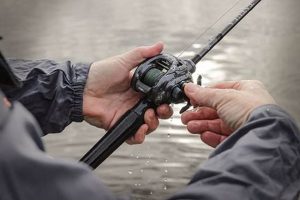
Competitive angling events centered on kayak-based fishing have adapted to the digital age. These competitions leverage technology to connect participants across geographical boundaries, enabling anglers to record and submit their catches remotely via photo or video evidence, often with length measurements verified through specialized apps and measuring boards. A designated timeframe, specific target species, and a set of rules govern these events, culminating in winners determined based on factors such as largest catch, most catches, or combined length.
Such events democratize competitive fishing by reducing travel and logistical barriers, allowing wider participation. This format offers greater flexibility, accommodating individual schedules and preferred fishing locations. Furthermore, these tournaments can promote conservation efforts by encouraging catch-and-release practices, minimizing environmental impact while fostering a sense of community among anglers worldwide. The evolution mirrors broader trends in sporting events embracing digital platforms for greater accessibility and reach.
This article will delve deeper into various aspects of these digital angling competitions, exploring topics such as tournament formats, technology utilized, conservation considerations, and the future of competitive kayak fishing in the online sphere.
Tips for Competitive Kayak Angling
Success in digital kayak fishing tournaments requires preparation, strategy, and adherence to specific guidelines. The following tips offer valuable insights for anglers seeking to enhance their competitive edge.
Tip 1: Master the Rules and Regulations. Thoroughly review all tournament-specific rules, including eligible species, size limits, permitted fishing locations, and acceptable submission methods. Non-compliance can lead to disqualification.
Tip 2: Optimize Kayak Setup for Efficiency. A well-organized kayak facilitates quick access to essential gear, minimizing time spent searching and maximizing fishing time. Consider rod holders, tackle storage, and camera mounts for efficient operation.
Tip 3: Prioritize Target Species Knowledge. Research preferred habitats, feeding patterns, and effective lures for the target species within the designated fishing area. This knowledge significantly increases the chances of a successful catch.
Tip 4: Practice Accurate Measurement and Photography. Familiarize oneself with the required measuring tools and techniques. Clear, well-lit photographs showcasing the fish’s length alongside the measuring device are crucial for validation.
Tip 5: Utilize Technology Effectively. Explore tournament-approved apps and software for logging catches, tracking progress, and submitting entries. Proficiency with these tools streamlines the submission process and ensures accurate record-keeping.
Tip 6: Respect Conservation Principles. Practice catch-and-release techniques carefully to minimize stress on the fish. Adhere to local regulations and prioritize the well-being of the aquatic environment.
Tip 7: Develop a Pre-Tournament Strategy. Plan fishing locations, target species, and preferred techniques in advance. Consider weather conditions and adjust strategies accordingly.
By adhering to these guidelines, anglers can enhance their performance, improve their chances of success, and contribute to a positive and ethical competitive environment.
This information provides a foundation for successful participation in online kayak fishing tournaments. Further sections will explore specific techniques, equipment recommendations, and advanced strategies.
1. Digital Platform

Digital platforms are fundamental to online kayak fishing tournaments, serving as the central hub for administration, communication, and competition management. They provide the infrastructure that enables geographically dispersed anglers to participate and compete within a structured framework.
- Tournament Hosting and Management
Dedicated websites or mobile applications provide the space for tournament organizers to publish rules, registration details, schedules, and leaderboards. These platforms often automate key processes such as registration, catch logging, and results tabulation. Tournaments hosted on platforms like TourneyX or FishDonkey benefit from streamlined administration and enhanced participant experience.
- Communication and Community Building
Integrated communication features, such as forums, chat groups, and direct messaging, enable participants to interact, share tips, and foster a sense of community. This facilitates networking and information exchange among anglers, enhancing the overall tournament experience. Social media integration further expands the reach and visibility of these events.
- Real-Time Tracking and Verification
Some platforms incorporate GPS tracking and real-time catch logging, promoting transparency and deterring rule violations. This ensures fair competition and accurate data collection, contributing to the integrity of the tournament. Integrating location verification within the platform strengthens accountability and trust among participants.
- Data Analysis and Reporting
Digital platforms offer data analysis capabilities, providing insights into catch patterns, popular fishing locations, and angler performance. This data can be used to refine future tournament formats, improve conservation efforts, and provide valuable feedback to participants. Aggregated data can also contribute to broader scientific understanding of fish populations and angler behavior.
The integration of these functionalities within a robust digital platform is crucial for the successful execution and continued growth of online kayak fishing tournaments. These platforms create a virtual arena that connects anglers, promotes fair competition, and contributes to the evolution of this dynamic sport.
2. Kayak Fishing Focus
The specialized nature of kayak fishing significantly shapes the format, challenges, and appeal of online kayak fishing tournaments. These competitions are not simply fishing tournaments conducted from kayaks; they inherently emphasize the unique skills and equipment associated with this distinct angling discipline. This focus influences everything from target species selection to judging criteria and participant demographics.
- Specialized Equipment and Techniques
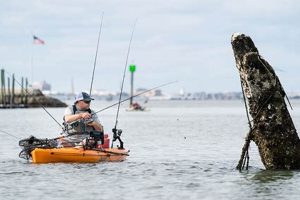
Kayak fishing necessitates specialized equipment, including purpose-built fishing kayaks, lightweight rods and reels, and specialized tackle storage solutions. Techniques such as maneuvering a kayak in tight spaces, maintaining stability while casting and retrieving, and effectively utilizing limited deck space influence angler performance in online tournaments. Anglers proficient in kayak-specific techniques possess a distinct advantage.
- Accessibility and Exploration
Kayaks offer access to shallow water, secluded coves, and other areas inaccessible to larger boats. This expands the potential fishing grounds and encourages exploration, adding a strategic dimension to online tournaments. Anglers can leverage their knowledge of local waterways and hard-to-reach fishing spots to target specific species or avoid competition.
- Emphasis on Self-Reliance and Adaptability
Kayak fishing demands self-sufficiency and adaptability. Anglers must be prepared for changing weather conditions, equipment malfunctions, and navigational challenges. This emphasis on individual resourcefulness translates directly to the online tournament format, where anglers compete independently and rely on their own skills and preparation.
- Species Targeting and Catch Documentation
The stability and maneuverability of kayaks often influence target species selection in online tournaments. Species commonly pursued from kayaks, such as bass, inshore saltwater species, and panfish, become prominent targets. Furthermore, the process of documenting catches from a kayak presents unique challenges, requiring specialized camera mounts, waterproof equipment, and efficient handling techniques to capture verifiable evidence.
The focus on kayak fishing within these online tournaments creates a distinct angling experience, rewarding specific skills and fostering a strong sense of community among participants who share a passion for this specialized pursuit. This specialized focus continues to drive innovation in both equipment and tournament formats, shaping the future of competitive kayak angling.
3. Competitive Structure

Competitive structure forms the backbone of online kayak fishing tournaments, dictating how participants engage, how winners are determined, and ultimately, the overall experience. A well-defined structure ensures fairness, transparency, and motivates angler participation. Different structural formats cater to various angling preferences and tournament goals, influencing strategy and the level of competition.
Several common competitive structures exist. Length-based tournaments rank anglers according to the longest catch of a specific species or the combined length of multiple catches. This encourages targeting larger fish. Number-based tournaments prioritize the quantity of fish caught within the designated species and size limits, promoting angling efficiency and species knowledge. Species-specific tournaments focus on a single target species, rewarding specialized expertise and potentially contributing to data collection for conservation purposes. Hybrid formats combine elements of these structures, offering a balanced challenge. For example, a tournament might award points for both length and number of fish caught within specific species categories. A real-life example is the online Kayak Bass Fishing series, which often uses a combined length format for its tournaments. This structure adds a layer of complexity as anglers must decide whether to target larger, harder-to-catch fish or focus on accumulating numerous smaller catches.
Understanding the competitive structure is crucial for anglers. It informs pre-tournament planning, including target species selection, location scouting, and equipment choices. Tournament organizers must carefully consider the target audience and overall goals when selecting a structure. A clear and well-communicated structure fosters a positive competitive environment and enhances angler engagement, contributing to the growth and sustainability of online kayak fishing tournaments. Navigating the nuances of different formats is a key skill for successful participation and underscores the importance of structure in shaping the competitive landscape of this evolving sport. The choice of competitive structure directly impacts angler behavior and ultimately defines the character of each tournament.
4. Remote Participation
Remote participation is a defining characteristic of online kayak fishing tournaments, fundamentally altering the accessibility and reach of competitive angling. This format removes geographical barriers, allowing anglers from diverse locations to compete simultaneously without converging at a single physical venue. This shift has significant implications for the sport, impacting participation demographics, tournament logistics, and the overall competitive landscape.
- Expanded Geographic Reach
The removal of travel requirements expands the potential pool of participants beyond local or regional boundaries. Anglers from different states, countries, or even continents can compete in the same tournament. This fosters a more diverse and inclusive competitive environment, connecting anglers who might not otherwise have the opportunity to interact. For instance, an angler in Florida could compete against someone in California, both targeting the same species within their respective local waters.
- Flexibility and Convenience
Remote participation offers greater flexibility in scheduling and location. Anglers can choose to fish at times and in locations that suit their individual preferences, accommodating work schedules, family commitments, and preferred fishing conditions. This removes the constraints of fixed tournament dates and centralized venues, making competitive angling more accessible to a wider range of individuals. An angler can participate during their preferred tide window or select a familiar fishing spot that maximizes their chances of success.
- Reduced Logistical Complexity
Online tournaments eliminate the logistical challenges associated with traditional events. Organizers no longer need to secure physical venues, manage on-site registration, or coordinate complex weigh-in procedures. This streamlined approach reduces overhead costs and simplifies tournament administration, allowing organizers to focus on other aspects like community building and prize structures. The shift to digital platforms simplifies everything from registration to results tabulation.
- Emphasis on Personal Responsibility and Integrity
Remote participation places significant emphasis on angler integrity and adherence to established rules. With limited direct oversight, anglers are responsible for accurately measuring, photographing, and reporting their catches. The reliance on self-reporting necessitates clear guidelines and robust verification procedures to maintain the fairness and credibility of the competition. Honesty and adherence to the rules are paramount in this format, fostering a culture of trust and sportsmanship.
Remote participation, therefore, transforms the traditional tournament model, broadening access, increasing flexibility, and shifting responsibility to the individual angler. This digital format reshapes competitive kayak fishing, contributing to its growth and evolution while presenting unique opportunities and challenges for both anglers and tournament organizers. By embracing technology and prioritizing ethical practices, online kayak fishing tournaments cultivate a vibrant and accessible competitive angling community that transcends geographical limitations.
5. Photo/video submissions

Photo and video submissions serve as the primary evidence of catches in online kayak fishing tournaments, replacing traditional weigh-ins. This digital approach necessitates specific procedures and technologies to ensure accurate recording, verification, and fair competition. The integrity of these submissions is crucial for maintaining the legitimacy of the tournament results and fostering trust among participants.
- Image Quality and Clarity
Clear, well-lit photographs or videos are essential for accurate species identification and length measurement verification. Submissions must clearly depict the fish alongside the required measuring device, often a tournament-approved ruler or measuring board. Blurry or poorly lit images can lead to disqualification. A high-resolution image of a largemouth bass positioned next to a clearly marked Hawg Trough measuring board exemplifies a valid submission. Conversely, a dimly lit photo where the fish’s length is obscured would be deemed unacceptable.
- Measurement Verification Techniques
Specific protocols ensure accurate length measurement. Anglers typically use standardized measuring devices and are often required to include unique identifiers within the photo or video frame, such as a tournament-provided token or a handwritten code. These measures prevent image manipulation and ensure the validity of the recorded length. For example, some tournaments require anglers to display a specific identifier code alongside their catch, verifiable against their registration details.
- Time-Stamping and Geolocation
Many online tournaments utilize time-stamping and geolocation features to further validate catches. Photos or videos taken through tournament-specific apps automatically embed this data, verifying that the catch was made within the designated timeframe and permitted fishing area. These technologies enhance accountability and deter cheating, maintaining the integrity of the competition. A catch logged with accurate time and location data within the tournament window demonstrates compliance with the rules.
- Submission Platforms and Data Management
Dedicated platforms or apps facilitate secure and efficient submission management. These platforms typically allow anglers to upload their photos or videos directly, streamlining the process and ensuring data integrity. Organizers can readily review submissions, verify compliance, and publish results transparently. Platforms like TourneyX or FishDonkey offer integrated submission management tools that simplify data collection and verification, enhancing the overall tournament experience.
Photo and video submissions, therefore, constitute the core evidentiary component of online kayak fishing tournaments. Rigorous protocols and technological integrations ensure the accuracy, validity, and transparency of the recorded catches. These procedures are essential for maintaining fair competition and upholding the integrity of these increasingly popular digital angling events. The reliance on digital evidence necessitates a high degree of angler responsibility and underscores the crucial role of technology in shaping the future of competitive fishing.
6. Species/size regulations

Species and size regulations are integral to online kayak fishing tournaments, ensuring fair competition, promoting conservation, and aligning with local fishing laws. These regulations dictate which species are eligible for submission, the minimum and maximum sizes that qualify, and any specific handling guidelines. Adherence is crucial for maintaining the integrity of the competition and contributing to responsible angling practices.
- Conservation and Sustainability
Regulations often prioritize conservation by encouraging catch and release practices and protecting vulnerable species. Size limits ensure that younger fish can mature and reproduce, contributing to healthy fish populations. For example, a tournament might prohibit the submission of redfish within a specific size range to protect breeding stock. This aligns with broader conservation goals and promotes sustainable fishing practices within the online tournament community. Tournaments can also incentivize catch and release through bonus points or separate award categories, further reinforcing conservation principles.
- Fair Play and Standardized Competition
Clear species and size regulations create a level playing field, ensuring that all participants compete under the same conditions. By specifying eligible species and size limits, tournaments prevent unfair advantages based on location or access to certain fish populations. This promotes fair competition and ensures that results accurately reflect angler skill and strategy. For example, limiting eligible species to largemouth bass ensures that anglers in regions with diverse fish populations don’t have an inherent advantage over those in areas with fewer species options.
- Legal Compliance and Local Regulations
Online tournaments must adhere to local fishing regulations, including license requirements, closed seasons, and species-specific restrictions. This ensures that the tournament operates within legal boundaries and promotes responsible angling practices within the broader community. For instance, a tournament held during a closed season for a particular species would necessitate excluding that species from the eligible list or rescheduling the event. This demonstrates respect for local regulations and reinforces responsible angling behavior.
- Tournament Format and Angler Strategy
Species and size regulations significantly influence angler strategy. A tournament focused on catching the largest smallmouth bass encourages anglers to target specific habitats and employ techniques known to attract larger fish. Conversely, a tournament with a slot limit, allowing only fish within a specific size range, requires anglers to adapt their strategies and potentially target different areas or depths. Understanding the regulations is crucial for pre-tournament planning and maximizing the chances of success.
In conclusion, species and size regulations are more than just rules; they are fundamental components of online kayak fishing tournaments, shaping the competitive landscape, promoting conservation, and ensuring legal compliance. These regulations intertwine with angler strategy, tournament format, and broader conservation efforts, contributing to the sustainability and ethical conduct of this evolving sport. By adhering to these guidelines, online tournaments foster responsible angling practices, ensuring a fair and engaging competitive experience while contributing to the long-term health of fish populations and the broader aquatic environment.
7. Prizes and Recognition
Prizes and recognition constitute essential motivational drivers within online kayak fishing tournaments, influencing participation rates, competitive intensity, and overall community engagement. They provide tangible rewards for angler achievement and contribute to the perceived value and prestige of these digital competitions. The nature and structure of prize systems significantly impact angler behavior and tournament dynamics. Offering substantial prizes, such as high-end fishing kayaks, electronics, or sponsored gear, attracts a wider range of participants, increasing the competitive field and potentially elevating the skill level within the tournament. Recognition, in the form of digital badges, online leaderboards, and social media spotlights, further enhances the sense of accomplishment and encourages continued participation. The Kayak Bass Fishing series, for example, often awards significant prizes, including boats and cash, attracting a large and competitive field of anglers. Smaller, community-driven tournaments may offer more modest prizes, focusing on local recognition and fostering camaraderie within a specific angler group.
The strategic implementation of prizes and recognition can also serve specific tournament objectives. For instance, offering prizes for catching specific species can incentivize targeted fishing efforts, contributing to data collection or promoting the conservation of understudied fish populations. Similarly, recognizing anglers who demonstrate exceptional sportsmanship or adhere to strict catch-and-release protocols reinforces ethical angling practices within the online community. Some tournaments partner with conservation organizations, offering prizes that align with broader environmental goals. This synergistic approach enhances the positive impact of online tournaments beyond the competitive sphere.
Effectively leveraging prizes and recognition is crucial for the long-term success and sustainability of online kayak fishing tournaments. A well-structured prize system attracts participants, fuels competition, and promotes positive angling behaviors. Understanding the motivational power of these incentives enables tournament organizers to tailor their offerings strategically, aligning with specific tournament goals, fostering community engagement, and contributing to the overall growth and evolution of digital competitive angling. Balancing the value of prizes with the broader objectives of conservation, ethical practices, and community building ensures the continued health and vibrancy of this increasingly popular sport. Furthermore, the perceived value of prizes and recognition within the online angling community directly influences the prestige and perceived legitimacy of a given tournament, playing a key role in its long-term success and attracting sponsorships.
Frequently Asked Questions
This section addresses common inquiries regarding online kayak fishing tournaments, providing clarity on participation, regulations, and the overall competitive landscape.
Question 1: How do online kayak fishing tournaments differ from traditional fishing competitions?
Online tournaments leverage technology to enable remote participation, eliminating the need for anglers to gather at a specific location. Catches are documented via photo or video submissions and verified through digital platforms, replacing traditional weigh-ins. This format expands accessibility and flexibility.
Question 2: What equipment is typically required for participation?
Essential equipment includes a fishing kayak, appropriate rods and reels, tackle, a measuring device (often a tournament-specified board or ruler), a camera or smartphone for capturing images, and potentially a smartphone with a tournament-approved app for logging and submitting catches.
Question 3: How are catches verified in an online format?
Catches are verified through photo or video submissions. Anglers must adhere to specific guidelines for image quality, measurement procedures, and often include unique identifiers within the submission. Some tournaments utilize time-stamping and geolocation data for further validation.
Question 4: What are the typical regulations regarding species and size limits?
Regulations vary by tournament but typically align with local fishing laws and conservation principles. Specific species may be designated as eligible or ineligible, and minimum or maximum size limits are often enforced. Catch-and-release practices are frequently encouraged.
Question 5: How are winners determined in online kayak fishing tournaments?
Winning criteria vary by tournament format. Common methods include ranking anglers based on the length of their largest catch, the combined length of multiple catches, or the total number of qualifying fish caught within a specified timeframe.
Question 6: How can one find and register for online kayak fishing tournaments?
Information on upcoming online tournaments can be found through dedicated tournament platforms, social media groups focused on kayak fishing, and websites of organizations promoting competitive angling. Registration typically occurs through the chosen tournament platform or website.
Understanding these key aspects of online kayak fishing tournaments ensures informed participation and contributes to a positive competitive experience. Careful review of tournament-specific rules and guidelines is always recommended.
This concludes the FAQ section. The following section will provide detailed information regarding recommended equipment and resources for online kayak fishing tournaments.
Online Kayak Fishing Tournament
This exploration of online kayak fishing tournaments has highlighted the key components driving this evolving sport. From the digital platforms facilitating remote participation and catch verification to the specialized equipment and techniques inherent in kayak angling, these competitions represent a significant departure from traditional fishing tournaments. The emphasis on species and size regulations underscores the importance of conservation and fair play within this digital arena. Furthermore, the structure of prizes and recognition systems plays a vital role in motivating participation and shaping the competitive landscape. The convergence of technology, angler skill, and conservation principles defines the unique character of online kayak fishing tournaments.
The continued growth and evolution of online kayak fishing tournaments suggest a dynamic future for competitive angling. As technology advances and participation expands, these digital competitions offer a unique opportunity to connect anglers globally, promote conservation efforts, and advance the sport in exciting new directions. The accessibility and flexibility inherent in this format hold the potential to further democratize competitive fishing, engaging a broader audience and shaping the future of the sport. The integration of emerging technologies, such as advanced data analytics and virtual reality, promises to further enhance the online tournament experience, blurring the lines between the digital and physical realms of competitive angling.