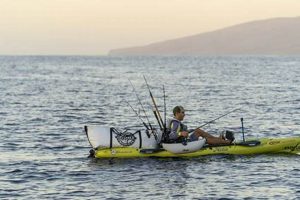
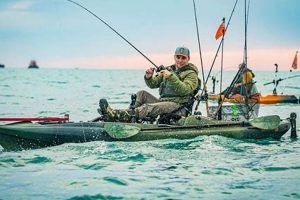
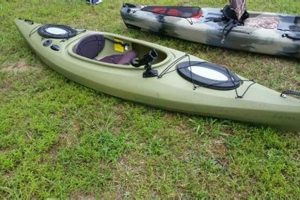
The sport of angling from small, human-powered vessels offers unique access to Oklahoma’s diverse waterways. This method allows exploration of shallow-water environments, including smaller rivers, creeks, ponds, and lake coves, often inaccessible to larger, motorized boats. It provides a quiet, low-impact approach, ideal for observing wildlife and enjoying the serenity of nature.
This approach to angling has grown in popularity due to its affordability, portability, and the increasing emphasis on eco-friendly outdoor recreation. It provides a physical workout while offering the rewards of fishing. Historically, small boats have been used for fishing in Oklahoma, but the modern sport with specialized kayaks designed for angling has emerged more recently, driven by advancements in kayak design and fishing gear.
Further exploration of this topic will cover key aspects such as selecting appropriate equipment, identifying productive fishing locations within the state, and understanding the regulations governing this activity. Additionally, strategies for various fish species commonly found in Oklahoma waters, alongside safety considerations specific to this type of angling, will be addressed.
Tips for Kayak Angling in Oklahoma
Successful angling from a kayak in Oklahoma requires preparation and awareness. The following tips offer guidance for a safe and productive experience.
Tip 1: Research Regulations. Consult the Oklahoma Department of Wildlife Conservation for current licensing requirements, catch limits, and any specific regulations pertaining to kayak fishing in particular bodies of water.
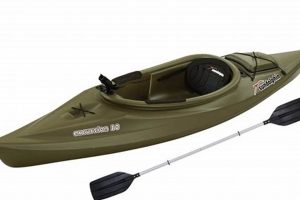
Tip 2: Choose the Right Kayak. Select a kayak designed for stability and fishing, considering features such as rod holders, storage compartments, and anchor systems. Sit-on-top kayaks are often preferred for their ease of entry and exit.
Tip 3: Prioritize Safety. Always wear a personal flotation device (PFD). Carry a whistle, signaling device, and a fully charged mobile phone in a waterproof case. Inform someone of your fishing plans, including location and expected return time. Check weather conditions before embarking.
Tip 4: Plan Your Route. Research potential fishing spots and map out a route beforehand. Consider water flow, wind direction, and potential obstacles. Carry a map and compass or GPS device.
Tip 5: Pack Essential Gear. Ensure necessary fishing tackle, including appropriate rods, reels, lines, lures, and bait, are readily accessible. Pack a first-aid kit, sunscreen, insect repellent, and drinking water.
Tip 6: Practice Kayak Control. Familiarize oneself with paddling techniques and maneuvering the kayak efficiently before venturing onto the water, especially in areas with current or wind.
Tip 7: Respect Wildlife and the Environment. Practice catch-and-release whenever possible. Avoid disturbing wildlife and pack out any trash generated.
By following these guidelines, anglers can enhance their enjoyment and success while ensuring a safe and responsible experience on Oklahoma’s waters.
These tips provide a foundation for a successful outing. A deeper understanding of specific techniques, species-targeted strategies, and local conditions will further enhance angling success.
1. Location Selection
Strategic location selection is paramount for successful kayak angling in Oklahoma. The state’s diverse waterways offer a range of habitats, each supporting different fish species and requiring specific approaches. Careful consideration of factors like water type, accessibility, and species presence is essential for maximizing angling opportunities.
- Lake Fishing
Oklahoma boasts numerous large reservoirs, providing ample space for kayak angling. Grand Lake, Lake Eufaula, and Broken Bow Lake are popular destinations, offering diverse fish populations including bass, crappie, and catfish. Kayaks allow access to shallow coves and backwaters often inaccessible to larger boats, presenting opportunities for targeting specific species in their preferred habitats. However, wind and wave action on larger lakes can pose challenges, requiring careful monitoring of weather conditions and appropriate safety precautions.
- River Fishing
Rivers such as the Illinois River, Lower Mountain Fork River, and Glover River provide unique angling experiences. These flowing waters offer opportunities for targeting species like smallmouth bass, trout, and various sunfish. Kayaks are well-suited for navigating these environments, allowing anglers to drift downstream or access shallower sections. Current strength, potential obstacles like downed trees, and access points require careful planning.
- Pond and Creek Fishing
Smaller ponds and creeks scattered throughout Oklahoma offer quieter, more intimate fishing experiences. These locations are often overlooked but can hold healthy populations of bass, sunfish, and catfish. Kayaks provide easy access to these smaller bodies of water, offering a distinct advantage over traditional boats. However, careful assessment of water depth and potential obstructions is crucial, and permission may be required for access on private property.
- Public Access Considerations
Identifying suitable public access points is critical for any kayak fishing location. The Oklahoma Department of Wildlife Conservation provides resources to locate public boat ramps and fishing docks. Choosing locations with convenient access facilitates launching and retrieval of kayaks and enhances the overall experience. Understanding parking regulations and access fees, where applicable, is also essential.
Effective location selection significantly impacts the success and enjoyment of kayak angling in Oklahoma. By researching potential fishing spots and considering factors like water type, accessibility, target species, and seasonal patterns, anglers can optimize their chances of a rewarding experience. Careful planning and adherence to safety guidelines ensure a positive and productive outing on the water.
2. Equipment Choices

Equipment selection significantly impacts the safety and effectiveness of kayak angling in Oklahoma. Appropriate choices enhance an angler’s ability to navigate diverse water conditions, target specific species, and manage the unique challenges presented by this fishing style. Careful consideration of factors such as kayak type, paddle selection, fishing gear, and safety equipment is essential for a successful outing.
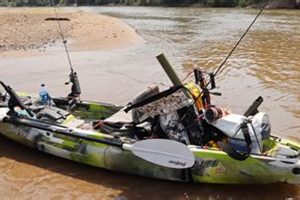
Kayak choice depends on the intended fishing environment. Shorter, wider kayaks offer greater stability in calmer waters like ponds and small lakes, while longer, narrower kayaks are better suited for navigating rivers and larger reservoirs subject to wind and waves. Sit-on-top kayaks provide ease of entry and exit, a crucial safety feature, and are generally preferred for fishing. Paddle length should be proportional to the angler’s height and kayak width for efficient paddling. Fishing-specific kayaks often feature integrated rod holders, storage compartments, and anchor systems, enhancing functionality and organization. Specialized gear like fish finders and GPS units can further improve angling success, particularly in larger bodies of water. For example, a shorter, sit-on-top kayak with ample storage would be ideal for fishing a small, vegetated pond for bass, while a longer, touring-style kayak might be preferred for traversing open water on a large reservoir. Similarly, lighter tackle is often preferred for smaller species like crappie and sunfish, whereas heavier tackle is necessary for larger species like catfish or striped bass.
Beyond fishing-specific equipment, safety gear is paramount. A properly fitted personal flotation device (PFD) is non-negotiable. Additional safety equipment includes a whistle, signaling device, and a waterproof case for a mobile phone. Appropriate clothing, including sun protection and rain gear, should be considered based on weather conditions. A first-aid kit and basic tools for minor repairs are also essential additions. Careful equipment selection, coupled with knowledge of the intended fishing location and target species, significantly enhances the safety and enjoyment of kayak angling in Oklahoma. This preparation allows anglers to focus on the sport, adapt to changing conditions, and maximize their opportunities for success while prioritizing a safe and responsible experience on the water. Neglecting these considerations can not only hinder success but also compromise safety, potentially turning an enjoyable outing into a hazardous situation.
3. Safety Procedures

Safety procedures are integral to responsible kayak angling in Oklahoma. The inherent risks associated with navigating waterways in a small vessel necessitate a proactive approach to safety. Neglecting these procedures can lead to accidents, injuries, or even fatalities. Understanding and adhering to established safety guidelines significantly mitigates these risks, ensuring a positive and enjoyable experience. For example, wearing a personal flotation device (PFD) is crucial should an angler capsize or encounter unexpected conditions. Similarly, informing someone of planned fishing locations and estimated return times allows for prompt assistance in case of emergencies. Checking weather forecasts before embarking is essential as sudden changes in weather can create hazardous conditions on the water, especially on larger bodies of water.
Several factors underscore the importance of safety procedures. Oklahoma’s diverse waterways present varying challenges, from swift currents in rivers to fluctuating water levels in reservoirs. Weather conditions can change rapidly, creating unforeseen hazards like strong winds, lightning storms, or sudden temperature drops. Additionally, encounters with other watercraft, submerged obstacles, or wildlife necessitate preparedness and vigilance. Practical application of safety procedures includes carrying essential safety equipment such as a whistle, signaling device, and a waterproofed mobile phone. Regularly inspecting equipment for wear and tear and practicing self-rescue techniques further enhances preparedness. Understanding and respecting local regulations, including speed limits and restricted areas, contributes to overall safety on the water. For instance, being aware of designated swimming areas or areas with high boat traffic can prevent collisions and ensure a safer environment for all water users.
Prioritizing safety procedures is paramount for responsible kayak angling in Oklahoma. Combining a proactive approach to safety with a thorough understanding of potential hazards and appropriate responses ensures a positive and enjoyable experience. Neglecting these crucial aspects jeopardizes not only personal well-being but also the safety of others sharing the waterway. A comprehensive safety strategy transforms potential risks into manageable challenges, allowing anglers to fully appreciate the sport and the natural beauty of Oklahoma’s waters.
4. Target Species
Target species selection significantly influences equipment choices, location selection, and angling techniques in Oklahoma kayak fishing. Each species exhibits unique behaviors and habitat preferences, requiring anglers to adapt their approach for optimal success. Understanding these nuances allows for a more informed and rewarding experience. For example, targeting largemouth bass, a popular game fish in Oklahoma, might involve focusing on areas with submerged vegetation or rocky structures, utilizing lures that mimic their prey, such as crankbaits or plastic worms. Conversely, targeting crappie, another prevalent species, might involve fishing near brush piles or docks using smaller jigs or minnows.
Oklahoma’s diverse waters support a variety of game fish, each presenting unique challenges and opportunities. Largemouth bass, smallmouth bass, spotted bass, crappie, channel catfish, blue catfish, flathead catfish, walleye, saugeye, striped bass, and various sunfish species are among the commonly sought-after targets. Matching tackle and techniques to the specific target species increases the likelihood of successful catches. Heavier tackle is typically required for larger catfish, while lighter tackle is suitable for crappie or sunfish. Understanding the feeding patterns and preferred habitats of the target species is also crucial. Bass are often found near structure, while crappie congregate near brush piles or submerged timber. Catfish are often found in deeper holes or along river channels. This knowledge informs location selection, lure choice, and retrieval techniques, ultimately maximizing angling success. Consider the difference between targeting smallmouth bass in a clear, flowing river versus targeting channel catfish in a murky reservoir. The former might involve using light spinning tackle and lures that mimic small baitfish, while the latter might necessitate heavier tackle and bait such as cut bait or stinkbait, fished near the bottom.
Strategic target species selection enhances the focus and effectiveness of kayak fishing excursions in Oklahoma. By aligning equipment choices, location selection, and techniques with the specific characteristics of desired species, anglers optimize their chances of success. This targeted approach also contributes to responsible fishing practices by minimizing unintended catches and promoting conservation efforts. Understanding the interplay between target species and angling techniques allows for a more informed and fulfilling experience on the water, fostering a deeper appreciation for Oklahoma’s diverse aquatic ecosystems.
5. Seasonal Considerations

Seasonal variations significantly influence fish behavior and, consequently, the effectiveness of kayak angling strategies in Oklahoma. Water temperature fluctuations, changing weather patterns, and seasonal spawning cycles impact fish activity levels, feeding habits, and preferred locations. Understanding these seasonal influences is crucial for adapting angling techniques and maximizing success throughout the year. Ignoring seasonal factors can lead to unproductive fishing trips, while adapting to these changes allows anglers to consistently locate and target fish effectively.
- Spring
Spring in Oklahoma brings rising water temperatures, triggering increased fish activity and spawning behaviors. Many species move to shallower waters for breeding, presenting excellent opportunities for kayak anglers to target them near shorelines, coves, and tributary inlets. Pre-spawn bass fishing can be particularly productive, as bass actively feed before focusing on reproduction. Crappie also move shallow to spawn, making them accessible to kayak anglers around brush piles and submerged structures.
- Summer
Summer’s high temperatures often drive fish to deeper, cooler water or to seek refuge in shaded areas. Kayak anglers can adapt by targeting deeper sections of lakes and reservoirs or focusing on areas with overhanging vegetation or submerged structures. Early morning and late evening fishing can be more productive during the hottest periods, as fish become more active during cooler periods of the day. Utilizing techniques like deep-water trolling or vertical jigging can be effective for targeting species like bass and crappie.
- Autumn
As water temperatures cool in autumn, fish become more active and begin feeding heavily in preparation for winter. This period often presents excellent fishing opportunities, as many species are actively seeking prey. Kayak anglers can capitalize on this increased activity by targeting areas with baitfish concentrations or focusing on shallow flats where fish may be foraging. Topwater lures and crankbaits can be effective for attracting aggressive strikes.
- Winter
Winter fishing in Oklahoma can be challenging, as fish become less active due to colder water temperatures. However, opportunities still exist for kayak anglers willing to adapt their strategies. Focusing on deeper areas near dams or springs, where water temperatures are slightly warmer, can be productive. Slow-moving lures and jigs fished near the bottom can entice sluggish fish. Understanding wintering patterns of specific target species, such as targeting saugeye below dams, enhances the likelihood of success.
By understanding and adapting to these seasonal influences, kayak anglers can significantly improve their success on Oklahoma waters. Matching techniques and location selection to the prevailing seasonal conditions optimizes fishing opportunities throughout the year, resulting in a more consistent and rewarding experience. The dynamic nature of Oklahoma’s aquatic ecosystems requires a flexible and informed approach, allowing anglers to engage with the changing environment and appreciate the unique challenges and rewards each season presents.
Frequently Asked Questions about Kayak Fishing in Oklahoma
This section addresses common inquiries regarding kayak angling within Oklahoma, providing concise and informative responses to facilitate a better understanding of this popular activity.
Question 1: What are the licensing requirements for kayak fishing in Oklahoma?
A valid Oklahoma fishing license is required for residents and non-residents. Specific license types and exemptions can be found on the Oklahoma Department of Wildlife Conservation website.
Question 2: Where can suitable kayaks for fishing be purchased or rented in Oklahoma?
Numerous sporting goods retailers and outfitters across the state offer fishing kayaks for sale or rent. Online marketplaces also provide options. Researching local providers is recommended to compare pricing and availability.
Question 3: Are there specific safety regulations for kayak anglers in Oklahoma?
While specific regulations targeting kayaks may vary, all state boating regulations apply. Wearing a personal flotation device (PFD) is legally required and essential for safety. Navigation lights are required for operation during low-light conditions.
Question 4: What are the most productive fishing locations accessible by kayak in Oklahoma?
Oklahoma offers a variety of productive fishing locations accessible by kayak, including Grand Lake, Lake Eufaula, Broken Bow Lake, and numerous smaller rivers and ponds. Researching specific locations based on target species is recommended. The Oklahoma Department of Wildlife Conservation website provides resources to identify suitable fishing areas.
Question 5: What types of fish can be caught from a kayak in Oklahoma?
Various fish species, including largemouth bass, crappie, catfish, sunfish, and trout, can be caught from a kayak in Oklahoma. Specific species presence depends on the chosen fishing location. Researching fish populations in target areas is recommended.
Question 6: What are the best times of year for kayak fishing in Oklahoma?
Fishing opportunities exist year-round in Oklahoma, but optimal times vary depending on target species and weather conditions. Spring and autumn generally offer favorable conditions with increased fish activity. Summer fishing can be productive during cooler periods of the day. Winter fishing requires specialized techniques and awareness of fish behavior in colder temperatures.
Addressing these frequently asked questions provides a foundational understanding of kayak angling in Oklahoma. Further research and preparation based on individual needs and target species will contribute to a safe, successful, and rewarding experience.
Beyond these FAQs, additional resources such as local fishing guides, online forums, and instructional videos can provide further insight and enhance angling proficiency.
Oklahoma Kayak Fishing
This exploration of kayak angling within Oklahoma has highlighted the unique opportunities and considerations associated with this increasingly popular pursuit. From equipment selection and safety procedures to location choices and seasonal influences, strategic planning and informed decision-making are essential for maximizing success and ensuring a safe experience. The state’s diverse waterways offer a rich tapestry of angling possibilities, rewarding those who approach this activity with preparation and respect for the environment.
The future of kayak angling in Oklahoma rests on the continued promotion of responsible fishing practices and the preservation of the state’s valuable aquatic resources. Anglers are encouraged to actively engage in conservation efforts, supporting sustainable practices that ensure the longevity of this rewarding recreational activity for generations to come. Through informed participation and a commitment to environmental stewardship, the unique experience of Oklahoma kayak fishing can continue to thrive.