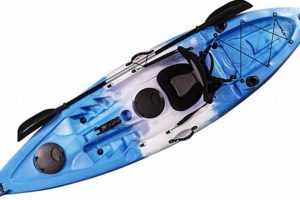
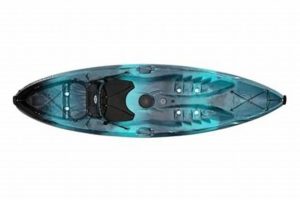
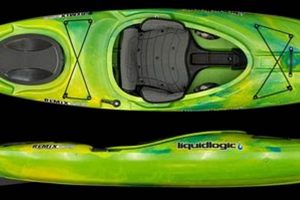
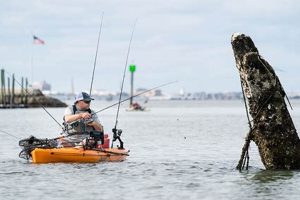
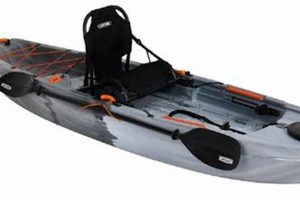
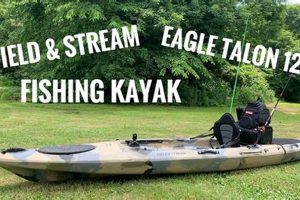
This specific model of watercraft is a sit-on-top style designed for angling. Characterized by a stable hull and specialized features, it offers anglers a platform for pursuing fish in various aquatic environments. Features often include rod holders, storage compartments for tackle and gear, and comfortable seating designed for extended periods on the water.
Such vessels provide enhanced stability and maneuverability, allowing anglers to access shallower waters and navigate tight spaces often inaccessible to larger boats. The hands-free nature of kayak fishing can provide a unique and immersive angling experience. The relatively lightweight design facilitates easier transport and launch, making it accessible to a wider range of users. The evolution of these specialized watercraft has mirrored advancements in materials and design, resulting in increasingly durable and efficient vessels.
The following sections will delve deeper into the specifics of hull design, material construction, key features, and performance characteristics on the water.
Tips for Kayak Fishing
Effective kayak angling requires preparation and understanding of specific techniques. The following tips offer guidance for a successful and enjoyable experience.
Tip 1: Plan and Research: Prioritize trip planning. Research potential fishing locations, considering factors such as water conditions, species presence, and access points. Checking weather forecasts is crucial for safety and optimal fishing conditions.
Tip 2: Prioritize Safety: Always wear a personal flotation device (PFD). Carry essential safety equipment, including a whistle, signaling devices, and a first-aid kit. Inform someone of the planned fishing location and estimated return time.
Tip 3: Organize and Secure Gear: Efficient organization is key. Store tackle and equipment within easy reach, utilizing storage compartments and gear tracks. Secure loose items to prevent loss or interference during paddling.
Tip 4: Master Basic Paddling Techniques: Practice efficient paddling strokes to conserve energy and navigate effectively. Understanding maneuvering techniques allows for precise boat control when approaching fishing spots.
Tip 5: Choose Appropriate Tackle and Bait: Select fishing gear suitable for the target species and fishing environment. Research effective bait and lure choices for the specific location.
Tip 6: Practice Catch and Release Techniques: Handle fish carefully to minimize stress and injury. Utilize appropriate tools for hook removal and revive fish gently before release, ensuring their survival.
Tip 7: Respect the Environment: Minimize environmental impact by properly disposing of fishing line and other waste. Adhere to local regulations and avoid disturbing sensitive habitats.
By following these guidelines, anglers can enhance their on-the-water experience while ensuring safety and promoting responsible fishing practices. Preparation and informed decision-making contribute significantly to successful kayak fishing.
This foundation of knowledge and practical tips will facilitate a more rewarding and enjoyable experience, setting the stage for exploring specific techniques and advanced angling strategies in the following sections.
1. Stability

Stability is a paramount consideration in kayak fishing, directly impacting safety, angler comfort, and fishing effectiveness. For the Native Ultimate 12 fishing kayak, stability plays a crucial role in enabling anglers to confidently cast, reel, and land fish, particularly in challenging conditions or when handling larger catches.
- Hull Design and Stability
The hull design significantly influences a kayak’s stability. The Native Ultimate 12 typically features a wider, flatter hull profile compared to recreational kayaks. This design element enhances primary stability, resisting initial tipping, crucial for maintaining balance while stationary or making subtle movements. The broader hull also improves secondary stability, the ability to recover from larger destabilizing forces, such as leaning to one side for a retrieve or encountering waves or wakes. This hull characteristic contributes to a secure and predictable feel on the water.
- Center of Gravity and Weight Distribution
The center of gravity and weight distribution within the kayak also affect stability. Lowering the center of gravity increases stability. The Native Ultimate 12’s design, with its sit-on-top configuration and lower seating position, contributes to a lower center of gravity, enhancing overall balance. Even distribution of weight within the kayak further optimizes stability. Proper placement of gear and tackle minimizes imbalance, contributing to a more predictable and secure platform.
- Stability in Varying Water Conditions
The stability of a kayak influences its performance in diverse water environments. The Native Ultimate 12’s stable platform provides a significant advantage in rougher conditions, such as choppy water or windy environments. Its resistance to tipping and ability to recover from destabilizing forces allow anglers to maintain control and continue fishing effectively, even when faced with challenging conditions. This stability is especially beneficial when fishing in open water or areas with boat traffic.
- Stability and Angling Activities
Specific angling activities necessitate a stable platform. Standing to cast, fighting larger fish, or reaching for gear require a secure and balanced base. The Native Ultimate 12’s inherent stability allows anglers to perform these actions with confidence, minimizing the risk of capsizing and maximizing fishing efficiency. This stability contributes to a more comfortable and productive fishing experience.
The various factors influencing the stability of the Native Ultimate 12 fishing kayak contribute significantly to its suitability for angling. From its hull design to its weight distribution characteristics, the kayak provides a secure and predictable platform that enables anglers to focus on fishing, even in demanding conditions, ultimately enhancing the overall fishing experience.
2. Maneuverability

Maneuverability represents a critical performance attribute, directly influencing an angler’s ability to navigate diverse aquatic environments and position the kayak effectively for fishing. Regarding the Native Ultimate 12 fishing kayak, maneuverability contributes significantly to its versatility and suitability for various fishing scenarios. The kayak’s design and features influence its responsiveness and control, impacting how easily it can be directed and positioned on the water.
The length and hull design of the Native Ultimate 12 affect its turning radius and tracking ability. While its 12-foot length provides ample stability, it also requires specific hull characteristics to maintain agility. Features like a moderate rocker profile and defined chines contribute to improved maneuverability, allowing for tighter turns and responsive handling. This capability allows anglers to navigate narrow waterways, maneuver around obstacles such as submerged logs or vegetation, and position the kayak precisely for casting in tight spots. Consider, for instance, navigating a winding creek lined with overhanging branches or approaching a promising fishing spot concealed within a dense patch of reeds the kayak’s maneuverability becomes essential for access and precise positioning.
Furthermore, the kayak’s propulsion system influences maneuverability. Paddle-powered versions of the Native Ultimate 12 rely on efficient paddling techniques and appropriate paddle selection for optimal control. Understanding how paddle strokes affect turning and tracking enables precise adjustments in direction and speed. This direct connection between angler input and kayak response provides a high degree of control, allowing for nuanced adjustments in position and movement on the water. Ultimately, the maneuverability of the Native Ultimate 12, derived from its design and enhanced by user skill, enables anglers to effectively explore diverse fishing locations, access challenging areas, and position themselves strategically for optimal fishing success.
3. Storage Capacity

Ample and well-designed storage is essential for kayak angling, allowing anglers to carry necessary gear, tackle, and safety equipment. The Native Ultimate 12 fishing kayak addresses this need with various storage features designed to accommodate the specific requirements of angling excursions. Understanding these storage solutions provides insight into the kayak’s practicality and suitability for diverse fishing scenarios.
- Tankwell Storage
The stern tankwell, a recessed area at the rear of the kayak, provides substantial storage space for larger items like tackle crates, coolers, and even a small battery for powering fish finders or other electronics. Bungee cords secure these items, preventing shifting or loss during transport and on the water. This open storage area offers flexibility for accommodating various gear configurations and larger items essential for longer trips or specialized fishing techniques.
- Hatch Storage
Dry hatches, sealed compartments accessible through hatches, offer protected storage for sensitive items like electronics, wallets, and phones. Keeping these items dry and secure is crucial for preserving their functionality and protecting valuable belongings. The Native Ultimate 12 typically incorporates one or more dry hatches strategically positioned for convenient access while maintaining a balanced weight distribution within the kayak.
- Side Storage and Gear Tracks
Side storage areas, often molded into the kayak’s gunwales or situated within easy reach of the seating area, provide quick access to frequently used items like pliers, fishing tools, and small tackle boxes. Gear tracks, integrated mounting systems along the gunwales, allow for customization and the addition of accessories such as rod holders, fish finders, and camera mounts. This modularity enhances the kayak’s adaptability to specific fishing styles and preferences.
- Storage Capacity and Fishing Style
The storage capacity and layout influence the kayak’s suitability for different fishing styles. Anglers targeting specific species or employing specialized techniques often require specific gear. The Native Ultimate 12’s diverse storage options cater to a range of needs, from minimalist setups for short trips to more extensive gear requirements for longer expeditions or techniques involving specialized equipment. The ability to organize and access gear efficiently contributes to a more streamlined and productive fishing experience.
The strategic placement and design of storage compartments within the Native Ultimate 12 fishing kayak contribute significantly to its functionality and versatility. These features allow anglers to organize and access their essential gear efficiently, maximizing fishing time and enhancing the overall on-the-water experience. The ability to carry necessary equipment, protect sensitive items, and customize the kayak’s setup contribute to its adaptability for diverse fishing styles and environments.
4. Comfort
Comfort significantly influences the overall fishing experience, particularly during extended outings. In the context of the Native Ultimate 12 fishing kayak, comfort features play a crucial role in angler endurance, focus, and enjoyment. A comfortable kayak enables anglers to remain on the water longer, concentrate on fishing, and fully appreciate the experience without distractions caused by discomfort or fatigue.
- Seat Design and Adjustability
The seat design contributes significantly to overall comfort. The Native Ultimate 12 typically features a high-back seat designed for support and comfort during prolonged periods of sitting. Adjustability options, such as adjustable backrest angles and leg length settings, allow anglers to customize the seat position for optimal posture and support, accommodating individual preferences and body types. A comfortable and supportive seat reduces fatigue and strain, allowing anglers to maintain focus and enjoyment throughout the fishing trip.
- Legroom and Footrests
Adequate legroom and adjustable footrests contribute to comfort and paddling efficiency. The Native Ultimate 12’s design provides ample legroom, allowing for comfortable positioning and reducing cramping during extended periods on the water. Adjustable footrests accommodate varying leg lengths and paddling styles, ensuring efficient power transfer and minimizing strain. Proper leg positioning enhances comfort and contributes to a more stable and controlled paddling experience.
- Standing Platform and Stability
The ability to stand comfortably and securely while fishing enhances visibility and casting range. The Native Ultimate 12’s stable hull platform and design considerations for stand-up fishing provide anglers with the option to stand and sight fish, access different casting angles, and stretch their legs. This feature enhances versatility and provides a welcome change in posture during long fishing trips.
- Deck Padding and Ergonomics
Deck padding and ergonomic features contribute to overall comfort and user experience. The Native Ultimate 12 incorporates deck padding in key areas to provide cushioning and traction. This padding enhances comfort during entry and exit, provides a non-slip surface for secure footing, and offers cushioning when kneeling or sitting in different positions within the kayak. These ergonomic considerations contribute to a more enjoyable and less fatiguing experience, allowing anglers to focus on fishing.
The comfort features of the Native Ultimate 12 fishing kayak directly influence angler satisfaction and endurance on the water. From the seat design and adjustability to the provision for standing and ergonomic considerations, these features work in concert to create a comfortable and supportive platform that enhances the overall fishing experience, allowing anglers to enjoy longer outings with reduced fatigue and increased focus on the task at hand.
5. Durability
Durability represents a critical factor in the overall value and longevity of a fishing kayak, especially considering the demanding environments these vessels often encounter. The Native Ultimate 12 fishing kayak addresses durability through material selection and construction techniques, impacting its resistance to wear, tear, and impact. This characteristic directly influences the kayak’s lifespan and ability to withstand the rigors of regular use in various water conditions.
The hull material significantly impacts durability. The Native Ultimate 12 typically utilizes high-density polyethylene (HDPE), a robust thermoplastic known for its impact resistance, UV stability, and resistance to abrasion. HDPE can withstand impacts from rocks, submerged logs, and other obstacles commonly encountered in fishing environments. Furthermore, the material’s resistance to UV degradation ensures that the kayak’s structural integrity remains intact even after prolonged exposure to sunlight. This resistance to environmental factors contributes significantly to the kayak’s long-term durability and performance.
Construction methods further enhance durability. Rotomolding, a common manufacturing process for kayaks like the Native Ultimate 12, creates a seamless, one-piece hull with uniform wall thickness. This construction technique eliminates potential weak points or seams that could be susceptible to cracking or leaking. The uniform wall thickness ensures consistent strength throughout the hull, further enhancing its ability to withstand impacts and stress. These manufacturing processes contribute significantly to the kayak’s overall robustness and resistance to damage, ensuring its suitability for demanding fishing environments and contributing to a longer lifespan.
6. Portability
Portability significantly influences the accessibility and practicality of a fishing kayak, impacting transportation and launch ease. For the Native Ultimate 12 fishing kayak, portability considerations affect how readily it can be transported to various fishing locations and launched from diverse access points. Understanding these aspects provides insights into the kayak’s suitability for different fishing scenarios and user needs.
Weight and dimensions directly influence portability. The Native Ultimate 12, while offering stability and ample storage, requires careful consideration of its weight and size for transport. Its length necessitates appropriate vehicle roof racks or trailers for secure transport. Weight capacity limitations of vehicles and roof rack systems must be considered. Furthermore, the kayak’s weight influences carrying ease from vehicle to launch point. For instance, accessing remote fishing spots with limited vehicle access may require carrying the kayak over longer distances, highlighting the practical importance of manageable weight. Utilizing kayak carts or assistance from others can mitigate challenges associated with transporting heavier kayaks. Understanding these factors allows anglers to plan transportation logistics effectively and choose appropriate launch sites accessible with available resources.
Furthermore, design features can enhance portability. Integrated handles strategically positioned on the kayak’s hull facilitate lifting and carrying. The presence and placement of these handles influence ease of handling, particularly when maneuvering the kayak alone. Consider, for example, launching from a steep bank or navigating uneven terrain; well-placed handles become crucial for safe and efficient handling. Such design considerations contribute significantly to the overall portability and ease of use, expanding the range of accessible fishing locations and simplifying the process of getting on the water. Ultimately, balancing portability with other performance characteristics such as stability and storage capacity represents a key consideration in kayak selection. The Native Ultimate 12s design aims to strike this balance, providing a stable and feature-rich fishing platform while remaining manageable for transport and launch within the practical limitations of individual users and their access to various fishing environments.
Frequently Asked Questions
This section addresses common inquiries regarding the Native Ultimate 12 fishing kayak, providing concise and informative responses to assist potential users in making informed decisions.
Question 1: What is the weight capacity of the Native Ultimate 12?
The weight capacity typically ranges from 450 to 500 pounds, accommodating angler weight, gear, and any potential catch.
Question 2: Is the Native Ultimate 12 suitable for both freshwater and saltwater fishing?
Yes, its design and construction make it suitable for use in both freshwater and saltwater environments. Regular rinsing with fresh water after saltwater use is recommended to prevent corrosion.
Question 3: What is the approximate length and width of the Native Ultimate 12?
The kayak measures approximately 12 feet in length and around 30 inches in width. These dimensions contribute to its stability while maintaining reasonable maneuverability.
Question 4: Does the Native Ultimate 12 come with pre-installed fishing accessories?
Specific included accessories can vary depending on the model and retailer. Commonly included features are flush-mounted rod holders and gear tracks for accessory customization. Some models may include a paddle or seat upgrades.
Question 5: How does the Native Ultimate 12 perform in windy conditions?
Its relatively wider hull and stable design provide reasonable wind resistance. However, strong winds can still impact tracking and paddling effort. Utilizing a rudder or drift sock can enhance control in windy conditions.
Question 6: What are the recommended maintenance practices for the Native Ultimate 12?
Regular cleaning with mild soap and water, along with proper storage out of direct sunlight, will help maintain the kayak’s appearance and prolong its lifespan. Inspecting and addressing any damage promptly ensures continued performance and safety.
Addressing these common inquiries provides a foundation for a more comprehensive understanding of the Native Ultimate 12 fishing kayak. Thorough research and consideration of individual needs and fishing styles will guide potential users toward informed purchasing decisions.
The following section will explore user reviews and experiences with the Native Ultimate 12, offering further insights into its practical application and performance on the water.
Conclusion
This exploration of the Native Ultimate 12 fishing kayak has encompassed key aspects of its design, features, and performance characteristics. From stability and maneuverability to storage capacity, comfort, durability, and portability, the analysis has provided a comprehensive overview of this specialized watercraft. Specific attention to hull design, material construction, and key features like seating, storage compartments, and accessory integration has illuminated the kayak’s intended purpose and functionality. Discussion of performance attributes has highlighted its suitability for diverse fishing environments and angling styles.
The Native Ultimate 12 fishing kayak represents a carefully engineered platform designed to meet the specific demands of angling. Its features and performance characteristics cater to anglers seeking a stable, maneuverable, and well-equipped vessel for pursuing their passion on the water. Careful consideration of individual needs, fishing styles, and target environments remains crucial in determining the suitability of any fishing kayak. Informed decision-making, guided by thorough research and a clear understanding of product characteristics, empowers anglers to select the optimal watercraft to enhance their fishing experience and maximize success on the water.