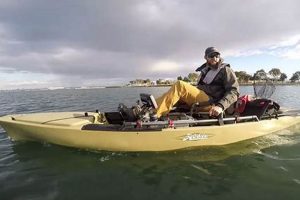
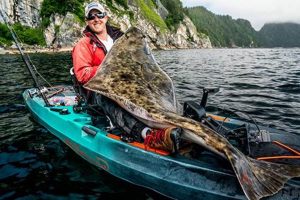
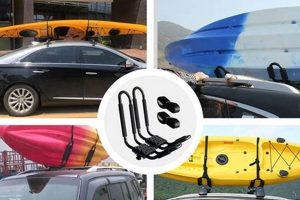
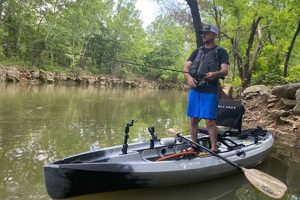
The Bluegrass State offers abundant opportunities for anglers to experience the tranquility and excitement of paddling and casting from a small, maneuverable vessel. This activity involves accessing Kentucky’s numerous lakes, rivers, and streams with a kayak to pursue various fish species. Imagine drifting silently down a secluded creek, casting for smallmouth bass, or exploring the vast expanse of a reservoir in search of crappie. This pursuit allows close contact with nature and provides a unique perspective on the aquatic environment.
This method of angling provides a low-impact way to enjoy the outdoors, promotes physical activity, and allows access to otherwise unreachable fishing spots. It has grown in popularity due to its affordability, versatility, and the rising interest in eco-friendly recreational activities. The state’s rich angling heritage, combined with its diverse waterways, makes it an ideal destination for this increasingly popular sport. From the Ohio River to smaller, hidden streams, the diverse waters offer challenges and rewards for anglers of all skill levels.
The following sections will explore the best locations, necessary equipment, specific techniques, and relevant regulations for a successful and enjoyable experience on Kentucky’s waterways. Topics will include selecting the right kayak, essential safety precautions, and respecting local ecosystems.
Tips for Kayak Angling in Kentucky
Successful outings on Kentucky waters require careful planning and preparation. These tips offer valuable insights for maximizing enjoyment and ensuring safety.
Tip 1: Research Locations Thoroughly: Different waterways offer diverse fishing opportunities and challenges. Consult maps, online resources, and local fishing reports to determine suitable locations based on target species and skill level. Cave Run Lake, for example, is known for its muskie fishing, while the Green River is popular for smallmouth bass.
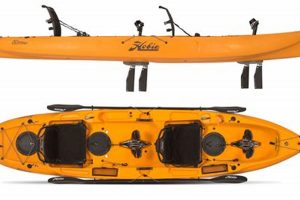
Tip 2: Choose the Right Kayak: Selecting an appropriate vessel is crucial. Longer kayaks track better in open water, while shorter, wider kayaks offer greater stability for river fishing. Consider features like rod holders, storage compartments, and anchor systems.
Tip 3: Prioritize Safety Equipment: Always wear a personal flotation device (PFD). Carry a whistle, signaling device, and first-aid kit. Check weather conditions before embarking and inform someone of your itinerary.
Tip 4: Master Basic Paddling Techniques: Efficient paddling conserves energy and allows anglers to cover more water. Practice maneuvering in various conditions before venturing into challenging environments. Understanding river currents is particularly important.
Tip 5: Employ Appropriate Fishing Techniques: Adapt tackle and techniques to the target species and waterway. Lighter lines and lures are often effective in clear streams, while heavier gear may be necessary in larger lakes or rivers. Research effective bait options for Kentucky fish species.
Tip 6: Respect Wildlife and the Environment: Practice catch-and-release whenever possible. Avoid disturbing nesting areas and sensitive habitats. Pack out all trash and leave the area cleaner than you found it.
Tip 7: Obtain Necessary Licenses and Permits: Ensure compliance with all Kentucky fishing regulations. Acquire appropriate licenses and familiarize oneself with size and creel limits for different species.
By following these guidelines, anglers can enhance their chances of a productive and rewarding experience while contributing to the preservation of Kentucky’s aquatic resources.
These preparatory steps will contribute significantly to a safe and fulfilling experience on the water, paving the way for enjoyable angling in the heart of the Bluegrass State.
1. Location Selection

Location selection is paramount for a successful Kentucky kayak fishing excursion. The diverse waterways across the state offer unique opportunities and challenges, impacting target species accessibility, fishing techniques, and overall experience. Careful consideration of factors such as water flow, clarity, depth, and surrounding habitat is essential. Choosing a location aligned with the angler’s skill level and desired species is crucial for maximizing success and enjoyment.
For example, the calm, shallow waters of Kentucky Lake are ideal for novice anglers targeting crappie or bluegill. The abundant vegetation and submerged structure provide excellent cover for these species. Conversely, experienced anglers seeking a challenge might prefer the swift currents and rocky shorelines of the Cumberland River, known for its smallmouth bass and muskie populations. These distinct environments require specialized kayak setups and fishing strategies. Selecting a suitable launch point and understanding access regulations are also critical components of location selection.
Effective location selection directly influences the success and safety of a Kentucky kayak fishing trip. Researching potential locations, consulting local resources such as fishing reports and maps, and understanding the specific characteristics of different waterways are crucial steps. This informed approach allows anglers to optimize their experience, target desired species effectively, and contribute to the preservation of Kentucky’s diverse aquatic ecosystems.
2. Kayak Choice
Kayak selection significantly impacts the Kentucky kayak fishing experience. Choosing the right vessel involves careful consideration of the state’s diverse waterways and the angler’s target species. Kentucky offers various fishing environments, from placid lakes to swift-flowing rivers. Each environment demands specific kayak characteristics to ensure optimal performance, stability, and safety. For instance, a longer, narrower kayak designed for speed and tracking performs well on larger bodies of water like Lake Barkley, enabling anglers to cover greater distances and efficiently troll for species such as striped bass. Conversely, a shorter, wider kayak with enhanced stability is better suited to navigating the currents and maneuvering within the tighter confines of rivers like the Kentucky River, where anglers often target smallmouth bass or catfish.
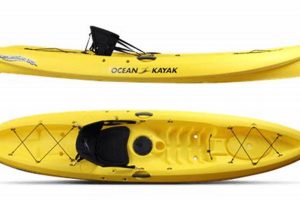
The choice between a sit-on-top and a sit-inside kayak further influences fishing effectiveness. Sit-on-top kayaks offer superior stability and ease of entry and exit, making them ideal for calmer waters and warmer weather. Their open design facilitates casting and retrieving, and they are less susceptible to swamping. Sit-inside kayaks, while offering greater protection from the elements and increased storage capacity, can be less maneuverable and more challenging to recover from a capsize. Specific features like rod holders, anchor trolleys, and storage compartments also contribute to the overall effectiveness of a fishing kayak. A well-equipped kayak improves organization, reduces clutter, and maximizes fishing time. Matching kayak features to specific fishing techniques, such as fly fishing or trolling, enhances efficiency and enjoyment.
Careful kayak selection is therefore an essential aspect of successful Kentucky kayak fishing. Understanding the interplay between kayak design, waterway characteristics, and target species empowers anglers to make informed decisions. The right kayak enhances safety, improves fishing effectiveness, and ultimately contributes to a more rewarding experience on Kentucky’s waters. Neglecting this crucial aspect can compromise safety and limit fishing success. Anglers should prioritize stability, maneuverability, and features relevant to their chosen fishing style and environment. This careful consideration ensures a positive and productive experience on Kentucky’s diverse waterways.
3. Safety Gear
Safety gear is paramount in Kentucky kayak fishing due to the inherent risks associated with navigating waterways. Unpredictable currents, changing weather conditions, and potential encounters with submerged obstacles necessitate a proactive approach to safety. A comprehensive understanding of essential safety equipment and its proper usage is crucial for mitigating risks and ensuring a positive experience. For instance, wearing a personal flotation device (PFD) is not merely a recommendation but a legal requirement and a fundamental safety precaution. A PFD provides crucial buoyancy in the event of a capsize, significantly increasing the chances of survival. Furthermore, carrying a whistle allows anglers to signal for help in emergencies, particularly in remote locations with limited cell phone reception. A waterproof first-aid kit equipped to handle common injuries like cuts, scrapes, and fishhook punctures is also essential. Navigational tools such as a compass or GPS device, along with a waterproof map of the waterway, can prevent disorientation and assist in safely returning to shore, especially in unfamiliar waters or during changing weather conditions.
Beyond these fundamental items, additional safety precautions enhance preparedness. Carrying a throw rope can assist in rescuing others in distress, while a bilge pump helps remove water from a swamped kayak. Checking weather forecasts before embarking on a fishing trip is crucial, as sudden storms or strong winds can create hazardous conditions. Informing someone of the intended fishing location and expected return time is a fundamental safety practice. This allows for timely assistance if anglers fail to return as planned. Properly securing fishing gear and other equipment to the kayak prevents loss and minimizes the risk of entanglement in the event of a capsize. Regularly inspecting and maintaining safety equipment ensures its effectiveness when needed.
Prioritizing safety gear and adopting a proactive approach to risk management are integral components of responsible Kentucky kayak fishing. These precautions minimize potential hazards and allow anglers to fully enjoy the experience. Understanding the potential dangers associated with the sport and consistently utilizing appropriate safety measures ensures a safe and rewarding time on Kentucky’s diverse waterways. Neglecting these aspects can have serious consequences, impacting not only the angler’s well-being but also the safety of others involved in rescue efforts. A comprehensive understanding of safety protocols and their consistent application is therefore essential for fostering a culture of safety and responsibility within the Kentucky kayak fishing community.
4. Fishing Techniques
Effective fishing techniques are integral to successful Kentucky kayak fishing. The unique characteristics of kayak angling necessitate adaptations to traditional methods. Kayak anglers operate within closer proximity to the water, requiring precise casting and retrieval techniques. The limited space within a kayak necessitates efficient tackle management and organization. Adapting techniques to Kentucky’s diverse waterways and target species is crucial. For instance, when fishing for smallmouth bass in the Current River, a popular float fishing destination, anglers often employ lighter lines and lures presented with finesse techniques, mimicking the movement of natural prey. This approach requires subtle rod manipulation and precise lure placement near rocky structures and submerged logs. Conversely, when trolling for crappie on Kentucky Lake, anglers utilize heavier lines and larger lures, often incorporating downriggers or planer boards to reach deeper water where these fish congregate. Understanding the nuances of each technique enhances effectiveness and maximizes catch rates.
Furthermore, specialized techniques like drift fishing or anchoring and casting cater to specific kayak fishing scenarios. Drift fishing, often employed on rivers, involves allowing the current to carry the kayak downstream while presenting bait or lures to likely holding areas. This technique requires careful boat control and an understanding of river dynamics. Anchoring, conversely, allows anglers to maintain a stationary position in a promising spot, maximizing fishing time and lure presentation. This approach is particularly effective when targeting specific structures like submerged brush piles or drop-offs. Furthermore, kayak anglers often utilize specialized equipment like fish finders and GPS units to locate fish concentrations and identify productive areas. Integrating these technologies with traditional angling techniques enhances efficiency and improves the odds of success.
Mastering appropriate fishing techniques is therefore essential for maximizing success and enjoyment in Kentucky kayak fishing. Adapting methods to the unique challenges and opportunities presented by kayak angling, coupled with an understanding of Kentucky’s diverse fisheries, significantly impacts catch rates. Proficiency in casting, retrieving, and manipulating lures from a kayak, combined with knowledge of specific techniques like drift fishing and anchoring, enhances angling effectiveness. Ultimately, integrating traditional fishing wisdom with the specialized requirements of kayak angling contributes to a more rewarding and productive experience on Kentucky’s waterways.
5. Regulations and Licensing

Adherence to Kentucky’s fishing regulations and licensing requirements is essential for responsible and legal kayak angling. These regulations, established by the Kentucky Department of Fish and Wildlife Resources, serve to protect fish populations, maintain ecological balance, and ensure the sustainability of the state’s aquatic resources. They encompass various aspects, including licensing requirements, size and creel limits for different species, designated fishing seasons, and restrictions on certain fishing methods or gear. For example, anglers targeting black bass on Lake Cumberland must adhere to specific size limits, ensuring that smaller fish are released to contribute to future breeding populations. Similarly, regulations dictating the type and number of hooks permitted when fishing for catfish on the Ohio River aim to prevent overfishing and maintain a healthy fish population. Understanding these regulations is not only a legal obligation but also a demonstration of respect for the environment and a commitment to preserving Kentucky’s angling heritage.
Obtaining a valid Kentucky fishing license is a prerequisite for all anglers, including those fishing from kayaks. Licenses can be purchased online, at authorized license vendors, or through the Kentucky Fish and Wildlife Resources app. Different license types cater to residents, non-residents, and specific durations, such as annual, short-term, or lifetime licenses. Choosing the appropriate license depends on residency status and the intended fishing duration. Furthermore, anglers should familiarize themselves with specific regulations pertaining to their target species and chosen waterways. These regulations often vary depending on the location and species, requiring anglers to research and understand the specific rules applicable to their chosen fishing destination. Ignorance of these regulations is not a valid defense against legal repercussions, underscoring the importance of proactive research and compliance.
Compliance with regulations and licensing requirements contributes significantly to the long-term health and sustainability of Kentucky’s fisheries. By adhering to these guidelines, kayak anglers play a crucial role in preserving these valuable resources for future generations. This responsible approach ensures the continued enjoyment of Kentucky’s diverse waterways and the thriving fish populations they support. Failure to comply not only undermines conservation efforts but also carries potential legal consequences, including fines and suspension of fishing privileges. Ultimately, understanding and adhering to Kentucky’s fishing regulations is a demonstration of ethical angling practices and a commitment to preserving the state’s rich angling heritage.
Frequently Asked Questions
This section addresses common inquiries regarding kayak fishing within Kentucky.
Question 1: What are the most popular fish species targeted by kayak anglers in Kentucky?
Popular targets include largemouth and smallmouth bass, crappie, catfish, and muskie. Specific species vary depending on the waterway and time of year.
Question 2: Are there specific kayak launch sites designated for anglers in Kentucky?
Numerous public boat ramps and access points accommodate kayak launches. Specific locations can be found on the Kentucky Department of Fish and Wildlife Resources website and through local resources.
Question 3: What safety precautions are essential for kayak fishing in Kentucky?
Essential precautions include wearing a personal flotation device (PFD), carrying a whistle and signaling device, checking weather conditions, and informing someone of the fishing itinerary.
Question 4: What types of fishing licenses are required for kayak fishing in Kentucky?
A valid Kentucky fishing license is required. Different licenses cater to residents, non-residents, and specific durations (annual, short-term, lifetime). Details are available on the Kentucky Department of Fish and Wildlife Resources website.
Question 5: Are there specific regulations regarding fishing gear or methods when kayak fishing in Kentucky?
Regulations vary depending on the species and waterway. Consult the Kentucky Department of Fish and Wildlife Resources for specific guidelines on size and creel limits, permitted bait and tackle, and restricted fishing methods.
Question 6: What resources are available for learning more about kayak fishing locations and techniques in Kentucky?
Valuable resources include the Kentucky Department of Fish and Wildlife Resources website, local fishing clubs, bait and tackle shops, and online forums dedicated to Kentucky fishing.
Careful consideration of these frequently asked questions promotes safe, legal, and productive kayak angling experiences in Kentucky. Preparedness and adherence to regulations enhance enjoyment and contribute to the conservation of the state’s aquatic resources.
For further information on specific locations, techniques, and regulations, please consult the resources mentioned above.
Kentucky Kayak Fishing
This exploration has highlighted the multifaceted nature of kayak angling within Kentucky. From selecting appropriate locations and kayaks to understanding safety protocols, fishing techniques, and regulations, each aspect contributes significantly to a successful and rewarding experience. The diverse waterways across the state offer unique opportunities to pursue a variety of fish species, while the low-impact nature of kayak fishing promotes close interaction with nature. Careful consideration of equipment, techniques, and local regulations ensures both angler safety and the preservation of Kentucky’s aquatic ecosystems.
Kentucky’s abundant waterways offer an exceptional setting for this increasingly popular sport. Respect for the environment, coupled with a commitment to responsible angling practices, ensures the continued enjoyment of these valuable resources for generations to come. Continued exploration and understanding of Kentuckys diverse aquatic habitats will further enrich the kayak fishing experience and contribute to the long-term sustainability of these precious ecosystems.