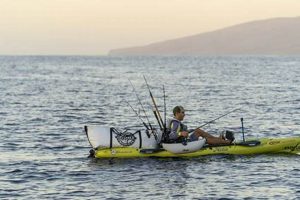
This activity involves angling from a small, human-powered watercraft in the United Kingdom. It offers a unique blend of outdoor recreation, enjoying the tranquility of the water and the thrill of the catch. Imagine gliding silently across a serene lake or maneuvering through a winding river, rod in hand, seeking a variety of freshwater or saltwater species.
The accessibility and affordability of this pursuit contribute to its growing popularity. It provides an intimate connection with nature, offering exercise and a sense of adventure while contributing to the local economies of coastal and inland communities. The history of angling in Britain is rich and extensive, and this contemporary approach allows individuals to connect with that heritage in a novel way.
Exploring this activity further will reveal valuable information regarding suitable locations, essential equipment, safety considerations, and the diverse fish species that can be encountered in the waters around Britain. This information will assist both novice and experienced anglers in deriving maximum enjoyment and success from their experiences.
Essential Tips for Kayak Angling in the UK
Preparation and knowledge are crucial for a successful and enjoyable fishing experience from a kayak. The following tips offer valuable guidance for anglers of all skill levels.
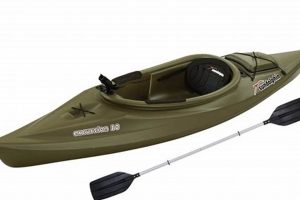
Tip 1: Choose the Right Kayak: Selecting a kayak suited to the intended fishing environment and personal preferences is paramount. Consider factors such as stability, maneuverability, storage capacity, and whether a sit-on-top or sit-inside model is preferred.
Tip 2: Prioritize Safety: Always wear a personal flotation device (PFD) and inform someone of the planned fishing location and estimated return time. Check weather forecasts before embarking and be aware of potential hazards such as changing tides and currents.
Tip 3: Equip Appropriately: Carry essential safety equipment including a whistle, signaling device, and first-aid kit. Fishing-specific gear should be chosen based on target species and the fishing method employed. A rod holder, anchor, and fish finder can enhance the experience.
Tip 4: Understand the Regulations: Obtain the necessary licenses and familiarize oneself with local fishing regulations, including catch limits and size restrictions. Respect the environment and practice catch-and-release whenever possible.
Tip 5: Plan Your Trip: Research potential fishing spots in advance, considering factors such as water depth, fish species present, and accessibility. A well-planned trip increases the likelihood of a successful and enjoyable outing.
Tip 6: Practice Paddle Techniques: Efficient paddling conserves energy and allows for better boat control. Learning basic strokes and maneuvering techniques will enhance the overall experience.
Tip 7: Respect Wildlife and the Environment: Minimize disturbance to wildlife and avoid littering. Leave the area as you found it, ensuring its preservation for future enjoyment.
By adhering to these guidelines, anglers can maximize their chances of a safe, productive, and rewarding experience on the water. Careful planning and a focus on safety are essential elements of successful kayak angling.
These insights provide a strong foundation for a rewarding fishing experience. The following section will offer further details on recommended locations and specific techniques.
1. Suitable Kayak Selection

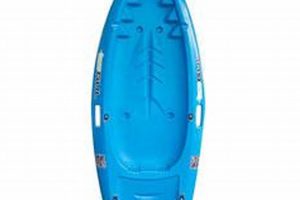
Suitable kayak selection significantly impacts the experience of kayak fishing in the UK. The diverse water environments, from calm lakes to coastal waters, necessitate careful consideration of kayak characteristics. Stability is paramount, particularly in choppy conditions or when battling larger fish. A wider, flatter hull design generally offers greater stability compared to a narrower, V-shaped hull, which prioritizes speed and tracking. Maneuverability is also crucial, particularly in rivers or areas with obstacles. Shorter kayaks are typically easier to turn and navigate in tight spaces, while longer kayaks track better in open water. Storage capacity dictates the amount of gear that can be carried, influencing trip duration and fishing strategy. Sit-on-top kayaks offer easier access to gear and are self-bailing, making them suitable for warmer conditions and calmer waters. Sit-inside kayaks provide greater protection from the elements and offer more storage options, though they require more skill to manage in the event of a capsize. For example, a stable sit-on-top kayak with ample storage is ideal for leisurely fishing on a large lake, while a maneuverable sit-inside kayak might be preferred for navigating a fast-flowing river.
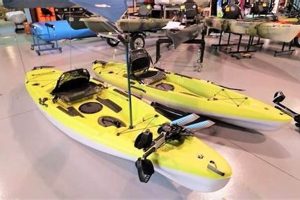
The selection process should also consider the angler’s physical capabilities and experience level. Lighter kayaks are easier to transport and launch, while heavier kayaks offer greater stability in challenging conditions. Beginners might benefit from a wider, more stable platform, while experienced anglers might prioritize speed and maneuverability. Certain kayak models are specifically designed for fishing, featuring integrated rod holders, fish finders, and other specialized accessories. Investing in a kayak tailored to fishing can significantly enhance the experience, offering improved functionality and convenience. For instance, an angler targeting large sea fish from a kayak off the Cornish coast would require a different vessel compared to someone fishing for trout on a Scottish loch.
In summary, careful kayak selection is essential for safe and successful kayak fishing in the UK. Matching the kayak’s characteristics to the intended fishing environment and the angler’s individual needs ensures optimal performance and enjoyment. Failing to consider these factors can lead to instability, difficulty maneuvering, limited storage capacity, and ultimately a compromised fishing experience. Choosing wisely enables anglers to fully embrace the unique opportunities and challenges that UK waters present. This, in turn, contributes to a more rewarding and sustainable engagement with this popular pastime.
2. Essential Safety Gear

Safety is paramount in kayak fishing, especially in the diverse and sometimes challenging waters around the UK. Proper safety equipment is not merely recommended, it is essential for mitigating risks and ensuring a positive experience. The following facets highlight key safety gear considerations for kayak anglers in the UK.
- Personal Flotation Device (PFD)
A PFD is non-negotiable. It provides buoyancy in the event of a capsize, a crucial safety net in cold UK waters. Choosing a comfortable, well-fitting PFD designed for kayaking or angling allows for freedom of movement while providing essential flotation. Inflatable PFDs are compact but require regular maintenance and checks. Automatic inflation mechanisms are recommended for less experienced anglers.
- Communication Devices
Maintaining communication is vital for safety. A waterproof VHF radio allows direct contact with the coastguard and other vessels, crucial in emergencies. Mobile phones, while useful, can be unreliable due to signal limitations. A whistle, attached to the PFD, provides a simple yet effective means of signaling distress in close proximity to others. Sharing trip plans, including location and estimated return time, with a responsible individual on shore is also essential.
- Navigation and Visibility Aids
Navigational aids are essential for safe passage, especially in conditions of reduced visibility. A handheld GPS unit or chart plotter assists in maintaining course and pinpointing location. Carrying a compass and nautical charts provides a backup in case of electronic failure. A bright, waterproof flashlight or headlamp is crucial for navigating in darkness or signaling for assistance. Wearing bright clothing or attaching reflective tape to the kayak enhances visibility to other watercraft.
- Safety Kit and First-Aid Supplies
A comprehensive safety kit is crucial for addressing unforeseen circumstances. A basic first-aid kit containing bandages, antiseptic wipes, and pain relief medication can address minor injuries. A bilge pump or bailer assists in removing water from the kayak in case of flooding. A knife or multi-tool can be invaluable for cutting lines or making repairs. A spare paddle is recommended in case of breakage or loss. Storing these items in a waterproof bag ensures they remain functional in wet conditions.
Careful consideration of these safety aspects ensures preparedness for the varied conditions encountered in UK waters. Prioritizing safety enhances enjoyment and promotes responsible participation in this demanding yet rewarding activity. This preparation fosters confidence and contributes to a more positive and secure experience for kayak anglers throughout the UK.
3. UK Fishing Regulations

Adherence to UK fishing regulations is essential for anyone engaging in kayak fishing within the United Kingdom. These regulations are designed to protect fish stocks, maintain healthy aquatic ecosystems, and ensure the sustainability of the sport. They encompass various aspects, including licensing requirements, catch limits, size restrictions, and permitted fishing methods. Ignoring these regulations can result in fines, confiscation of equipment, and potential legal action.
Different regulations apply to different bodies of water and target species. Sea fishing, for instance, generally requires a separate license from freshwater fishing. Some species are protected and have closed seasons during spawning periods. Size restrictions ensure that fish are allowed to mature and reproduce, contributing to the long-term health of the population. Specific regulations regarding the use of certain types of fishing gear, such as nets or specific lures, also exist in certain areas. For instance, catching salmon during designated close seasons carries hefty penalties and can impact future fishing privileges. Similarly, exceeding catch limits on species like bass can result in fines and contribute to the depletion of local stocks. Understanding the specific regulations applicable to the intended fishing location and target species is therefore crucial.
Practical application of this knowledge is straightforward. Anglers should consult the Environment Agency website or local angling clubs for specific regulations in their chosen area. Carrying a printed copy of the regulations while fishing can serve as a ready reference. Ensuring compliance not only avoids legal consequences but also contributes to the long-term health and sustainability of fish populations and the overall angling environment. This responsible approach benefits all anglers and safeguards the future of the sport. Failing to understand and adhere to these regulations poses a significant threat to the delicate balance of aquatic ecosystems and undermines the sustainability of kayak fishing in the UK.
4. Effective Paddling Techniques
Effective paddling techniques are integral to successful kayak fishing in the UK. Efficient propulsion minimizes effort and maximizes time spent fishing, rather than simply traveling between locations. Precise boat control allows anglers to position themselves strategically for optimal casting and presentation, crucial in diverse environments ranging from flowing rivers to open coastal waters. Maneuvering quietly and smoothly prevents spooking fish, a critical factor in shallow or clear water conditions. Consider an angler targeting bass in a tidal creek; precise paddle strokes enable subtle adjustments to position, maintaining an ideal casting angle without disturbing the fish or alerting them to the kayak’s presence. Conversely, inefficient paddling creates excess noise and movement, potentially driving fish away. This highlights the direct link between paddling technique and fishing success.
Specific paddling techniques offer distinct advantages in various fishing scenarios. A strong forward stroke provides efficient propulsion across open water, while a well-executed reverse stroke allows for quick stops and precise adjustments in position. Sweep strokes facilitate turning and maneuvering in tight spaces or around obstacles, crucial when navigating complex river systems or rocky coastlines. Draw strokes enable lateral movement, useful for maintaining position relative to a specific feature like a drop-off or weed bed. Consider a scenario where an angler hooks a large fish; proficient use of bracing strokes helps maintain stability and control during the fight, preventing capsize and increasing the likelihood of landing the fish. These examples demonstrate the practical application of effective paddling techniques in diverse kayak fishing situations across the UK.
Mastery of these techniques enhances not only fishing effectiveness but also safety and overall enjoyment. Reduced fatigue from efficient paddling conserves energy for focusing on the actual fishing, while confident boat control instills greater safety, particularly in challenging conditions. Quiet, controlled movement allows closer observation of wildlife and minimizes disturbance to the aquatic environment, fostering a deeper appreciation of the natural world. Therefore, effective paddling techniques are not merely a means of propulsion but a fundamental skill set that significantly enhances the overall kayak fishing experience in the UK. The ability to move efficiently and quietly, maintain precise positioning, and respond effectively to changing conditions directly impacts angling success and contributes to a safer, more rewarding experience on the water.
5. Ideal Fishing Locations

The selection of ideal fishing locations is paramount for successful kayak fishing in the UK. Diverse aquatic environments, ranging from sheltered lochs and tranquil canals to exposed coastal areas, offer unique opportunities and challenges. Understanding these nuances, considering target species, and factoring in accessibility are key components of effective location selection.
- Sheltered Inland Waters
Locations such as lakes, lochs, and canals offer calm conditions ideal for beginners and those seeking a relaxed fishing experience. These environments often hold diverse species like pike, perch, and roach. Accessibility is typically good, with numerous launch points and established facilities. The calm waters allow for easier boat control and facilitate the use of various fishing techniques. Loch Lomond in Scotland, for example, offers stunning scenery and excellent pike fishing opportunities, while the Kennet and Avon Canal provides a tranquil setting for targeting a variety of coarse fish. Sheltered waters provide an ideal entry point for novice kayak anglers in the UK.
- Coastal Estuaries and Bays
Estuaries and bays offer a mix of saltwater and freshwater species, attracting anglers seeking bass, flounder, and mullet. These locations demand more experience due to tidal currents and potentially choppy conditions. Careful planning around tide times and weather forecasts is essential. The sheltered nature of bays can offer some protection from strong winds and waves, while estuaries provide nutrient-rich environments that attract diverse fish populations. The Fal Estuary in Cornwall, for example, is renowned for its bass fishing, while Chichester Harbour offers opportunities for targeting a variety of species in relatively sheltered conditions. These locations require more advanced kayaking skills but offer rewarding fishing opportunities.
- Open Coastal Waters
Experienced kayak anglers seeking larger species like cod, pollock, and mackerel venture into open coastal waters. These environments demand advanced paddling skills, thorough safety precautions, and a deep understanding of sea conditions. Tidal flows, wave patterns, and wind strength significantly impact safety and fishing success. Launching from sheltered beaches or coves is recommended, with meticulous attention to weather forecasts. Sections of the Cornish coastline, for example, offer excellent opportunities for targeting larger species from a kayak, but require careful planning and execution. This type of kayak fishing presents significant challenges but offers the potential for exceptional rewards.
- Rivers and Streams
Rivers and streams offer unique challenges and rewards for kayak anglers. Navigating currents and obstacles requires advanced boat control. Species like trout, salmon, and grayling are common targets in these flowing waters. Accessing suitable launch points and understanding fishing regulations specific to each river are important considerations. The River Wye in Wales, for example, is renowned for its salmon fishing, while smaller streams throughout the UK offer excellent trout fishing opportunities. River fishing from a kayak demands specific skills and knowledge but provides an intimate connection with the environment.
Selecting ideal fishing locations based on skill level, target species, and environmental conditions significantly enhances the overall kayak fishing experience in the UK. Careful planning, thorough research, and an understanding of the specific characteristics of each location contribute to both safety and success. By matching location choice to individual capabilities and angling goals, kayak anglers can maximize their enjoyment and derive greater rewards from this exciting and dynamic pursuit.
6. Target Species Knowledge

Comprehensive knowledge of target species is fundamental to successful kayak fishing in the UK. Understanding fish behavior, habitat preferences, and feeding patterns significantly influences tackle choices, bait selection, and fishing location. This knowledge maximizes angling success and promotes responsible fishing practices. Effective angling relies on matching techniques and equipment to the specific characteristics of the targeted species.
- Habitat Preferences
Different species inhabit specific areas within a given body of water. Pike, for example, often lurk near weed beds and submerged structures, while trout favor faster-flowing, oxygen-rich sections of rivers. Understanding these preferences allows anglers to focus their efforts in productive zones. Locating areas with specific features like gravel beds during salmon spawning season increases the likelihood of encountering these fish. Targeting bass in rocky coastal areas with strong tidal flows aligns with their preferred habitat. This knowledge directly influences location selection and increases the probability of successful catches.
- Feeding Patterns
Knowledge of feeding patterns dictates bait choices and fishing techniques. Some species are active predators, striking lures aggressively, while others are bottom feeders, requiring different bait presentation. Understanding what a target species eats, when it feeds, and how it hunts informs tackle choices. Using surface lures during a mayfly hatch when trout are actively feeding on insects increases the chances of a strike. Presenting crabs or prawns on the seabed when targeting cod aligns with their bottom-feeding habits. Matching bait and technique to the species’ feeding patterns is a cornerstone of effective angling.
- Seasonal Variations
Fish behavior and distribution change throughout the year, influenced by factors like water temperature and spawning cycles. Certain species migrate between freshwater and saltwater environments at specific times. Understanding these seasonal variations is crucial for targeting particular species effectively. Fishing for sea trout in estuaries during their migration from the sea to freshwater rivers requires knowledge of their migratory patterns. Targeting coarse fish in shallower, warmer waters during the summer months reflects their seasonal habitat preferences. Adapting fishing strategies to seasonal changes significantly impacts fishing success.
- Legal and Ethical Considerations
Specific regulations often apply to particular species, including catch limits, size restrictions, and closed seasons. Understanding these regulations is crucial for legal compliance and responsible angling. Practicing catch and release for certain species or during specific periods helps maintain healthy fish populations. Adhering to size limits allows fish to reach maturity and reproduce. Using barbless hooks minimizes injury to fish during catch and release. Ethical considerations, such as minimizing disturbance to spawning grounds, contribute to the long-term sustainability of fish stocks and the overall health of the aquatic environment.
In the context of kayak fishing in the UK, target species knowledge is intertwined with location selection, safety considerations, and overall angling success. Choosing a location suitable for the target species and understanding the potential hazards associated with that environment are crucial aspects of responsible and productive fishing. The ability to effectively target specific species while respecting legal and ethical considerations ensures the sustainability of the sport and preserves the diverse aquatic ecosystems found throughout the UK.
7. Respectful Environmental Practices
Respectful environmental practices are integral to the sustainability of kayak fishing in the UK. The direct interaction with aquatic ecosystems necessitates a mindful approach, minimizing impact and preserving these environments for future generations. The interconnectedness of human actions and environmental consequences underscores the significance of responsible behavior. Disposing of fishing line responsibly, for instance, prevents entanglement of wildlife and reduces plastic pollution. Leaving no trace of presence ensures minimal disturbance to natural habitats, contributing to the long-term health of these fragile ecosystems. These actions directly impact the quality of the fishing experience and the overall health of the aquatic environment. Consider the impact of discarded plastic lures on birdlife or the damage caused by anchoring directly on sensitive coral reefs. Such practices not only harm the environment but also detract from the enjoyment of future angling experiences.
Practical applications of respectful environmental practices encompass various aspects of kayak fishing. Proper disposal of all waste, including food packaging and discarded tackle, prevents pollution and minimizes visual impact. Avoiding disturbance to wildlife, such as nesting birds or basking seals, maintains the ecological balance. Respecting designated no-fishing zones and adhering to catch limits contributes to the long-term sustainability of fish populations. Minimizing the use of motorized craft in sensitive areas reduces noise pollution and protects vulnerable habitats. Supporting local conservation initiatives and participating in waterway cleanups demonstrate a commitment to environmental stewardship. These actions exemplify the tangible impact individuals can have on preserving the natural environment while enjoying the recreational benefits of kayak fishing. The cumulative effect of individual actions, multiplied across the angling community, contributes significantly to the overall health and preservation of UK waterways.
The integration of respectful environmental practices within the framework of kayak fishing in the UK ensures the long-term viability of the sport and preserves the natural heritage of these valuable aquatic ecosystems. Acknowledging the interconnectedness between human actions and environmental consequences fosters a culture of responsibility and stewardship within the angling community. This understanding translates into tangible actions that safeguard the health and beauty of UK waters for present and future generations of kayak anglers. The challenge lies in promoting widespread adoption of these practices, ensuring that enjoyment of the sport does not come at the expense of the environment itself. Ultimately, the future of kayak fishing in the UK depends on the collective commitment to responsible environmental stewardship.
Frequently Asked Questions about Kayak Fishing in the UK
This section addresses common queries regarding kayak fishing in the UK, providing concise and informative responses to assist both novice and experienced anglers.
Question 1: What type of kayak is best suited for fishing in UK waters?
Kayak choice depends on the intended fishing environment and personal preferences. Sit-on-top kayaks offer stability and ease of use, particularly for beginners. Sit-inside kayaks provide greater protection from the elements and enhanced storage capacity. Inflatable kayaks offer portability and affordability, suitable for calmer waters. Consider factors such as stability, maneuverability, and storage needs when selecting a kayak.
Question 2: What essential safety equipment is required for kayak fishing in the UK?
A personal flotation device (PFD) is mandatory. Essential safety equipment also includes a whistle, communication device (VHF radio or mobile phone), navigation aids (GPS or compass), and a first-aid kit. A bilge pump, paddle leash, and spare paddle are also recommended.
Question 3: Are there specific fishing licenses required for kayak fishing in the UK?
Fishing licenses are required for both freshwater and saltwater fishing in the UK. Separate licenses are typically required for different regions and species. Consult the Environment Agency website or local angling clubs for specific licensing requirements.
Question 4: Where are some recommended locations for kayak fishing in the UK?
Recommended locations vary depending on skill level and target species. Sheltered lakes and canals offer ideal conditions for beginners. Coastal estuaries and bays provide opportunities for more experienced anglers. Open coastal waters and rivers present greater challenges and require advanced skills and thorough planning. Research local regulations and access points before selecting a location.
Question 5: What are some effective fishing techniques for kayak anglers in the UK?
Effective techniques depend on the target species and the fishing environment. Trolling, jigging, and bottom fishing are common methods employed from kayaks. Understanding fish behavior and adapting techniques accordingly maximizes success. Local advice and online resources can provide valuable insights into effective techniques.
Question 6: How can one minimize environmental impact while kayak fishing in the UK?
Respectful environmental practices include proper waste disposal, avoidance of disturbance to wildlife, adherence to catch limits, and minimizing the use of motorized craft in sensitive areas. Using barbless hooks and practicing catch and release further minimize impact on fish populations.
Understanding these fundamental aspects of kayak fishing in the UK contributes significantly to safety, enjoyment, and the long-term sustainability of this rewarding pursuit.
The following section delves into advanced techniques for maximizing fishing success from a kayak.
Conclusion
This exploration of kayak angling within the United Kingdom has highlighted key elements contributing to a safe, successful, and sustainable experience. From appropriate kayak selection and essential safety considerations to understanding UK fishing regulations and employing effective paddling techniques, preparation is paramount. Knowledge of ideal fishing locations, target species behavior, and respectful environmental practices further enhances the experience while ensuring the preservation of these valuable aquatic ecosystems. Anglers venturing into these waters find themselves in a unique position, balancing the pursuit of sporting enjoyment with a responsibility for environmental stewardship.
The future of this increasingly popular activity relies on the continued commitment to responsible practices and a deep appreciation for the delicate balance of the natural world. Informed participation, coupled with a genuine respect for the environment, ensures the longevity and sustainability of kayak fishing in the UK, allowing future generations to experience the rewards and challenges of this unique pursuit. The waters surrounding the British Isles offer a rich tapestry of angling opportunities, awaiting those prepared to embrace the challenges and rewards of kayak fishing.