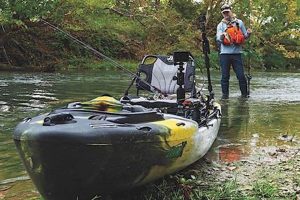
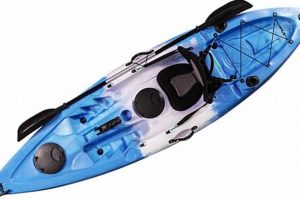
The marketing and sale of kayaks encompasses a broad range of small, human-powered boats designed for water activities. These vessels are typically categorized by their intended use, including recreational paddling, fishing, touring, and whitewater navigation. Examples include sit-on-top kayaks, known for stability and ease of use, and sit-inside kayaks, offering greater protection from the elements and enhanced performance in challenging conditions. This range caters to diverse customer needs and preferences, from leisurely exploration to competitive pursuits.
Providing access to these vessels allows individuals to experience the numerous physical and mental benefits of paddling, including improved cardiovascular health, stress reduction, and a deeper connection with nature. Historically, kayaks have played a crucial role in various cultures for transportation, hunting, and fishing. Today, their continued popularity underscores their versatility and enduring appeal as a means of recreation and exploration. The evolving design and manufacturing techniques contribute to a wide array of options available to consumers, driving innovation within the industry.
This discussion will further explore various aspects of the kayak market, including popular manufacturers, key features to consider when selecting a vessel, and the advantages and disadvantages of different kayak types. It will also delve into the evolving trends shaping the industry, such as the rise of inflatable and modular kayaks, and the growing demand for sustainable manufacturing practices. Finally, it will provide practical guidance for both buyers and sellers navigating this dynamic market.
Tips for Kayak Sales
Successfully navigating the kayak market requires careful consideration of several key factors. These tips provide guidance for optimizing the process, whether buying or selling.
Tip 1: Understand the Target Audience: Different kayak types cater to specific needs. Recreational kayaks suit calm waters and leisurely paddling, while touring kayaks prioritize speed and efficiency for longer journeys. Knowing the intended use informs effective marketing and sales strategies.
Tip 2: Highlight Key Features: Focus on construction materials, hull design, storage capacity, and included accessories. Emphasize benefits such as stability, maneuverability, and comfort. Clear descriptions and high-quality images are crucial.
Tip 3: Provide Accurate Dimensions and Specifications: Weight capacity, length, and width are critical for user safety and comfort. Precise measurements help potential buyers determine suitability and avoid mismatches.
Tip 4: Disclose Condition Accurately: Honesty regarding the kayak’s condition builds trust. Clearly describe any wear and tear, repairs, or modifications. Provide detailed photographs of any imperfections.
Tip 5: Competitive Pricing: Research current market values for comparable kayaks. Pricing competitively attracts buyers while ensuring a fair return on investment. Consider factors like age, condition, and included accessories.
Tip 6: Facilitate Convenient Transactions: Offer flexible payment options and clear communication regarding shipping or local pickup arrangements. A smooth transaction enhances the buyer’s experience and fosters positive reviews.
Tip 7: Safety First: Always prioritize safety. If selling a used kayak, ensure it is free of structural damage and meets safety standards. Encourage buyers to utilize appropriate safety gear, such as personal flotation devices.
By adhering to these guidelines, individuals can effectively engage with the kayak market, fostering successful transactions and promoting safe and enjoyable paddling experiences.
This information provides a foundation for informed decision-making within the dynamic landscape of kayak sales. Further exploration of specific kayak types, manufacturers, and market trends will follow.
1. Kayak Types

A strong understanding of kayak types is fundamental to successful kayak sales. Different types cater to specific needs and preferences, directly influencing consumer purchasing decisions. This connection necessitates careful consideration of how each type aligns with target demographics and market demands. For example, recreational kayaks, characterized by stability and ease of use, appeal to casual paddlers and families seeking relaxed outings on calm waters. Their affordability and user-friendliness often make them a popular choice for entry-level paddlers. Conversely, touring kayaks, designed for longer journeys and open water conditions, attract experienced paddlers prioritizing speed, efficiency, and storage capacity. The features, price point, and marketing strategy must reflect the specific attributes valued by this distinct customer segment.
Further illustrating this connection, whitewater kayaks, built for navigating rapids and challenging river conditions, require specialized design features like enhanced maneuverability and durability. This specialization narrows the target audience to experienced paddlers seeking adrenaline-inducing adventures. Similarly, fishing kayaks, equipped with rod holders, livewells, and other specialized gear, appeal directly to anglers. Their design directly addresses the unique needs of this niche market, impacting pricing and sales strategies. Understanding these nuanced relationships between kayak type and target customer allows for effective marketing and ultimately drives sales success.
In summary, effective engagement with the “kayaks for sell” market hinges on a thorough understanding of kayak types and their respective target audiences. By recognizing the unique needs and preferences of each customer segment, sellers can tailor their marketing efforts, pricing strategies, and product offerings to maximize sales potential. Failure to recognize these crucial connections can lead to mismatched marketing, lost sales opportunities, and ultimately, an ineffective approach to navigating this dynamic marketplace. This principle applies across the spectrum of kayak types, emphasizing the critical importance of understanding the product in relation to its intended consumer.
2. Pricing Strategy

Pricing strategy plays a pivotal role in the successful sale of kayaks. The relationship between price and consumer demand directly impacts sales volume and profitability. A well-defined pricing strategy considers multiple factors, including market value, competitor pricing, product condition, and target audience. For example, a new, high-end fishing kayak with advanced features commands a higher price than a used recreational kayak intended for casual use. Conversely, pricing a basic recreational kayak significantly higher than comparable models may deter potential buyers. Therefore, establishing a price that aligns with perceived value and market dynamics proves crucial for attracting buyers and achieving sales objectives.
Several pricing models can be applied to kayak sales. Premium pricing positions a kayak as a high-value product, justifying a higher price point based on superior quality, features, or brand recognition. Competitive pricing aims to match or slightly undercut competitor prices to capture market share. Value pricing emphasizes affordability, appealing to budget-conscious consumers. The chosen pricing strategy should align with the overall marketing strategy and target audience. For instance, a premium pricing strategy may be effective for a high-end touring kayak targeting experienced paddlers, while a value pricing approach might be more suitable for a basic recreational kayak aimed at casual users. Furthermore, seasonal factors can influence pricing decisions. Offering discounts or promotions during the off-season can stimulate demand and clear inventory.
In conclusion, effective pricing strategy constitutes a cornerstone of successful kayak sales. Understanding market dynamics, competitor pricing, and consumer preferences informs optimal pricing decisions. Aligning the pricing strategy with the target audience and product positioning maximizes sales potential while ensuring profitability. Failure to implement a thoughtful pricing strategy can lead to lost sales opportunities, diminished profitability, and an ineffective presence in the competitive kayak market. Therefore, careful consideration of pricing strategy remains essential for achieving sustainable success in kayak sales.
3. Target Audience

Identifying the target audience constitutes a critical step in effectively marketing and selling kayaks. Understanding consumer demographics, preferences, and motivations allows for tailored marketing strategies that resonate with potential buyers. This focused approach maximizes reach and conversion rates within specific customer segments, directly impacting sales success.
- Recreational Paddlers:
This segment typically includes families, beginners, and individuals seeking leisurely paddling experiences on calm waters. They prioritize stability, comfort, and ease of use. Marketing efforts targeting this group often emphasize affordability, user-friendliness, and recreational features such as cup holders and ample storage. Real-world examples include families enjoying a leisurely paddle on a lake or beginners taking their first kayaking lesson.
- Touring Enthusiasts:
Experienced paddlers seeking longer journeys and open-water adventures comprise this audience. They value speed, efficiency, tracking, and storage capacity for multi-day trips. Marketing materials should highlight performance characteristics, durable construction, and specialized features such as rudders and deck rigging. Examples include individuals undertaking expeditions along coastlines or experienced paddlers participating in organized tours.
- Fishing Enthusiasts:
Anglers seeking specialized kayaks equipped for fishing activities form a distinct target audience. Rod holders, livewells, anchor trolleys, and ample storage for tackle are key features attracting this group. Marketing should emphasize the kayak’s fishing-specific design, stability, and maneuverability in various fishing environments. Real-world examples include anglers fishing in lakes, rivers, or coastal areas from their kayaks.
- Whitewater Adventurers:
This niche audience comprises experienced paddlers seeking the thrill of navigating rapids and challenging whitewater conditions. Maneuverability, durability, and safety features are paramount considerations. Marketing materials should showcase the kayak’s performance in whitewater environments, highlighting its robust construction and specialized design features like reinforced hulls and adjustable foot braces. Examples include kayakers navigating challenging rapids or participating in whitewater competitions.
By understanding the specific needs and motivations of each target audience, marketers can tailor their messaging, product offerings, and sales strategies to effectively reach potential buyers. This targeted approach optimizes marketing spend, increases conversion rates, and ultimately drives success in the competitive kayak market. Recognizing the nuances within each segment allows for the development of effective marketing campaigns, product development strategies, and ultimately, stronger connections with consumers, leading to increased sales and customer satisfaction.
4. Sales Channels
Effective distribution through appropriate sales channels is essential for maximizing reach and driving sales within the kayak market. Strategic selection of sales channels directly influences market penetration, brand visibility, and ultimately, revenue generation. Each channel offers unique advantages and disadvantages, necessitating careful consideration of target audience, product type, and marketing objectives. Aligning sales channels with these factors optimizes sales performance and contributes to a comprehensive market presence.
- Online Marketplaces:
Online marketplaces, such as eBay, Amazon, and specialized paddling gear platforms, provide broad reach and high visibility to diverse consumer segments. These platforms offer established infrastructure for product listings, payment processing, and buyer-seller communication. Real-world examples include individual sellers listing used kayaks on eBay or retailers utilizing Amazon to distribute new kayak models. However, competition can be intense, requiring strategic pricing and effective product presentation to stand out. Additionally, marketplace fees can impact profit margins, necessitating careful cost analysis.
- Direct-to-Consumer Websites:
Manufacturer or retailer websites offer direct control over branding, product presentation, and customer experience. This channel fosters stronger brand loyalty and allows for direct engagement with consumers. Examples include established kayak manufacturers selling directly to consumers through their websites or specialized retailers offering online sales alongside physical storefronts. However, building and maintaining a website requires technical expertise and ongoing investment. Driving traffic to the site also necessitates dedicated marketing efforts.
- Specialty Retail Stores:
Physical retail stores specializing in outdoor gear or paddling equipment offer consumers the opportunity to physically inspect kayaks, receive expert advice, and purchase related accessories. Examples include local paddle sports outfitters or national outdoor retail chains. This channel provides a personalized shopping experience and fosters trust through direct interaction. However, retail stores require physical space, inventory management, and trained staff, resulting in higher overhead costs compared to online channels. Geographic reach is also limited by physical store locations.
- Consignment and Secondhand Markets:
Consignment shops and online platforms specializing in used sporting goods offer a viable channel for selling pre-owned kayaks. This channel caters to budget-conscious buyers and provides an avenue for selling used equipment. Examples include local gear consignment stores or online platforms dedicated to secondhand outdoor gear. While this channel can expand reach to budget-conscious consumers, it often involves lower profit margins compared to selling new kayaks. Accurate condition assessment and clear communication regarding any wear and tear are crucial for building trust and facilitating successful transactions.
The strategic selection and integration of these sales channels directly influence the success of “kayaks for sell” endeavors. Balancing online and offline presence, leveraging the strengths of each channel, and aligning distribution strategies with target audience preferences maximizes market penetration and drives sales performance. Furthermore, adapting to evolving consumer behavior and emerging sales channels remains crucial for sustained success in the dynamic kayak market. By carefully evaluating and integrating these channels, businesses and individuals can effectively reach their target audiences, enhance brand visibility, and optimize sales outcomes within the competitive landscape of kayak sales.
5. Marketing Efforts

Effective marketing efforts are crucial for driving successful kayak sales. Strategic promotion increases product visibility, generates leads, and ultimately converts potential buyers into paying customers. Understanding the target audience and tailoring marketing strategies to their specific needs and preferences maximizes the impact of marketing investments and drives sales performance.
- Targeted Advertising:
Utilizing targeted advertising campaigns on platforms frequented by potential kayak buyers maximizes reach and engagement. These platforms include social media channels, online forums dedicated to paddling sports, and search engine marketing targeting relevant keywords. Examples include displaying ads for fishing kayaks on online fishing forums or promoting recreational kayaks on family-oriented travel websites. This focused approach ensures that marketing messages reach the intended audience, increasing the likelihood of conversion.
- Content Marketing:
Creating valuable and engaging content related to kayaking attracts potential buyers and establishes brand authority. This content can include blog posts about kayaking destinations, videos demonstrating kayaking techniques, or informative articles about choosing the right kayak. For example, a blog post about the best kayaking spots in a particular region can attract local kayaking enthusiasts, while a video demonstrating how to choose a kayak paddle can inform and engage potential buyers. This approach builds trust and positions the brand as a valuable resource within the kayaking community.
- Search Engine Optimization (SEO):
Optimizing online content for relevant keywords improves search engine rankings, increasing organic visibility to potential buyers searching for kayaks online. For instance, optimizing product descriptions with keywords such as “fishing kayak,” “touring kayak,” or “recreational kayak” increases the likelihood of appearing in search results when users search for these terms. Effective SEO strategies drive organic traffic to online stores or product listings, generating leads and ultimately contributing to sales growth.
- Partnerships and Collaborations:
Collaborating with complementary businesses or influencers within the outdoor recreation industry expands reach and brand awareness. Examples include partnering with local paddle sports outfitters to offer joint promotions or collaborating with kayaking influencers to review and promote specific kayak models. These partnerships expose the brand to a wider audience and leverage the credibility and influence of established partners. This synergistic approach can significantly boost brand visibility and drive sales within the target market.
By strategically integrating these marketing efforts, businesses and individuals selling kayaks can effectively reach their target audiences, generate leads, and drive sales. Adapting marketing strategies to the specific needs and preferences of each target segment, staying current with evolving marketing trends, and consistently measuring marketing performance are crucial for optimizing results and achieving success in the competitive kayak market. The effectiveness of these efforts directly influences the success of “kayaks for sell” endeavors, highlighting the importance of a well-defined and executed marketing strategy.
6. Condition Assessment

Condition assessment forms a critical component of the “kayaks for sell” landscape. A thorough evaluation of a kayak’s condition directly impacts its market value, buyer interest, and the overall sales process. Accurate and transparent condition reporting builds trust with potential buyers, facilitates informed purchasing decisions, and minimizes disputes or returns. Conversely, neglecting condition assessment can lead to misrepresented listings, dissatisfied customers, and damage to seller reputation. Consider a used kayak with a repaired hull. Openly disclosing the repair, along with detailed photographs, allows potential buyers to assess the repair’s quality and make informed decisions. This transparency fosters trust and facilitates a smoother transaction. Conversely, failing to disclose the repair could lead to buyer dissatisfaction and potential legal repercussions.
Several key aspects constitute a comprehensive kayak condition assessment. Hull integrity, including examination for cracks, dents, or deep scratches, is paramount. Deck condition, assessing for wear and tear, fading, or damage, influences perceived value. Hardware, including inspection of hatches, rudders, footrests, and seat condition, impacts functionality and user experience. Paddle condition and any included accessories, such as life vests or spray skirts, further influence overall value. Documentation of manufacturing date, model number, and any previous repairs enhances transparency and provides valuable information to potential buyers. For example, a well-maintained vintage kayak with documented repairs might attract collectors willing to pay a premium, while a heavily used recreational kayak with significant wear and tear would command a lower price. Understanding these nuances allows sellers to accurately represent their offerings and buyers to make informed purchases.
In summary, meticulous condition assessment is integral to ethical and successful kayak sales. Transparency regarding condition, supported by detailed descriptions and visual documentation, builds trust and facilitates smooth transactions. Accurate assessment informs appropriate pricing strategies, attracting relevant buyers and maximizing sales potential. Ultimately, a comprehensive understanding of kayak condition assessment benefits both buyers and sellers, fostering a fair and transparent marketplace. Neglecting this crucial step poses significant risks, impacting seller credibility and potentially leading to legal disputes. Therefore, prioritizing condition assessment remains essential for responsible and successful participation in the “kayaks for sell” market.
7. Legal Compliance

Legal compliance forms an integral aspect of “kayaks for sell,” encompassing regulations and requirements governing sales transactions and product safety. Adherence to these legal frameworks protects both buyers and sellers, ensuring fair practices and minimizing potential liabilities. Understanding and complying with relevant laws and regulations are essential for ethical operations and long-term sustainability within the kayak market. Neglecting legal compliance can lead to penalties, legal disputes, and reputational damage, impacting business viability and consumer trust.
- Consumer Protection Laws:
Consumer protection laws safeguard buyers against unfair or deceptive sales practices. These laws often mandate accurate product descriptions, disclosure of any defects, and adherence to advertised warranties. For example, accurately representing the condition of a used kayak, including any repairs or damage, protects buyers from unknowingly purchasing a defective product. Non-compliance can result in legal action, financial penalties, and damage to seller reputation. Real-world scenarios include legal action against sellers who misrepresent kayak conditions or fail to honor warranty agreements.
- Product Safety Regulations:
Kayaks must meet specific safety standards and regulations to ensure user safety. These regulations may address design requirements, manufacturing processes, and labeling guidelines. For instance, kayaks sold in certain regions must comply with buoyancy and stability standards to minimize the risk of capsizing. Manufacturers and sellers bear responsibility for ensuring kayaks meet these standards. Failure to comply can lead to product recalls, legal liabilities, and potential harm to consumers. Examples include recalls of kayaks with faulty hatch closures or insufficient buoyancy.
- Sales Tax and Business Licensing:
Businesses selling kayaks must comply with relevant sales tax regulations and obtain necessary business licenses. These requirements vary depending on jurisdiction and business structure. Accurately collecting and remitting sales tax ensures compliance with local tax laws. Operating without the required licenses can result in fines and legal penalties. Real-world examples include businesses facing penalties for failing to collect sales tax or operating without a valid business license. This applies to both online and physical retail operations.
- Import/Export Regulations:
Businesses involved in importing or exporting kayaks must adhere to international trade regulations. These regulations may include tariffs, customs duties, and restrictions on certain materials or designs. Compliance ensures smooth cross-border transactions and avoids legal complications. Non-compliance can lead to delays, fines, and confiscation of goods. Examples include delays in shipments due to improper customs documentation or penalties for importing kayaks made with restricted materials.
Navigating the “kayaks for sell” market requires diligent attention to these legal compliance aspects. Failure to adhere to these legal frameworks can expose businesses and individuals to significant risks, including financial penalties, legal disputes, and reputational damage. Prioritizing legal compliance not only protects businesses and consumers but also fosters a fair and transparent marketplace. By understanding and adhering to relevant laws and regulations, stakeholders contribute to a sustainable and ethical kayak market, promoting trust and ensuring long-term viability. This interconnectedness highlights the critical importance of legal compliance within the broader context of “kayaks for sell.”
Frequently Asked Questions
This section addresses common inquiries regarding kayak sales, providing concise and informative responses to facilitate informed decision-making.
Question 1: How to determine the appropriate kayak size for individual needs?
Kayak size selection depends on factors such as paddler weight, intended use, and storage capacity requirements. Manufacturers provide weight capacity guidelines for each model. Longer kayaks generally track better and offer higher speeds, while shorter kayaks offer enhanced maneuverability. Storage needs vary based on intended trip duration and gear requirements.
Question 2: What are the primary differences between sit-on-top and sit-inside kayaks?
Sit-on-top kayaks offer greater stability and ease of entry/exit, making them suitable for beginners and recreational use in warm climates. Sit-inside kayaks provide better protection from the elements and enhanced performance in colder conditions or challenging waters. They typically offer greater storage capacity.
Question 3: How to assess the condition of a used kayak before purchase?
Thorough inspection of a used kayak should include examination of the hull for cracks, dents, or repairs. Check the deck for wear and tear, and inspect hardware, including hatches, rudders, and footrests. Assess seat condition and paddle condition. Inquire about the kayak’s history, including previous repairs or damage.
Question 4: What are the essential safety considerations when using a kayak?
Always wear a personal flotation device (PFD). Dress appropriately for water temperature and weather conditions. Carry a whistle or other signaling device. Inform someone of paddling plans, including location and estimated return time. Check weather forecasts before embarking on a kayaking trip. Be aware of potential hazards such as boat traffic, currents, and changing weather conditions.
Question 5: How to choose the right kayak paddle?
Paddle length selection depends on paddler height, kayak width, and paddling style. Shorter paddles are generally suitable for narrower kayaks and more aggressive paddling styles, while longer paddles suit wider kayaks and more relaxed paddling. Blade shape and material also influence performance and efficiency.
Question 6: What are the recommended maintenance practices for kayaks?
Regular rinsing with fresh water after each use helps prevent corrosion and damage from saltwater or other contaminants. Store kayaks out of direct sunlight to prevent fading and material degradation. Regularly inspect and lubricate moving parts such as rudder cables and hatch hinges. Address any damage promptly to prevent further deterioration.
Understanding these key aspects of kayak sales empowers consumers to make informed decisions, ensuring safe and enjoyable paddling experiences. Careful consideration of these factors contributes to a positive and informed purchasing experience.
For further information, explore detailed resources regarding specific kayak types, manufacturers, and paddling destinations.
Conclusion
The “kayaks for sell” market represents a dynamic intersection of recreation, commerce, and consumer demand. This exploration has highlighted key factors influencing successful navigation of this market, including kayak types and their respective target audiences, pricing strategies, effective utilization of sales channels, targeted marketing efforts, the critical importance of accurate condition assessment, and the necessity of adhering to legal compliance frameworks. Each element plays a crucial role in shaping market dynamics and influencing sales outcomes.
The evolving landscape of kayak design, manufacturing, and consumer preferences necessitates continuous adaptation within the “kayaks for sell” domain. Informed decision-making, ethical sales practices, and a commitment to consumer safety remain paramount for fostering a sustainable and thriving market. Further exploration of emerging trends, technological advancements, and evolving consumer behaviors will continue to shape the future trajectory of kayak sales, demanding ongoing adaptation and informed engagement from all stakeholders.