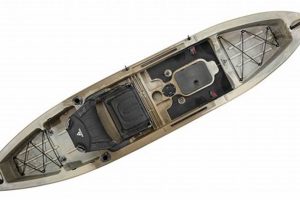
A small, stable vessel specifically designed for angling this powerful, pelagic fish offers anglers a unique and challenging pursuit. This approach provides maneuverability in shallow waters and allows anglers to access areas larger boats cannot reach, increasing the chance of encountering these migratory predators.
The strategic advantage of this specialized vessel allows for a stealthier approach, crucial when targeting these wary fish. This method often proves more environmentally friendly and economical than larger, motorized alternatives. Historically, smaller watercraft have played a significant role in fishing cultures worldwide, demonstrating a long-standing connection between humans and the aquatic environment. Modern advancements in kayak design and fishing technology have further refined this pursuit, offering a dynamic and engaging experience for anglers.
Further exploration will cover essential equipment, effective techniques, and important safety considerations for pursuing these challenging game fish from a small watercraft perspective.
Tips for Successful Cobia Fishing from a Kayak
Successful cobia fishing from a kayak requires careful planning and execution. These tips offer valuable insights to enhance angling success and ensure a safe and rewarding experience.
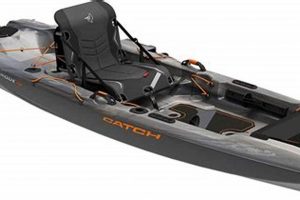
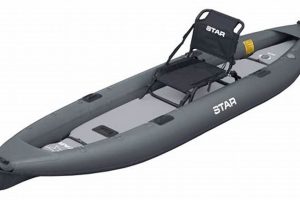
Tip 1: Choose the Right Kayak: Selecting a stable and maneuverable kayak designed for offshore fishing is paramount. Consider models with ample storage for gear and a comfortable seating arrangement for extended periods on the water.
Tip 2: Utilize Appropriate Tackle: Heavy-duty spinning or conventional tackle is recommended for targeting these strong fish. A robust rod and reel paired with high-strength braided line are crucial for handling their powerful runs.
Tip 3: Employ Effective Chumming Strategies: Chumming with live bait or cut bait can attract cobia to the kayak. A well-placed chum slick can significantly increase the chances of enticing a strike.
Tip 4: Master Sight Casting Techniques: Cobia are often spotted cruising near the surface. Developing proficient sight-casting skills allows anglers to quickly and accurately present their bait or lure to these opportunistic feeders.
Tip 5: Understand Cobia Behavior: Familiarizing oneself with cobia behavior, including their migratory patterns and feeding habits, can greatly improve angling success. Knowledge of local conditions and preferred prey is essential.
Tip 6: Prioritize Safety: Wearing a personal flotation device (PFD) is crucial for kayak anglers. Carrying essential safety equipment, such as a VHF radio, signaling devices, and a first-aid kit, should always be a priority.
Tip 7: Practice Proper Fish Handling: Employing appropriate fish handling techniques minimizes stress on the fish and ensures its healthy release. Using a lip grip and minimizing handling time are important considerations.
By adhering to these guidelines, anglers can significantly improve their chances of landing a cobia from a kayak while prioritizing safety and responsible fishing practices.
These tips offer a starting point for anglers venturing into this exciting fishing style. Continued learning and on-the-water experience will further refine skills and contribute to lasting angling success.
1. Kayak Stability

Kayak stability forms a cornerstone of successful cobia fishing. These powerful fish are known for their strong runs and acrobatic fights, demanding a stable platform for anglers to effectively manage the challenges presented during the hook and fight. A stable kayak allows for secure casting, accurate hooksets, and controlled retrieval, reducing the risk of capsizing or losing balance during crucial moments. For example, when a hooked cobia makes a sudden change in direction, a stable kayak provides the angler with the necessary balance to maintain control and avoid being pulled overboard. Conversely, an unstable kayak can compromise an angler’s ability to react effectively, potentially leading to lost fish or even dangerous situations.
The importance of kayak stability extends beyond simply staying afloat. It directly influences an angler’s ability to present bait effectively, fight the fish efficiently, and ultimately land the catch. A stable platform allows for greater precision in casting and retrieving lures or bait, maximizing the chances of enticing a strike. Furthermore, it provides a secure base for applying appropriate pressure during the fight, minimizing the risk of line breakage or hook pulls. Consider the scenario of an angler battling a large cobia near structure; a stable kayak allows for precise maneuvering and leverage, enabling the angler to steer the fish away from hazards and ultimately secure the capture.
In summary, kayak stability is not merely a desirable feature but a critical prerequisite for effective cobia fishing. It provides the foundation for a safe and successful angling experience, enabling anglers to confidently engage these challenging game fish while mitigating risks associated with unstable platforms. Understanding the direct link between kayak stability and angling success is essential for any angler venturing offshore in pursuit of cobia.
2. Specialized Gear

Specialized gear plays a crucial role in successful cobia fishing from a kayak. The unique challenges and opportunities presented by this fishing style necessitate equipment tailored to the specific demands of targeting these powerful fish from a small, mobile platform. Effective gear selection significantly impacts an angler’s ability to locate, hook, fight, and land cobia while maintaining safety and maximizing efficiency.
- Rods and Reels
Heavy-duty spinning or conventional rods and reels are essential for handling the strength and size of cobia. Rods typically range from 7 to 8 feet in length, providing the necessary leverage and backbone for battling these powerful fish. Reels should be spooled with high-strength braided line, offering superior abrasion resistance and sensitivity compared to monofilament. For example, a 7-foot medium-heavy spinning rod paired with a 6000-size spinning reel spooled with 50-pound braid provides a balanced setup capable of handling most cobia encounters.
- Terminal Tackle
Durable terminal tackle is critical for withstanding the rigors of cobia fishing. Leaders of 60-80 pound fluorocarbon are recommended to resist abrasion against the cobia’s rough mouth and sharp gill plates. Strong, sharp hooks in sizes ranging from 7/0 to 9/0 are necessary for securing a solid hookset. Swivels and crimps should be heavy-duty and corrosion-resistant to ensure the integrity of the rig. An example of a typical cobia rig might include a 60-pound fluorocarbon leader connected to a 9/0 circle hook, rigged with a live bait or artificial lure.
- Landing Tools
Landing a large cobia from a kayak requires specialized tools to ensure a safe and efficient retrieval. A sturdy lip grip provides a secure hold for controlling the fish during landing and release. A large net with a durable handle and mesh can also be useful for scooping the fish into the kayak. These tools minimize handling time, reducing stress on the fish and promoting its healthy release. For instance, using a lip grip to control the fish while removing the hook allows for a quick and safe release back into the water.
- Safety Equipment
Safety should always be a primary concern when fishing offshore from a kayak. Essential safety gear includes a personal flotation device (PFD), a VHF radio for communication, signaling devices such as flares or a mirror, and a first-aid kit. These items are crucial for mitigating risks associated with open-water environments. A reliable PFD, for example, can be lifesaving in the event of a capsize, while a VHF radio allows for communication with other boaters or the Coast Guard in case of an emergency.
The strategic selection and use of specialized gear significantly enhance the effectiveness and safety of cobia fishing from a kayak. The right equipment empowers anglers to confidently target these challenging fish while mitigating potential risks associated with offshore angling. By combining appropriate rods, reels, terminal tackle, landing tools, and safety equipment, kayak anglers are well-equipped to pursue cobia and enjoy a rewarding fishing experience.
3. Open Water Techniques
Open water techniques are essential for successful cobia fishing from a kayak. These techniques encompass a range of skills and strategies specific to locating and engaging cobia in their natural offshore habitat. Unlike fishing in structured environments, open water presents unique challenges and opportunities that require specialized approaches. The effectiveness of these techniques directly influences an angler’s ability to find and hook cobia, impacting the overall success of the fishing trip. For example, understanding cobia’s migratory patterns and preferred habitats allows anglers to focus their efforts in areas with higher probabilities of encountering these fish. Drifting over reefs, wrecks, or along weed lines are examples of common open water techniques used to target migrating cobia. Reading subtle clues such as changes in water color or the presence of baitfish further improves the chances of finding these apex predators. Properly positioning the kayak up-current or down-current of a suspected cobia location also determines an angler’s likelihood of getting within casting range and avoiding detection by these wary fish.
Effective open water techniques often involve a combination of observation, patience, and adaptability. Spotting cobia cruising near the surface or following rays requires keen eyesight and an understanding of their behavior. Once spotted, a stealthy approach is crucial for avoiding spooking these fish. Quietly paddling into casting position and presenting a bait or lure naturally are critical for eliciting a strike. Adapting to changing conditions, such as shifts in wind or current, is also essential for maintaining an advantageous position and maximizing fishing opportunities. Consider a scenario where cobia are sighted following a school of rays. An angler employing effective open water techniques would anticipate the cobia’s movement, position the kayak accordingly, and present a lure or bait in a manner that mimics the rays’ natural prey. This approach significantly increases the likelihood of triggering a predatory response from the cobia.
Mastering open water techniques significantly enhances the effectiveness and enjoyment of cobia fishing from a kayak. These specialized skills enable anglers to navigate the offshore environment, locate cobia, and employ appropriate strategies for enticing a strike. The ability to read the water, understand cobia behavior, and adapt to changing conditions are crucial elements for success. These techniques, combined with proper kayak handling and appropriate gear, contribute to a rewarding and productive cobia fishing experience. Challenges such as changing weather patterns or the unpredictable nature of cobia movement underscore the importance of continuous learning and refinement of open-water techniques for consistent success in this demanding yet rewarding fishing style.
4. Safety Precautions
Safety precautions are paramount in cobia fishing from a kayak. The open-water environment presents inherent risks, magnified by the challenges of targeting large, powerful fish from a small vessel. A comprehensive understanding of these risks and the implementation of appropriate safety measures are crucial for mitigating potential hazards and ensuring a safe and enjoyable fishing experience. Neglecting safety protocols can lead to serious consequences, impacting not only the angler’s well-being but also potentially requiring the involvement of search and rescue operations.
- Personal Flotation Device (PFD)
A PFD is non-negotiable for kayak anglers. It provides essential buoyancy in the event of a capsize or accidental overboard entry, significantly increasing the chances of survival. Choosing a comfortable, well-fitting PFD designed for paddling is essential. For example, a Type III PFD offers good flotation and freedom of movement, suitable for kayak fishing. Regularly inspecting the PFD for wear and tear and ensuring its proper fit are crucial for maximizing its effectiveness.
- Communication Equipment
Maintaining reliable communication is vital in offshore environments. A VHF radio allows for direct contact with other boaters and the Coast Guard in case of emergencies. Carrying a waterproof handheld VHF radio with a fully charged battery is recommended. Knowing how to operate the radio and understanding standard maritime communication protocols are essential for effective communication in distress situations. A cell phone in a waterproof case can serve as a secondary communication device, but its reliability can be affected by distance from cell towers and weather conditions.
- Visual Distress Signals
Visual distress signals provide a crucial means of attracting attention in emergency situations. Carrying signaling devices such as flares, a signal mirror, or a whistle can significantly increase the chances of being located by rescuers. Understanding the proper use of these devices and their limitations is important. For example, flares have an expiration date and should be replaced regularly. Practicing using a signal mirror can improve its effectiveness in reflecting sunlight towards potential rescuers.
- Weather Awareness and Planning
Checking weather forecasts before venturing offshore is crucial for safe kayak fishing. Understanding wind conditions, wave heights, and potential storms allows anglers to make informed decisions about whether to proceed with a trip. Monitoring weather conditions during the trip and being prepared to return to shore if conditions deteriorate are essential for avoiding hazardous situations. For example, strong offshore winds can quickly push a kayak far from shore, making it difficult to paddle back. Having a float plan and informing someone on shore of the intended fishing location and return time are important safety measures.
These safety precautions are interconnected and contribute to a comprehensive safety strategy for cobia fishing from a kayak. By prioritizing safety and adhering to these guidelines, anglers can significantly reduce the risks associated with open-water fishing and enjoy a more rewarding and secure experience. Furthermore, a proactive approach to safety not only protects the angler but also minimizes the potential burden on search and rescue resources. The inherent risks of offshore kayak fishing underscore the importance of continuous learning and refinement of safety practices for all anglers.
5. Respectful Handling
Respectful handling is an integral aspect of cobia fishing from a kayak, directly impacting the well-being of the fish and the sustainability of the fishery. The physical stress exerted on a fish during capture can significantly impact its survival, especially in warmer waters. Cobia, known for their powerful fights, are particularly susceptible to stress-induced mortality if not handled carefully. Minimizing air exposure, supporting the fish’s body weight, and using appropriate tools for hook removal are crucial elements of respectful handling. For example, using a lip grip to secure the fish while removing the hook reduces the risk of dropping the fish or causing further injury. This practice also allows for quicker release, minimizing the time the fish is out of the water.
The practical significance of respectful handling extends beyond the immediate survival of the released fish. It contributes to the long-term health and sustainability of the cobia population. Stress-induced mortality can negatively impact breeding populations and overall fish stocks. By employing respectful handling techniques, anglers play a direct role in conserving the fishery for future generations. Furthermore, ethical considerations underscore the importance of treating captured fish with respect. Minimizing suffering and ensuring a healthy release reflect a responsible approach to angling. Consider the example of an angler catching a large cobia. While the immediate desire might be to hold the fish aloft for a photo, a more respectful approach would involve quickly removing the hook while the fish is supported in the water, minimizing stress and maximizing its chances of survival. This conscientious act benefits the individual fish and contributes to the overall health of the fishery.
Respectful handling, therefore, is not merely a best practice but a fundamental responsibility for cobia anglers. It represents a commitment to conservation, ethical angling practices, and the long-term sustainability of the fishery. The challenges of kayak fishing, such as limited space and the dynamic nature of the open-water environment, underscore the importance of mastering these techniques. Continuous refinement of handling skills, coupled with an understanding of the physiological impacts on the fish, ensures that catch-and-release practices truly minimize stress and maximize post-release survival. This approach safeguards the future of cobia populations and contributes to a more responsible and sustainable fishing ethic.
Frequently Asked Questions
This FAQ section addresses common queries regarding cobia fishing from a kayak, offering insights and clarification for anglers considering this specialized pursuit.
Question 1: What type of kayak is best suited for cobia fishing?
Longer, sit-on-top kayaks designed for offshore fishing are recommended. Stability, storage capacity, and a comfortable seating arrangement are key considerations.
Question 2: What is the recommended tackle setup for cobia from a kayak?
Heavy-duty spinning or conventional tackle with a 7- to 8-foot rod, a robust reel spooled with 50- to 80-pound braided line, and a fluorocarbon leader are generally recommended.
Question 3: How does one locate cobia in open water from a kayak?
Locating cobia involves understanding their migratory patterns and preferred habitats. Look for them near structures, following rays, or cruising near the surface. Chumming can also attract them.
Question 4: What are the essential safety precautions for kayak fishing for cobia?
Wearing a PFD, carrying a VHF radio, having visual distress signals, checking weather forecasts, and informing someone of the float plan are essential safety measures.
Question 5: How should cobia be handled to ensure their well-being after capture?
Minimize air exposure, support the fish’s body weight, use a lip grip for control, and remove the hook quickly to minimize stress and maximize post-release survival.
Question 6: What are the legal requirements for kayak fishing for cobia?
Regulations vary by location. Anglers must possess the necessary fishing licenses and adhere to size and bag limits. Consulting local regulations before fishing is crucial.
Addressing these common questions provides a foundational understanding of the essential aspects of cobia fishing from a kayak. Thorough preparation, adherence to safety protocols, and respectful handling practices are crucial for a successful and sustainable angling experience.
Additional resources, such as local fishing guides and online forums, can provide further insights and practical advice for anglers seeking to refine their skills in this demanding yet rewarding pursuit.
Conclusion
This exploration has provided a comprehensive overview of pursuing cobia from a kayak. Key aspects discussed include selecting appropriate kayaks and specialized gear, understanding open-water techniques and cobia behavior, prioritizing safety precautions, and employing respectful handling practices. The demanding nature of this fishing style necessitates careful preparation and a commitment to responsible angling.
Successfully targeting cobia from a kayak requires continuous learning, adaptation, and respect for both the fish and the environment. The pursuit offers a unique and challenging angling experience, rewarding those who dedicate themselves to mastering the necessary skills and knowledge. Ultimately, the future of this specialized fishing style depends on the responsible actions of individual anglers committed to conservation and sustainable practices.