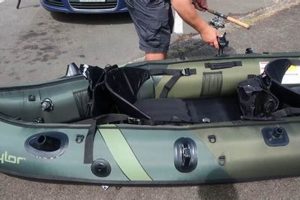
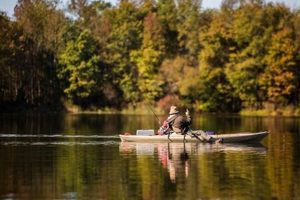
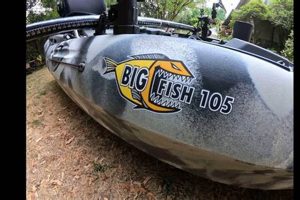
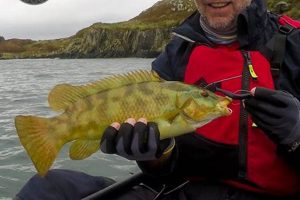
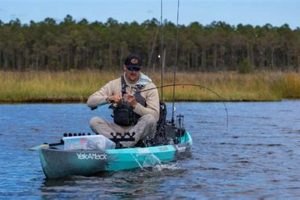
This pursuit involves angling for tuna from a kayak. It typically requires specialized equipment, including a seaworthy kayak, heavy-duty fishing rods and reels, and robust tackle designed to handle powerful fish. Anglers often employ techniques like trolling, chunking, or jigging to attract and land these pelagic predators.
The activity offers a unique blend of challenge and reward. It provides a direct, immersive connection with the marine environment and allows anglers to test their skills against some of the ocean’s most formidable game fish. Historically, smaller vessels have been used for fishing, but the recent rise in popularity of this specific method can be attributed to advancements in kayak design and fishing gear, making it a more accessible and effective approach. This accessibility offers a thrilling alternative to larger, more expensive chartered fishing trips.
This overview serves as an introduction to the multifaceted aspects of this exciting fishing method. Further exploration will cover essential equipment, effective techniques, safety considerations, and the conservation ethics crucial for responsible angling.
Tips for Successful Offshore Angling
Preparation and knowledge are crucial for a productive and safe experience targeting large pelagic fish from a kayak. The following tips offer valuable insights for anglers venturing offshore.
Tip 1: Choose the Right Kayak: A stable, seaworthy kayak designed for offshore fishing is essential. Look for features like high weight capacity, ample storage, and rudder systems for enhanced maneuverability in challenging conditions.
Tip 2: Utilize Proper Safety Equipment: A personal flotation device (PFD), a VHF radio, a signaling device like a flare gun, and a first-aid kit are non-negotiable. Inform someone of the intended fishing location and estimated return time.
Tip 3: Select Appropriate Tackle: Heavy-duty rods, reels, and line are necessary to handle powerful fish. Consider using braided line for its strength and sensitivity. Terminal tackle, including hooks, leaders, and swivels, should be equally robust.
Tip 4: Master Essential Techniques: Trolling, chunking, and jigging are common techniques. Research and practice these methods to increase the chances of success. Understanding fish behavior and preferred baits is advantageous.
Tip 5: Monitor Weather and Ocean Conditions: Check forecasts meticulously before embarking. Avoid venturing out in unfavorable conditions such as strong winds, high seas, or lightning storms. Be prepared to adjust plans based on changing conditions.
Tip 6: Practice Proper Fish Handling: Employ appropriate techniques for landing and releasing fish to minimize stress and ensure their survival. Use circle hooks and dehooking tools to expedite the release process.
Tip 7: Respect Conservation Regulations: Adhere to size and bag limits for target species. Practice ethical angling principles to ensure the sustainability of fish populations and the preservation of the marine environment.
By adhering to these guidelines, anglers can significantly increase their chances of a successful and safe fishing expedition while contributing to responsible resource management.
These practical tips provide a foundation for those seeking to embark on this exciting angling adventure. A comprehensive understanding of these elements will contribute to a more rewarding and sustainable fishing experience.
1. Specialized Kayak Selection

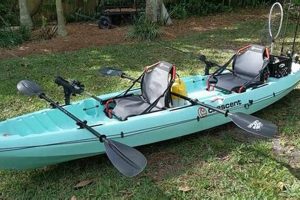
Specialized kayak selection plays a pivotal role in successful tuna fishing expeditions. The inherent challenges of targeting large, powerful fish in the open ocean necessitate a kayak designed to withstand demanding conditions. Stability, durability, and specialized features directly influence an angler’s safety and effectiveness. A kayak’s length, width, and hull design affect its stability in rough seas. Longer kayaks typically track better in a straight line, while wider kayaks offer increased primary stability, reducing the likelihood of capsizing. Sit-on-top kayaks, designed for self-bailing, are preferred for offshore fishing due to their ability to shed water quickly. Tuna fishing often requires extended periods offshore; therefore, ample storage space for tackle, gear, and potential catches is crucial.
Practical examples illustrate the importance of specialized kayak selection. A longer, narrower kayak designed for speed and efficiency might be suitable for trolling in calmer waters, whereas a shorter, wider kayak offers greater stability when battling a large tuna near the boat. Features like rod holders, outriggers, and anchor trolleys further enhance fishing effectiveness. An angler attempting to fight a powerful tuna from an unstable or ill-equipped kayak faces significant challenges, including potential capsize and equipment failure. Conversely, a properly outfitted kayak provides a safe and stable platform, maximizing the angler’s chances of landing the fish.
Choosing the appropriate kayak for tuna fishing involves carefully balancing stability, maneuverability, and storage capacity. While length and width contribute significantly to stability, features like rudders or pedal-powered propulsion systems aid in maintaining control and navigating currents. Sufficient storage allows anglers to carry necessary safety equipment, fishing gear, and provisions for extended trips. Understanding these considerations enables anglers to select a kayak that optimizes both safety and fishing effectiveness in the demanding offshore environment. This informed approach ultimately contributes to a more successful and rewarding experience.
2. Robust Fishing Gear

Targeting tuna from a kayak demands specialized, heavy-duty fishing gear capable of withstanding the immense power and fight these pelagic predators exhibit. The selection and utilization of robust equipment directly influence an angler’s ability to successfully hook, battle, and land these challenging fish. From the rod and reel to the line, leader, and hooks, each component plays a critical role in ensuring a safe and productive fishing experience.
- Rod and Reel Selection
Heavy-duty saltwater fishing rods with a high pound test rating are essential. These rods provide the necessary strength and backbone to handle the strain of a large tuna. Similarly, high-capacity saltwater spinning or conventional reels, designed for heavy line and drag pressures, are crucial. A robust reel capable of withstanding repeated runs and maintaining consistent drag pressure is paramount. For example, a high-quality spinning reel with a sealed drag system and a capacity of 300 yards of 50-pound braided line provides a suitable setup for targeting larger tuna species. Conversely, using lighter freshwater gear significantly increases the risk of equipment failure and line breakage.
- Line and Leader
Braided fishing line offers superior strength and abrasion resistance compared to monofilament, making it ideal for battling powerful fish in challenging environments. A heavy pound-test braided line, typically ranging from 50 to 80 pounds, is recommended. The leader, a section of heavier monofilament or fluorocarbon line connecting the main line to the hook, provides additional abrasion resistance and shock absorption. A heavy leader, typically 80 to 130 pounds, helps prevent the tuna’s teeth from cutting the line during the fight. Employing a wind-on leader system simplifies leader management and ensures a smooth transition from the main line to the leader.
- Hooks and Terminal Tackle
Strong, sharp hooks designed for saltwater fishing are essential for securely hooking and holding tuna. Circle hooks, known for their ability to hook fish in the corner of the mouth, are recommended for conservation purposes, reducing the risk of deep hooking and promoting successful catch and release. Heavy-duty swivels and crimps ensure secure connections between the leader, hooks, and any additional terminal tackle. For instance, when using live bait, a strong circle hook rigged with a short fluorocarbon leader and attached to the main line via a heavy-duty swivel provides a robust and effective setup. Utilizing lighter hooks or swivels can lead to failures at critical moments, resulting in lost fish and valuable time.
- Fighting Accessories
Certain accessories aid in battling large tuna from a kayak. A fighting belt, worn around the angler’s waist, helps distribute the load and provides leverage during the fight. A harness and gimbal system can further enhance comfort and control during prolonged battles. These tools allow anglers to apply maximum pressure without excessive strain, increasing the chances of successfully landing the fish. While not strictly essential, these accessories significantly enhance the angler’s ability to manage the fight and reduce fatigue. Consider, for example, an angler battling a 100-pound tuna; a fighting belt and harness system can provide the necessary support and leverage to endure a prolonged fight, increasing the likelihood of a successful outcome.
The careful selection and proper utilization of robust fishing gear are integral to successful kayak tuna fishing. The combined strength and reliability of the rod, reel, line, leader, hooks, and fighting accessories directly influence the angler’s ability to effectively manage the challenges presented by these powerful fish. By investing in high-quality equipment and understanding its proper application, anglers significantly improve their chances of a safe, rewarding, and successful fishing experience while minimizing the risk to both the angler and the targeted species.
3. Effective Techniques
Effective techniques are essential for successful kayak tuna fishing. These specialized methods increase the probability of locating and hooking tuna while maximizing angler safety and promoting conservation. Understanding and applying these techniques allows anglers to effectively target tuna from a kayak platform, compensating for the inherent limitations of size and maneuverability compared to larger vessels. The following facets highlight key techniques crucial for success.
- Trolling
Trolling involves dragging lures or baits behind a moving kayak. This method covers a large area of water, increasing the chances of encountering tuna. Various trolling spreads can be employed, using different lures and depths to target specific tuna species. For example, trolling skirted lures at varying distances behind the kayak can effectively attract yellowfin tuna. The speed of the kayak and the type of lure influence the depth and action of the presentation, impacting its effectiveness. Trolling requires careful monitoring of lines and rod holders to detect strikes. Once a fish strikes, the angler must quickly react, engaging the reel and setting the hook.
- Chunking
Chunking involves creating a chum slick to attract tuna to the kayak. Small pieces of baitfish are dispersed into the water, creating a scent trail that draws tuna towards the boat. Once tuna are attracted to the chum slick, larger bait chunks or live baits are presented on hooks. This technique is particularly effective when targeting schooling tuna. For instance, dispensing a chum slick of chopped sardines can attract yellowfin or skipjack tuna. When a tuna takes the baited hook, the angler must set the hook quickly and firmly to secure the catch. Chunking requires patience and careful observation of the water for signs of tuna activity.
- Jigging
Jigging involves vertically presenting lures in the water column. Metal jigs are dropped to the desired depth and then retrieved with a jerking motion, mimicking the movement of injured baitfish. This technique can be effective when tuna are concentrated in a specific area, such as near structure or bait balls. Different jigging techniques, such as fast retrieves or slow, methodical lifts, can entice strikes from various tuna species. For example, rapidly jigging a metal lure near a reef can attract blackfin tuna. Jigging requires active participation from the angler, maintaining contact with the lure and detecting subtle strikes.
- Live Baiting
Live baiting involves presenting live fish as bait. This method can be highly effective for attracting larger tuna. Small baitfish, such as mackerel or sardines, are caught and kept alive in a bait well or aerated container. The live bait is then hooked and presented near the surface or at depth, depending on the target species. For instance, drifting a live sardine near the surface can attract yellowfin tuna. Live baiting requires skill in handling and hooking live bait, as well as patience in waiting for a strike. The movement of the live bait attracts tuna, and the angler must be ready to set the hook when a fish takes the bait.
Mastering these techniques provides anglers with a diverse toolkit for targeting tuna from a kayak. Each method offers unique advantages and applications, catering to different tuna species and fishing conditions. By understanding the nuances of each technique and adapting to prevailing conditions, kayak anglers can significantly improve their chances of success. The effective application of these techniques, combined with proper safety procedures and conservation practices, contributes to a more rewarding and sustainable fishing experience.
4. Safety Precautions
Safety precautions are paramount in kayak tuna fishing due to the inherent risks associated with pursuing large, powerful fish in the open ocean. The potential for capsize, equipment failure, and encounters with unpredictable weather patterns necessitates a proactive and comprehensive approach to safety. Neglecting these precautions can lead to serious consequences, including injury, loss of equipment, or even life-threatening situations. A thorough understanding of potential hazards and the implementation of appropriate safety measures significantly mitigate these risks, allowing for a more secure and enjoyable fishing experience.
Several factors contribute to the heightened importance of safety in this activity. The open ocean environment presents unpredictable conditions, including changing weather patterns, strong currents, and the presence of other vessels. Kayaks, being relatively small and less stable than larger boats, are more susceptible to capsize in rough seas. Furthermore, the fight with a large tuna can be strenuous and prolonged, increasing the risk of fatigue and potential injury. Consider, for example, an angler hooking a large tuna in strong currents; without proper safety equipment and procedures, such as a personal flotation device (PFD), a VHF radio, and a well-defined float plan, a capsize could quickly escalate into a life-threatening situation. Similarly, neglecting to check weather forecasts before embarking on a fishing trip could expose the angler to dangerous storms or high seas, increasing the risk of capsize or disorientation.
Implementing comprehensive safety precautions significantly reduces these risks. Essential safety equipment includes a PFD, a VHF radio, signaling devices such as flares or a personal locator beacon (PLB), a first-aid kit, and navigation tools like a GPS and compass. Checking weather forecasts and communicating a float plan to a trusted individual before departure are crucial. Regularly inspecting kayak and fishing equipment for wear and tear helps prevent failures during critical moments. Practicing self-rescue techniques and understanding proper fish handling procedures further enhance angler safety. Ultimately, a proactive and meticulous approach to safety ensures a more secure and enjoyable kayak tuna fishing experience, allowing anglers to focus on the thrill of the pursuit while minimizing potential hazards.
5. Conservation Practices
Conservation practices are integral to the sustainability of kayak tuna fishing. Maintaining healthy fish populations and preserving marine ecosystems ensures the longevity of this activity for future generations. Responsible angling practices minimize environmental impact and contribute to the overall health of the ocean. Ignoring conservation principles can lead to detrimental consequences, including declining fish stocks, habitat degradation, and ultimately, the demise of the fishery. Understanding and implementing these practices is not merely a recommendation but a responsibility for all anglers.
- Selective Harvesting
Selective harvesting focuses on targeting specific sizes and species of tuna while minimizing bycatch. Adhering to size and bag limits, as established by local regulations, ensures that younger fish have the opportunity to mature and reproduce, contributing to the long-term health of the population. Utilizing appropriate gear and techniques further reduces bycatch, minimizing the unintentional capture of non-target species. For example, using circle hooks reduces the incidence of deep hooking, increasing the survival rate of released fish. Employing proper fish handling techniques, such as minimizing air exposure and supporting the fish during release, further enhances survival rates.
- Habitat Protection
Protecting critical tuna habitats is essential for maintaining healthy populations. Tuna rely on specific areas for spawning, feeding, and migration. Avoiding anchoring in sensitive habitats, such as coral reefs or seagrass beds, prevents damage to these vital ecosystems. Proper disposal of fishing line and other debris minimizes pollution and its impact on marine life. Supporting initiatives aimed at protecting essential tuna habitats, such as marine protected areas, contributes to the long-term sustainability of the fishery. For instance, participating in coastal cleanups or advocating for responsible coastal development helps preserve the integrity of these critical environments.
- Responsible Catch and Release
Responsible catch and release practices are crucial for conserving tuna populations. When releasing a tuna, minimizing handling time and air exposure reduces stress on the fish, increasing its chances of survival. Using appropriate dehooking tools, such as long-nosed pliers or dehookers, allows for quick and efficient removal of hooks, minimizing injury to the fish. Reviving the fish by gently moving it back and forth in the water helps ensure it recovers before being released. Promoting catch and release practices, especially for larger breeding-sized tuna, contributes significantly to the sustainability of the population.
- Data Collection and Reporting
Participating in data collection and reporting programs provides valuable information for fisheries management. Reporting catch data, tagging information, and observations of tuna behavior contributes to a better understanding of tuna populations and their interactions with the environment. This information helps inform management decisions, ensuring regulations remain effective in protecting tuna stocks. For example, reporting tagged tuna recaptures provides valuable data on migration patterns and growth rates. Participating in citizen science initiatives, such as submitting data on tuna sightings or bycatch, contributes to a broader understanding of tuna populations and their distribution.
Integrating these conservation practices into kayak tuna fishing ensures the long-term health and sustainability of the fishery. By prioritizing responsible angling techniques, habitat protection, and data collection, kayak anglers contribute directly to the preservation of tuna populations and the marine ecosystems they inhabit. These actions not only benefit the environment but also enhance the long-term enjoyment of kayak tuna fishing for generations to come. The interconnectedness of these practices underscores the importance of a holistic approach to conservation, recognizing that individual actions collectively contribute to a larger, sustainable future for this exciting and rewarding pursuit.
6. Ocean Knowledge

A comprehensive understanding of the ocean environment is fundamental to successful and safe kayak tuna fishing. This knowledge base encompasses various interconnected facets, each contributing significantly to an angler’s ability to locate, target, and successfully catch tuna while prioritizing safety and conservation. Possessing this knowledge equips anglers to make informed decisions, adapt to changing conditions, and ultimately enhance their fishing experience.
- Currents and Tides
Ocean currents and tides influence tuna movement and behavior. Understanding these patterns allows anglers to predict likely tuna holding areas and optimize fishing strategies. For example, strong currents converging around underwater structures or temperature breaks often concentrate baitfish, attracting tuna. Knowledge of tidal cycles helps determine optimal fishing times, as tuna feeding activity may coincide with specific tidal phases. Ignoring these factors can lead to unproductive fishing trips and potential safety hazards, particularly in strong currents or rapidly changing tides.
- Bathymetry and Structure
Knowledge of underwater topography, including depth variations (bathymetry) and underwater structures like reefs or seamounts, is essential for locating tuna. These features provide shelter and attract baitfish, creating prime hunting grounds for tuna. Utilizing nautical charts and fish finders helps identify promising fishing locations. For instance, locating a seamount rising from the deep ocean floor can pinpoint a potential tuna hotspot. Ignoring bathymetric information can lead to wasted time searching unproductive areas or potential grounding hazards in shallow waters.
- Water Temperature and Thermocline
Tuna are highly sensitive to water temperature. Understanding temperature gradients and the thermocline, the transition layer between warmer surface water and colder deep water, helps pinpoint areas where tuna are likely to congregate. Tuna often prefer specific temperature ranges, and locating these zones increases the probability of encountering fish. Using temperature sensors and understanding seasonal temperature variations enhances fishing effectiveness. For example, targeting the temperature break along a thermocline can significantly increase the likelihood of encountering tuna. Ignoring water temperature data can result in searching unproductive areas or targeting depths where tuna are less likely to be present.
- Weather Patterns
Weather conditions significantly impact kayak tuna fishing. Wind speed, wave height, and visibility influence both safety and fishing effectiveness. Strong winds and high seas create hazardous conditions for kayaking, increasing the risk of capsize. Changing weather patterns can also affect tuna behavior, making them more or less active. Monitoring weather forecasts and understanding local weather patterns are essential for planning safe and productive fishing trips. For instance, venturing offshore in deteriorating weather conditions can jeopardize angler safety. Ignoring weather forecasts can lead to dangerous situations and unproductive fishing trips.
These interconnected facets of ocean knowledge form the foundation for successful and safe kayak tuna fishing. By integrating this knowledge with practical fishing skills and conservation practices, anglers enhance their ability to locate and catch tuna while prioritizing safety and environmental responsibility. The dynamic nature of the ocean environment necessitates continuous learning and adaptation, allowing kayak anglers to refine their strategies and maximize their chances of success while minimizing potential risks. Ultimately, a deep understanding of the ocean empowers anglers to make informed decisions, leading to a more rewarding and sustainable fishing experience.
Frequently Asked Questions
This section addresses common inquiries regarding this demanding yet rewarding pursuit. The responses provide concise, informative answers designed to clarify potential uncertainties and promote safe and responsible angling practices.
Question 1: What type of kayak is best suited for tuna fishing?
A stable, seaworthy kayak designed for offshore conditions is essential. Look for features such as high weight capacity, ample storage, and a rudder system. Sit-on-top kayaks are generally preferred for their self-bailing capabilities.
Question 2: What essential safety equipment is required?
Essential safety gear includes a personal flotation device (PFD), a VHF radio, signaling devices (flares, personal locator beacon), a first-aid kit, and navigation tools (GPS, compass). A float plan should be filed with a trusted individual before each trip.
Question 3: What fishing techniques are most effective for targeting tuna from a kayak?
Effective techniques include trolling, chunking, jigging, and live baiting. The optimal approach depends on factors such as target species, location, and prevailing conditions.
Question 4: What conservation practices should be followed?
Adhering to size and bag limits, practicing selective harvesting, using circle hooks, and employing proper catch-and-release techniques are crucial for conserving tuna populations.
Question 5: How can one locate tuna from a kayak?
Understanding ocean currents, tides, bathymetry, water temperature, and the thermocline helps identify potential tuna holding areas. Utilizing fish finders and nautical charts further aids in locating these fish.
Question 6: What are the inherent risks of kayak tuna fishing?
Potential dangers include capsize, equipment failure, encounters with unpredictable weather, and interactions with marine life. Thorough preparation and adherence to safety protocols mitigate these risks.
These responses provide a foundational understanding of key aspects related to this challenging activity. A commitment to continuous learning and the prioritization of safety and conservation practices are crucial for a successful and responsible experience.
This FAQ section serves as a starting point for those seeking to embark on this demanding yet rewarding pursuit. Further research and practical experience are essential for developing proficiency and ensuring a safe and sustainable approach.
Kayak Tuna Fishing
This exploration has provided a comprehensive overview of kayak tuna fishing, encompassing essential aspects from specialized equipment and effective techniques to crucial safety precautions and conservation practices. The demanding nature of this pursuit requires meticulous preparation, a thorough understanding of the ocean environment, and a commitment to responsible angling. Successfully targeting tuna from a kayak necessitates a balanced approach, integrating practical skills with an unwavering respect for the marine ecosystem.
The future of kayak tuna fishing hinges on the continued adoption of sustainable practices and a collective commitment to conservation. The inherent challenges of this pursuit offer a unique opportunity to foster a deeper connection with the ocean and its inhabitants. Through responsible angling and ongoing education, the thrill of kayak tuna fishing can be preserved for future generations, ensuring the sustainability of both the sport and the targeted species.