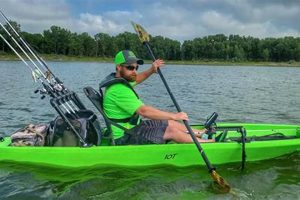
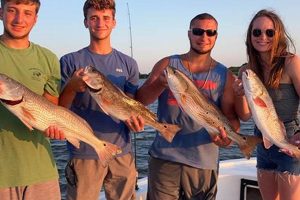
Small, human-powered vessels offer a unique approach to angling in sheltered coastal waters. This method allows anglers to access shallow areas, navigate quietly through delicate ecosystems, and experience a close connection with the environment. Imagine silently gliding through the shallows, casting a line near a mangrove forest, or drifting over a seagrass bed.
This style of fishing provides distinct advantages. The shallow draft allows exploration of areas inaccessible to larger boats, potentially leading to encounters with species favoring these habitats. The quiet propulsion minimizes disturbance to fish and the surrounding ecosystem, increasing chances of a successful catch. Historically, small boats have played a significant role in fishing cultures worldwide, highlighting the enduring appeal of this intimate and effective method. The modern iteration, with specialized equipment and techniques, builds upon this legacy.
Further exploration will cover topics such as selecting the appropriate vessel, essential gear and safety equipment, effective fishing techniques for specific bay species, and responsible angling practices for preserving these valuable environments.
Tips for Bay Fishing from a Kayak
Successful bay fishing from a kayak requires careful planning and execution. The following tips offer guidance for a safe and productive experience.
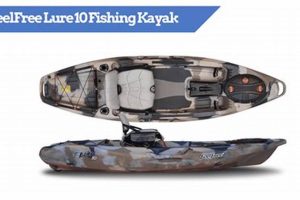
Tip 1: Choose the Right Kayak: Vessel selection depends on the specific fishing environment. Longer kayaks offer better tracking in open water, while shorter, wider kayaks provide superior stability in calmer areas. Sit-on-top kayaks are preferred for their self-bailing capabilities and ease of entry and exit.
Tip 2: Prioritize Safety Equipment: A personal flotation device (PFD) is essential. A whistle, signaling mirror, and communication device are crucial for emergencies. Navigation lights and a first-aid kit should also be included.
Tip 3: Plan Your Trip: Check weather forecasts, tides, and currents before embarking. Inform someone of the intended fishing location and estimated return time. Carry charts or maps, especially in unfamiliar waters.
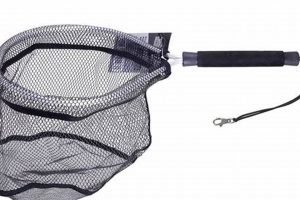
Tip 4: Employ Appropriate Fishing Gear: Shorter rods and reels are better suited for kayak fishing. Tackle choices should reflect the target species. A landing net and appropriate fish handling tools are recommended.
Tip 5: Practice Kayak Control: Mastering basic paddling strokes and maneuvering techniques is essential for safe and efficient movement. Practice launching, landing, and maneuvering in calm water before venturing into more challenging conditions.
Tip 6: Respect the Environment: Adhere to local fishing regulations and practice catch-and-release whenever possible. Properly dispose of all trash and avoid disturbing sensitive habitats like seagrass beds and mangrove forests.
Tip 7: Stay Organized: Utilize storage compartments and gear tracks to keep equipment secure and within reach. A dry bag is essential for protecting valuables from water damage.
By adhering to these guidelines, anglers can maximize their chances of a safe and rewarding bay fishing experience from a kayak. Preparation and responsible practices contribute to both individual enjoyment and the preservation of the environment.
These tips provide a foundation for successful kayak fishing in bay environments. The following section will delve into specific techniques for targeting popular game fish.
1. Stable Kayak Platform

A stable kayak platform is paramount for successful bay fishing. It directly influences angler safety, casting accuracy, and overall fishing effectiveness. Stability considerations extend beyond the inherent design of the kayak itself, encompassing factors such as weight distribution, seating position, and environmental conditions. Understanding these elements is crucial for maximizing both safety and fishing success.
- Hull Design and Stability
Kayak hull design significantly impacts stability. Wider, flatter hulls offer greater initial stability, ideal for calmer waters and stationary fishing. Longer, narrower hulls prioritize speed and tracking, suitable for covering larger areas or fishing in currents. Specialized hull designs, like those featuring pontoons or outriggers, provide enhanced stability for specialized fishing techniques.
- Weight Distribution and Balance
Proper weight distribution is crucial for maintaining balance and stability. Evenly distributing gear within the kayak minimizes the risk of capsizing and improves maneuverability. Securing heavier items lower in the hull contributes to a lower center of gravity, enhancing stability. Anglers should consider their own weight and its influence on the kayak’s balance.
- Seating Position and Posture
Maintaining a low center of gravity is key for stability. Sitting upright and centered in the kayak provides optimal balance. Leaning or shifting weight unnecessarily compromises stability and increases the risk of capsizing, particularly in rougher waters or when engaging with larger fish.
- Environmental Factors and Adaptation
Wind, waves, and currents significantly impact kayak stability. Anglers should be aware of prevailing conditions and adjust their techniques accordingly. Seeking sheltered areas or avoiding open water during adverse conditions prioritizes safety. Using an anchor or drift sock can enhance stability in currents or windy conditions.
A stable kayak platform is fundamental to successful bay fishing. By understanding the interplay of hull design, weight distribution, seating position, and environmental conditions, anglers can optimize stability, ensuring both a safe and productive fishing experience. This foundation allows for a more focused and enjoyable pursuit of target species within the dynamic bay environment.
2. Appropriate Fishing Gear

Appropriate fishing gear selection significantly impacts success and enjoyment when fishing from a kayak in a bay environment. The confined space and unique challenges of kayak fishing necessitate specialized equipment choices. Rod length, reel type, line weight, and lure selection must be carefully considered to maximize effectiveness and minimize entanglement or inconvenience.
Shorter rods, typically between 6 and 7 feet, are ideal for kayak fishing. These shorter lengths offer better control and maneuverability within the limited space of a kayak cockpit. Longer rods, while suitable for shore fishing, become cumbersome and increase the risk of tangling or snagging within the kayak’s rigging. Baitcasting reels, known for their accuracy and power, are well-suited for targeting larger species often found in bays. Spinning reels offer versatility for various fishing techniques and are generally easier for novice anglers to manage. Line weight should be selected based on the target species and typical fishing conditions. Braided lines offer high strength and sensitivity, beneficial in detecting subtle bites and handling larger fish. Fluorocarbon leaders provide abrasion resistance and low visibility, crucial in clear bay waters. Lure choices should reflect the prevalent forage species in the target bay. Soft plastic baits, topwater lures, and jigs are effective options, each designed to mimic the movement and appearance of common prey.
Careful consideration of these factors ensures an efficient and enjoyable fishing experience. A well-equipped angler can effectively target desired species while minimizing the challenges presented by the kayak fishing environment. Choosing appropriate gear contributes directly to increased catch rates and a more rewarding overall experience.
3. Essential Safety Equipment

Safety equipment is paramount for mitigating inherent risks associated with kayak fishing in bay environments. Open water exposure, changing weather conditions, and potential interactions with motorized vessels necessitate a proactive approach to safety. A comprehensive understanding of essential safety equipment and its practical application contributes significantly to a safe and enjoyable fishing experience.
A personal flotation device (PFD) is non-negotiable. Properly fitted and worn at all times, a PFD provides essential buoyancy in the event of capsizing or accidental immersion. A whistle, signaling mirror, and waterproof communication device (e.g., VHF radio or personal locator beacon) are crucial for summoning assistance in emergencies. Navigation lights, especially when fishing during low light conditions or in areas with boat traffic, enhance visibility and reduce the risk of collisions. A well-stocked first-aid kit, including essential supplies for treating minor injuries and addressing potential marine hazards (e.g., stings, cuts), should be readily accessible. Carrying a bilge pump or bailing device allows for rapid removal of water in the event of swamping or leakage. A paddle leash prevents loss of the primary means of propulsion in the event of a capsize. Checking weather forecasts prior to departure and being aware of changing conditions are essential preventative measures. Informing someone of the intended fishing location and estimated return time provides an additional layer of safety.
Consider a scenario: an angler hooks a large fish, causing the kayak to become unstable. Without a PFD, the risk of drowning increases significantly if the angler capsizes. A readily available communication device allows immediate contact with emergency services. Prior knowledge of weather conditions and having informed someone of the fishing plan further contribute to a swift and effective rescue. These practical examples underscore the direct link between essential safety equipment and a positive outcome in potentially hazardous situations. Prioritizing safety enhances not only personal well-being but also the overall enjoyment of the fishing experience, allowing anglers to focus on the sport with greater peace of mind. Neglecting these precautions can transform a recreational activity into a life-threatening event.
4. Effective Paddling Techniques
Effective paddling techniques are essential for successful kayak fishing in bay environments. Proficiency in maneuvering the kayak allows anglers to position themselves strategically for optimal casting, navigate varying currents and wind conditions, and access shallow or otherwise difficult-to-reach areas. These skills directly influence fishing success and contribute significantly to angler safety.
Consider a scenario where an angler spots a school of fish near a submerged structure. Effective paddling enables precise and quiet approach, minimizing disturbance and maximizing casting opportunities. Conversely, inefficient paddling may spook the fish or result in an undesirable drift away from the target area. Similarly, navigating strong currents or wind requires skilled paddle strokes to maintain position and prevent drifting into hazardous areas. A strong understanding of forward paddling, reverse paddling, sweep strokes, and draw strokes allows for efficient movement and precise boat control. Knowledge of bracing techniques further enhances stability, particularly in challenging conditions. The ability to execute these techniques effectively conserves energy, allowing anglers to focus on fishing rather than struggling against the elements.
Mastery of these techniques translates to a safer and more productive fishing experience. Precise boat control minimizes the risk of collisions with other vessels or submerged obstacles. Efficient movement allows anglers to cover more water and explore diverse fishing locations within the bay. Ultimately, effective paddling techniques are integral to the overall success and enjoyment of kayak fishing, transforming a potentially challenging endeavor into a rewarding pursuit.
5. Respectful Fishing Practices
Respectful fishing practices are integral to the sustainability of bay ecosystems and the long-term enjoyment of kayak fishing. These practices extend beyond adherence to regulations, encompassing a mindful approach to minimizing environmental impact and preserving the delicate balance of these valuable habitats. Kayak fishing, due to its intimate nature and access to shallow, sensitive areas, places a particular responsibility on anglers to practice conservation-minded techniques.
- Catch-and-Release Fishing
Catch-and-release fishing is a cornerstone of responsible angling. Proper handling techniques, including minimizing air exposure and using appropriate hooks and dehooking tools, maximize the survival rate of released fish. In bay ecosystems, where fish populations may be particularly vulnerable to overfishing or habitat degradation, catch-and-release plays a critical role in preserving healthy populations. Imagine a scenario where an angler catches a juvenile redfish, a key species in many bay ecosystems. By carefully releasing the fish, the angler contributes directly to the future health and abundance of the redfish population.
- Minimizing Habitat Disturbance
Kayaks offer access to shallow, often fragile habitats like seagrass beds and oyster reefs. Avoiding contact with these areas, using appropriate anchoring techniques, and refraining from disturbing bottom structures are essential for minimizing habitat disruption. Seagrass beds, for instance, serve as vital nurseries for many fish species. Kayak anglers, by carefully navigating these areas, contribute to the preservation of these critical habitats.
- Proper Waste Disposal
Discarded fishing line, hooks, and other debris pose significant threats to marine life. Responsible anglers carry all trash out of the bay and dispose of it properly. Even seemingly small items, like discarded plastic bait containers, can have detrimental impacts on marine animals and water quality.
- Adherence to Regulations
Regulations, including size limits, catch limits, and seasonal closures, are designed to manage fish populations and protect vulnerable species. Respectful anglers familiarize themselves with local regulations and adhere to them strictly. These regulations are based on scientific data and are crucial for maintaining healthy fish stocks and ensuring the long-term sustainability of the fishery.
These interconnected practices contribute to a sustainable approach to kayak fishing in bay environments. By embracing these principles, anglers become active participants in conservation efforts, ensuring the health of these valuable ecosystems for future generations. This mindful approach enhances not only the immediate fishing experience but also the long-term viability of kayak fishing as a sustainable recreational activity.
Frequently Asked Questions
Addressing common inquiries regarding kayak fishing in bay environments provides clarity and promotes safe and responsible angling practices.
Question 1: What type of kayak is best suited for bay fishing?
Kayak selection depends on individual needs and prevailing conditions. Sit-on-top kayaks are generally preferred for their stability and self-bailing capabilities. Longer kayaks offer better tracking in open water, while shorter, wider kayaks excel in maneuverability within shallower, calmer areas. Anglers should consider factors such as storage capacity, seating comfort, and compatibility with fishing accessories when making a selection.
Question 2: What essential safety gear should be carried when kayak fishing in a bay?
Essential safety gear includes a properly fitted personal flotation device (PFD), a whistle, a signaling mirror, a waterproof communication device (VHF radio or personal locator beacon), navigation lights, and a first-aid kit. A bilge pump or bailing device, paddle leash, and appropriate clothing for weather conditions are also recommended.
Question 3: How can anglers minimize their impact on the bay environment while kayak fishing?
Minimizing environmental impact involves practicing catch-and-release techniques, avoiding contact with sensitive habitats like seagrass beds and oyster reefs, using appropriate anchoring methods, properly disposing of all trash, and adhering to local fishing regulations.
Question 4: What are the advantages of using a kayak for bay fishing compared to larger motorized boats?
Kayaks offer access to shallow, often inaccessible areas, providing opportunities to target species favoring these habitats. The quiet propulsion of a kayak minimizes disturbance to fish and the environment, potentially increasing fishing success. Kayak fishing also offers a closer connection with nature and a more physically engaging experience.
Question 5: Are there specific regulations or licensing requirements for kayak fishing in bays?
Regulations and licensing requirements vary by location. Anglers should consult local authorities or relevant agencies to ensure compliance with all applicable rules and obtain necessary permits or licenses before fishing in any bay environment. Ignorance of regulations is not a valid excuse for non-compliance.
Question 6: What are some effective fishing techniques for targeting common bay species from a kayak?
Effective techniques vary depending on target species and environmental conditions. Popular methods include drifting with live bait or lures, anchoring near structure or drop-offs, and sight-casting to fish in shallow water. Local fishing guides or experienced kayak anglers can provide valuable insights into effective techniques for specific locations and species.
Careful consideration of these frequently asked questions enhances angler preparedness, promotes responsible practices, and contributes to both a safe and enjoyable kayak fishing experience in bay environments.
For further information on specific aspects of kayak fishing in bays, consult local resources or contact experienced anglers familiar with the target area. This collaborative approach fosters a culture of safety and environmental stewardship within the kayak fishing community.
Kayak for Bay Fishing
This exploration has highlighted the multifaceted nature of kayak fishing in bay environments. From vessel selection and equipment considerations to safety precautions and respectful fishing practices, each element contributes significantly to a successful and sustainable approach. The advantages of utilizing kayaks for this purpose, including access to shallow waters and minimized environmental disturbance, are evident. However, the inherent responsibilities associated with navigating these delicate ecosystems and ensuring angler safety must be equally emphasized. Proper planning, appropriate gear selection, and adherence to ethical guidelines are non-negotiable components of responsible kayak fishing.
The future of bay ecosystems and the continued enjoyment of kayak fishing within these environments depend on a collective commitment to conservation and responsible practices. Anglers, through informed decision-making and active stewardship, play a critical role in preserving these valuable resources for generations to come. Continued education, adaptation to evolving environmental conditions, and a shared respect for the delicate balance of bay ecosystems are essential for ensuring the enduring appeal and sustainability of kayak fishing in these unique and productive waters.