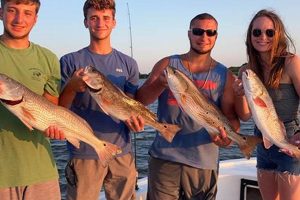
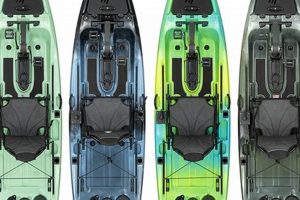
This subject revolves around the popularization of kayak angling through the work of a prominent figure in the sport. It encompasses instructional videos, guided tours, and specialized equipment designed to enhance the kayak fishing experience. For example, specific paddle designs and techniques are often showcased, along with strategies for targeting various fish species from a kayak.
The influence of this individual has significantly broadened the appeal of kayak fishing, making it more accessible to newcomers. This approach emphasizes a deeper connection with nature and promotes responsible angling practices. Historically, kayak fishing was a niche activity. However, through educational resources and captivating media, it has evolved into a prominent segment of the recreational fishing world.
Further exploration will delve into specific techniques, equipment recommendations, and the overall impact on the angling community.
Kayak Fishing Tips
These tips provide valuable insights for anglers of all skill levels seeking to enhance their kayak fishing experience.
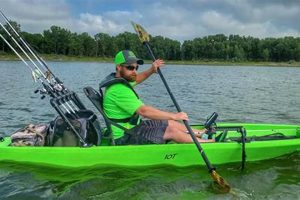
Tip 1: Stability is Paramount: Prioritize kayak stability, especially for beginners. Wider kayaks offer greater initial stability, while longer kayaks provide better tracking in open water. Consider kayak design and personal comfort levels when selecting a suitable vessel.
Tip 2: Paddle Efficiency: Mastering efficient paddling techniques conserves energy and allows for longer fishing sessions. High-angle paddling maximizes power for short bursts, while low-angle paddling is more efficient for covering longer distances.
Tip 3: Strategic Gear Placement: Organize gear within easy reach to maintain balance and efficiency. Utilize tackle boxes and storage solutions designed for kayaks, ensuring essential equipment is readily accessible without compromising stability.
Tip 4: Safety First: Always wear a personal flotation device (PFD). Carry essential safety equipment, including a whistle, signaling device, and first-aid kit. Inform someone of your fishing plans, including location and expected return time.
Tip 5: Fish-Finding Strategies: Utilize fish finders and mapping technology to identify promising fishing locations. Observe natural structures and underwater features to pinpoint areas where fish are likely to congregate.
Tip 6: Anchor Effectively: Deploy a suitable anchor system for maintaining position in desired fishing spots. Consider using a stake-out pole in shallow water or a drift sock in deeper areas with current. Practice deploying and retrieving your anchor efficiently and safely.
Tip 7: Respect the Environment: Adhere to Leave No Trace principles. Pack out all trash and fishing line. Minimize disturbance to wildlife and natural habitats.
By implementing these tips, anglers can significantly improve their kayak fishing experience, enhancing safety, efficiency, and enjoyment on the water.
This foundational knowledge prepares anglers to embark on successful and rewarding kayak fishing adventures.
1. Kayak Selection

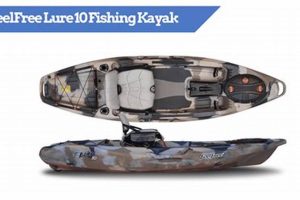
Kayak selection is integral to the Jim Sammons kayak fishing philosophy. Sammons advocates choosing a kayak based on specific fishing conditions and target species. This careful selection process directly impacts angling success and overall enjoyment on the water. For example, navigating tight mangrove tunnels requires a maneuverable kayak, while offshore fishing demands a stable, seaworthy vessel. Understanding these nuances is fundamental to Sammons’ approach.
This emphasis on appropriate kayak selection extends beyond mere vessel choice. It underscores a holistic approach to kayak fishing, where the kayak becomes an extension of the angler. Matching kayak features to specific fishing scenarios maximizes efficiency and effectiveness. Consider the difference between a sit-on-top kayak designed for stability in surf launches versus a sit-inside kayak better suited for cold-water paddling. This deliberate selection process distinguishes the Jim Sammons approach.
Ultimately, proper kayak selection, as advocated by Sammons, empowers anglers to confidently and effectively explore diverse fishing environments. It highlights the interconnectedness of equipment choice and angling success. By understanding the specific demands of their target fishery and choosing the appropriate kayak, anglers enhance their chances of a successful and enjoyable experience, embodying the core principles of Jim Sammons kayak fishing.
2. Paddle Technique

Paddle technique is a cornerstone of Jim Sammons’ kayak fishing methodology. Efficient paddling maximizes time on the water and minimizes disturbance to fish, crucial for a successful and enjoyable experience. An understanding of proper technique allows anglers to navigate diverse waterways effectively, conserve energy, and approach fish stealthily. This detailed exploration will delve into the specific facets that define effective paddle technique within the context of Sammons’ approach.
- Forward Stroke:
The forward stroke is the foundation of kayak propulsion. Sammons emphasizes a high-angle stroke for power and a low-angle stroke for efficiency and distance. Proper body rotation and blade entry/exit points are essential for maximizing power and minimizing fatigue. For example, a high-angle paddle stroke is beneficial for quickly maneuvering through tight quarters, while a low-angle stroke is preferred for covering long distances in open water. The correct application of these techniques directly impacts an angler’s ability to effectively reach and explore fishing grounds.
- Reverse Stroke:
The reverse stroke is essential for maneuvering and controlling the kayak’s position. Sammons’ technique emphasizes precision and control, allowing for subtle adjustments in position and the ability to hold steady in current. This is particularly important for maintaining position while fishing in flowing water or near structure. A well-executed reverse stroke enables anglers to maintain optimal casting angles and avoid spooking fish.
- Sweep Stroke:
Sweep strokes facilitate turning the kayak efficiently. Sammons utilizes both forward and reverse sweep strokes to maneuver in tight spaces and navigate complex waterways. Understanding the nuances of these strokes enables anglers to execute precise turns and position the kayak for optimal casting presentations. This is particularly valuable when navigating around obstacles or positioning the kayak for a drift along a promising shoreline.
- Draw Stroke:
The draw stroke allows anglers to move the kayak sideways, crucial for precise positioning and maneuvering alongside structure. Sammons emphasizes a controlled draw stroke for subtle adjustments and maintaining proximity to target areas. Mastering this technique enables anglers to work tight to cover, maximizing fishing opportunities. This precision is especially beneficial when fishing near docks, weed lines, or other submerged structures.
These interconnected paddling techniques, when executed effectively, form the basis of efficient and stealthy kayak movement, central to Jim Sammons’ approach. By mastering these skills, anglers enhance their ability to explore diverse fishing environments, conserve energy, and approach fish undetected, maximizing their chances of angling success. The nuanced application of these techniques distinguishes Sammons’ method, elevating kayak fishing to a refined and effective pursuit.
3. Tackle and Equipment
Specialized tackle and equipment are fundamental to the effectiveness of the Jim Sammons kayak fishing approach. Strategic equipment choices enhance angling success and overall efficiency on the water. This careful selection process reflects a deep understanding of the unique demands of kayak fishing. The following facets illustrate the importance of selecting the right gear for a successful kayak fishing experience.
- Rods and Reels:
Shorter rods, typically in the 6-7 foot range, are favored for kayak fishing due to the confined space. Sammons often utilizes spinning reels for their versatility and ease of use in a kayak environment. These shorter rods allow for better control and maneuverability while casting and fighting fish from a seated position. Selecting the appropriate rod and reel combination directly impacts casting accuracy, fish-fighting control, and overall angling effectiveness from a kayak.
- Fishing Line and Leaders:
Line choice depends on the target species and fishing environment. Braided lines are often preferred for their strength and sensitivity, allowing anglers to detect subtle bites and navigate around structure effectively. Fluorocarbon leaders provide abrasion resistance and low visibility, crucial for presenting lures naturally and avoiding spooking fish. Matching line and leader selection to specific conditions maximizes angling success.
- Lures and Baits:
Lure and bait selection varies depending on the target species. Sammons often employs artificial lures that mimic the prey fish found in the target environment. Live bait can also be effective, particularly when fishing for specific species or in challenging conditions. Having a variety of lures and baits on hand allows anglers to adapt to changing conditions and maximize their chances of enticing a bite.
- Kayak Fishing Accessories:
Essential kayak fishing accessories include a well-organized tackle storage system, rod holders, and a fish finder or GPS unit. These tools enhance efficiency and safety on the water. A well-planned setup allows anglers to access their gear quickly and maintain focus on fishing. For example, a fish finder can help locate fish and identify underwater structure, significantly increasing the chances of success. Similarly, a reliable anchor system is essential for maintaining position in a chosen fishing spot, particularly in windy conditions or strong currents.
These equipment considerations are integral to the overall Jim Sammons kayak fishing philosophy. The strategic selection and application of these tools contribute significantly to angling success and enhance the overall kayak fishing experience. Each piece of equipment serves a specific purpose, contributing to a cohesive and effective approach. The careful consideration of these factors underscores Sammons’ commitment to maximizing efficiency, effectiveness, and enjoyment on the water. By selecting the right gear and understanding its appropriate application, anglers can optimize their performance and enhance their overall kayak fishing experience, reflecting the core principles of the Jim Sammons approach.
4. Fishing Strategies

Fishing strategies are integral to the Jim Sammons kayak fishing approach. Sammons emphasizes adapting strategies to specific environments and target species. This adaptive approach maximizes angling success from a kayak. Understanding fish behavior, water conditions, and seasonal patterns are crucial components. For example, targeting redfish in shallow flats requires different techniques than pursuing pelagic species offshore. Sammons advocates a dynamic approach, adjusting strategies based on real-time observations and conditions.
Consider sight fishing for bonefish in the Caribbean. Sammons might employ a stealthy approach, using the kayak’s low profile to get within casting range without spooking the fish. A long, accurate cast with a lightweight fly is often key to success in such scenarios. Conversely, when trolling for salmon in the Pacific Northwest, Sammons might utilize downriggers and heavier tackle to present lures at the appropriate depth. These diverse examples highlight the importance of adapting fishing strategies to specific situations.
Effective fishing strategies in the context of Jim Sammons kayak fishing hinge on keen observation, adaptability, and a deep understanding of the target species and environment. Challenges such as limited space and changing weather conditions underscore the importance of preparedness and strategic decision-making. By mastering these adaptable fishing strategies, kayak anglers significantly enhance their chances of success while embracing the core principles of the Jim Sammons approach. This strategic approach, emphasizing adaptability and informed decision-making, defines the essence of effective kayak fishing.
5. Safety Considerations
Safety considerations are paramount within the Jim Sammons kayak fishing framework. Sammons consistently emphasizes the importance of responsible practices on the water. This focus on safety stems from the inherent risks associated with kayak fishing, including changing weather conditions, navigation hazards, and potential encounters with wildlife. Understanding and mitigating these risks is crucial for a safe and enjoyable experience. Practical examples include wearing a personal flotation device (PFD), carrying a signaling device, and checking weather forecasts before embarking on a fishing trip. These precautions minimize potential dangers and ensure angler well-being.
The connection between safety and the Jim Sammons approach extends beyond basic precautions. It encompasses a comprehensive understanding of one’s own limitations and the dynamic nature of the marine environment. For example, recognizing the signs of an approaching storm and taking appropriate action is crucial for preventing potentially dangerous situations. Similarly, understanding tidal currents and navigation hazards can prevent groundings or collisions. Sammons advocates a proactive approach to safety, emphasizing preparedness and informed decision-making. Carrying a first-aid kit and knowing how to use it, having a reliable communication device, and informing someone of fishing plans are further examples of this comprehensive approach. These practices reflect a deep respect for the environment and a commitment to responsible angling.
The emphasis on safety within the Jim Sammons kayak fishing methodology underscores a commitment to responsible angling practices. Addressing potential challenges proactively, such as equipment malfunctions or unexpected changes in weather, demonstrates a comprehensive approach to risk management. This commitment to safety ultimately enhances the overall kayak fishing experience, fostering confidence and peace of mind on the water. By prioritizing safety, anglers can fully immerse themselves in the enjoyment of the sport while minimizing potential risks, aligning with the core principles advocated by Jim Sammons.
6. Environmental Awareness
Environmental awareness is deeply intertwined with the Jim Sammons kayak fishing philosophy. It represents a commitment to preserving the natural environment and promoting responsible angling practices. This conservation-minded approach recognizes the delicate balance of aquatic ecosystems and emphasizes the angler’s role as a steward of these valuable resources. Understanding the interconnectedness of human actions and environmental impact is crucial for the long-term health and sustainability of fisheries and the overall well-being of the planet.
- Leave No Trace Principles:
Adhering to Leave No Trace principles is a fundamental aspect of environmentally responsible kayak fishing. This entails packing out all trash and fishing line, minimizing disturbance to wildlife and their habitats, and respecting other users of the waterways. Practical examples include carrying a reusable trash bag, properly disposing of fishing line in designated receptacles, and avoiding sensitive nesting areas. By practicing Leave No Trace ethics, kayak anglers contribute to the preservation of natural environments for future generations.
- Catch and Release Practices:
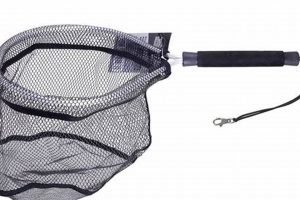
Practicing catch and release minimizes the impact on fish populations. Proper handling techniques, such as using wet hands or a landing net, reduce stress on fish and increase their chances of survival upon release. Using barbless hooks further minimizes injury to fish, promoting healthy and sustainable fisheries. These practices reflect a commitment to conservation and ensure the long-term viability of fish populations.
- Respect for Aquatic Ecosystems:
Respecting aquatic ecosystems involves avoiding sensitive habitats like seagrass beds and coral reefs, which serve as vital nurseries and feeding grounds for many species. Minimizing noise and disturbance from the kayak helps protect these fragile ecosystems. Understanding the role of these habitats in supporting healthy fish populations underscores the importance of responsible kayak fishing practices. Avoiding anchoring in these areas and practicing quiet paddling techniques helps minimize potential harm.
- Advocacy and Education:
Promoting environmental awareness among fellow anglers and the wider community is essential for fostering a culture of conservation. Sharing responsible fishing practices and educating others about the importance of protecting aquatic ecosystems can have a significant positive impact. Participating in local conservation initiatives, supporting organizations dedicated to protecting waterways, and advocating for responsible fishing regulations are all ways kayak anglers can contribute to broader conservation efforts.
These facets of environmental awareness are integral to the Jim Sammons kayak fishing ethos. They represent a holistic approach to angling that values conservation, responsible practices, and the long-term health of aquatic ecosystems. By integrating these principles into their fishing practices, kayak anglers contribute to the preservation of these valuable resources for future generations, exemplifying the deep connection between environmental stewardship and the enjoyment of the sport.
Frequently Asked Questions
This FAQ section addresses common inquiries regarding kayak fishing as popularized by Jim Sammons. The information provided aims to clarify key aspects and offer practical insights for individuals interested in pursuing this specialized form of angling.
Question 1: What type of kayak is best suited for this style of fishing?
Kayak selection depends on the specific fishing environment and target species. Shorter, more maneuverable kayaks are preferable for navigating tight spaces like mangrove tunnels or shallow creeks. Longer, more stable kayaks are better suited for open water or offshore fishing. Consider factors like stability, storage capacity, and comfort when selecting a kayak.
Question 2: What are the essential safety precautions for kayak fishing?
Always wear a personal flotation device (PFD). Carry essential safety equipment, including a whistle, signaling device, first-aid kit, and communication device. Check weather forecasts before embarking on a fishing trip and inform someone of your plans, including location and expected return time. Be aware of potential hazards such as changing weather conditions, boat traffic, and wildlife.
Question 3: What are the recommended fishing techniques from a kayak?
Effective techniques vary based on target species and location. Popular methods include trolling, casting, jigging, and drifting. Adaptability is key; anglers should adjust techniques based on prevailing conditions and fish behavior. Mastering efficient paddling and anchoring techniques enhances fishing success from a kayak.
Question 4: How does one choose appropriate fishing tackle for kayak angling?
Shorter rods, typically between 6-7 feet, are often preferred for kayak fishing due to space constraints. Spinning reels are commonly used for their versatility. Line and leader selection depend on target species and fishing environment. A selection of lures and baits appropriate for the target species should be carried.
Question 5: What are the key considerations for environmentally responsible kayak fishing?
Adhere to Leave No Trace principles. Pack out all trash and fishing line. Minimize disturbance to wildlife and their habitats. Practice catch and release whenever possible, using proper handling techniques to minimize stress on fish. Respect sensitive ecosystems such as seagrass beds and coral reefs. Educate others on responsible angling practices.
Question 6: How can one improve paddling technique for kayak fishing?
Practice efficient paddling techniques, including forward, reverse, sweep, and draw strokes. Proper body rotation and blade entry/exit points maximize power and minimize fatigue. Consider taking a kayaking lesson or practicing in calm water to refine technique. Efficient paddling conserves energy and enhances maneuverability, improving the overall kayak fishing experience.
These responses provide fundamental insights into essential aspects of kayak fishing. A comprehensive understanding of these elements contributes significantly to a safer, more enjoyable, and environmentally responsible experience on the water.
Further exploration of specific techniques, equipment recommendations, and regional considerations will enhance preparedness and angling success.
Conclusion
This exploration has provided insights into the multifaceted nature of kayak fishing as championed by a leading figure in the sport. Emphasis on kayak selection, paddle technique, specialized equipment, adaptable fishing strategies, unwavering safety consciousness, and deep environmental awareness characterizes this comprehensive approach. Understanding these interconnected elements is crucial for maximizing angling success and fostering responsible engagement with the aquatic environment.
The evolution of kayak fishing reflects a growing appreciation for human-powered exploration and a deeper connection with nature. Continued emphasis on education, conservation, and responsible angling practices will ensure the sustainability of this evolving sport for future generations. Through mindful engagement and a commitment to environmental stewardship, the legacy of kayak fishing can continue to inspire exploration and appreciation for the natural world.