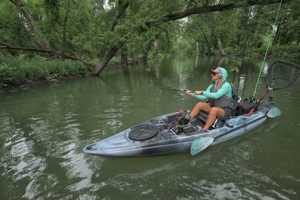
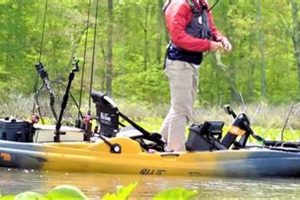
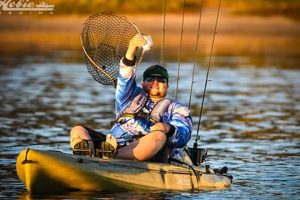
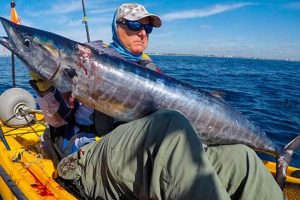
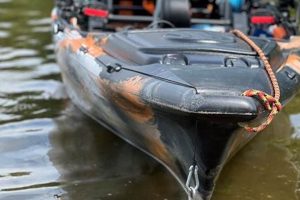
The practice of angling from a kayak during cold weather months presents unique challenges and rewards. This specialized form of fishing requires specific gear and safety precautions due to lower temperatures and potential icy conditions. An example would be pursuing cold-water species like trout in a slow-moving river during December.
Cold-weather kayak angling offers opportunities to target species less active in warmer months and experience the solitude of waterways with fewer people. Historically, smaller, human-powered vessels have been used for fishing in various climates, and the modern adaptation with kayaks continues this tradition, offering a close-to-nature experience. The inherent stealth of a kayak can be particularly advantageous in clear winter waters.
This article will delve deeper into essential equipment, safety procedures, suitable locations, and target species for successful and enjoyable cold-water kayak fishing. It will also address strategies for staying warm and maximizing fishing success in these conditions.
Tips for Cold-Weather Kayak Angling
Careful preparation and attention to detail are crucial for safe and productive cold-weather kayak fishing. The following tips provide guidance for anglers venturing onto the water during colder months.
Tip 1: Dress in Layers: Multiple thin layers of clothing trap heat more effectively than single thick garments. Consider moisture-wicking base layers to stay dry and insulated. An outer shell should be waterproof and windproof.
Tip 2: Check Weather Forecasts: Prior to departure, consult detailed weather reports, paying close attention to wind speeds, air temperature, and water temperature. Postpone outings if conditions appear unsafe.
Tip 3: Inform Someone of Your Plans: Always share trip detailsincluding launch location, planned route, and expected return timewith a responsible individual. This ensures someone is aware of one’s whereabouts in case of emergencies.
Tip 4: Carry Essential Safety Gear: A personal flotation device (PFD) is mandatory. A whistle, signaling mirror, and waterproof communication device are also recommended. A dry bag should contain extra clothing and emergency supplies.
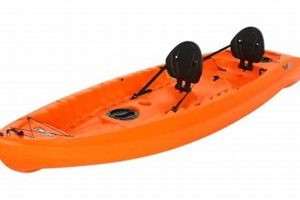
Tip 5: Choose Stable Kayak Models: Wider, sit-on-top kayaks offer increased stability, particularly important in cold water where an accidental immersion could be dangerous.
Tip 6: Be Mindful of Cold Water Risks: Cold water shock can occur rapidly. Avoid sudden immersion and be aware of the symptoms, which include rapid breathing and loss of dexterity.
Tip 7: Adapt Fishing Techniques: Fish metabolism slows in cold water. Slower retrieves and smaller lures can be more effective. Consider using live bait or jigs for optimal results.
Adhering to these guidelines enhances angler safety and increases the likelihood of a successful fishing experience. Careful preparation contributes significantly to enjoyable and productive cold-water kayak angling.
By understanding the specific demands and preparing accordingly, anglers can safely experience the unique rewards of fishing from a kayak during the winter months.
1. Safety Gear

Specialized safety equipment is paramount for mitigating risks inherent in cold-weather kayak angling. Low water temperatures and variable weather conditions necessitate precautions beyond those typical of warmer months. The following essential gear contributes significantly to angler safety.
- Personal Flotation Device (PFD):
A properly fitted PFD is non-negotiable. It provides essential buoyancy in the event of capsizing, crucial in cold water where the risk of hypothermia is elevated. Choose a PFD designed for paddling with unrestricted arm movement. Inflatable PFDs require regular inspection for proper function. Wearing a PFD should be considered mandatory regardless of swimming ability.
- Communication Devices:
Reliable communication is vital in emergencies. A waterproof VHF radio allows direct contact with rescue services. Mobile phones, while useful, may have limited reception in remote areas. A whistle provides an audible signal, potentially attracting attention within a short range. Signaling devices, such as a mirror or flares, can aid in location during rescue operations.
- Dry Bag & Emergency Kit:
A waterproof dry bag containing extra clothing, including a warm hat and gloves, is critical for maintaining body temperature if immersed in cold water. A first-aid kit should include supplies for treating minor injuries and hypothermia. High-energy snacks provide sustenance if stranded. A waterproof flashlight or headlamp is essential for visibility in low light conditions. Chemical hand and foot warmers can provide additional warmth in emergencies.
- Navigation & Visibility Aids:
A compass and nautical charts are important for navigation, especially in unfamiliar waters or during fog or snowfall. A GPS device provides location information and tracking capabilities. Kayak lights or reflective tape enhance visibility in low-light conditions, increasing safety in areas with potential boat traffic. A reliable, waterproof watch allows anglers to monitor time and weather changes.
The proper selection and use of safety gear significantly mitigate risks associated with cold-water kayak angling. By prioritizing these precautions, anglers can enhance their safety and focus on enjoying the experience. While these measures improve safety, inherent risks remain, and careful assessment of conditions and personal abilities is always necessary before embarking on any cold-weather kayaking trip.
2. Cold Water Risks
Cold water presents significant risks to kayak anglers during winter months. Immersion in cold water can rapidly lead to life-threatening conditions. Understanding these risks and taking appropriate precautions is crucial for safe winter kayaking. The primary cold water risks include cold water shock, swimming failure, and hypothermia. Cold water shock causes an immediate, involuntary gasp reflex, potentially leading to water inhalation and drowning. Even brief exposure to cold water significantly impairs swimming ability due to reduced muscle function and coordination, increasing the risk of drowning even for strong swimmers. Prolonged exposure leads to hypothermia, a dangerous drop in core body temperature impacting vital organ function.
The combination of low air and water temperatures during winter exacerbates these risks. Wearing appropriate cold-weather gear, such as a dry suit or thick, layered clothing, provides some insulation but does not eliminate the danger. A personal flotation device (PFD) is essential for staying afloat in the event of capsize or accidental immersion. Carrying signaling devices and a communication device allows for contacting emergency services if needed. For example, an angler who capsizes in freezing water without a PFD has a drastically reduced chance of survival. Similarly, an angler wearing inadequate clothing who experiences prolonged immersion, even if rescued, faces a high risk of severe hypothermia.
Minimizing cold water risks requires a layered approach encompassing preparation, safety equipment, and awareness. Pre-trip planning should include checking weather forecasts and water temperatures. Informing someone of planned routes and estimated return times provides an additional safety net. Regular practice of self-rescue techniques in a controlled environment can improve response time and effectiveness in a real emergency. Ultimately, acknowledging the severity of cold water risks and taking appropriate preventative measures are paramount for safe and responsible winter kayak fishing.
3. Clothing and Layering

Effective cold-weather kayaking attire prioritizes warmth, dryness, and flexibility. Proper layering allows anglers to adapt to changing weather conditions and exertion levels, crucial for comfort and safety during winter fishing excursions. The interplay of base layers, insulating layers, and outer shells creates a system that regulates body temperature and protects against the elements. Ignoring proper layering techniques increases the risk of hypothermia and reduces overall enjoyment of the experience.
- Base Layers:
Moisture-wicking base layers form the foundation of a successful cold-weather kayaking outfit. Materials like merino wool or synthetic fabrics draw perspiration away from the skin, maintaining dryness and warmth even during periods of high activity. Cotton base layers should be avoided as they retain moisture, increasing the risk of chilling. A suitable base layer might include thermal underwear and moisture-wicking socks. This initial layer plays a vital role in regulating body temperature and preventing hypothermia.
- Insulating Layers:
Insulating layers trap warm air close to the body, providing crucial warmth without restricting movement. Fleece jackets, down vests, or synthetic insulated jackets are effective choices. Multiple thinner insulating layers offer greater adaptability than a single thick layer, allowing adjustments based on weather fluctuations and activity level. For example, a fleece jacket paired with a lightweight down vest provides excellent insulation while allowing for ventilation during periods of higher exertion.
- Outer Shells:
Waterproof and windproof outer shells protect against rain, snow, and wind, essential elements in winter kayaking conditions. Durable, breathable fabrics allow moisture vapor to escape while preventing external moisture from penetrating. Features like a hood, adjustable cuffs, and a high collar offer additional protection. A quality outer shell safeguards against the elements and prevents wind chill, a significant factor contributing to hypothermia. Choosing a bright color enhances visibility on the water, a safety consideration in low-light conditions.
- Extremities:
Protecting extremities from cold is paramount in winter kayaking. Waterproof, insulated gloves or mittens maintain dexterity while preserving warmth. A warm hat, preferably covering the ears, minimizes heat loss from the head. Neoprene booties or waterproof socks provide insulation for the feet inside waterproof footwear. Neglecting proper protection for extremities accelerates the onset of hypothermia and reduces overall comfort, impacting fishing performance and increasing safety risks.
The strategic combination of these layering components ensures optimal thermal regulation and protection against harsh winter elements, crucial for safe and enjoyable kayak fishing experiences. Layering allows anglers to adapt to changing conditions throughout the day, maximizing comfort and performance on the water. Understanding the function and importance of each layer contributes significantly to a successful winter kayaking trip.
4. Weather Conditions

Weather conditions significantly influence the safety and feasibility of kayak fishing during winter. Careful assessment and constant monitoring of meteorological factors are essential for mitigating risks and ensuring a successful outing. Understanding the impact of temperature, wind, precipitation, and ice formation is crucial for making informed decisions about trip planning and execution.
- Temperature:
Air and water temperatures significantly impact angler safety and comfort. Sub-freezing air temperatures can lead to hypothermia if proper precautions are not taken. Icy water presents immediate dangers upon immersion, increasing the risk of cold water shock and swimming failure. Monitoring both air and water temperatures is crucial for determining appropriate clothing and safety measures. For example, air temperatures hovering near freezing combined with icy water necessitate specialized dry suits or highly insulated layers and increase the importance of carrying emergency warming devices.
- Wind:
Wind speed and direction significantly affect kayak handling and stability. Strong winds can create challenging paddling conditions, increasing the risk of capsizing, particularly in cold water. Wind chill significantly lowers effective air temperature, exacerbating the risk of hypothermia. Checking wind forecasts before embarking on a winter kayak fishing trip is crucial. Postponing trips when strong winds are predicted is often the safest course of action. A seemingly moderate air temperature can feel significantly colder due to wind chill, highlighting the importance of windproof outer layers.
- Precipitation:
Winter precipitation, including snow, sleet, and freezing rain, presents additional challenges. Reduced visibility and potentially slippery surfaces require heightened caution. Accumulating snow on a kayak increases weight and can impact stability. Waterproof clothing and gear are essential for maintaining comfort and preventing hypothermia. Monitoring precipitation forecasts and adjusting trip plans accordingly is crucial. For example, heavy snowfall can create hazardous conditions, warranting postponement of the fishing trip.
- Ice Formation:
Ice presents a significant hazard to winter kayak anglers. Floating ice chunks can damage kayaks and create unstable paddling conditions. Freezing water on kayak surfaces increases the risk of slipping and capsizing. Understanding ice formation patterns and avoiding areas with significant ice coverage is critical for safety. Early morning or late evening trips, when temperatures are lowest, present the highest risk of encountering ice. Closely observing water conditions and exercising extreme caution in areas with potential ice formation are essential safety practices.
The interplay of these weather elements dictates the overall safety and enjoyment of winter kayak fishing. Careful evaluation of these factors, coupled with continuous monitoring during the trip, allows anglers to make informed decisions that prioritize safety and increase the likelihood of a successful and enjoyable outing. Ignoring these crucial aspects can lead to dangerous situations, highlighting the importance of thorough preparation and a conservative approach to winter kayak fishing.
5. Fishing Techniques

Fishing techniques in cold-weather kayak angling require adaptation to the unique challenges and opportunities presented by winter environments. Fish behavior, water conditions, and angler limitations necessitate adjustments in approach compared to warmer months. Effective cold-water kayak fishing requires understanding these nuances and employing specific strategies to maximize success and maintain safety. The following facets highlight key considerations for optimizing fishing techniques during winter kayaking excursions.
- Slower Presentations:
Fish metabolism slows in cold water, reducing their activity levels and feeding aggression. Lure retrieval speeds should be decreased significantly compared to warmer water techniques. Slow, methodical presentations allow lures to stay within the strike zone of sluggish fish for longer periods, increasing the likelihood of enticing a bite. Jerkbaits, crankbaits, and jigs can be effective when retrieved with slow, deliberate movements. This contrasts sharply with the faster retrieves often employed during warmer months.
- Vertical Jigging:
Vertical jigging becomes a highly effective technique in winter as fish often concentrate in deeper pools or near bottom structure. Positioning the kayak directly over fish holding areas and using a short, vertical jigging motion allows for precise targeting. Small, finesse jigs tipped with live bait or soft plastic trailers can be particularly effective. This technique allows anglers to maximize time spent in the strike zone, increasing the chances of hooking cold-water species.
- Live Bait Presentations:
Live bait, such as minnows or worms, can be highly productive in winter, appealing to the sluggish appetites of cold-water fish. Presenting live bait near bottom structure or suspended under a bobber allows for a natural presentation that can entice even inactive fish. Proper rigging ensures the bait remains at the desired depth and maximizes its effectiveness. While artificial lures can still be successful, live bait often offers a significant advantage in extremely cold conditions.
- Downsizing Lure Profiles:
Smaller lure profiles often outperform larger lures in cold water. Matching the hatch, or using lures that mimic the size and appearance of prevalent forage, becomes increasingly important. Smaller jigs, spoons, and finesse-style lures can be more enticing to cold-water fish that are conserving energy and focusing on smaller prey items. This contrasts with the larger, more aggressive presentations sometimes effective in warmer conditions.
Adapting fishing techniques to the specific conditions of winter enhances angling success and overall enjoyment of cold-weather kayak fishing. Understanding fish behavior in cold water and employing techniques that cater to these behaviors is crucial for maximizing catch rates. By incorporating slower presentations, vertical jigging techniques, live bait, and downsized lures, anglers can increase their chances of success while enjoying the unique challenges and rewards of winter kayak fishing. The ability to adapt and adjust techniques based on prevailing conditions distinguishes successful cold-water anglers.
6. Kayak Choice
Kayak selection significantly impacts safety and effectiveness in cold-weather fishing environments. Specific design features influence stability, maneuverability, and comfort, crucial factors in challenging winter conditions. Choosing an appropriate kayak enhances angler safety and improves the overall fishing experience. The following facets highlight key considerations for kayak selection in the context of cold-weather angling.
- Stability:
Kayak stability is paramount in cold water where accidental immersion poses serious risks. Wider, sit-on-top kayaks generally offer greater stability than narrower, sit-inside models. Enhanced stability reduces the likelihood of capsizing, particularly in rough conditions or when handling fish. Sit-on-tops also facilitate easier re-entry if a capsize does occur, a critical advantage in cold water. For example, a wide, flat-bottomed sit-on-top kayak provides superior stability compared to a narrow, V-hulled sit-inside kayak, making it a safer choice for winter conditions.
- Length and Maneuverability:
Kayak length influences maneuverability and tracking performance. Shorter kayaks offer enhanced maneuverability in tight spaces, beneficial when navigating around ice floes or structure in rivers or small lakes. Longer kayaks track more efficiently in open water, potentially advantageous in larger lakes or coastal environments. Choosing an appropriate length depends on the intended fishing location. For instance, a shorter kayak might be preferable for navigating a narrow, ice-choked river, while a longer kayak might be better suited for trolling in a large, open lake.
- Storage Capacity:
Adequate storage is essential for carrying winter fishing gear, safety equipment, and extra clothing. Kayaks with built-in storage compartments, tank wells, or the capacity to accommodate dry bags allow anglers to transport essential items safely and securely. Sufficient storage space reduces clutter, improves organization, and enhances safety. For example, a kayak with dedicated storage compartments can accommodate tackle boxes, safety equipment, and extra layers, ensuring these items remain dry and readily accessible.
- Material and Construction:
Kayak material impacts durability, weight, and insulation. Polyethylene kayaks are durable and affordable but offer limited insulation. Composite kayaks, typically constructed with fiberglass or carbon fiber, provide better insulation but are more expensive and prone to damage from impacts with ice or rocks. Consider material properties based on typical usage and environmental conditions. For instance, a durable polyethylene kayak might be suitable for sheltered waters with minimal ice contact, while a composite kayak with added insulation might be preferable for harsher environments.
Selecting the right kayak significantly enhances angler safety, comfort, and efficiency during cold-water fishing trips. Prioritizing stability, maneuverability, storage, and material construction relevant to the specific challenges of winter environments improves performance and reduces risks. A well-chosen kayak allows anglers to focus on the fishing experience while mitigating potential hazards inherent in cold-water conditions. Careful consideration of these factors contributes to a successful and enjoyable winter kayaking season.
Frequently Asked Questions
This section addresses common inquiries regarding cold-weather kayak angling, providing concise and informative responses to clarify potential concerns and misconceptions.
Question 1: What are the most significant dangers of kayak fishing during winter?
Cold water shock, hypothermia, and capsizing in freezing water pose the most significant threats. Cold water shock can cause involuntary gasping and inhalation of water, leading to rapid incapacitation. Hypothermia, a dangerous drop in core body temperature, develops quickly in cold water, even with protective clothing. Capsizing presents an immediate survival challenge due to the combination of cold shock and the difficulty of re-entering a kayak in icy water.
Question 2: What essential safety equipment should one carry?
Essential safety gear includes a properly fitted personal flotation device (PFD), a whistle, a waterproof communication device (VHF radio or mobile phone in a waterproof case), and a signaling device such as a mirror or flares. A dry bag containing extra clothing, a first-aid kit, and emergency supplies like a fire starter and high-energy snacks is also highly recommended.
Question 3: How should one dress for winter kayak fishing?
Dressing in layers is crucial. Moisture-wicking base layers, insulating mid-layers (fleece or down), and a waterproof, windproof outer shell provide optimal protection and temperature regulation. Waterproof and insulated gloves, a hat covering the ears, and neoprene booties or waterproof socks are essential for protecting extremities.
Question 4: What type of kayak is best suited for cold-water conditions?
Wider, sit-on-top kayaks are generally preferred for their increased stability and ease of re-entry after a capsize. Choosing a kayak with ample storage capacity for essential gear and extra clothing is also recommended.
Question 5: How do fishing techniques differ in winter compared to other seasons?
Fish activity levels decrease in cold water. Slower lure retrievals, smaller lure profiles, and vertical jigging techniques often prove more effective. Live bait can also be highly productive during winter.
Question 6: What precautions should one take regarding ice?
Avoid areas with significant ice coverage. Be aware of changing weather conditions that could lead to ice formation. Carry ice picks or other tools to assist with self-rescue in the event of ice-related emergencies. Exercise extreme caution when launching and landing in areas with potential ice presence.
Careful preparation and a thorough understanding of cold-water hazards are paramount for safe and enjoyable winter kayak fishing. Prioritizing safety and adapting techniques to the specific challenges of winter conditions contribute significantly to a successful outing.
Beyond these frequently asked questions, further exploration of specific aspects of cold-weather kayak angling provides a more comprehensive understanding of this specialized activity. The following section delves deeper into advanced techniques and considerations.
Conclusion
Cold-weather kayak angling presents unique opportunities and challenges. Successful navigation of this specialized activity requires meticulous preparation, specialized equipment, and a thorough understanding of cold-water hazards. Prioritizing safety through appropriate attire, safety gear, and adherence to safe practices mitigates inherent risks. Adapting fishing techniques to cold-water fish behavior enhances the likelihood of a productive experience. Careful consideration of kayak selection, weather conditions, and potential ice hazards further contributes to a safe and successful outing.
The allure of winter kayak fishing lies in the serene beauty of tranquil waterways and the opportunity to target specific cold-water species. However, the inherent risks associated with cold-water immersion necessitate a cautious and informed approach. Continued education regarding safety protocols and best practices remains crucial for fostering responsible enjoyment of this demanding yet rewarding pursuit. By prioritizing safety and embracing the challenges, anglers can experience the unique rewards of kayak fishing during the winter months.