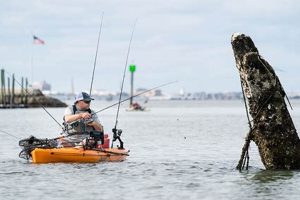
Small-craft angling in the coastal waters surrounding Tybee Island, Georgia, offers a unique opportunity to engage with the diverse marine ecosystem. This method allows anglers to access shallow-water areas teeming with fish species like redfish, speckled trout, and flounder, while providing a close-to-nature experience. Launching from various points around the island offers access to creeks, rivers, and sounds, each presenting specific fishing challenges and rewards.
This style of fishing provides several advantages, including affordability and maneuverability. A smaller vessel grants access to secluded fishing spots often unreachable by larger boats, enhancing the potential for a successful catch. Historically, small watercraft have played a significant role in the region’s fishing traditions, and the modern iteration continues this legacy, providing a sustainable and enjoyable recreational activity. This activity contributes to the local economy through tourism and related industries.
The following sections will explore the optimal locations for launching, tackle and bait recommendations for target species, tidal influences on fishing success, necessary safety precautions, and relevant licensing and regulations.
Tips for Kayak Fishing Around Tybee Island
Successful angling excursions require careful planning and preparation. The following tips offer valuable insights for enhancing fishing experiences in the waters surrounding Tybee Island.
Tip 1: Check Tide Charts: Consulting tide charts is crucial. Incoming tides often bring baitfish closer to shore, attracting larger game fish, while outgoing tides can concentrate fish in channels and creeks.
Tip 2: Choose the Right Launch Site: Launch sites vary in accessibility and proximity to target fishing areas. Researching launch locations beforehand ensures efficient access to desired fishing spots.
Tip 3: Pack Essential Gear: Essential gear includes appropriate tackle, bait, safety equipment (such as a personal flotation device and a whistle), and navigation tools. A first-aid kit and communication device are also recommended.
Tip 4: Understand Local Regulations: Awareness of current licensing requirements and catch limits is vital for responsible angling. Regulations can be obtained from the Georgia Department of Natural Resources.
Tip 5: Prioritize Safety: Weather conditions can change rapidly. Checking marine forecasts before embarking on a fishing trip is essential. Carrying a communication device and informing someone of planned fishing locations are crucial safety measures.
Tip 6: Respect Wildlife and the Environment: Practicing catch-and-release for non-targeted species helps preserve the local ecosystem. Proper disposal of fishing line and other refuse minimizes environmental impact.
Tip 7: Consider Guided Trips: For those unfamiliar with the area, guided fishing trips offer valuable local knowledge and enhance the chances of a successful outing.
Adhering to these guidelines promotes safety and maximizes the potential for a productive and enjoyable fishing experience.
By combining these tips with appropriate fishing techniques, anglers can significantly improve their chances of a rewarding day on the water surrounding Tybee Island.
1. Location Scouting

Effective location scouting is paramount for successful kayak fishing around Tybee Island. Prior research and strategic planning significantly influence angling outcomes. Understanding the diverse aquatic environments and their respective fish populations is crucial for maximizing catch potential.
- Back River Creeks:
The intricate network of creeks branching from the Back River offers prime fishing grounds, particularly for redfish and speckled trout. These shallow-water havens provide ample foraging opportunities for these species. The winding nature of these creeks allows anglers to explore varied habitats and depths. Knowledge of tidal flows within these creeks is essential for optimizing fishing success.
- Little Tybee Island:
The marshes surrounding Little Tybee Island provide a rich feeding ground for various fish species. Exploring the shallow flats and channels around this uninhabited island offers excellent opportunities for sight fishing and targeting tailing redfish. The island’s protected status ensures a relatively pristine environment for diverse marine life.
- Lazaretto Creek:
Lazaretto Creek, separating Tybee Island from the mainland, experiences strong tidal currents that attract baitfish and larger predatory species. Positioning a kayak strategically along channel edges or near structure during tidal shifts can yield impressive results. Understanding the influence of tides on this creek’s fish behavior is key to a productive fishing trip.
- Tybee Island Pier:
While fishing directly from the pier is popular, the waters surrounding the pier also offer productive kayak fishing opportunities. Casting near the pier pilings, which attract various fish species, can prove fruitful. However, maintaining a safe distance from other anglers and boat traffic is crucial in this area.
Strategic selection of fishing locations based on target species, tidal conditions, and accessibility contributes significantly to a rewarding kayak fishing experience on Tybee Island. Combining pre-trip scouting with on-the-water observation allows anglers to adapt to changing conditions and maximize their chances of success.
2. Tidal Planning

Tidal fluctuations significantly influence fish behavior and movement in the waters surrounding Tybee Island. Understanding and incorporating tidal patterns into fishing strategies is crucial for successful kayak angling. Effective tidal planning optimizes fishing locations and times, increasing the likelihood of encountering target species.
- Current Flow and Fish Feeding:
Tidal currents transport baitfish and nutrients, concentrating fish in specific areas. Strong currents during incoming or outgoing tides create optimal feeding opportunities for predatory species. Kayak anglers can leverage this knowledge by positioning themselves strategically along current edges or near structures where fish ambush prey.
- Water Depth and Accessibility:
Tidal changes dramatically affect water depth in shallow coastal areas. Higher tides grant access to shallow creeks and flats that are inaccessible during low tide. Conversely, falling tides concentrate fish in deeper channels and pools. Anglers must consider tidal stages when selecting launch sites and navigating shallow waters.
- Species-Specific Behavior:
Different fish species exhibit varying responses to tidal fluctuations. Redfish, for example, often tail in shallow flats during high tides, while flounder prefer deeper channels during low tides. Understanding the preferred habitats and feeding patterns of target species in relation to tidal stages enhances angling success.
- Tidal Charts and Resources:
Accurate tidal charts and local tide predictions are indispensable tools for kayak anglers. These resources provide detailed information on high and low tide times, current speeds, and water levels. Consulting these resources before each fishing trip allows anglers to plan accordingly and maximize their time on the water.
Integrating tidal planning into kayak fishing strategies on Tybee Island is essential for optimizing fishing outcomes. By understanding the interplay between tides, fish behavior, and water accessibility, anglers can enhance their chances of a successful and rewarding fishing experience.
3. Gear Selection

Appropriate gear selection significantly impacts the success and enjoyment of kayak fishing around Tybee Island. The unique demands of this fishing style require specialized equipment that balances functionality, portability, and durability. Careful consideration of various gear components is crucial for optimizing performance and ensuring angler safety.
Rods and Reels: Shorter, medium-action spinning rods (6-7 feet) are ideal for kayak fishing, offering maneuverability within the confined space of a kayak. Reels spooled with braided line (10-20 lb test) provide increased sensitivity for detecting bites and greater strength for handling larger fish commonly found in Tybee Island’s waters. A medium-heavy rod (7-8 feet) may be preferable when targeting larger species like sharks or tarpon, which are occasionally caught in the area.
Tackle and Bait: Artificial lures, such as soft plastic shrimp imitations, topwater plugs, and jigs, effectively attract redfish, trout, and flounder. Live bait, including shrimp, mud minnows, and finger mullet, can also be productive. A selection of hooks, weights, and swivels allows anglers to adapt to varying fishing conditions and target different species. For example, using a popping cork rig with live shrimp is a common and successful technique for speckled trout in the shallow grass flats.
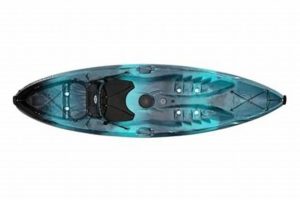
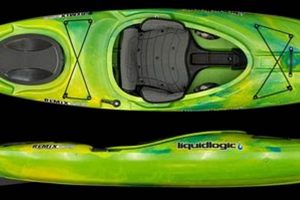
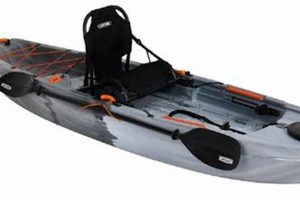
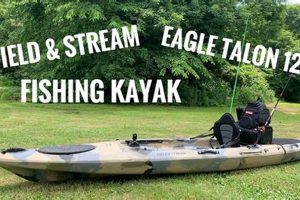
Kayak Selection and Accessories: Sit-on-top kayaks offer stability and ease of entry/exit, advantageous for fishing. A kayak equipped with rod holders, paddle clips, and an anchor trolley system enhances organization and efficiency on the water. A fish finder, while not essential, can significantly improve fish-finding capabilities. Choosing a kayak with ample storage space allows for carrying necessary gear and supplies for a full day of fishing.
Safety Equipment: Essential safety gear includes a personal flotation device (PFD), a whistle, and a signaling device. A first-aid kit, sunscreen, and insect repellent are also recommended. Carrying a waterproof bag or container protects electronic devices and valuables from water damage. A paddle leash prevents accidental loss of the paddle, a critical situation in open water.
Careful gear selection, tailored to the specific conditions of Tybee Island’s waters, enhances fishing success and overall enjoyment. Prioritizing safety equipment alongside fishing-specific gear ensures a responsible and rewarding experience.
4. Species Targeting

Effective species targeting is fundamental to successful kayak fishing around Tybee Island. Understanding the habits and habitats of desired species allows anglers to optimize their approach, increasing their chances of a productive fishing trip. The diverse ecosystem surrounding the island supports a variety of game fish, each requiring specific techniques and strategies.
- Redfish (Sciaenops ocellatus)
Redfish, a prized inshore game fish, inhabit the shallow creeks, marshes, and flats surrounding Tybee Island. Their copper-red coloration and distinct black spot near the tail make them readily identifiable. Targeting redfish often involves sight fishing in shallow water or using lures and bait that mimic their preferred prey, such as crabs and shrimp. Their tendency to “tail” in shallow water while feeding creates exciting opportunities for sight casting.
- Spotted Seatrout (Cynoscion nebulosus)
Spotted seatrout, also known as speckled trout, are another popular target species. These ambush predators inhabit grassy flats, oyster beds, and deeper channels. Lures that mimic small baitfish or shrimp are effective for enticing strikes. Understanding their feeding patterns and preferred habitats is crucial for successful trout fishing. Fishing near structure during tidal changes often increases the chance of encountering trout.
- Flounder (Paralichthys spp.)
Flounder, known for their flat, camouflaged bodies, are bottom-dwelling fish found in sandy or muddy areas. They are often targeted using live bait or jigs bounced along the bottom. Their ambush-style hunting makes them a challenging yet rewarding target for kayak anglers. Patience and a keen eye for subtle strikes are essential for flounder fishing.
- Other Species
While redfish, trout, and flounder are primary targets, other species such as black drum, sheepshead, and even sharks can be encountered while kayak fishing around Tybee Island. Adapting tackle and techniques to these diverse species adds another layer of complexity and excitement to the fishing experience. Understanding the seasonal presence of different species can also influence targeting strategies.
By understanding the specific behaviors and preferred habitats of these target species, kayak anglers can significantly improve their catch rates and overall fishing experience on Tybee Island. Adapting tackle, techniques, and location selection based on target species is crucial for maximizing success and minimizing environmental impact through responsible angling practices.
5. Safety Procedures
Safe practices are paramount when kayak fishing around Tybee Island, Georgia. The coastal environment presents inherent risks mitigated through careful planning and adherence to established safety guidelines. Negligence can lead to serious consequences, impacting not only individual well-being but also potentially requiring coastal rescue resources. A comprehensive understanding of these procedures is crucial for all anglers, regardless of experience level.
Key safety considerations include consistent personal flotation device (PFD) use. PFDs provide essential buoyancy in the event of capsizing, particularly crucial in the often-changing tidal currents and unpredictable weather conditions characteristic of the area. Carrying a whistle enables signaling for assistance in emergencies. A waterproof communication device, such as a VHF radio or a cell phone in a waterproof case, allows direct contact with emergency services if needed. Informing someone onshore of planned fishing locations and estimated return times provides an additional layer of security. Checking weather forecasts before embarking on any fishing trip allows anglers to avoid potentially hazardous conditions, such as thunderstorms or high winds, common in coastal Georgia.
Navigational awareness is crucial. Shallow areas and shifting sandbars present navigational challenges, particularly during changing tides. Carrying a chart, compass, or GPS device aids in maintaining orientation and avoiding grounding. Awareness of local boating traffic, including larger vessels and other recreational craft, is crucial for collision avoidance. Respecting marked channels and adhering to established navigational rules minimizes risks. Conscientious preparation and adherence to safety guidelines significantly reduce potential hazards, ensuring a safer and more enjoyable experience. Prioritizing safety contributes not only to individual well-being but also to the overall sustainability of this recreational activity by minimizing the strain on rescue services and preserving the natural environment.
6. Local Regulations
Adherence to local regulations is essential for responsible and sustainable kayak fishing around Tybee Island. These regulations, established by governing bodies such as the Georgia Department of Natural Resources (GADNR), aim to preserve fish populations, protect sensitive ecosystems, and ensure safe recreational practices. Ignoring these regulations can result in penalties and negatively impact the environment and the overall fishing experience.
- Fishing Licenses and Permits
Valid fishing licenses are mandatory for all anglers engaging in recreational fishing within Georgia waters, including those fishing from kayaks around Tybee Island. Specific permits may be required for certain species or fishing methods. Information on licensing requirements and permit applications can be obtained through the GADNR website or authorized vendors. Failure to possess the necessary licenses and permits can result in fines.
- Catch Limits and Size Restrictions
Regulations dictate catch limits and size restrictions for various fish species to prevent overfishing and maintain healthy populations. These regulations vary by species and season, requiring anglers to remain informed about current limitations. Exceeding catch limits or harvesting undersized fish can have detrimental effects on the ecosystem and lead to legal penalties. Information on specific catch limits and size restrictions for Tybee Island waters is available through the GADNR.
- Protected Species and Areas
Certain areas around Tybee Island, such as designated marine sanctuaries or critical habitats, may have specific regulations regarding fishing activities or access. Some species may be protected entirely or subject to specific catch-and-release guidelines. Understanding and respecting these regulations is crucial for preserving the integrity of these sensitive environments and the biodiversity they support. Information on protected species and areas can be obtained from the GADNR and local environmental organizations.
- Boating Regulations and Safety Requirements
Kayaks are considered vessels and are subject to boating regulations, including navigation rules, safety equipment requirements, and operational guidelines. These regulations aim to prevent accidents and ensure the safety of all water users. Compliance with boating regulations, such as carrying required safety gear like PFDs and navigational lights, contributes to a safer boating environment for everyone. Information on boating regulations specific to Georgia can be found on the GADNR website.
Understanding and adhering to these local regulations is not only a legal requirement but also a demonstration of responsible angling practices. Compliance ensures the sustainability of fish populations, protects sensitive environments, and contributes to a safer and more enjoyable experience for all who utilize the waters around Tybee Island for kayak fishing.
7. Environmental Awareness

Environmental awareness plays a crucial role in preserving the delicate ecosystem surrounding Tybee Island, Georgia, and ensuring the long-term sustainability of kayak fishing. The close interaction between anglers and the natural environment necessitates a responsible approach that minimizes negative impacts and promotes conservation efforts. Understanding the interconnectedness of human actions and environmental consequences is essential for maintaining the health and productivity of this valuable coastal resource.
Kayak fishing’s low-impact nature, compared to motorized boating, offers inherent environmental advantages. However, even seemingly minor actions can have cumulative effects. Discarding fishing line, for example, poses a significant entanglement hazard to marine wildlife, including birds, turtles, and fish. Improper disposal of bait containers or other refuse contributes to plastic pollution, impacting water quality and harming marine organisms. Disturbing nesting sites or sensitive habitats through careless kayaking practices disrupts wildlife breeding cycles and can lead to habitat degradation. Runoff from sunscreen and insect repellent, common amongst anglers, introduces chemicals into the water, potentially affecting marine life.
Responsible kayak fishing practices demonstrate a commitment to environmental stewardship. Retrieving discarded fishing line, even if not one’s own, actively mitigates entanglement risks. Packing out all trash, including biodegradable materials, minimizes pollution and preserves the natural beauty of the area. Maintaining a respectful distance from wildlife, especially during nesting seasons, avoids disturbance and protects vulnerable populations. Utilizing eco-friendly sunscreen and insect repellent minimizes chemical impacts on the marine environment. Supporting local conservation initiatives and advocating for responsible fishing regulations further contributes to long-term ecosystem health. Ultimately, practicing environmental awareness ensures the continued enjoyment of kayak fishing opportunities on Tybee Island for future generations by safeguarding the delicate balance of this unique coastal ecosystem.
Frequently Asked Questions
This section addresses common inquiries regarding kayak fishing around Tybee Island, providing concise and informative responses to facilitate informed decision-making and enhance the overall fishing experience.
Question 1: What are the optimal times for kayak fishing around Tybee Island?
Tidal fluctuations significantly influence fishing success. Incoming and outgoing tides generally create stronger currents, concentrating baitfish and attracting larger predatory species. Fishing during these periods often yields better results. Consulting tide charts before planning a trip is highly recommended.
Question 2: Are there specific kayak launch sites recommended on Tybee Island?
Several public boat ramps and kayak launch areas offer convenient access to the surrounding waters. The Tybee Island Back River public boat ramp and the launch area at the north end of the island are popular options. Choosing a launch site depends on desired fishing locations and prevailing tidal conditions.
Question 3: What essential safety precautions should one take when kayak fishing around Tybee Island?
Wearing a personal flotation device (PFD) is paramount. Carrying a whistle, communication device, and informing someone of planned fishing locations and return times are crucial safety measures. Checking weather forecasts before embarking on a fishing trip helps avoid hazardous conditions.
Question 4: What types of fish can one expect to catch while kayak fishing near Tybee Island?
Common catches include redfish, speckled trout, flounder, black drum, and sheepshead. Sharks and tarpon are also occasionally encountered. The specific species encountered often depend on the season, location, and fishing techniques employed.
Question 5: Are guided kayak fishing tours available on Tybee Island?
Several local outfitters offer guided kayak fishing tours, catering to anglers of varying skill levels. Guided tours provide valuable local knowledge, enhance fishing success, and offer a structured and informative experience for those unfamiliar with the area.
Question 6: What environmental considerations should kayak anglers keep in mind on Tybee Island?
Practicing catch and release for non-targeted species helps preserve fish populations. Retrieving discarded fishing line and properly disposing of all trash minimizes environmental impact. Respecting wildlife and avoiding sensitive habitats, such as nesting areas, contributes to ecosystem preservation.
Careful planning, adherence to safety regulations, and respect for the environment contribute to a rewarding and sustainable kayak fishing experience. Understanding local conditions and regulations maximizes fishing success while preserving the natural beauty of Tybee Island for future generations.
Beyond these frequently asked questions, more detailed information on specific aspects of kayak fishing around Tybee Island can be found in the following sections.
Kayak Fishing Tybee Island, GA
This exploration of small-craft angling around Tybee Island has highlighted the multifaceted nature of the experience. From the strategic selection of fishing locations based on tidal influences and species-specific behaviors to the importance of appropriate gear selection and adherence to safety regulations, successful outcomes rely on informed preparation and responsible practices. The discussion encompassed key elements, including location scouting, tidal planning, gear selection, species targeting, safety procedures, local regulations, and environmental awareness. Each element contributes significantly to not only maximizing fishing success but also ensuring the preservation of this valuable coastal resource.
The convergence of environmental awareness and informed angling practices underscores the sustainable future of this recreational pursuit. Respect for the delicate balance of Tybee Island’s ecosystem ensures continued opportunities for rewarding fishing experiences. Through responsible angling, the natural beauty and productivity of this coastal environment can be preserved for generations to come. Continued exploration and understanding of the interplay between environmental factors and angling practices remain essential for responsible stewardship and the long-term viability of kayak fishing around Tybee Island.