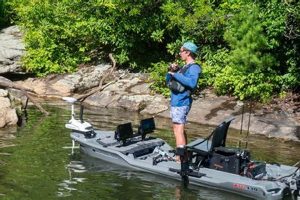
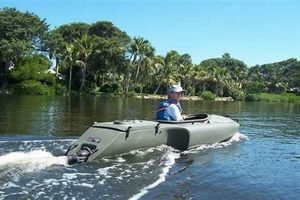
This pursuit involves anglers targeting tuna species from relatively small, self-propelled vessels. It combines the challenge and reward of big-game fishing with the accessibility and maneuverability of kayaks. Anglers typically employ specialized rods, reels, and tackle designed for battling powerful pelagic fish. This method may involve trolling lures or live bait, or casting to surface-feeding schools.
The accessibility of this specialized angling method contributes to its growing popularity. It offers a unique, close-to-the-water experience, allowing anglers a more direct connection with the marine environment. The relatively low cost of entry compared to larger, motorized boats makes it an appealing option for many. Historically, pursuing large pelagic species was limited to those with access to expensive vessels. The development of specialized kayaks and fishing gear has democratized this experience, opening up opportunities for a wider range of anglers.
Further exploration will cover essential equipment, effective techniques, suitable locations, and necessary safety precautions for this exhilarating activity. Understanding these elements contributes to both successful angling and a safe, enjoyable experience.
Tips for Tuna Fishing from a Kayak
Successfully targeting tuna from a kayak requires careful planning and execution. The following tips offer guidance for a safe and productive experience.
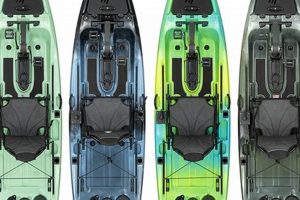
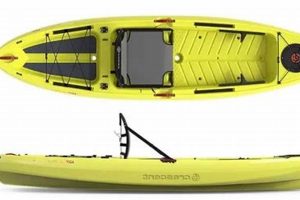
Tip 1: Choose the Right Kayak: A stable, ocean-worthy kayak is crucial. Look for a sit-on-top design with ample storage for gear and a high weight capacity. Consider models specifically designed for fishing, often featuring rod holders and other specialized accessories.
Tip 2: Utilize Appropriate Gear: Heavy-duty rods, reels, and line are essential for battling powerful tuna. Select tackle designed for saltwater fishing and capable of handling substantial drag pressure. High-visibility braided line is recommended for improved sensitivity and strength.
Tip 3: Prioritize Safety Equipment: A personal flotation device (PFD) is mandatory. A VHF radio, signaling devices, and a first-aid kit are also crucial for offshore excursions. A reliable fish finder and GPS unit are recommended for locating fish and navigating safely.
Tip 4: Understand Tuna Behavior: Research the target species’ feeding patterns and preferred habitats. Knowledge of local currents, tides, and water temperatures can significantly improve fishing success. Consult local fishing reports and charts for valuable insights.
Tip 5: Employ Effective Fishing Techniques: Trolling lures or live bait can be productive methods. Matching the hatch using baitfish resembling local prey is often effective. Chumming can attract tuna to the kayak, increasing the chances of a strike. Proper hook-setting and fighting techniques are crucial for landing these strong fish.
Tip 6: Check Weather Conditions: Favorable weather is paramount for a safe and enjoyable trip. Avoid venturing out in strong winds, rough seas, or lightning storms. Always check the marine forecast before departure and be prepared to adjust plans if necessary.
Tip 7: Practice Proper Fish Handling: Utilize appropriate tools and techniques for landing and releasing tuna safely. Minimize handling time to reduce stress on the fish. Properly revive exhausted fish before release to ensure their survival.
Adhering to these guidelines will enhance both safety and the likelihood of a successful tuna fishing experience from a kayak. Preparation and knowledge are key elements for enjoying this challenging and rewarding pursuit.
By implementing these strategies, anglers can maximize their chances of success while prioritizing safety and responsible fishing practices. This concluding section will summarize the key takeaways and emphasize the importance of responsible angling.
1. Stable Kayak Selection

Targeting tuna from a kayak presents unique challenges related to stability. A stable platform is paramount for angler safety and effective fish fighting. Selecting an appropriate kayak significantly influences the overall experience and outcome of these fishing expeditions. The following facets highlight the critical connection between stable kayak selection and successful tuna fishing.
- Hull Design and Stability
Kayak hull design directly impacts stability. Wider, flatter hulls offer greater initial stability, reducing the likelihood of tipping, especially important when battling strong currents or a hooked tuna. A longer kayak generally tracks straighter, beneficial when trolling. However, maneuverability may be compromised. Specialized fishing kayaks often incorporate hull designs optimized for both stability and performance in offshore conditions. For example, a “pontoon” style hull provides exceptional stability, while a “catamaran” hull offers speed and maneuverability. Choosing the right hull design is a crucial first step in ensuring a safe and productive fishing experience.
- Weight Capacity and Gear Storage
Kayak weight capacity directly correlates with stability. Exceeding the manufacturer’s recommended capacity compromises stability and performance. Tuna fishing requires specialized gear, including rods, reels, tackle boxes, and potentially a cooler for catches. Sufficient storage space ensures gear is organized and readily accessible, contributing to both efficiency and safety. Overloaded kayaks become unstable, significantly increasing the risk of capsizing. Selecting a kayak with ample weight capacity and strategically organizing gear contributes to overall stability and safety.
- Seat Position and Comfort
Seat position and comfort directly affect balance and stability. A lower center of gravity enhances stability. Adjustable seating allows anglers to customize their position for optimal comfort and balance. Prolonged fighting times with large tuna can be physically demanding. A comfortable and supportive seat helps maintain balance and focus, crucial during critical moments. A well-designed seat promotes efficient energy transfer during paddling and fighting, contributing to a more enjoyable and productive fishing experience.
- Kayak Length and Width
Kayak dimensions directly influence stability and maneuverability. Longer kayaks offer superior tracking but may be less maneuverable. Wider kayaks provide greater initial stability but sacrifice speed and efficiency. The ideal length and width depend on the angler’s size, fishing style, and anticipated sea conditions. A shorter, wider kayak might be preferred for calm inshore waters, while a longer, narrower kayak might be better suited for offshore fishing. Balancing stability and maneuverability is essential for navigating varying water conditions and effectively targeting tuna.
Careful consideration of these factors ensures a stable and safe platform for pursuing tuna from a kayak. Prioritizing stability allows anglers to focus on fishing techniques and ultimately enhances the overall experience. Choosing the appropriate kayak is an investment in both safety and the potential for a rewarding fishing adventure.
2. Heavy-duty Tackle

Targeting powerful pelagic fish like tuna from a kayak necessitates specialized, heavy-duty tackle. The strain exerted by these strong fish requires robust equipment capable of withstanding intense pressure. Appropriate tackle selection directly influences the success and safety of kayak-based tuna fishing expeditions. This exploration delves into the critical components of heavy-duty tackle and their significance in this demanding fishing style.
- Rods Designed for Offshore Species
Specialized rods designed for offshore species possess the strength and resilience required for battling large, powerful fish like tuna. These rods are typically constructed from high-strength materials like graphite or fiberglass composites, offering a balance of power and sensitivity. Rod length and action (the rod’s bending curve) are also critical factors. Shorter rods provide greater leverage, while longer rods offer casting distance and shock absorption. A fast-action rod tip allows for powerful hooksets, while a slower action provides a more forgiving bend, absorbing the shock of powerful runs. Choosing the appropriate rod is crucial for effectively managing the fight and minimizing the risk of equipment failure.
- High-Capacity Reels with Robust Drag Systems
Reels designed for heavy-duty offshore fishing feature high line capacities and robust drag systems capable of withstanding the strain of battling large tuna. High line capacity is essential for long runs and extended fights. A smooth, powerful drag system allows for precise control of line tension, preventing line breakage and allowing the angler to tire the fish gradually. Lever drag reels offer quick and precise drag adjustments, while star drag reels are generally more affordable and easier to maintain. Selecting a reel with a sufficient line capacity and a reliable drag system is crucial for successfully landing large, powerful fish from a kayak.
- Braided Line with High Breaking Strength
Braided fishing line, with its high breaking strength and minimal stretch, is essential for effectively targeting tuna from a kayak. High breaking strength minimizes the risk of line failure during powerful runs. Minimal stretch provides enhanced sensitivity, allowing anglers to detect subtle bites and maintain direct contact with the fish throughout the fight. Braided line’s thin diameter also allows for higher line capacity on the reel, a crucial factor when battling strong, fast-running fish. Choosing the appropriate line weight and breaking strength is essential for maximizing control and minimizing the risk of losing a hooked fish.
- Terminal Tackle Designed for Large Fish
Terminal tackle, including hooks, swivels, and leaders, must be specifically designed for handling large, powerful fish like tuna. Heavy-duty hooks ensure secure hooksets and prevent the hook from straightening under pressure. Strong swivels prevent line twist and ensure smooth operation of the fishing rig. Leaders constructed from heavy monofilament, fluorocarbon, or wire provide abrasion resistance and added strength, crucial when fishing around structure or battling fish with sharp teeth. Selecting appropriate terminal tackle is crucial for maintaining the integrity of the fishing rig and maximizing the chances of landing a hooked fish.
The synergy between these heavy-duty tackle components is essential for successfully targeting tuna from a kayak. The combined strength, durability, and specialized functionality of these elements enable anglers to confidently engage with powerful fish, maximizing the chances of a successful and safe fishing experience.
3. Comprehensive Safety Gear

Safety is paramount when kayak fishing for tuna, particularly given the offshore environment and the powerful nature of the target species. Comprehensive safety gear is not merely a recommendation but a necessity for mitigating risks and ensuring a positive outcome. The following facets highlight essential safety equipment and its role in ensuring angler well-being during these expeditions.
- Personal Flotation Device (PFD)
A properly fitted PFD is non-negotiable. It provides essential buoyancy in the event of capsizing or an accidental overboard situation, particularly crucial in offshore waters. PFDs designed for fishing often incorporate features like pockets and attachment points for tools and accessories. Selecting a comfortable, well-fitting PFD and wearing it consistently throughout the fishing trip is paramount for survival in the event of an emergency.
- Communication Devices
Reliable communication is essential in offshore environments. A VHF radio allows direct contact with the Coast Guard and other vessels in case of emergencies or unforeseen circumstances. A waterproof handheld GPS device provides accurate location information and aids navigation, especially important in areas with limited visibility or changing weather conditions. Carrying a fully charged cell phone in a waterproof case provides a backup communication option. Regularly checking communication devices and ensuring their functionality before embarking on a fishing trip is crucial for maintaining contact and summoning assistance if needed.
- Signaling Devices
Visual and auditory signaling devices are critical for attracting attention in emergency situations. Flares, whistles, and mirrors can signal distress to nearby vessels or search and rescue teams. A waterproof flashlight with a strobe function provides both illumination and a signaling capability. Understanding how to effectively use these devices and ensuring they are readily accessible in an emergency is essential for increasing the likelihood of a swift rescue.
- First-Aid and Emergency Supplies
A well-stocked first-aid kit is essential for addressing minor injuries or providing initial care for more serious injuries sustained while fishing. Essential supplies include bandages, antiseptic wipes, pain relievers, and any personal medications. Including a basic tool kit for minor repairs to the kayak or fishing gear can prevent minor issues from escalating into major problems. A supply of fresh water and high-energy snacks provides sustenance in the event of an unexpected delay or emergency. Regularly inspecting and replenishing these supplies ensures preparedness for various contingencies.
These facets of comprehensive safety gear work synergistically to enhance angler safety during kayak fishing expeditions for tuna. Investing in and properly utilizing this equipment demonstrates a commitment to personal safety and allows anglers to focus on the enjoyment and challenge of pursuing these powerful fish with greater peace of mind. Thorough preparation contributes significantly to mitigating risks and ensuring a positive overall experience.
4. Tuna Behavior Knowledge
Understanding tuna behavior is fundamental to successful kayak fishing. This knowledge significantly influences angling strategies, location selection, and the overall effectiveness of fishing techniques. Predicting tuna movements and feeding patterns allows anglers to optimize their approach and maximize their chances of a successful encounter. A deeper understanding of tuna behavior transforms the fishing experience from chance encounters to informed pursuits.
- Feeding Patterns and Prey Preferences
Tuna exhibit specific feeding patterns often dictated by the availability of prey. Knowledge of their preferred prey, such as baitfish species, squid, or crustaceans, allows anglers to select appropriate lures or baits. Understanding how feeding behavior changes with environmental factors, like water temperature or tidal currents, further refines bait selection and presentation. Matching the hatch presenting lures or baits that mimic prevalent prey significantly increases the likelihood of attracting tuna. For example, if small anchovies are abundant, using a lure that imitates their size, shape, and color can be highly effective.
- Migration Routes and Seasonal Movements
Tuna undertake extensive migrations, often following specific routes influenced by water temperature, currents, and prey availability. Understanding these migratory patterns allows anglers to anticipate their presence in specific locations during particular seasons. Consulting local fishing charts, online resources, or experienced anglers can provide valuable insights into tuna movements in a given area. Knowing when and where tuna are likely to appear significantly improves the efficiency of fishing efforts. For instance, targeting areas where converging currents create upwellings, bringing nutrient-rich water to the surface, can increase the chances of encountering tuna.
- Environmental Influences on Behavior
Environmental factors, such as water temperature, oxygen levels, and current patterns, significantly influence tuna behavior. Tuna are highly sensitive to changes in water temperature and prefer specific temperature ranges. Understanding how temperature gradients and thermoclines affect tuna distribution allows anglers to target areas where they are most likely to congregate. Similarly, knowledge of how current patterns influence baitfish concentrations can guide anglers to productive fishing zones. For example, fishing near temperature breaks or current edges where baitfish concentrate can significantly increase the chances of encountering tuna.
- Social Behavior and Schooling Dynamics
Tuna often exhibit schooling behavior, forming large groups for foraging and migration. Understanding schooling dynamics, including school size, structure, and movement patterns, allows anglers to effectively target these aggregations. Knowledge of how tuna react to different stimuli, such as the presence of other predators or changes in water conditions, can also influence fishing strategies. For instance, observing bird activity or surface disturbances can indicate the presence of a tuna school feeding below, providing valuable clues for anglers.
By integrating knowledge of tuna behavior into fishing strategies, kayak anglers significantly improve their chances of success. This understanding enhances the ability to predict tuna movements, target preferred habitats, and employ effective fishing techniques, transforming the pursuit from a passive endeavor to an informed and engaging experience.
5. Effective Fishing Techniques
Effective fishing techniques are integral to successful kayak fishing for tuna. These techniques leverage an understanding of tuna behavior, environmental conditions, and specialized equipment to maximize catch rates while prioritizing conservation. The connection between effective techniques and successful outcomes is demonstrably strong, influencing not only the number of fish caught but also the overall experience. For example, understanding how to properly rig a live baitfish can significantly increase hookup rates compared to using a poorly presented bait.
Several techniques prove particularly effective when targeting tuna from a kayak. Trolling, a method involving dragging lures or baits behind a moving kayak, allows anglers to cover a wider area and locate active fish. Varying trolling speeds and depths allows anglers to target different species and adapt to changing conditions. Chumming, the process of dispersing bait or attractants into the water, can draw tuna to the kayak, creating feeding opportunities. Casting lures or baits towards surface-feeding schools or near structure requires precise presentations and an understanding of tuna feeding behavior. Matching tackle and techniques to the target species and prevailing conditions increases the likelihood of success. For instance, using lighter tackle for smaller species like skipjack tuna or heavier tackle for larger yellowfin tuna optimizes the angler’s ability to effectively manage the fight.
Mastering effective fishing techniques significantly enhances the probability of successful kayak tuna fishing expeditions. This mastery encompasses not only the mechanical aspects of the techniques themselves but also the strategic application of these techniques based on environmental factors and tuna behavior. The challenge inherent in battling large pelagic fish from a small vessel amplifies the importance of refined techniques. Furthermore, responsible fishing practices, such as proper handling and release techniques, play a crucial role in conserving tuna populations and ensuring the sustainability of this exhilarating pursuit. Adaptability remains key; experienced anglers continually refine their techniques based on prevailing conditions and observed fish behavior, emphasizing the dynamic nature of this demanding fishing style.
6. Favorable Weather Conditions

Favorable weather conditions are paramount for safe and successful kayak fishing for tuna. The open-ocean environment exposes anglers to the full force of weather systems; calm conditions are crucial for both maneuverability and personal safety. Wind strength and direction significantly impact kayak control, especially during extended fights with powerful fish. Strong winds create challenging paddling conditions, increasing fatigue and potentially pushing kayaks offshore. Wave height and sea state directly affect stability. Rough seas increase the risk of capsizing and make fighting fish from a small vessel significantly more challenging. For example, attempting to land a large tuna in choppy conditions increases the risk of both equipment failure and angler injury.
Assessing weather forecasts before embarking on a fishing trip is essential. Reliable marine forecasts provide information on wind speed, wave height, and potential storms. Monitoring real-time weather conditions during the trip allows for informed decisions regarding fishing locations and safe return strategies. Ignoring adverse weather warnings can lead to dangerous situations, including capsizing, disorientation, and exposure. For instance, a sudden squall can quickly create hazardous conditions for kayakers far offshore. Adjusting fishing plans based on evolving weather patterns demonstrates prudent seamanship and prioritizes safety.
Understanding the impact of weather on tuna behavior enhances fishing success. Changes in barometric pressure, wind direction, and water temperature can influence tuna feeding patterns and movement. Integrating weather data with knowledge of local conditions and tuna behavior allows anglers to target areas where fish are most likely to congregate. Favorable weather conditions not only enhance safety but also contribute to a more comfortable and enjoyable fishing experience. Appropriate clothing and sun protection further enhance angler comfort and mitigate potential health risks associated with prolonged exposure to the elements. Preparedness for varied weather scenarios underscores a commitment to both safety and successful angling.
7. Proper Fish Handling

Proper fish handling is integral to the ethical and sustainable practice of kayak fishing for tuna. These powerful fish demand respect, and minimizing stress during capture and release is crucial for their survival. Physiological stress from prolonged fights, air exposure, and improper handling can compromise a tuna’s ability to recover, potentially leading to mortality. For example, removing a tuna from the water for extended periods deprives it of oxygen and can damage its gills, reducing its chances of survival upon release.
Careful techniques minimize stress and maximize post-release survival rates. Using appropriate de-hooking tools, such as long-nosed pliers or specialized hook removers, minimizes handling time and reduces the potential for injury. Supporting a tuna’s body weight during handling prevents internal organ damage. Reviving exhausted fish alongside the kayak, allowing water to flow over their gills, promotes oxygen uptake and facilitates recovery. Minimizing air exposure is critical, particularly for larger tuna, as their gills can collapse out of water, hindering respiration. For instance, using a lip grip or a wet towel to control a tuna while removing the hook minimizes handling time and reduces the fish’s exposure to air.
Practicing proper fish handling techniques aligns with conservation principles and ensures the long-term sustainability of tuna populations. Understanding the physiological impact of capture and handling on these pelagic fish informs best practices for minimizing stress and maximizing post-release survival. This careful approach not only benefits the fish but also contributes to the ethical responsibility of anglers. The challenge of kayak fishing for tuna lies not just in the capture but also in the stewardship of these magnificent creatures, ensuring future generations can enjoy the thrill of this pursuit.
Frequently Asked Questions
This section addresses common inquiries regarding kayak fishing for tuna, providing concise and informative responses to facilitate a deeper understanding of this demanding pursuit.
Question 1: What type of kayak is best suited for tuna fishing?
A sit-on-top kayak designed for offshore fishing, featuring a stable hull, ample storage, and a high weight capacity, is recommended. Specialized fishing kayaks often incorporate features like rod holders, transducer mounts, and anchor trolleys, enhancing functionality and angler efficiency.
Question 2: What essential safety gear should one carry when kayak fishing for tuna?
Essential safety gear includes a personal flotation device (PFD), a VHF radio, signaling devices (flares, whistle, mirror), a first-aid kit, a GPS unit, and a fish finder. A reliable paddle leash and a bilge pump are also recommended. Thorough preparation enhances safety and mitigates potential risks associated with offshore fishing.
Question 3: What fishing techniques are most effective for targeting tuna from a kayak?
Effective techniques include trolling lures or live bait, chumming to attract tuna, and casting to surface-feeding schools. Technique selection depends on factors such as target species, local conditions, and angler experience. Adaptability and a willingness to experiment often yield the best results.
Question 4: How does one locate tuna while kayak fishing?
Locating tuna involves understanding their behavior and preferred habitats. Utilizing a fish finder to identify baitfish concentrations, temperature breaks, and underwater structure can indicate potential tuna holding areas. Observing surface activity, such as bird diving or baitfish jumping, can also reveal tuna presence.
Question 5: What are the primary challenges associated with kayak fishing for tuna?
Challenges include the physical demands of battling large fish from a small vessel, navigating unpredictable weather conditions, and effectively managing fishing gear in a limited space. Proper preparation, experience, and respect for the marine environment are essential for mitigating these challenges.
Question 6: How does one ensure the ethical handling and release of caught tuna?
Ethical handling involves minimizing handling time, using appropriate de-hooking tools, supporting the fish’s weight, and reviving exhausted tuna alongside the kayak before release. Proper handling techniques promote survival and contribute to the conservation of tuna populations.
Addressing these frequently asked questions provides valuable insights into the specialized nature of kayak fishing for tuna. Prioritizing safety, ethical handling practices, and a deep understanding of tuna behavior are crucial for a successful and rewarding experience.
Further sections will delve into advanced techniques, specific location recommendations, and conservation considerations related to tuna fishing.
Kayak Fishing for Tuna
This exploration has provided a comprehensive overview of kayak fishing for tuna, encompassing essential aspects from equipment selection and safety considerations to effective fishing techniques and ethical handling practices. The pursuit demands careful planning, specialized gear, and a deep respect for both the target species and the marine environment. Successfully targeting tuna from a kayak requires a nuanced understanding of fish behavior, environmental factors, and appropriate angling strategies. Prioritizing safety through comprehensive preparation and adherence to best practices is paramount for mitigating risks inherent in offshore fishing.
Kayak fishing for tuna offers a uniquely challenging and rewarding experience, connecting anglers directly with the power and dynamism of the ocean. Continued learning, responsible angling practices, and a commitment to conservation will ensure the sustainability of this exhilarating pursuit for future generations. The future of this specialized fishing style relies on anglers embracing ethical considerations and actively contributing to the preservation of tuna populations and their marine ecosystems.