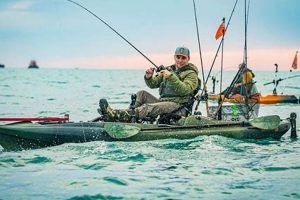
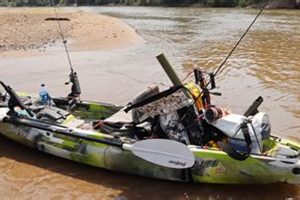
Competitive angling from human-powered vessels is a growing sport throughout the United States, and Oklahoma offers a vibrant scene. These events typically involve anglers competing to catch the largest or most fish within a specified timeframe and according to specific rules, often focusing on particular species like bass, crappie, or catfish. Anglers are judged based on length measurements, sometimes with photos as proof, and prizes are awarded for various categories.
Such competitions promote conservation efforts through catch-and-release practices and raise awareness about aquatic ecosystems. They provide a platform for anglers of all skill levels to connect with a community of like-minded individuals, fostering camaraderie and sportsmanship. Furthermore, these events can boost local economies by attracting participants and spectators to the area, supporting businesses like tackle shops, restaurants, and lodging providers. The growth in popularity reflects a broader trend of embracing outdoor recreational activities that connect individuals with nature.
This article will explore various aspects of competitive kayak angling within the state, covering topics such as popular tournament locations, species targeted, regulations, essential gear, and strategies for success.
Tips for Competitive Kayak Angling in Oklahoma
Success in competitive kayak angling requires preparation, strategic thinking, and an understanding of both the targeted species and the environment. These tips offer guidance for enhancing performance and increasing the likelihood of a successful tournament experience.
Tip 1: Pre-Fishing is Paramount: Scouting potential tournament locations prior to the competition is crucial. This allows anglers to identify productive areas, understand prevailing conditions, and refine techniques specific to the venue.
Tip 2: Master Boat Control: Efficient kayak maneuvering is essential for precise casting and maintaining optimal positioning. Practice techniques like anchoring, drifting, and utilizing wind and current to advantage.
Tip 3: Tackle Organization is Key: A well-organized kayak ensures quick access to essential gear, minimizing wasted time and maximizing fishing efficiency. Implement a system that keeps lures, tools, and safety equipment readily available.
Tip 4: Understand Target Species Behavior: Knowledge of fish behavior, including feeding patterns, preferred habitats, and seasonal movements, is fundamental to success. Research and observation are key to understanding target species.
Tip 5: Weather Awareness is Essential: Oklahoma weather can be unpredictable. Monitoring forecasts and adapting strategies accordingly, including clothing choices and fishing locations, contributes significantly to safety and success.
Tip 6: Respect Fellow Competitors and the Environment: Maintaining ethical angling practices, including adherence to tournament rules and respect for fellow competitors, ensures a positive and sustainable tournament environment.
Tip 7: Leverage Technology: Utilize fish finders, GPS, and mapping applications to gain insights into underwater terrain, locate fish-holding structures, and navigate efficiently.
By implementing these strategies, anglers can significantly improve their performance and enjoy a more rewarding and competitive experience on the water. These preparations contribute not only to individual success but also to the overall integrity and enjoyment of competitive kayak angling.
This information aims to equip anglers with the knowledge and strategies needed to excel in Oklahoma kayak fishing tournaments. The following section will discuss additional resources and further opportunities for engagement within the competitive kayak angling community.
1. Competition

The competitive element is fundamental to kayak fishing tournaments in Oklahoma. It provides the driving force behind angler participation, encouraging skill development, strategic thinking, and a pursuit of excellence within a structured environment. This section explores key facets of competition within this specific context.
- Tournament Formats and Structures
Various tournament formats exist, each influencing competitive dynamics. Common formats include total weight, biggest fish, and even species-specific competitions. Understanding the specific structure, including scoring methods and time limits, is crucial for developing effective strategies. For example, a total weight format encourages catching numerous fish, while a biggest fish format prioritizes targeting larger specimens. These structural variations shape angler approaches and influence on-the-water decisions.
- Skill and Strategy Development
Competition necessitates continuous improvement in angling skills and strategic thinking. Participants refine techniques like casting accuracy, lure presentation, and fish fighting to gain a competitive edge. Strategic decisions, such as location selection, lure choices, and adaptation to changing conditions, play a critical role in tournament outcomes. The pursuit of competitive success drives anglers to enhance their abilities and refine their understanding of fish behavior and environmental factors.
- Sportsmanship and Ethical Conduct
While competition inherently involves a drive to win, ethical conduct and sportsmanship remain paramount. Respect for fellow competitors, adherence to tournament rules, and conservation-minded practices are essential for maintaining the integrity of the sport. This includes practices like proper fish handling and catch-and-release techniques to ensure the sustainability of fish populations. Upholding these principles contributes to a positive and respectful tournament environment.
- Prizes and Recognition
The pursuit of prizes and recognition further fuels the competitive spirit. Tournaments often offer prizes ranging from cash awards and sponsored merchandise to coveted titles and accolades. These incentives motivate anglers to perform at their best and contribute to the overall prestige and allure of competitive kayak angling. The recognition earned through competitive success can also elevate an angler’s standing within the community.
These facets of competition collectively contribute to the unique and dynamic nature of kayak fishing tournaments in Oklahoma. The interplay of skill, strategy, sportsmanship, and the pursuit of recognition shapes the experiences of participants and underscores the importance of competition within this growing sport.
2. Kayak Angling
Kayak angling forms the foundation of kayak fishing tournaments in Oklahoma. It represents the core activity around which competition is structured. The accessibility, adaptability, and unique challenges of kayak angling contribute significantly to the appeal and growth of tournament participation. Kayak angling requires specialized skills, including boat control, efficient gear management, and an understanding of how to fish effectively from a small, human-powered vessel. These skills translate directly into competitive advantages during tournaments. For instance, the ability to maneuver a kayak stealthily through shallow water or position precisely for a cast can significantly impact an angler’s success. Furthermore, adapting angling techniques to the limitations and advantages of a kayak platform is crucial for competitive performance.
The rising popularity of kayak angling as a recreational activity directly fuels the growth of competitive tournaments. The increasing number of anglers embracing this accessible and engaging form of fishing creates a larger pool of potential tournament participants. This growth fosters a vibrant and evolving competitive landscape, leading to increased competition and driving further skill development among participants. The unique perspective and challenges presented by kayak angling add a distinct dimension to competitive fishing, attracting anglers seeking a more intimate connection with the water and the environment. This connection enhances the overall experience and contributes to the growing popularity of these events.
A clear understanding of kayak angling’s role within the competitive tournament setting is essential for appreciating the nuances of this sport. It underscores the importance of fundamental angling skills, strategic thinking, and adaptability in achieving competitive success. The continued growth of kayak angling as a recreational pursuit will likely further propel the evolution and expansion of kayak fishing tournaments in Oklahoma and beyond. This connection between recreational participation and competitive angling reinforces the importance of promoting sustainable fishing practices and responsible engagement with the environment. Preserving the health of aquatic ecosystems is crucial for ensuring the long-term viability and enjoyment of both recreational kayak angling and competitive tournament participation.
3. Oklahoma Locations

The diverse array of Oklahoma lakes and rivers plays a crucial role in shaping the character of kayak fishing tournaments held within the state. These distinct locations influence target species, angling techniques, and the overall tournament experience. The varying characteristics of these bodies of water, including size, depth, vegetation, and water clarity, present unique challenges and opportunities for anglers. For instance, Grand Lake, known for its clear waters and abundant bass population, often hosts tournaments focused on largemouth bass fishing, requiring specific techniques and strategies. In contrast, smaller, more secluded lakes or rivers might be chosen for tournaments targeting crappie or catfish, demanding different approaches and equipment.
The selection of a specific location for a kayak fishing tournament significantly impacts logistical considerations and participation. Accessibility, available amenities, and proximity to supporting services like boat ramps, lodging, and restaurants influence tournament planning and angler convenience. Locations with established angling infrastructure and a history of hosting fishing events often attract larger numbers of participants. For example, Lake Eufaula, with its extensive shoreline and numerous boat ramps, is a popular choice for larger tournaments. The choice of location also indirectly influences the level of competition, as anglers familiar with a particular body of water might have a strategic advantage. Furthermore, the scenic beauty and natural environment of a given location contribute to the overall tournament experience, enhancing enjoyment and promoting appreciation for Oklahoma’s aquatic resources.
Understanding the relationship between location and kayak fishing tournaments is essential for appreciating the complexities and nuances of competitive angling in Oklahoma. The specific characteristics of each location shape not only the competitive landscape but also the overall experience for participants. Careful consideration of these factors contributes to successful tournament organization and fosters a positive environment for anglers. This awareness also highlights the importance of conservation efforts to preserve the health and accessibility of Oklahoma’s diverse aquatic ecosystems, ensuring the continued enjoyment of kayak fishing tournaments for future generations.
4. Regulations and Rules
Adherence to regulations and specific tournament rules is paramount for maintaining the integrity and fairness of competitive kayak fishing in Oklahoma. These frameworks ensure a level playing field for all participants and contribute to the long-term sustainability of the sport. Understanding and complying with these stipulations are essential responsibilities of every tournament angler.
- State Fishing Regulations
All kayak fishing tournaments operating within Oklahoma must adhere to state fishing regulations. These regulations encompass aspects such as licensing requirements, size and creel limits for specific species, and permitted fishing methods. For example, anglers must possess a valid Oklahoma fishing license and adhere to size limits for largemouth bass to participate legally in a tournament. Ignoring these regulations can result in penalties and disqualification from the competition.
- Tournament-Specific Rules
Individual tournaments establish specific rules tailored to the event. These rules might address permitted fishing areas, boundaries, off-limits zones, eligible species, and acceptable fishing gear. For instance, a tournament might restrict the use of certain lures or designate specific areas within a lake as off-limits to fishing. These rules ensure fair competition and address specific conservation concerns relevant to the chosen location or target species.
- Safety Regulations
Safety regulations are integral to all kayak fishing tournaments. Requirements often include wearing personal flotation devices (PFDs), carrying essential safety equipment like whistles and lights, and adhering to specific boating regulations. These regulations prioritize angler safety and ensure a responsible approach to on-the-water activities. Compliance with safety regulations is crucial for mitigating risks associated with kayak fishing and ensuring a safe tournament environment.
- Conservation Practices
Promoting conservation and responsible angling practices is a core principle within many kayak fishing tournaments. Rules often encourage catch-and-release practices, proper fish handling techniques, and adherence to ethical angling guidelines. These measures minimize the impact of tournaments on fish populations and contribute to the long-term health of aquatic ecosystems. Emphasis on conservation practices fosters responsible stewardship of natural resources among tournament participants.
The interplay of state regulations, tournament-specific rules, safety protocols, and conservation practices establishes a comprehensive framework for conducting ethical and sustainable kayak fishing tournaments in Oklahoma. Adherence to these regulations is not merely a matter of compliance but a demonstration of respect for the sport, fellow competitors, and the environment. This commitment to responsible angling ensures the continued enjoyment and viability of competitive kayak fishing for future generations.
5. Target Species
Target species play a pivotal role in shaping the structure, strategy, and overall experience of kayak fishing tournaments in Oklahoma. The designated target species influences angler choices regarding equipment, location selection, and techniques employed during competition. This focus on specific species adds depth and complexity to tournament angling, requiring specialized knowledge and adaptation to the habits and habitats of the targeted fish. For example, tournaments targeting largemouth bass often take place on larger reservoirs like Grand Lake or Lake Eufaula, where anglers utilize techniques such as topwater lures, crankbaits, and jigs to exploit bass behavior in these environments. Conversely, tournaments focused on crappie might occur on smaller lakes or rivers, employing tactics like spider rigging or vertical jigging to target crappie near submerged structures or in deeper water.
The selection of target species also has implications for conservation efforts and the overall ecological impact of tournaments. Regulations regarding size limits, creel limits, and permitted fishing methods are often tailored to specific species to ensure sustainable fishing practices. For instance, tournaments focusing on black bass often implement strict catch-and-release protocols to protect breeding populations and maintain healthy fish stocks. Furthermore, targeting specific species allows tournament organizers to tailor events to particular angler interests and skill levels, promoting broader participation and fostering a sense of community within specialized angling disciplines. This specialization contributes to the overall growth and diversification of competitive kayak angling in Oklahoma.
Understanding the significance of target species within the context of kayak fishing tournaments is essential for both participants and organizers. This understanding promotes responsible angling practices, enhances competitive strategy, and contributes to the long-term sustainability of the sport. By aligning tournament structures and regulations with the specific characteristics of target species, organizers can create engaging and challenging competitive opportunities while simultaneously promoting conservation and responsible resource management. This balance between competitive angling and environmental stewardship ensures the continued enjoyment and ecological viability of kayak fishing tournaments in Oklahoma.
6. Community and Camaraderie

Community and camaraderie represent integral aspects of kayak fishing tournaments in Oklahoma, extending beyond the competitive element. These social connections foster a sense of belonging, encourage mutual support, and contribute significantly to the overall tournament experience. The shared passion for kayak angling and the challenges inherent in competitive fishing create a strong bond among participants. This sense of community enhances enjoyment, promotes sportsmanship, and strengthens the fabric of the kayak fishing culture within the state.
- Shared Passion and Mutual Support
The shared passion for kayak angling forms the foundation of community within these tournaments. Participants share a common interest in the sport, fostering a sense of connection and understanding. This shared passion translates into mutual support and encouragement among anglers, even amidst competition. Competitors often offer advice, share techniques, and celebrate each other’s successes, creating a positive and collaborative atmosphere.
- Networking and Mentorship
Tournaments provide valuable opportunities for networking and mentorship within the kayak angling community. Experienced anglers often share their knowledge and expertise with newcomers, fostering skill development and promoting growth within the sport. This mentorship strengthens the community and ensures the continued evolution of kayak angling techniques and strategies. These interactions also create lasting connections and friendships, extending beyond individual tournaments.
- Social Events and Gatherings
Many tournaments incorporate social events and gatherings, further strengthening the sense of community. Pre-tournament meetings, post-tournament award ceremonies, and informal gatherings provide opportunities for anglers to connect on a personal level, share stories, and build camaraderie. These social interactions enhance the overall tournament experience and foster a sense of belonging within the kayak angling community.
- Promoting Conservation and Stewardship
The sense of community within kayak fishing tournaments extends to a shared commitment to conservation and environmental stewardship. Participants recognize the importance of protecting Oklahoma’s aquatic resources and actively promote responsible angling practices. This shared commitment strengthens the community’s bond and ensures the long-term sustainability of the sport. Through collective efforts and advocacy, tournament communities contribute to preserving the health and accessibility of Oklahoma’s waterways for future generations.
The community and camaraderie fostered within kayak fishing tournaments enrich the overall experience, extending beyond the pursuit of competitive success. These social connections create a supportive and engaging environment, promoting sportsmanship, mentorship, and a shared commitment to conservation. By nurturing these connections, tournament organizers and participants contribute to the growth and vitality of the kayak angling community in Oklahoma, ensuring its continued enjoyment and positive impact on the sport and the environment.
Frequently Asked Questions
This section addresses common inquiries regarding competitive kayak angling in Oklahoma, providing concise and informative responses to clarify key aspects of tournament participation and the sport’s broader context.
Question 1: How does one locate information about upcoming kayak fishing tournaments in Oklahoma?
Information regarding upcoming tournaments can typically be found through online forums, social media groups dedicated to kayak fishing, local tackle shops, and websites of organizations that host such events.
Question 2: What equipment is typically required for participation?
Essential equipment includes a fishing kayak, appropriate paddles, personal flotation device (PFD), fishing rods and reels, tackle suited to the target species, and often a measuring device for recording catches. Specific tournament rules may dictate additional equipment requirements.
Question 3: Are there specific licensing requirements for tournament participation?
A valid Oklahoma fishing license is generally required for participation. It is the angler’s responsibility to ensure compliance with all applicable state fishing regulations.
Question 4: How are tournament results typically determined?
Results are often determined based on the cumulative length or weight of the fish caught within the designated timeframe and according to tournament-specific rules. Photographic evidence is commonly used for verification.
Question 5: What conservation practices are typically employed in these tournaments?
Catch-and-release practices are widely encouraged and often mandated. Proper fish handling techniques are emphasized to minimize stress on released fish and ensure their survival. Some tournaments may also incorporate additional conservation initiatives specific to the target species or location.
Question 6: Are there opportunities for novice anglers to participate in competitive kayak fishing?
Many tournaments welcome anglers of all skill levels. Some events may even offer separate divisions or categories for novice participants. Engaging with local kayak fishing communities can provide valuable insights and support for those new to tournament angling.
Reviewing these frequently asked questions provides a fundamental understanding of kayak fishing tournaments in Oklahoma. Further research and engagement with the angling community are encouraged to gain a more comprehensive understanding and facilitate informed participation.
The subsequent section will explore the future of kayak fishing tournaments in Oklahoma, discussing potential growth, emerging trends, and the evolving role of technology within the sport.
Kayak Fishing Tournaments Oklahoma
This exploration of competitive kayak angling in Oklahoma has highlighted key facets of this growing sport, from the importance of pre-fishing preparation and strategic boat control to the intricacies of tournament formats and adherence to regulations. The interplay between angler skill, knowledge of target species behavior, and respect for the environment underscores the dynamic nature of these events. Furthermore, the significance of location selection, understanding specific tournament rules, and the role of technology in enhancing angling success have been examined. The discussion also emphasized the crucial role of community and camaraderie within the competitive landscape, fostering a positive and supportive environment for participants of all skill levels.
The future of kayak fishing tournaments in Oklahoma appears promising, with continued growth anticipated as more anglers embrace this accessible and engaging form of competitive fishing. This growth presents both opportunities and challenges, requiring ongoing commitment to conservation, responsible resource management, and the fostering of a welcoming and inclusive community. The evolution of kayak fishing technology, alongside increasing awareness of environmental stewardship, will likely shape the future trajectory of the sport, demanding adaptability and a continued pursuit of excellence from participants. Ultimately, the enduring appeal of competitive kayak angling lies in the unique blend of skill, strategy, camaraderie, and connection with nature, promising a vibrant and evolving landscape for anglers in Oklahoma.