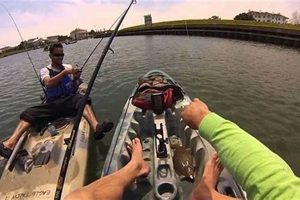
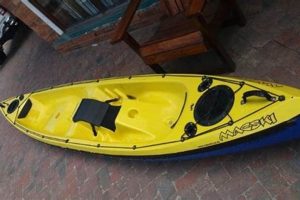
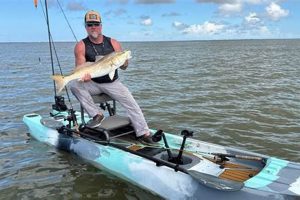
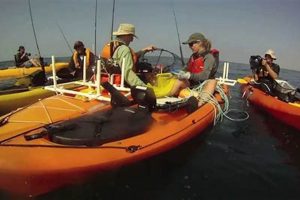
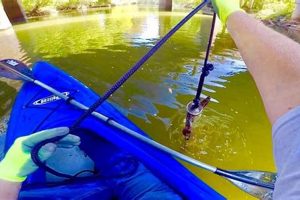
Organizing gear for angling from a small, human-powered watercraft presents unique challenges. Limited space and the need for readily accessible yet secure equipment necessitate thoughtful solutions. For example, specialized containers, often designed to be waterproof and impact-resistant, might hold lures, hooks, and other small items. Larger gear, like rods and reels, could be secured with straps or specialized mounts integrated into the vessel’s structure.
Efficient arrangements enhance both safety and enjoyment. A cluttered deck increases the risk of entanglement and tripping, especially in the dynamic environment of a kayak. Quick access to necessary equipment allows anglers to focus on the activity, maximizing fishing time and responsiveness to changing conditions. While traditional tackle boxes might suffice for bank or boat fishing, the specific constraints of a kayak demand more specialized and adaptable approaches.
This article will delve into the various methods and products available for maintaining an organized and efficient fishing platform on a kayak. Topics to be covered include different storage system types, choosing the right setup based on individual needs and fishing styles, and tips for maximizing space utilization and ensuring equipment security.
Kayak Fishing Tackle Storage Tips
Efficient organization is crucial for a safe and successful kayak fishing experience. These tips offer guidance on optimizing limited space and ensuring quick access to essential gear.
Tip 1: Prioritize Essential Gear: Carry only necessary equipment for the targeted species and fishing style. Avoid overloading the kayak with unnecessary items that occupy valuable space.
Tip 2: Utilize Waterproof Containers: Protect tackle from water damage and loss by storing it in sealed, waterproof containers. Clear containers allow for quick identification of contents.
Tip 3: Maximize Vertical Space: Employ vertical storage solutions, such as tackle bags designed to hang from the kayak’s frame, to free up deck space.
Tip 4: Secure Rod and Reel Combinations: Utilize rod holders or straps to secure fishing rods and reels, preventing them from shifting or being lost overboard.
Tip 5: Distribute Weight Evenly: Balance gear distribution within the kayak to maintain stability and prevent tipping. Avoid concentrating heavy items in one area.
Tip 6: Employ Crate Systems: Milk crates or similar containers can be adapted for tackle storage and offer a modular, customizable solution.
Tip 7: Label and Organize: Clearly label containers and compartments to facilitate quick and easy access to specific items.
By implementing these strategies, anglers can transform their kayaks into efficient fishing platforms, maximizing both safety and enjoyment on the water.
These organizational techniques contribute to a more streamlined and enjoyable experience. The following section concludes the discussion with key considerations for selecting appropriate storage solutions.
1. Accessibility

Efficient retrieval of essential gear is paramount in the dynamic environment of kayak fishing. Accessibility, in this context, refers to the ease and speed with which anglers can locate and deploy specific items. Compromised access can lead to missed opportunities, frustration, and even safety risks.
- Reach and Positioning:
Frequently used items should be within easy reach, minimizing the need for excessive movement or stretching. Positioning tackle storage systems strategically, such as within arm’s reach of the seated angler, is essential. For example, placing a small waterproof box containing essential lures and tools on the deck near the angler’s dominant hand exemplifies this principle. Reaching for a distant rod holder in rough conditions could compromise stability.
- Clear Organization:
A well-organized system allows for rapid identification and retrieval of specific items. Labelled, transparent containers or compartments significantly enhance efficiency. Knowing precisely where each item is located eliminates time-consuming searches and maintains focus on the fishing activity. An angler searching through a cluttered tackle bag while a fish strikes demonstrates the negative impact of poor organization.
- Secure Storage:
While accessibility is crucial, items must also be secured to prevent loss or damage, especially in rough water conditions. Secure latches, straps, or specialized mounts ensure that gear remains in place, even during sudden movements or capsizing. Losing essential gear overboard due to inadequate storage solutions can abruptly end a fishing trip.
- Adaptability to Fishing Styles:
Accessibility needs vary depending on the specific fishing techniques employed. A fly fisherman requires quick access to different flies and tools, while a troller might prioritize access to lure changes and line management tools. Tailoring storage solutions to specific fishing styles optimizes efficiency and effectiveness on the water.
By carefully considering these facets of accessibility, anglers can create a streamlined and efficient kayak fishing setup, maximizing both safety and enjoyment on the water. Prioritizing accessible storage promotes a focused and responsive approach, enabling anglers to fully engage with the fishing experience and react effectively to changing conditions.
2. Security
Safeguarding valuable fishing equipment from loss or damage is a critical aspect of kayak fishing tackle storage. A secure system protects against the elements, accidental loss overboard, and theft, ensuring the longevity of gear and contributing to a more relaxed and enjoyable fishing experience. Neglecting security can lead to financial loss, disruption of fishing trips, and potential safety hazards.
- Environmental Protection
Kayak fishing exposes tackle to harsh conditions, including water, sun, and wind. Secure storage systems, incorporating waterproof containers and UV-resistant materials, shield equipment from these elements, preventing corrosion, fading, and other forms of damage. A tackle box left exposed to saltwater spray, for instance, can quickly rust, rendering hooks and other metal components unusable. Properly sealed containers and compartments safeguard against such degradation.
- Loss Prevention
The dynamic nature of kayak fishing presents a constant risk of equipment loss overboard. Secure storage solutions, such as latched containers, tethers, and rod holders, minimize this risk. A sudden wave or an unexpected shift in weight can easily send unsecured items overboard, especially in challenging conditions. Rods, reels, and tackle boxes can be lost in seconds without proper securing mechanisms.
- Theft Deterrence
While less common than accidental loss, theft can also occur, especially when kayaks are left unattended. Secure storage compartments, lockable hatches, or cable locks can deter opportunistic theft. Leaving valuable rods and reels visible and unsecured on a kayak parked at a public access point invites theft. Secure storage measures provide peace of mind and protect against such losses.
- Kayak Stability
Securely stowed gear contributes to kayak stability. Loose items shifting during movement can affect balance, increasing the risk of capsizing. Securely fastened tackle boxes and rods prevent unexpected weight shifts, promoting a safer and more controlled kayaking experience, particularly in rough water or during challenging maneuvers.
Implementing robust security measures in kayak fishing tackle storage contributes significantly to the overall fishing experience. Protecting against loss and damage safeguards investments in equipment, enhances safety, and allows anglers to focus on the enjoyment of the sport rather than worrying about their gear.
3. Waterproofness
Maintaining dry storage within a kayak is paramount for preserving tackle integrity and functionality. Water exposure can lead to corrosion of hooks, swivels, and other metal components, rendering them ineffective or even unusable. Electronic devices, such as fish finders and GPS units, are particularly vulnerable to water damage, potentially leading to costly repairs or replacements. Similarly, moisture can damage fishing line, reducing its strength and reliability. Consider a scenario where a poorly sealed tackle box allows saltwater intrusion. Over time, saltwater corrodes hooks and dulls blades on lures, diminishing their effectiveness. Waterproof storage safeguards against such deterioration, preserving the quality and functionality of essential equipment.
Several strategies contribute to waterproof tackle storage. Fully submersible, airtight containers offer the highest level of protection. These containers safeguard against accidental submersion or heavy rain. Waterproof bags, often constructed from durable, PVC-coated materials, provide a lightweight and flexible alternative. These bags protect against splashes and light rain, but may not withstand complete submersion. Integrating waterproof compartments within the kayak itself, such as sealed hatches or bulkheads, offers another layer of protection. These compartments provide dry storage for larger items and can safeguard against swamping. Even with waterproof containers, packing items in waterproof bags inside provides additional protection against leakage or condensation.
Prioritizing waterproofness in kayak fishing tackle storage systems significantly extends the lifespan of equipment, maintains its functionality, and ultimately contributes to a more successful and enjoyable fishing experience. Neglecting this aspect can result in costly damage, lost fishing time due to equipment failure, and potential safety issues stemming from compromised gear performance. Investing in reliable waterproof storage solutions represents a proactive approach to preserving valuable equipment and ensuring preparedness for the demanding environment of kayak fishing.
4. Space Optimization

Space optimization is paramount in kayak fishing tackle storage due to the inherent limitations of a kayak’s size. Efficient use of available space directly impacts both safety and fishing effectiveness. A cluttered deck obstructs movement, increasing the risk of entanglement and hindering access to essential gear. Conversely, a well-organized system maximizes fishing time and responsiveness to changing conditions. Consider an angler attempting to land a fish while navigating a tangle of lines and loose tackle; the consequences can range from a lost catch to a compromised fishing position. Effective space optimization transforms a kayak into a streamlined and efficient fishing platform.
Several strategies contribute to maximizing space utilization. Vertical storage solutions, such as tackle bags designed to hang from the kayak’s frame or seat back, free up valuable deck space. Utilizing specialized compartments within the kayak, including hatches, side pockets, and under-seat storage areas, keeps gear organized and out of the way. Modular storage systems, such as stackable containers or customizable crate systems, offer adaptability and efficient use of limited space. Choosing tackle appropriate to the target species and fishing style further streamlines storage needs. For example, a minimalist approach focusing on a few key lure types requires less space than carrying a wide array of rarely used tackle. Thoughtful pre-trip planning, considering the specific fishing goals and anticipated conditions, facilitates efficient packing and maximizes available space.
Effective space optimization directly translates to enhanced safety, improved fishing efficiency, and a more enjoyable experience on the water. By strategically organizing gear and minimizing clutter, anglers can focus on the task at hand, react quickly to changing situations, and fully appreciate the unique advantages of kayak fishing. Understanding the critical relationship between space optimization and tackle storage empowers anglers to create a personalized and efficient system tailored to their individual needs and fishing styles.
5. Weight Distribution
Proper weight distribution is crucial for kayak stability and maneuverability, significantly impacting safety and fishing effectiveness. Uneven weight distribution can lead to instability, making the kayak difficult to control and increasing the risk of capsizing. In the context of tackle storage, this necessitates careful consideration of how and where gear is stowed within the kayak. An improperly balanced load can create a dangerous situation, particularly in challenging conditions such as wind, waves, or strong currents.
- Impact on Stability
A kayak’s center of gravity significantly influences its stability. Concentrating weight too high or unevenly distributed to one side raises the center of gravity, making the kayak more prone to tipping. Distributing weight evenly and low within the hull lowers the center of gravity, enhancing stability. For example, storing heavy tackle boxes near the kayak’s floor and distributing lighter items evenly throughout enhances stability compared to placing all heavy items at the stern or bow.
- Maneuverability and Tracking
Weight distribution affects how a kayak handles on the water. An overloaded stern or bow can create drag and hinder tracking, making it difficult to maintain a straight course. Uneven weight distribution can also affect turning performance, making the kayak less responsive to paddle strokes. Proper weight distribution, with a slight bias towards the stern for tracking, improves maneuverability and allows for more efficient paddling.
- Safety Considerations
Weight distribution directly impacts safety. An unstable kayak is more likely to capsize, posing a risk to the angler and potentially leading to equipment loss. In challenging conditions, proper weight distribution is even more critical, providing a greater margin of safety and allowing the angler to maintain better control. For example, an unevenly loaded kayak encountering a sudden wave is more susceptible to capsizing than a kayak with properly distributed weight.
- Integration with Tackle Storage Solutions
Effective tackle storage systems should integrate seamlessly with weight distribution principles. This requires selecting storage solutions that allow for even weight distribution throughout the kayak, rather than concentrating weight in one area. Utilizing multiple smaller storage compartments, strategically placed within the kayak, facilitates better weight distribution compared to relying on a single large, heavy tackle box. Furthermore, securing gear to prevent shifting during movement contributes to overall stability.
Understanding the interplay between weight distribution and tackle storage is essential for safe and efficient kayak fishing. By strategically organizing and securing gear, anglers can optimize kayak performance, enhance stability, and create a safer and more enjoyable on-the-water experience. Prioritizing weight distribution contributes not only to efficiency but also to mitigating potential risks associated with instability.
6. Durability
Durability in kayak fishing tackle storage systems is paramount for ensuring the longevity of equipment and maintaining its functionality in demanding environments. Exposure to saltwater, UV radiation, and physical impacts necessitates robust storage solutions capable of withstanding these challenges. A durable system protects valuable tackle investments, minimizes the need for replacements, and contributes to a more reliable and enjoyable fishing experience. Compromising on durability can lead to premature equipment failure, potentially disrupting fishing trips and incurring unnecessary costs.
- Material Resistance
Storage systems constructed from robust, weather-resistant materials offer superior durability. High-impact plastics, marine-grade aluminum, and corrosion-resistant stainless steel withstand the rigors of kayak fishing better than less durable alternatives. For example, a tackle box made from thin, brittle plastic is more susceptible to cracking or breaking upon impact compared to one constructed from thicker, impact-resistant polymers. Choosing materials designed for harsh marine environments is essential for long-term durability.
- Construction Quality
The construction quality of storage systems significantly impacts their ability to withstand wear and tear. Reinforced seams, sturdy latches, and robust hinges contribute to overall durability. A tackle bag with poorly stitched seams, for instance, is more likely to tear under stress than one with reinforced stitching. Similarly, flimsy latches can break or fail, compromising the security and protection of stored items. Careful inspection of construction details reveals potential weaknesses and highlights the importance of quality craftsmanship.
- UV Resistance
Prolonged exposure to sunlight can degrade certain materials, causing fading, cracking, and weakening. UV-resistant materials, specifically designed to withstand solar radiation, offer increased longevity for tackle storage systems. A kayak crate made from UV-stabilized plastic, for instance, will retain its structural integrity and color longer than one made from non-UV-resistant plastic. Considering UV resistance is particularly important for storage solutions exposed to direct sunlight.
- Maintenance and Care
Proper maintenance practices contribute significantly to the longevity of tackle storage systems. Regular cleaning, rinsing with fresh water after saltwater exposure, and proper storage when not in use minimize wear and tear. For example, leaving a wet tackle box closed can promote mildew and corrosion, while rinsing and drying it after each use extends its lifespan. Routine maintenance preserves the integrity of materials and ensures continued functionality.
Prioritizing durability in kayak fishing tackle storage equates to a sound investment. Durable storage systems safeguard valuable equipment, provide reliable performance in challenging environments, and contribute to a more enjoyable and productive fishing experience. By carefully considering material selection, construction quality, UV resistance, and maintenance practices, anglers can ensure the longevity of their tackle storage solutions and maximize their return on investment.
Frequently Asked Questions
Addressing common queries regarding efficient tackle organization in kayak fishing enhances preparedness and contributes to a more informed approach to this specialized angling style.
Question 1: What are the most important factors to consider when choosing a kayak fishing tackle storage system?
Key considerations include available kayak space, fishing style, target species, budget, and the need for waterproof protection. Balancing these factors ensures a system tailored to individual needs.
Question 2: How can tackle be protected from water damage in a kayak?
Employing waterproof containers, dry bags, and sealed hatches safeguards tackle against splashes, rain, and even accidental submersion, preserving its functionality and longevity.
Question 3: What are effective strategies for maximizing limited storage space in a fishing kayak?
Utilizing vertical storage solutions, such as hanging tackle bags, and employing modular storage systems optimizes space utilization. Prioritizing essential gear further streamlines storage needs.
Question 4: How does weight distribution impact kayak stability and performance, and how can tackle storage contribute to proper balance?
Uneven weight distribution compromises stability and maneuverability. Distributing weight evenly, with heavier items positioned low and centrally, enhances stability. Integrating tackle storage solutions that facilitate this balance is crucial.
Question 5: What materials offer the best durability for kayak fishing tackle storage systems in saltwater environments?
Marine-grade materials, such as high-impact plastics, corrosion-resistant stainless steel, and anodized aluminum, offer superior durability and resistance to saltwater corrosion.
Question 6: How can one maintain and prolong the lifespan of kayak fishing tackle storage systems?
Regular cleaning, rinsing with freshwater after saltwater exposure, and proper storage when not in use minimize wear and tear, extending the lifespan of storage systems. Inspecting for damage and addressing minor issues promptly prevents larger problems.
Careful consideration of these frequently asked questions provides a foundation for informed decision-making regarding tackle storage solutions, contributing to safer, more efficient, and ultimately more successful kayak fishing experiences.
The subsequent section delves into specific product recommendations for various kayak fishing tackle storage needs and budgets.
Kayak Fishing Tackle Storage
Effective organization of fishing gear is essential for successful kayak angling. This article explored various facets of tackle storage, emphasizing the importance of accessibility, security, waterproofness, space optimization, weight distribution, and durability. Strategic implementation of these principles enhances safety, improves fishing efficiency, and contributes significantly to a positive on-the-water experience. Choosing appropriate storage solutions tailored to individual needs and fishing styles optimizes performance and ensures preparedness for diverse fishing conditions.
Investing in well-designed tackle storage systems represents a commitment to both safety and efficiency. Proper organization fosters a more focused and enjoyable fishing experience, allowing anglers to fully engage with the sport and react effectively to dynamic on-the-water situations. Prioritizing these considerations ensures that each fishing trip is not only productive but also safe and well-organized, contributing to the overall enjoyment and longevity of one’s kayak fishing pursuits.