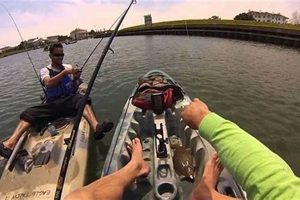
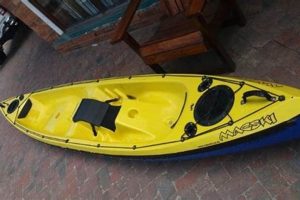
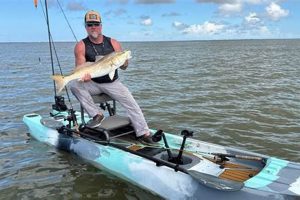
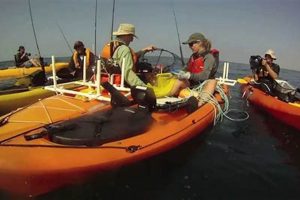
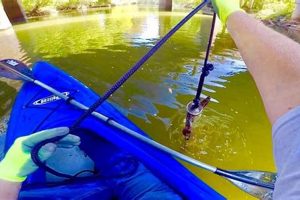
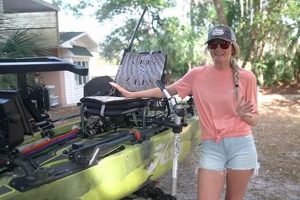
This activity involves angling from a small, human-powered watercraft in ambient temperatures significantly below average. It offers a unique perspective and access to waterways often less frequented during colder months. For example, certain fish species may congregate in specific areas during winter, making them more accessible to kayak anglers.
The pursuit provides opportunities for solitude and connection with nature during a season when many other outdoor activities are limited. Historically, small boats have been utilized for fishing in various climates, adapting to available resources and conditions. Modern advancements in kayak design and cold-weather gear have expanded possibilities and increased safety for this specialized form of angling.
Essential considerations for this activity include safety precautions, specialized equipment, and understanding the impact of cold on both anglers and aquatic life. These topics will be explored in detail below.
Tips for Cold Weather Kayak Angling
Careful planning and preparation are crucial for a safe and successful experience on the water during colder months. The following tips offer guidance for mitigating risks and maximizing enjoyment.
Tip 1: Dress in Layers: Multiple thin layers of clothing trap warm air more effectively than single thick garments. Avoid cotton, which retains moisture and can accelerate heat loss. Synthetics or wool are preferable base layers. A waterproof outer shell is essential.
Tip 2: Check Weather Forecasts: Pay close attention to air and water temperatures, wind speed, and precipitation. Be aware of changing conditions and postpone trips if necessary. Sudden weather changes can create hazardous situations on the water.
Tip 3: Inform Someone of Your Plans: Always share trip details, including launch location, intended route, and expected return time, with a reliable contact. This allows for a quicker response in case of emergencies.
Tip 4: Carry Essential Safety Gear: A personal flotation device (PFD) is mandatory. A whistle, signaling mirror, and waterproof communication device are highly recommended. A first-aid kit and emergency supplies should also be readily accessible.
Tip 5: Be Aware of Cold Water Risks: Cold water immersion can rapidly lead to hypothermia. Understanding the symptoms and appropriate responses is critical. Carry a dry bag with extra clothing and consider wearing a wetsuit or drysuit for added protection.
Tip 6: Adapt Fishing Techniques: Fish behavior changes in colder water. Slower presentations and smaller lures or bait may be more effective. Research target species and adjust techniques accordingly.
Tip 7: Secure Gear Properly: Ensure all equipment is securely fastened to the kayak to prevent loss in case of capsize. Use waterproof containers for electronics and other sensitive items.
By adhering to these guidelines, anglers can significantly increase their safety and enjoyment on the water during colder months. Preparation minimizes risks and allows for a more focused and rewarding experience.
Careful consideration of these factors will contribute to a safer and more rewarding cold-weather angling experience. With proper planning and execution, this unique pursuit can provide unforgettable moments on the water.
1. Cold Water Safety
Cold water presents significant risks to kayak anglers, demanding careful consideration and proactive safety measures. Understanding these dangers and implementing appropriate strategies is paramount for a safe and enjoyable experience.
- Hypothermia
Immersion in cold water can rapidly lead to hypothermia, a dangerous drop in core body temperature. Even brief exposure can impair physical and cognitive function, increasing the risk of accidents and hindering self-rescue. Wearing appropriate thermal protection, such as a drysuit or wetsuit, significantly mitigates this risk.
- Cold Water Shock
Sudden immersion in cold water can trigger an involuntary gasp reflex, leading to inhalation of water and potential drowning. This initial shock can also cause disorientation and panic, further compounding the danger. Wearing a PFD is crucial for maintaining buoyancy and increasing survival chances.
- Reduced Dexterity
Cold temperatures impair hand and finger dexterity, making essential tasks like operating equipment or performing self-rescue maneuvers more challenging. Wearing appropriate gloves and practicing essential skills in cold conditions can help maintain functionality.
- Increased Risk of Capsizing
Cold weather conditions often bring increased wind and waves, elevating the risk of capsizing. Combined with the dangers of cold water immersion, this makes stability and self-rescue skills even more critical. Practicing self-rescue techniques and using a stable kayak designed for colder conditions can mitigate this risk.
Addressing these cold water safety concerns is fundamental to responsible kayak fishing in cold weather. Preparation, proper equipment, and a thorough understanding of the risks involved contribute significantly to a safe and enjoyable experience. Ignoring these factors can have severe consequences, highlighting the importance of prioritizing safety in cold water environments.
2. Layered Clothing System

A layered clothing system is essential for maintaining thermal comfort and safety during cold-weather kayak fishing. This approach allows anglers to regulate body temperature effectively by adding or removing layers as conditions change. Unlike single thick garments, layering traps warm air between layers, providing superior insulation while allowing for greater flexibility and range of motion. For instance, a base layer of moisture-wicking synthetic or merino wool draws sweat away from the skin, preventing chills. A mid-layer of fleece or down provides insulation, while a waterproof and windproof outer shell protects against the elements. This adaptable system is crucial for responding to fluctuating temperatures and activity levels inherent in kayak fishing.
The effectiveness of a layered clothing system is further enhanced by avoiding cotton garments. Cotton absorbs and retains moisture, accelerating heat loss and increasing the risk of hypothermia, a serious concern in cold water environments. Synthetic fabrics and wool, on the other hand, retain their insulating properties even when wet, providing crucial protection in case of accidental immersion or unexpected precipitation. Choosing appropriate materials for each layer significantly impacts overall comfort and safety. A waterproof and breathable outer layer is particularly important for protecting against wind, rain, and spray, which can exacerbate heat loss. Additionally, waterproof footwear and insulated headwear are crucial for minimizing heat loss from extremities.
Implementing a well-designed layered clothing system is a fundamental aspect of safe and effective cold-weather kayak fishing. It enables anglers to adapt to changing weather conditions and maintain a safe core body temperature, mitigating the risks associated with cold water exposure. Understanding the principles of layering and choosing appropriate materials are key to maximizing comfort and safety during cold-water excursions. This proactive approach to thermal regulation is essential for preventing hypothermia and ensuring a positive and productive fishing experience.
3. Essential Safety Equipment

Essential safety equipment plays a crucial role in mitigating risks associated with cold-weather kayak fishing. The inherent dangers of cold water immersion necessitate specific gear choices beyond standard fishing equipment. A personal flotation device (PFD) is paramount. It provides buoyancy and increases survival chances in case of capsize, particularly critical given the debilitating effects of cold water shock and hypothermia. A whistle enables signaling for assistance, while a waterproof communication device, such as a VHF radio or satellite messenger, allows for contacting emergency services even in remote locations. These communication tools become vital if a capsize occurs or medical assistance is required.
Beyond communication and flotation, other safety equipment contributes significantly to preparedness. A first-aid kit equipped to handle cold-weather injuries, including hypothermia and frostbite, is essential. Navigation tools, such as a compass and GPS device, are crucial for maintaining orientation, especially in fog or reduced visibility common in colder climates. A dry bag for storing extra clothing and emergency supplies protects vital gear from water damage, ensuring access to warmth and essential resources if conditions deteriorate. Carrying a knife allows for cutting fishing lines or other entanglements that could pose a risk in cold water. A bilge pump or bailing device aids in removing water from the kayak after a capsize or wave intrusion. For example, a kayak angler who capsizes in cold water and is wearing a PFD, can use their whistle and communication device to signal for help while utilizing the bilge pump to remove water from the kayak, increasing stability for re-entry or awaiting rescue. These combined elements increase the likelihood of a positive outcome in emergency situations.
The selection and proper use of essential safety equipment significantly impact the outcome of unforeseen events during cold-weather kayak fishing. While skill and experience are crucial, appropriate gear provides a critical safety net, enabling anglers to respond effectively to emergencies and mitigate the inherent risks of cold water environments. Neglecting these safety precautions can have severe consequences, underscoring the importance of preparedness and responsible decision-making in this challenging and rewarding pursuit.
4. Weather Forecast Awareness

Weather forecast awareness is paramount for safe and successful cold-weather kayak fishing. Fluctuating temperatures, precipitation, and wind conditions significantly impact safety and comfort on the water. Accurate and timely weather information allows anglers to make informed decisions regarding trip planning, launch times, and appropriate gear selection. For example, strong winds can create challenging paddling conditions and increase the risk of capsize, especially in cold water. Understanding wind speed and direction enables anglers to choose sheltered locations or postpone trips until conditions improve. Similarly, anticipated precipitation influences clothing choices and the need for waterproof gear.
Neglecting weather forecasts can lead to hazardous situations. A sudden drop in temperature or unexpected precipitation can exacerbate the risks of hypothermia, particularly if anglers are not adequately prepared. Rapidly changing weather conditions can create unpredictable water currents and wave patterns, increasing navigational challenges. Real-life examples abound of anglers caught unprepared by sudden storms or rapid temperature changes, highlighting the critical nature of weather forecast awareness. Consulting multiple reliable sources, including national weather services and local forecasts, enhances preparedness and reduces the likelihood of encountering unexpected hazardous conditions. This proactive approach empowers anglers to make informed decisions, enhancing safety and enjoyment.
In summary, weather forecast awareness serves as a cornerstone of safe and successful cold-weather kayak fishing. It provides crucial information for planning trips, selecting appropriate gear, and making real-time decisions on the water. Failing to prioritize weather information significantly increases the risks associated with cold-water immersion and unpredictable conditions, potentially leading to dangerous situations. A thorough understanding of current and anticipated weather patterns empowers anglers to mitigate these risks and enhance their overall experience. Integrating weather forecast awareness into pre-trip planning and on-the-water decision-making is essential for responsible and enjoyable cold-weather kayak angling.
5. Adapted Fishing Techniques

Fish behavior changes significantly in cold water, necessitating adapted fishing techniques for successful cold-weather kayak angling. Metabolic rates decrease, leading to reduced activity levels and altered feeding patterns. Target species may seek deeper, warmer water or congregate near thermal refuges. Consequently, techniques effective in warmer months often prove unproductive in cold conditions. For example, fast-moving lures may not entice sluggish fish. Slower presentations, smaller lures, and bait fished near the bottom often yield better results. Understanding these behavioral shifts is crucial for adapting presentations and maximizing catch rates.
Practical applications of adapted fishing techniques include using finesse tactics like drop-shotting or jigging with smaller, more subtle presentations. Live bait, such as minnows or worms, can be effective, especially when fished near the bottom or around structure. Targeting specific areas known to hold fish during colder months, such as deeper pools or areas with thermal discharge, increases the likelihood of success. Real-life examples demonstrate the effectiveness of these adaptations. Anglers who adjust their techniques to match cold-water fish behavior often experience greater success compared to those who maintain warm-weather strategies. This underscores the importance of understanding the interplay between water temperature and fish behavior.
Adapting fishing techniques to cold-water conditions is crucial for successful kayak angling during colder months. Recognizing the impact of temperature on fish behavior enables anglers to refine presentations and target specific areas effectively. This targeted approach enhances catch rates and contributes to a more rewarding experience. Failure to adapt often results in diminished returns, highlighting the practical significance of understanding and applying these specialized techniques.
6. Trip Plan Communication
Trip plan communication is a critical safety precaution in cold-weather kayak fishing. Sharing detailed trip plans with a reliable contact mitigates risks associated with unforeseen events. A comprehensive trip plan includes launch location, intended route, expected return time, and emergency contact information. This information enables a timely response in case of emergencies, such as capsizing, medical issues, or unexpected delays. Cold water immersion significantly increases the urgency of rescue efforts, making timely communication even more critical. For example, if an angler experiences a capsize in cold water and fails to return as scheduled, the designated contact can alert authorities, providing crucial details regarding the angler’s last known location and planned route. This can significantly reduce search time and potentially save lives.
The practical significance of trip plan communication extends beyond emergency situations. Informing someone of intended fishing locations allows for monitoring changing weather conditions and relaying critical updates to the angler. Unexpected weather changes, such as approaching storms or rapid temperature drops, can significantly impact safety on the water. A designated contact on shore can monitor weather forecasts and communicate potential hazards to the angler, allowing for informed decisions regarding continuing the trip or seeking shelter. This communication link adds an additional layer of safety and preparedness. Additionally, shared trip plans facilitate post-trip check-ins, confirming the angler’s safe return and providing peace of mind to family and friends.
In conclusion, trip plan communication represents a fundamental safety practice in cold-weather kayak fishing. Sharing detailed trip plans with a reliable contact enables timely responses to emergencies, facilitates communication regarding changing weather conditions, and provides a means of post-trip confirmation. This seemingly simple act can have profound consequences, potentially saving lives and mitigating risks associated with this challenging and rewarding pursuit. The importance of trip plan communication underscores the inherent risks of cold-water environments and highlights the value of preparedness and responsible decision-making in cold-weather kayak angling.
7. Secure Gear Storage
Secure gear storage is essential for safe and efficient cold-weather kayak fishing. Cold water environments present unique challenges, including increased risk of capsize due to wind, waves, or unexpected obstacles. Loss of essential equipment in cold water can have severe consequences, impacting an angler’s ability to navigate, communicate, or maintain thermal regulation. Proper storage minimizes these risks and ensures essential items remain accessible and functional in challenging conditions.
- Preventing Equipment Loss
Secure storage prevents equipment loss during capsizes, a significant risk in cold water. Dry bags, waterproof hatches, and deck rigging systems safeguard essential items like communication devices, first-aid kits, and extra clothing. Losing these items in cold water could compromise an angler’s ability to call for help, manage injuries, or maintain core body temperature. Real-world scenarios, where anglers have relied on securely stored gear to survive after capsizing in cold water, underscore the importance of this practice.
- Maintaining Functionality
Protecting equipment from the elements preserves functionality. Electronics, such as GPS units and fish finders, are vulnerable to water damage, which can render them useless. Waterproof cases and secure storage compartments protect these devices, ensuring they function reliably in wet and cold conditions. Maintaining the functionality of these tools can be crucial for navigation, fish finding, and ultimately, a successful fishing trip. For instance, a functioning GPS can be vital for navigating back to shore in fog or low-light conditions common in colder weather.
- Optimizing Kayak Stability
Proper gear storage contributes to kayak stability. Loose items can shift during paddling or capsize, affecting the kayak’s balance and increasing the risk of further incidents. Securing gear low and centrally within the kayak maintains a low center of gravity, enhancing stability and maneuverability. This is especially important in cold water conditions, where even small stability issues can have significant consequences.
- Streamlining Access to Essentials
Organized and secure gear storage facilitates efficient access to essential items. In cold weather, quick access to safety gear, extra clothing, or navigation tools can be critical. Designated compartments and readily accessible dry bags allow anglers to retrieve items quickly and easily, even with cold, stiff hands. This organized approach can be vital in emergency situations, where time is of the essence. For example, quick access to a first-aid kit can be crucial for managing injuries promptly, minimizing further complications.
Secure gear storage, therefore, is not merely an organizational preference but a crucial safety consideration in cold-weather kayak fishing. It protects essential equipment from loss and damage, enhances kayak stability, and facilitates efficient access to vital items. These combined factors significantly contribute to angler safety and overall trip success in the challenging environment of cold-water kayaking.
Frequently Asked Questions
Addressing common inquiries regarding cold-weather kayak angling provides clarity and promotes safe practices for this specialized activity. Understanding potential challenges and implementing appropriate strategies enhances both safety and enjoyment on the water.
Question 1: What are the primary dangers of kayak fishing in cold water?
Cold water immersion presents significant risks, including hypothermia, cold water shock, and reduced dexterity. These factors can impair physical and cognitive functions, increasing the risk of accidents and hindering self-rescue capabilities. Understanding these dangers is crucial for implementing appropriate safety measures.
Question 2: What type of clothing is recommended for cold-weather kayak fishing?
A layered clothing system, avoiding cotton, is essential. Moisture-wicking base layers, insulating mid-layers, and a waterproof/windproof outer shell provide optimal thermal regulation and protection from the elements. Specialized gear, such as drysuits or wetsuits, offers additional protection in case of immersion.
Question 3: What essential safety equipment should be carried?
Essential safety equipment includes a personal flotation device (PFD), a whistle, a waterproof communication device, a first-aid kit, navigation tools, and a dry bag containing extra clothing and emergency supplies. These items enhance preparedness and facilitate effective responses to unforeseen events.
Question 4: How does cold water affect fish behavior and fishing techniques?
Cold water reduces fish metabolism and activity levels, impacting feeding patterns. Slower presentations, smaller lures, and bait fished near the bottom are often more effective. Adapting fishing techniques to cold-water fish behavior enhances catch rates.
Question 5: Why is trip plan communication important?
Sharing detailed trip plans with a reliable contact enables timely assistance in case of emergencies, allows for communication regarding changing weather conditions, and provides post-trip confirmation. This practice significantly enhances safety and provides peace of mind.
Question 6: How should gear be stored on a kayak in cold weather?
Gear should be stored securely to prevent loss during capsizes and protect it from the elements. Waterproof compartments, dry bags, and deck rigging systems are effective methods for securing gear and ensuring accessibility. Proper storage also contributes to kayak stability.
Prioritizing safety and understanding the unique challenges of cold-weather kayak fishing are crucial for a positive and successful experience. Careful planning, proper equipment, and adherence to safe practices contribute significantly to mitigating risks and maximizing enjoyment on the water.
For further information and detailed guidance on specific aspects of cold-weather kayak fishing, consult reputable resources and experienced anglers. Continued learning and skill development enhance safety and foster a deeper appreciation for this specialized activity.
Kayak Fishing in Cold Weather
Kayak fishing in cold weather presents unique challenges and rewards. This activity requires careful consideration of safety precautions, specialized equipment, and adapted fishing techniques. Cold water safety is paramount, demanding awareness of hypothermia, cold water shock, and the importance of proper thermal protection. Layered clothing systems, essential safety equipment, and comprehensive trip planning contribute significantly to risk mitigation. Adapting fishing techniques to cold-water fish behavior maximizes angling success. Secure gear storage ensures essential items remain accessible and functional in challenging conditions. Weather forecast awareness provides crucial information for informed decision-making, impacting both safety and enjoyment.
Careful preparation and a thorough understanding of cold-water dynamics empower anglers to experience the unique rewards of kayak fishing during colder months. Prioritizing safety and adapting to the specific demands of this environment unlock exceptional angling opportunities and foster a deeper connection with nature. Continued learning and responsible practices are essential for ensuring the sustainability and enjoyment of this specialized pursuit.