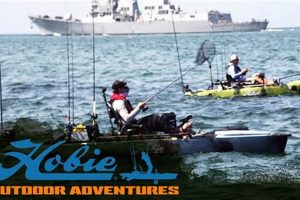
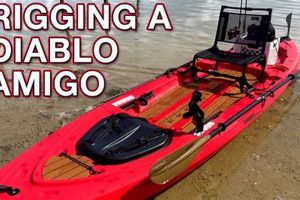
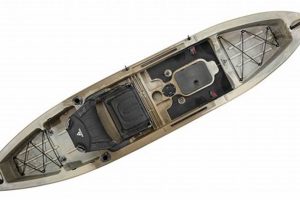
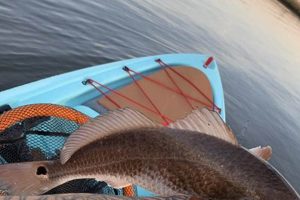
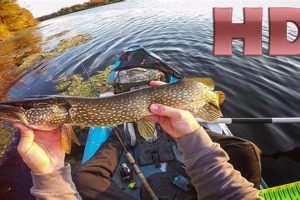
Specialized equipment designed for angling from a kayak encompasses rods, reels, lines, lures, and terminal tackle, often smaller and more compact than gear used in other fishing contexts. For example, shorter rods are frequently preferred for maneuverability within the limited space of a kayak, while specialized storage solutions keep equipment secure and accessible.
Compactness, portability, and durability are critical characteristics. This specialized equipment allows anglers to access shallow waters and hard-to-reach fishing spots often inaccessible by larger boats, increasing fishing opportunities. Historically, kayak fishing relied on adaptations of existing fishing gear. However, the growing popularity of this sport has fueled the development of purpose-built equipment that enhances efficiency, safety, and overall fishing success from a kayak.
This discussion will further examine specific equipment choices, storage solutions, and techniques for effective angling from a kayak, providing readers with a comprehensive understanding of the essential elements involved.
Essential Kayak Fishing Tackle Tips
Optimizing equipment selection and organization significantly enhances angling success and safety when fishing from a kayak.
Tip 1: Prioritize Rod and Reel Choices: Opt for shorter, lighter rods (6-7 feet) designed for specific target species and techniques. Baitcasting or spinning reels with a high gear ratio facilitate quick line retrieval.
Tip 2: Select Appropriate Line and Leader: Braided line offers superior sensitivity and strength in challenging environments, while a fluorocarbon leader provides abrasion resistance and near invisibility in the water.
Tip 3: Choose Lures Wisely: A selection of versatile lures like topwater plugs, crankbaits, jigs, and soft plastics covers a range of fishing scenarios. Consider downsizing lure profiles for finesse presentations.
Tip 4: Organize Tackle Effectively: Utilize waterproof tackle boxes or bags with compartments to keep lures, hooks, weights, and tools neatly organized and readily accessible.
Tip 5: Employ Essential Safety Gear: A personal flotation device (PFD) is paramount. A whistle, knife, and first-aid kit should also be included as standard safety precautions.
Tip 6: Secure Equipment to the Kayak: Utilize leashes and rod holders to prevent gear loss in the event of a capsize or unexpected movement. Consider mounting rod holders strategically for balanced weight distribution.
Tip 7: Minimize Tackle Quantity: Focus on essential items to avoid clutter and maximize space efficiency on the kayak. Replenish supplies as needed based on targeted species and fishing conditions.
Careful consideration of these factors contributes significantly to a safer and more productive kayak fishing experience. Proper equipment selection, organization, and adherence to safety practices enhance angling success and enjoyment.
By implementing these strategies, anglers can focus on the core elements of fishing and maximize their time on the water.
1. Rods

Rod selection significantly impacts kayak angling effectiveness. Short, lightweight, and durable rods are essential components of specialized kayak fishing tackle. These characteristics directly address the unique challenges and opportunities presented by the kayak fishing environment. Short rods, typically between 6 and 7 feet, offer enhanced maneuverability within the confined space of a kayak cockpit. Longer rods, common in other fishing styles, become cumbersome and impractical within this limited area. Attempting to cast or fight a fish with a longer rod from a kayak risks tangling lines, striking the kayak structure, or even capsizing. The lighter weight reduces fatigue during extended fishing trips, enhancing angler comfort and endurance. Durability is crucial due to the increased potential for impacts and exposure to the elements inherent in kayak fishing. For instance, a lightweight graphite rod with a fast action provides sensitivity for detecting bites while maintaining the strength to handle larger fish in tight quarters.
This specialized rod choice enables anglers to effectively target species in diverse environments, from shallow-water sight fishing to open-water trolling. The shorter length facilitates precise casts under overhanging branches or around tight cover, maximizing fishing opportunities in locations often inaccessible to larger boats. Lightweight construction allows for single-handed operation, crucial when managing a kayak and fishing simultaneously. Durable materials ensure the rod can withstand accidental impacts against the kayak or surrounding structures, maintaining functionality throughout the fishing trip. Consider a scenario where an angler hooks a powerful fish near submerged logs. A short, durable rod provides the leverage and strength required to steer the fish away from obstacles and successfully land it, while a longer, less robust rod might break under the strain or become entangled.
Appropriate rod selection directly correlates with angling success and overall enjoyment while kayak fishing. The combination of short length, lightweight construction, and durable materials optimizes performance and adaptability in the unique kayak fishing environment. Understanding these principles allows anglers to make informed equipment choices that enhance their efficiency and enjoyment on the water.
2. Reels
Reel selection is a critical aspect of kayak fishing tackle configuration. Compact size and a high gear ratio are key features that directly influence an angler’s effectiveness and efficiency on the water. These characteristics address the specific demands of fishing from a kayak, where space is limited and quick line retrieval is often essential.
- Compact Design Benefits
Compact reels optimize space management on a kayak. Their smaller footprint minimizes interference with paddling, casting, and other onboard activities. This compact profile also reduces overall weight, a significant factor in kayak performance and portability. For example, a low-profile baitcasting reel offers the necessary power and line capacity without the bulk of larger conventional reels. This compact design keeps the reel closer to the rod, improving balance and reducing fatigue during extended fishing sessions. The reduced footprint also minimizes the risk of entanglement with other gear or the kayak itself.
- High Gear Ratio Advantages
A high gear ratio allows for rapid line retrieval, a crucial advantage in various kayak fishing scenarios. When a fish strikes near the kayak, a high gear ratio enables the angler to quickly pick up slack line and maintain tension, preventing the fish from shaking the hook or escaping into cover. In techniques like topwater fishing, where lures are retrieved quickly across the surface, a high gear ratio reel facilitates the necessary speed and action. This quick retrieval is also beneficial when fishing in current, where maintaining control of the lure or bait requires constant line management. For instance, a 7:1 gear ratio reel retrieves line significantly faster than a 5:1 gear ratio reel, allowing for quicker reactions and more efficient lure presentations.
- Balance and Ergonomics
The combination of compact size and high gear ratio contributes to improved balance and ergonomics in kayak fishing. A smaller, lighter reel complements shorter kayak fishing rods, creating a balanced and comfortable setup for extended use. This balanced feel reduces fatigue and allows for precise casting and lure manipulation. Ergonomic considerations are particularly important in kayak fishing due to the physical demands of paddling and maneuvering the vessel while simultaneously handling fishing gear. A well-balanced setup minimizes strain on the angler’s wrists and arms, promoting comfort and preventing fatigue.
- Species and Technique Considerations
While a compact, high-gear-ratio reel is generally preferred for kayak fishing, specific species and techniques may influence reel choice. For targeting larger, more powerful fish, a slightly larger reel with a higher line capacity and a stronger drag system may be necessary. Similarly, techniques like deepwater jigging or trolling may benefit from a reel with a lower gear ratio and increased cranking power. Understanding these nuances allows anglers to select the most appropriate reel for their specific kayak fishing needs. For example, targeting largemouth bass in heavy cover might necessitate a reel with a stronger drag system and higher line capacity than targeting panfish in open water.
Selecting a compact, high-gear-ratio reel directly contributes to an efficient and enjoyable kayak fishing experience. The combination of these features addresses the unique demands of fishing from a kayak by optimizing space, enhancing line retrieval speed, and promoting balanced ergonomics. By understanding the interplay of these factors, anglers can make informed decisions to maximize their success on the water.
3. Line
Line choice significantly impacts kayak fishing success. Braided line, known for its strength, sensitivity, and thin diameter, offers distinct advantages in this specialized angling context. Understanding its properties and applications is crucial for optimizing tackle performance and maximizing fishing outcomes from a kayak.
- Strength and Durability
Braided line exhibits exceptional strength relative to its diameter. This characteristic allows anglers to use thinner lines without compromising breaking strength, increasing line capacity on the reel and reducing drag in the water. Increased strength is particularly advantageous when fishing around heavy cover or targeting larger, more powerful fish from a kayak, where the angler has limited maneuverability. For example, a 10-pound test braided line often has the diameter of a 4-pound test monofilament line, providing significantly greater strength with less resistance in the water.
- Enhanced Sensitivity
Braided line’s lack of stretch transmits subtle underwater vibrations and bites directly to the angler, enhancing sensitivity. This heightened sensitivity is critical for detecting light bites or subtle changes in lure action, especially in challenging conditions like murky water or deep fishing. This direct feedback allows for faster hooksets and improved control over the presentation. For instance, an angler using braided line can feel the subtle tap of a crappie inhaling a jig, whereas monofilament might only transmit a muted vibration.
- Thin Diameter Advantages
The thin diameter of braided line offers several benefits. It cuts through the water more efficiently, allowing lures to reach greater depths and reducing the impact of current. This characteristic also improves casting distance and accuracy, particularly important when fishing from a kayak where casting space may be limited. Furthermore, thinner line reduces line visibility, potentially increasing strike rates from wary fish. For example, when casting lightweight lures into the wind, braided lines reduced diameter minimizes wind resistance, resulting in longer, more accurate casts.
- Considerations and Best Practices
While braided line offers numerous advantages, certain considerations warrant attention. Its lack of stretch can make it challenging to manage powerful fish, potentially increasing the risk of hook pulls or line breakage. Using a shock leader made of monofilament or fluorocarbon can mitigate this risk by providing some stretch and absorbing sudden surges. Additionally, braided lines sensitivity can sometimes make it more susceptible to wind knots and tangles. Careful line management and proper spooling techniques are crucial to minimize these issues. Finally, visibility can be a concern in exceptionally clear water. In these situations, using a fluorocarbon leader can help to camouflage the line near the lure.
Braided lines strength, sensitivity, and thin diameter significantly enhance kayak fishing effectiveness. Understanding these properties and employing best practices, such as using a shock leader and proper line management techniques, allows anglers to maximize the benefits of braided line while mitigating potential drawbacks. Its contribution to increased sensitivity, casting distance, and line capacity makes it a valuable component within the specialized kayak fishing tackle system.
4. Lures
Lure selection is integral to successful kayak angling. Versatility, compactness, and effectiveness are critical attributes influencing lure choice within the specialized context of kayak fishing tackle. These characteristics directly address the unique demands and opportunities inherent in this fishing style, where space is limited and adaptability is paramount.
Versatility in lures allows anglers to target a wider range of species and adapt to changing fishing conditions. A compact tackle selection maximizes storage efficiency on a kayak, where space is at a premium. Effectiveness ensures lures attract and entice target species, maximizing fishing success. For instance, a selection might include topwater lures for surface action, crankbaits for exploring different depths, jigs for bottom-dwelling species, and soft plastic lures for finesse presentations. This versatile collection allows anglers to adjust their approach based on factors like water clarity, temperature, and target species behavior. Compactness is addressed through selecting lures that offer multiple functionalities or can be easily modified with different rigging options. Effectiveness is determined by lure design, color patterns, and action in the water, appealing to the target species’ feeding instincts. A well-chosen, compact, and versatile lure selection significantly increases the probability of successful hookups while minimizing the physical footprint of the tackle system on the kayak.
Practical application of this understanding involves careful consideration of the target species, the fishing environment, and the angler’s preferred techniques. Researching local fish behavior and habitat preferences informs lure selection. Prioritizing lures with proven effectiveness in similar environments enhances the likelihood of success. Organizing lures within a compact and readily accessible tackle system optimizes efficiency during the fishing trip. Addressing these elements enhances the angler’s preparedness and adaptability, maximizing the potential for positive outcomes on the water. Understanding the interplay of versatility, compactness, and effectiveness in lure selection significantly contributes to a more productive and enjoyable kayak fishing experience. This knowledge empowers anglers to make informed decisions regarding tackle choices, ultimately leading to increased success and satisfaction on the water.
5. Tackle Storage
Effective tackle storage is paramount in kayak fishing. A well-organized and waterproof system preserves equipment integrity and contributes significantly to angler efficiency and safety. Unlike larger vessels, kayaks offer limited storage, necessitating careful consideration of tackle organization and protection from the elements.
- Protection from the Elements
Waterproof storage safeguards tackle from water damage due to splashes, rain, or even accidental submersion. Corrosion and rust can quickly degrade hooks, lures, and other metal components, compromising their effectiveness. Waterproof containers or bags maintain tackle integrity, ensuring functionality and longevity. For example, a sealed tackle box prevents saltwater intrusion, protecting valuable lures from corrosion and maintaining their sharpness.
- Organization and Accessibility
Organized storage facilitates efficient tackle retrieval, minimizing search time and maximizing fishing time. Designated compartments for different lure types, hooks, weights, and tools allow anglers to quickly locate necessary items without disrupting the balance of the kayak. This efficient organization streamlines lure changes and adjustments, crucial for adapting to changing fishing conditions. For example, a tackle box with adjustable dividers allows for customized organization based on individual fishing styles and preferences.
- Space Optimization
Compact and modular storage solutions maximize limited kayak space. Stackable containers and specialized tackle bags designed for kayak use optimize storage capacity without adding unnecessary bulk. This efficient use of space ensures adequate room for other essential gear and enhances kayak stability. For example, a slim-profile tackle bag designed to fit under a kayak seat maximizes storage capacity while minimizing interference with paddling and casting.
- Safety and Stability
Securely stored tackle contributes to kayak stability and angler safety. Loose items can shift during movement, creating an imbalance or tripping hazard. Secure tackle storage systems prevent equipment from sliding around the kayak, minimizing the risk of capsizing and ensuring angler safety. For instance, a tackle bag strapped securely to the kayak prevents it from shifting unexpectedly during maneuvers, maintaining balance and preventing potential hazards.
Organized, waterproof tackle storage directly enhances kayak fishing effectiveness and safety. Protecting equipment from the elements, optimizing space, and ensuring accessibility contribute to a more efficient and enjoyable angling experience. By prioritizing these aspects of tackle management, anglers can focus on fishing rather than managing gear, maximizing their time and success on the water.
6. Safety Gear
While specialized fishing equipment enhances angling success, safety gear remains paramount in kayak fishing. A Personal Flotation Device (PFD), a knife, and a whistle constitute essential safety components, inextricably linked to the overall effectiveness and responsibility of kayak fishing tackle. These items contribute directly to angler well-being and preparedness for unforeseen circumstances inherent in the on-water environment.
- Personal Flotation Device (PFD)
A PFD is the single most crucial piece of safety equipment. It provides buoyancy in the event of capsizing or accidental immersion, potentially saving lives. Selecting a comfortable, well-fitting PFD designed for kayaking ensures unrestricted movement during paddling and casting. Inflatable PFDs offer increased comfort and mobility compared to traditional foam vests but require regular inspection and maintenance. Proper PFD wear is non-negotiable for responsible kayak angling. For example, an angler encountering unexpected rough water or colliding with an unseen obstacle relies on their PFD for immediate flotation and increased visibility to other boaters.
- Knife
A sharp knife serves multiple safety functions. It allows anglers to quickly cut entangled fishing lines or nets, posing entanglement risks. In emergencies, a knife can be crucial for cutting anchor lines or other restraints. A readily accessible, securely sheathed knife with a corrosion-resistant blade is essential. For example, an angler whose fishing line becomes tightly wrapped around a submerged log can quickly and safely sever the line, preventing capsizing or injury. Furthermore, a knife can be instrumental in first-aid situations, such as cutting clothing away from an injury.
- Whistle
A whistle provides a reliable signaling device in emergencies. Its high-pitched sound carries farther than voice calls, attracting attention over greater distances. In situations involving fog, inclement weather, or separation from the kayak, a whistle can be essential for alerting others to one’s location. Attaching the whistle to the PFD ensures immediate availability. For example, an angler experiencing difficulty due to a sudden weather change or equipment malfunction can use the whistle to signal for assistance, increasing the likelihood of a timely response.
- Integrated Safety Approach
These safety elements are integral components of responsible kayak fishing practices. They are not merely additions to the fishing tackle assortment but rather essential considerations interwoven with all aspects of kayak angling. Regular equipment checks, familiarity with safety procedures, and consistent adherence to safe practices significantly enhance on-water safety. For example, regularly inspecting PFD inflation mechanisms and ensuring knife sharpness reinforces preparedness for unforeseen circumstances, fostering a culture of proactive safety consciousness within kayak fishing practices.
Integrating these safety measures into kayak fishing practices underscores the commitment to responsible angling. While pursuing the enjoyment of fishing, prioritizing safety enhances the overall experience and ensures preparedness for unforeseen challenges. The integration of PFDs, knives, and whistles into the kayak fishing tackle system represents not merely a precaution but a fundamental component of ethical and responsible angling. These tools become integral components, as essential as the rods, reels, and lures, highlighting the commitment to safety alongside the pursuit of angling success.
7. Kayak Accessories
Specialized kayak accessories, such as rod holders and mounts, are integral components of a comprehensive kayak fishing tackle system. These accessories enhance angling efficiency, safety, and overall enjoyment by providing secure storage and convenient access to fishing rods and other essential equipment. They represent a crucial link between the core fishing tackle and the kayak platform, optimizing the integration of angling activities within the constraints of a small watercraft.
- Rod Holders: Secure and Accessible Rod Storage
Rod holders offer designated locations to secure fishing rods when not actively in use. They prevent rods from sliding around the kayak, minimizing the risk of damage or loss overboard. Various rod holder designs accommodate different fishing styles and rod types. Flush-mounted rod holders integrate seamlessly with the kayak’s hull, while adjustable rod holders offer flexibility in positioning. For example, an angler trolling with multiple lines can securely position rods in holders at various angles, optimizing line spread and minimizing tangles. Similarly, a fly angler can position a rod holder for easy access while managing line and fly retrieval. The secure storage provided by rod holders allows anglers to focus on paddling, maneuvering, or landing fish without the constant concern of managing loose rods.
- Mounts for Electronics and Accessories
Mounting systems provide secure attachment points for fish finders, GPS units, cameras, and other electronic accessories. These mounts enhance situational awareness, navigation, and data collection, contributing to more informed fishing decisions. Adjustable mounts allow anglers to optimize viewing angles and access to controls. For example, a fish finder mount allows clear visualization of underwater structures and fish locations, informing lure choice and retrieval techniques. A camera mount captures the fishing experience, documenting catches and preserving memories. These mounts integrate technology seamlessly into the kayak fishing experience, enhancing efficiency and enjoyment.
- Anchor Trolleys and Systems
Anchor trolleys control kayak positioning in current or wind, maintaining a desired location for targeted fishing. They allow anglers to adjust anchor position from the seated position, maximizing efficiency and minimizing disruption to the fishing process. This controlled positioning is especially valuable in river fishing or when targeting specific structures. For example, an angler fishing a river channel can deploy an anchor trolley to maintain position upstream of a productive eddy, presenting lures with precision. This controlled positioning enhances fishing effectiveness by allowing anglers to focus on lure presentation and fish fighting rather than constantly adjusting kayak position.
- Gear Tracks and Mounting Rails
Gear tracks and mounting rails offer versatile attachment points for various accessories, customizing the kayak to individual angler preferences and fishing styles. These systems provide a standardized platform for mounting rod holders, fish finders, camera mounts, and other specialized equipment. Their modularity allows anglers to configure their kayak setup for specific fishing scenarios. For example, an angler targeting different species in various environments can easily reconfigure their kayak by adding or removing accessories as needed. This adaptability enhances versatility and maximizes the utility of the kayak fishing platform.
These kayak accessories, seamlessly integrated with essential kayak fishing tackle, optimize angling effectiveness and safety. They contribute to a more organized, efficient, and enjoyable experience by providing secure storage, convenient access, and enhanced functionality. The thoughtful selection and utilization of these accessories transform the kayak into a specialized fishing platform, maximizing angling potential and fostering a deeper connection with the on-water environment.
Frequently Asked Questions about Kayak Fishing Equipment
Addressing common queries regarding specialized equipment for kayak angling provides clarity and facilitates informed decision-making for enhanced fishing experiences.
Question 1: What rod length is optimal for kayak fishing?
Rods between 6 and 7 feet generally offer the best balance of maneuverability and casting control within the confined space of a kayak.
Question 2: Are baitcasting reels suitable for kayak fishing?
Baitcasting reels offer advantages in accuracy and control, particularly when using heavier lures or targeting larger fish, but require practice to master. Spinning reels are generally easier to use for beginners.
Question 3: What line type is recommended for kayak angling?
Braided line offers superior strength, sensitivity, and casting distance, making it a popular choice. However, a fluorocarbon leader is often added for abrasion resistance and reduced visibility.
Question 4: How much tackle should one carry on a kayak?
Prioritize essential items and avoid overpacking. A well-organized tackle box or bag with a selection of versatile lures and terminal tackle is sufficient for most situations. Replenishing supplies based on targeted species and conditions maintains efficiency.
Question 5: What safety equipment is essential for kayak fishing?
A properly fitted personal flotation device (PFD) is paramount. A whistle, a sharp knife, and a basic first-aid kit are also crucial for safety and preparedness.
Question 6: How should tackle be stored on a kayak?
Waterproof tackle boxes or bags with compartments are essential for protecting equipment from water damage and maintaining organization. Secure storage systems prevent gear from shifting and maintain kayak stability.
Careful equipment selection and organization significantly enhance safety and fishing success. Understanding these fundamental aspects contributes to a more informed and rewarding kayak angling experience.
Further exploration of specific tackle components and techniques will be covered in subsequent sections.
Kayak Fishing Tackle
Effective kayak angling hinges on specialized equipment tailored to the unique demands of this fishing style. Careful consideration of rod length, reel design, line properties, lure selection, tackle storage, safety gear, and kayak accessories contributes significantly to both angling success and on-water safety. The integration of these elements forms a cohesive system optimized for efficiency, adaptability, and responsible angling practices within the dynamic kayak fishing environment.
Mastery of specialized equipment empowers anglers to navigate diverse waters and target a wider range of species from the versatile kayak platform. Continued exploration of innovative tackle designs and techniques promises further enhancement of kayak fishing experiences, reinforcing its position as a dynamic and rewarding pursuit within the broader angling landscape.