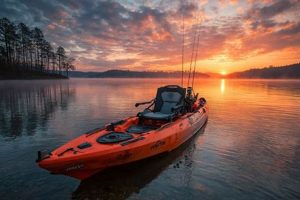
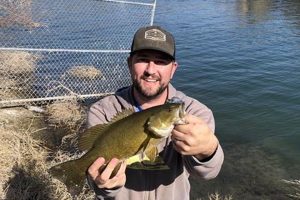
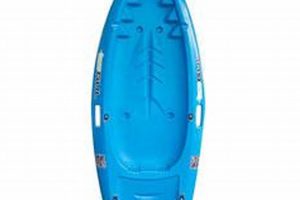
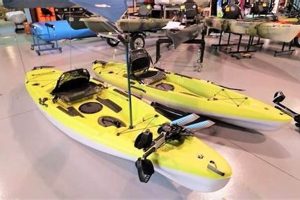
Connecticut offers diverse paddling and angling opportunities, from tranquil lakes and ponds to challenging tidal rivers and the open waters of Long Island Sound. These locations provide access to a variety of fish species, including bass, trout, striped bass, and bluefish. Anglers often prefer small, maneuverable vessels for reaching shallow waters, inlets, and areas inaccessible to larger boats. This approach also offers a quiet, close-to-nature fishing experience.
The popularity of this activity stems from its accessibility and the state’s rich natural resources. Connecticut’s extensive network of waterways and its conservation efforts ensure healthy fish populations and pristine environments. Historically, small boats have played a significant role in fishing traditions, and the modern adaptation with specialized watercraft continues this legacy. The relatively low cost of entry compared to motorized boating also contributes to the increasing interest.
The following sections will explore specific locations ideal for this pursuit, highlighting the types of fish commonly found in each area, recommended equipment and techniques, and any relevant regulations or licensing requirements. Safety considerations and best practices for responsible angling will also be discussed.
Tips for Kayak Fishing in Connecticut
Careful planning and preparation contribute significantly to a successful and enjoyable fishing experience from a kayak in Connecticut. The following tips offer guidance for anglers of all skill levels.
Tip 1: Check Weather Conditions: Prior to departure, consult marine forecasts for wind speed, wave height, and tidal currents. Postpone trips if conditions are unfavorable. Strong winds and currents can create hazardous situations for kayakers.
Tip 2: File a Float Plan: Inform someone about the intended fishing location, launch time, and expected return. This allows for faster response in case of emergencies.
Tip 3: Choose Appropriate Gear: Select a kayak designed for stability and fishing. Essential equipment includes a personal flotation device (PFD), paddle leash, anchor, and appropriate fishing rods and tackle. Rod holders and storage compartments are highly recommended.
Tip 4: Research Fishing Regulations: Obtain the necessary fishing licenses and familiarize oneself with size and catch limits for various species. Adhere to all regulations regarding designated fishing areas and prohibited methods.
Tip 5: Practice Kayak Control: Develop proficiency in maneuvering the kayak, especially in wind and current. Practice entering and exiting the kayak safely in various conditions.
Tip 6: Respect Wildlife and the Environment: Practice catch-and-release whenever possible. Properly dispose of fishing line and other waste. Minimize disturbance to wildlife and their habitats.
Tip 7: Be Aware of Other Watercraft: Maintain visibility with bright clothing and navigational lights, especially during low-light conditions. Yield to larger vessels and maintain a safe distance. Understand and follow boating rules and regulations.
Tip 8: Pack Essential Safety Items: Carry a whistle, signaling mirror, first-aid kit, bilge pump or sponge, and a communication device such as a VHF radio or waterproof cell phone in a dry bag.
By adhering to these guidelines, anglers can enhance their safety, improve their fishing success, and contribute to the preservation of Connecticuts valuable aquatic resources.
This information provides a foundation for planning a kayak fishing trip. Further research into specific locations and techniques will enhance the overall experience.
1. Accessibility

Accessibility plays a crucial role in the selection of kayak fishing spots in Connecticut. Ease of entry and exit points directly impacts the practicality and enjoyment of the experience. Locations with limited access, such as steep banks or areas requiring long portages, may present challenges for transporting kayaks and equipment. This is particularly relevant for individuals with physical limitations. Conversely, sites offering designated launch areas, docks, or gently sloping shorelines simplify access and contribute to a more inclusive and user-friendly experience. For example, locations like Squantz Pond State Park offer dedicated kayak launches, making entry and exit significantly easier compared to less developed areas along the Housatonic River.
The degree of accessibility also influences the types of kayaks suitable for a particular location. Smaller, lighter kayaks are preferable for locations with difficult access, while larger, more stable kayaks might be chosen for locations with convenient launch areas. Parking availability near access points further impacts accessibility. Limited parking can necessitate longer walks with equipment, potentially discouraging anglers from choosing certain locations. Conversely, ample parking close to the water enhances convenience and encourages participation. Candlewood Lake, for instance, features numerous public access points with ample parking, enhancing its appeal for kayak anglers.
Careful consideration of accessibility is essential for maximizing the enjoyment and safety of kayak fishing in Connecticut. Evaluating factors such as launch conditions, parking availability, and the distance from parking to the water helps anglers select appropriate locations and prepare accordingly. This pre-trip planning allows for a smoother, more enjoyable, and ultimately safer fishing experience. Information regarding accessibility can often be found on state park websites, local fishing forums, or by contacting local bait and tackle shops. This research contributes to informed decision-making and a more positive on-the-water experience.
2. Target Species
Target species significantly influence the selection of kayak fishing spots in Connecticut. Different species inhabit specific environments and exhibit varying behaviors, necessitating strategic location choices. Anglers pursuing largemouth bass, for instance, might target shallow, weedy areas in lakes like Bantam Lake or the coves of Candlewood Lake. These locations offer suitable ambush points and abundant forage for bass. Conversely, anglers seeking trout might focus on cold, well-oxygenated rivers such as the Farmington River or the Housatonic River. Understanding the preferred habitat of target species is crucial for maximizing fishing success.
The connection between target species and location extends beyond habitat preference to include seasonal variations. Striped bass, a popular target in the Long Island Sound, migrate along the Connecticut coastline. Anglers pursuing this species must consider seasonal movements and adjust their fishing locations accordingly. During the spring run, striped bass concentrate near river mouths and tidal inlets. In summer, they disperse along the coast, favoring rocky reefs and deeper waters. This understanding of seasonal patterns enables anglers to strategically target specific areas based on the migratory habits of their target species.
Effective selection of kayak fishing spots requires careful consideration of target species biology and behavior. Matching location choice to the preferred habitat and seasonal movements of target species increases the probability of successful angling. Resources such as local fishing reports, tide charts, and depth maps provide valuable information to aid in this selection process. Leveraging this knowledge, combined with an understanding of local regulations and safety considerations, significantly enhances the overall kayak fishing experience.
3. Water Conditions
Water conditions significantly influence the selection of kayak fishing spots in Connecticut, impacting both safety and fishing success. Factors such as current speed, wave height, water clarity, and temperature affect kayak maneuverability and fish behavior. Strong currents and significant wave action, common in the Long Island Sound, especially during periods of strong wind, can present challenges for kayak anglers. These conditions require experience and specialized kayaks designed for rougher waters. Conversely, calmer waters, typical of inland lakes like Lake Waramaug or Mansfield Hollow Reservoir, provide a more stable and accessible environment for less experienced kayakers.
Water clarity plays a crucial role in fishing success. Clear water allows for sight fishing, enabling anglers to target specific fish or structures. Murky or turbid water, often resulting from heavy rainfall or algal blooms, limits visibility and necessitates alternative fishing techniques. The Connecticut River, particularly after periods of heavy rain, can experience reduced clarity, impacting fishing strategies. Water temperature influences fish activity levels and distribution. Cold water species like trout prefer the cooler, well-oxygenated streams and rivers of the Litchfield Hills, while warm water species such as bass thrive in the warmer lakes and ponds of the lower Connecticut River valley during summer months.
Understanding and assessing water conditions is essential for safe and successful kayak fishing. Consulting resources such as marine forecasts, river flow reports, and local fishing reports provides valuable information about current conditions. This knowledge, combined with appropriate kayak selection and fishing techniques, empowers anglers to make informed decisions about location choice, maximizing both safety and the probability of a successful fishing trip. Adapting to prevailing water conditions is crucial for a positive experience. For example, shifting from topwater lures to bottom-fishing rigs when water clarity is poor or targeting deeper water during periods of high temperatures exemplifies how adjustments based on water conditions can enhance fishing outcomes.
4. Regulations
Regulations governing kayak fishing in Connecticut play a vital role in preserving aquatic ecosystems, ensuring sustainable fish populations, and promoting safe recreational practices. These regulations encompass licensing requirements, catch limits, size restrictions for specific species, and designated fishing areas. Compliance with these rules is essential for maintaining the health of Connecticut’s waterways and ensuring the longevity of recreational fishing opportunities. For example, specific regulations exist for trout fishing in designated trout management areas, dictating season dates, allowable methods, and catch limits. Ignoring these regulations can lead to fines and jeopardize the delicate balance of these managed fisheries. Similarly, regulations regarding the harvesting of shellfish, such as size limits and closed seasons, aim to protect shellfish populations and prevent overharvesting.
Licensing requirements contribute to conservation efforts by funding programs that monitor fish populations, maintain fish hatcheries, and enhance aquatic habitats. Possessing a valid Connecticut fishing license is mandatory for all anglers, regardless of age or residency status, with specific exemptions for certain individuals and designated free fishing days. Understanding the different license types, such as resident, non-resident, and short-term licenses, ensures compliance and supports conservation initiatives. Regulations also address specific fishing methods. For instance, certain areas may prohibit the use of live bait or restrict fishing to artificial lures only. These restrictions aim to minimize the introduction of invasive species and protect native fish populations. The use of treble hooks, while permitted in some areas, is restricted in others to minimize injury to released fish.
Adhering to fishing regulations in Connecticut is not only a legal obligation but also a critical component of responsible angling. By understanding and complying with these rules, anglers contribute to the long-term health and sustainability of Connecticut’s aquatic resources. Consulting the Connecticut Department of Energy and Environmental Protection (DEEP) website provides access to the most current regulations, ensuring anglers possess the necessary information to fish legally and ethically. This proactive approach to understanding regulations benefits both the environment and the future of recreational fishing in the state. Failure to comply with regulations can result in penalties, including fines and suspension of fishing privileges. Ultimately, responsible angling practices, including adherence to regulations, ensure the continued enjoyment of Connecticut’s diverse fishing opportunities for generations to come.
5. Safety
Safety considerations are paramount when kayak fishing in Connecticut. The combination of open water, variable weather conditions, and the inherent characteristics of kayaks necessitates careful planning and adherence to safety guidelines. Prioritizing safety ensures a positive and enjoyable experience while mitigating potential risks. Overlooking safety protocols can lead to dangerous situations, jeopardizing both personal well-being and the enjoyment of the activity.
- Personal Flotation Devices (PFDs)
Wearing a properly fitted PFD is crucial. PFDs provide buoyancy and increase the chances of survival in the event of capsizing or accidental immersion. Connecticut law requires all kayakers to have a readily accessible PFD on board. However, simply having a PFD on board is insufficient; wearing it at all times is the most effective safety measure. Different PFD types exist, and selecting one appropriate for kayak fishing enhances comfort and mobility while providing necessary flotation. Inflatable PFDs are popular among anglers due to their comfort and low profile.
- Weather Awareness
Checking weather forecasts before embarking on a kayak fishing trip is essential. Sudden changes in weather, including strong winds, thunderstorms, and fog, can create hazardous conditions on the water. Wind can generate significant wave action, especially on larger bodies of water like Candlewood Lake or the Long Island Sound, making kayak control challenging. Lightning poses a serious threat, and seeking immediate shelter on shore is crucial during thunderstorms. Postponing trips if adverse weather is anticipated is the safest course of action. Utilizing weather apps and marine forecasts helps anglers make informed decisions about trip timing and location.
- Navigation and Communication
Carrying navigational aids and communication devices enhances safety. A compass, GPS device, or chart provides directional information, especially in unfamiliar waters or during periods of reduced visibility. A fully charged cell phone in a waterproof case or a VHF radio enables communication in case of emergencies. Informing someone about trip plans, including intended launch and return times and the planned fishing location, constitutes a vital safety precaution. This information facilitates a swift response in case of an overdue return or other unforeseen circumstances. Familiarizing oneself with local boating regulations and navigation markers contributes to safe navigation.
- Kayak Stability and Self-Rescue
Understanding kayak stability and practicing self-rescue techniques are critical safety skills. Kayaks designed for fishing generally offer greater stability than recreational kayaks, but capsizing remains a possibility. Knowing how to re-enter a kayak after capsizing is essential. Practicing self-rescue in calm, shallow water builds confidence and prepares anglers for unexpected situations. Carrying a paddle leash prevents the loss of the paddle in the event of a capsize. Regularly inspecting kayak equipment, including hatches, hull integrity, and rudder or skeg systems, helps prevent equipment failures that could compromise safety. Avoiding overloading the kayak and distributing weight evenly contributes to stability. Understanding how wind and currents affect kayak handling further enhances safety.
By prioritizing these safety considerations, kayak anglers can significantly reduce risks and contribute to a positive experience on Connecticut’s waters. Preparation, awareness, and responsible decision-making are key elements of safe and enjoyable kayak fishing. Continuously evaluating conditions throughout the trip and adjusting plans as needed allows anglers to adapt to changing circumstances and prioritize safety. Regularly reviewing and practicing safety procedures ensures preparedness and enhances confidence on the water.
Frequently Asked Questions about Kayak Fishing in Connecticut
This section addresses common inquiries regarding kayak fishing in Connecticut, providing concise and informative responses to assist anglers in planning safe and successful fishing trips.
Question 1: What are the licensing requirements for kayak fishing in Connecticut?
A valid Connecticut fishing license is required for all anglers aged 16 and older, including those fishing from kayaks. Licenses can be obtained online through the Connecticut Department of Energy and Environmental Protection (DEEP) website or from authorized vendors. Specific regulations apply to certain species and areas.
Question 2: Are there specific locations in Connecticut where kayak fishing is prohibited?
Certain areas, such as designated swimming areas, designated protected areas for wildlife, or areas with specific boating restrictions, may prohibit kayak fishing. Consulting the DEEP website and local signage provides information on restricted areas. Respecting these closures ensures the preservation of sensitive ecosystems and the safety of all water users.
Question 3: What safety equipment is essential for kayak fishing in Connecticut?
Essential safety equipment includes a properly fitted personal flotation device (PFD), a whistle, a visual distress signal (such as a mirror or flare), a first-aid kit, and a communication device like a VHF radio or waterproofed cell phone. A paddle leash and bilge pump or sponge are also highly recommended. Navigation lights are required for low-light conditions.
Question 4: Are there specific regulations regarding the types of fish one can catch from a kayak?
Regulations pertaining to catch limits, size restrictions, and permitted fishing methods apply equally to anglers fishing from kayaks and other vessels. Species-specific regulations, such as those for trout or striped bass, must be adhered to. Staying informed about current regulations ensures legal compliance and contributes to sustainable fisheries management.
Question 5: What are some recommended resources for finding information on kayak fishing spots and conditions in Connecticut?
The DEEP website offers valuable information on fishing regulations, access points, and fish species. Local bait and tackle shops, fishing clubs, and online forums provide insights into local conditions, recommended techniques, and specific fishing locations. Consulting nautical charts and tide tables provides crucial information about water depths, currents, and tidal fluctuations.
Question 6: How can one minimize the environmental impact of kayak fishing?
Practicing catch-and-release whenever possible minimizes stress on fish populations. Proper disposal of fishing line and other waste prevents pollution and protects wildlife. Respecting wildlife and their habitats by avoiding disturbances and minimizing noise contributes to responsible environmental stewardship. Using appropriate anchors to avoid damaging sensitive habitats and adhering to designated launch and landing areas also minimizes environmental impact.
Careful planning, adherence to regulations, and prioritization of safety contribute significantly to positive kayak fishing experiences in Connecticut. Informed anglers can enjoy the diverse fishing opportunities the state offers while contributing to the preservation of its valuable aquatic resources.
Further sections will delve into specific recommended locations and offer detailed guidance on techniques for various target species.
Conclusion
Exploration of suitable locations within Connecticut for kayak angling necessitates careful consideration of several interconnected factors. Accessibility, target species, prevailing water conditions, adherence to regulations, and unwavering prioritization of safety collectively contribute to successful and responsible fishing excursions. Matching desired species to appropriate habitats, understanding seasonal influences on fish behavior, and adapting to dynamic water conditions optimize angling opportunities. Respecting established regulations ensures the sustainability of aquatic ecosystems and preserves these valuable resources for future generations. Prioritizing safety through proper equipment, planning, and continuous assessment of conditions mitigates potential risks and ensures enjoyable experiences on Connecticut’s diverse waterways.
Connecticut’s diverse aquatic environments offer rewarding experiences for anglers seeking the unique blend of paddling and angling. Careful consideration of the factors highlighted within this exploration empowers individuals to make informed decisions, promoting both successful fishing and responsible stewardship of the state’s natural resources. Continued exploration and understanding of these interconnected elements will contribute to the preservation of these exceptional kayak fishing opportunities for years to come.