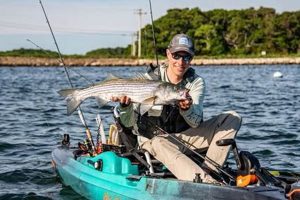
This pursuit involves anglers targeting sharks from small, human-powered vessels. It combines the stealth and maneuverability of kayaks with the thrill of catching large, powerful fish. Anglers typically employ specialized tackle and techniques, including heavy-duty rods, reels, and lines, often using bait or lures to attract these apex predators. Specific regulations and safety measures are crucial for this activity, given the potential risks involved.
The growing popularity of this specialized angling method stems from its unique challenges and rewards. It offers a close-to-nature experience, requiring skill and strategy. The minimal disturbance caused by kayaks can provide access to shallower waters and enhance the angler’s chances of encountering sharks. This activity contributes significantly to the understanding of shark behavior and their role in the marine ecosystem through catch-and-release practices. Historically, small boats have been utilized for fishing, but the adaptation of modern kayak technology has revolutionized this approach.
The following sections will explore essential aspects of this activity, including suitable kayak selection, effective fishing techniques, necessary safety precautions, relevant regulations, and the conservation implications of this exciting pursuit.
Tips for Shark Fishing from a Kayak
This section outlines essential guidance for anglers pursuing sharks from a kayak. Careful consideration of these recommendations will contribute to a safer and more successful experience.
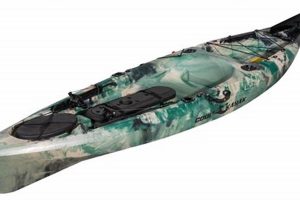
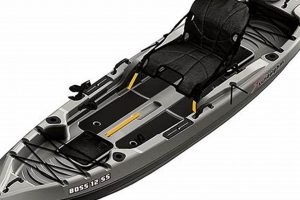
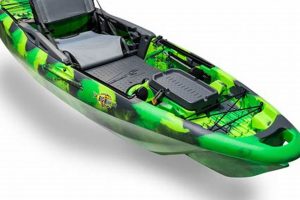
Tip 1: Choose the Right Kayak: A stable, sit-on-top kayak designed for offshore fishing is recommended. Look for features like high weight capacity, ample storage, and rod holders.
Tip 2: Use Appropriate Tackle: Heavy-duty rods, reels, and lines specifically designed for large fish are crucial. Leaders made of wire or heavy monofilament are necessary to withstand abrasion from shark teeth and rough skin.
Tip 3: Prioritize Safety Equipment: A personal flotation device (PFD) is mandatory. A VHF radio, GPS, signaling devices, and a first-aid kit are also essential safety items.
Tip 4: Understand Shark Behavior: Research the target species and their behavior. Knowledge of their feeding patterns and preferred habitats will increase the likelihood of a successful catch.
Tip 5: Employ Proper Catch-and-Release Techniques: Minimize handling time to reduce stress on the shark. Use specialized tools like dehookers and circle hooks to facilitate safe and efficient release.
Tip 6: Check Local Regulations: Familiarize oneself with licensing requirements, size limits, and permitted fishing areas. Adherence to these regulations contributes to sustainable shark populations.
Tip 7: Be Aware of Weather Conditions: Avoid fishing in rough seas or during storms. Check forecasts before embarking and be prepared to return to shore quickly if conditions deteriorate.
Tip 8: Paddle with a Partner: Whenever possible, fish with a companion for increased safety and assistance in case of emergencies.
Adhering to these guidelines will significantly enhance angler preparedness and promote responsible fishing practices, contributing to both a rewarding and sustainable interaction with these magnificent creatures.
The subsequent concluding remarks will summarize the key considerations for undertaking this challenging yet fulfilling activity.
1. Species-specific tackle
Species-specific tackle plays a crucial role in the success and ethical practice of kayak fishing for sharks. Tackle selection must consider the size, strength, and feeding habits of the target species. For instance, targeting smaller coastal sharks like bonnetheads or blacktips requires lighter tackle than pursuing larger offshore species such as mako or tiger sharks. Matching the tackle to the species minimizes fight times, reducing stress on the fish and increasing the likelihood of a successful release. Using inappropriately light tackle for large sharks can lead to prolonged fights, exhaustion, and potential harm to both the shark and the angler. Conversely, using excessively heavy tackle for smaller species can result in unnecessary injury to the fish.
Consider a scenario targeting large bull sharks. Heavy-duty rods and reels spooled with high-test braided line are essential due to the species’ significant strength and aggressive fighting style. Strong wire leaders are crucial to prevent bite-offs. In contrast, fishing for smaller blacktip sharks can be accomplished with medium-heavy tackle and monofilament or fluorocarbon leaders. Understanding these distinctions enables anglers to effectively target different shark species while minimizing the risk of injury to the animals. Choosing the correct hooks also factors into species-specific tackle considerations. Circle hooks, for example, are often preferred for shark fishing due to their tendency to hook in the corner of the jaw, facilitating easier removal and minimizing internal damage.
The careful selection of species-specific tackle directly impacts the conservation of shark populations. By employing appropriate gear, anglers can minimize the risk of injury and mortality, ensuring the sustainability of this exciting pursuit. This approach reflects a responsible and ethical angling practice that prioritizes the well-being of the target species while still allowing anglers to experience the thrill of catching these magnificent creatures. The correct choice of tackle, tailored to the specific species being targeted, forms a cornerstone of responsible kayak shark fishing.
2. Stable Kayak Platform

A stable kayak platform is paramount for safe and successful shark fishing. The inherent instability of a kayak, compounded by the powerful struggles of a hooked shark, necessitates a vessel designed and outfitted for maximum stability. This ensures angler safety and facilitates effective fish handling.
- Kayak Design:
Wider kayaks with a flatter hull design offer greater primary stability, resisting initial tipping. Sit-on-top kayaks are generally preferred for shark fishing due to their self-bailing capabilities and ease of re-entry in the event of a capsize. Specialized fishing kayaks often feature enhanced stability features, such as outriggers or pontoon systems.
- Weight Distribution:
Proper weight distribution within the kayak is crucial for maintaining balance. Gear should be evenly distributed and secured to prevent shifting during a fight. Anglers should position themselves centrally and avoid sudden movements that could compromise stability.
- Sea Conditions:
Calm water conditions are ideal for kayak fishing, especially when targeting sharks. Rough seas or strong currents significantly amplify the challenges of maintaining stability. Careful assessment of weather forecasts and sea states is essential before embarking on a shark fishing trip. Avoiding adverse conditions mitigates the risk of capsizing.
- Fighting Techniques:
Employing appropriate fighting techniques enhances stability during the struggle with a hooked shark. Using a rod holder allows the angler to brace against the kayak while applying pressure. Maintaining a low center of gravity and smooth, controlled movements are crucial to prevent tipping. Keeping the shark alongside the kayak rather than directly in front or behind minimizes the destabilizing effect of the fish’s movements.
The synergy between a stable kayak platform and effective shark fishing techniques is undeniable. A stable kayak allows anglers to focus on the fight and employ proper handling techniques, increasing the likelihood of a successful and safe catch-and-release. Ultimately, a stable platform contributes significantly to both the angler’s safety and the well-being of the shark.
3. Offshore safety gear

Offshore safety gear forms an indispensable component of kayak fishing for sharks, bridging the gap between an exhilarating experience and a potentially perilous situation. The inherent risks associated with this activity, including open-water exposure, the presence of large predators, and the potential for equipment failure, necessitate meticulous attention to safety precautions. A comprehensive safety kit, tailored to the offshore environment, significantly mitigates these risks.
Essential components of an offshore safety kit include a personal flotation device (PFD), a VHF marine radio, a signaling device such as a flare gun or personal locator beacon (PLB), a first-aid kit equipped to handle marine-specific injuries, and a reliable means of navigation like a GPS or chart plotter. These items address potential scenarios ranging from capsizing and encountering adverse weather to requiring emergency assistance in remote locations. Consider a situation where a kayak capsizes miles offshore. A PFD ensures immediate buoyancy, while a VHF radio enables communication with rescue services. A PLB can pinpoint the anglers location, facilitating rapid response and potentially life-saving intervention.
The practical significance of carrying and understanding the use of offshore safety gear cannot be overstated. While targeting large, powerful fish in the open ocean presents inherent risks, adequate preparation empowers anglers to manage these challenges effectively. Routine equipment checks, familiarity with emergency procedures, and maintaining situational awareness contribute significantly to a safe and successful experience. The strategic selection and diligent utilization of offshore safety gear transforms potential hazards into manageable risks, ensuring that the pursuit of this thrilling sport remains both rewarding and safe.
4. Thorough pre-trip planning
Thorough pre-trip planning is paramount for safe and successful kayak fishing for sharks. Given the inherent risks of targeting large predators in the open ocean, meticulous preparation is crucial for mitigating potential hazards and maximizing angling opportunities. Careful consideration of various factors ensures a rewarding and incident-free experience. Neglecting pre-trip planning can jeopardize angler safety and compromise the well-being of the targeted sharks.
- Weather Assessment
Checking weather forecasts, including wind speed, wave height, and precipitation, is essential before embarking on a kayak fishing trip targeting sharks. Adverse weather conditions can create hazardous situations, particularly in offshore environments. Strong winds and large waves significantly impact kayak stability, increasing the risk of capsizing. Lightning storms present a severe threat in open water. Postponing a trip due to unfavorable weather conditions prioritizes angler safety.
- Location Scouting
Identifying suitable fishing locations is crucial for maximizing angling success. Researching areas known for shark activity, considering factors such as water depth, bottom structure, and tidal currents, increases the likelihood of encountering target species. Consulting local fishing reports or charts can provide valuable insights. Understanding the local ecosystem and potential hazards, such as reefs or strong currents, contributes to both fishing success and overall safety.
- Gear Preparation
Ensuring all fishing gear is in optimal working condition before a trip is vital. This includes checking rods, reels, lines, leaders, hooks, and other terminal tackle for any signs of wear or damage. Inspecting safety equipment, such as PFDs, VHF radios, and signaling devices, is equally important. Malfunctioning equipment can compromise angler safety and lead to lost fishing opportunities. A well-maintained gear set enhances both the efficiency and safety of the fishing experience.
- Emergency Planning
Developing a comprehensive emergency plan is essential for mitigating potential risks associated with offshore kayak fishing. This plan should include establishing communication protocols with shore contacts, designating emergency contact information, and familiarizing oneself with emergency procedures, such as deploying signaling devices or activating a PLB. Anticipating potential scenarios and developing appropriate responses can be crucial in a crisis. A well-defined emergency plan provides a framework for managing unforeseen circumstances and ensuring angler safety.
The interplay between thorough pre-trip planning and the successful execution of a kayak fishing trip targeting sharks is undeniable. Meticulous preparation equips anglers with the knowledge, resources, and strategies necessary to navigate the challenges of the open ocean environment, maximize fishing success, and prioritize safety. A well-structured pre-trip plan transforms potential risks into calculated challenges, enhancing the overall experience and promoting responsible angling practices.
5. Respectful catch-and-release
Respectful catch-and-release practices are integral to the sustainability of kayak fishing for sharks. These practices minimize stress and potential harm to the captured animal, ensuring its survival upon release. This approach recognizes the importance of conserving shark populations and maintaining the health of marine ecosystems. Sharks, as apex predators, play crucial roles in regulating marine food webs, and their removal can have cascading effects on the entire ecosystem. Respectful catch-and-release contributes directly to maintaining these delicate balances.
Minimizing fight times is a key component of respectful catch-and-release. Using appropriate tackle, suited to the target species, reduces the duration of the fight, minimizing exhaustion and stress on the shark. Once landed, the shark should be handled with care, avoiding contact with sensitive areas like the gills and eyes. Specialized tools, such as dehookers and bolt cutters, facilitate quick and efficient hook removal. If the hook is deeply embedded or difficult to remove, cutting the leader close to the hook is often the best course of action. The shark should be supported in the water while it recovers, allowing it to regain strength before swimming away. Avoiding unnecessary air exposure helps prevent further stress and potential injury.
The practical significance of respectful catch-and-release extends beyond the immediate survival of the individual shark. It contributes to the long-term health and viability of shark populations. This, in turn, supports the overall health of the marine environment. By prioritizing the well-being of these apex predators, anglers contribute to the ecological balance of our oceans. The adoption and consistent application of respectful catch-and-release techniques reflect a responsible and sustainable approach to kayak fishing for sharks, ensuring the longevity of this exciting pursuit for future generations. Challenges may include educating anglers on proper techniques and promoting widespread adoption of these practices. However, the inherent value of conservation and the potential for long-term benefits make respectful catch-and-release an essential component of kayak fishing for sharks.
6. Conservation-minded approach

A conservation-minded approach is intrinsically linked to the sustainability of kayak fishing for sharks. This approach recognizes the vital role sharks play in maintaining healthy marine ecosystems and emphasizes minimizing the impact of fishing activities on these apex predators. It acknowledges that responsible angling practices are essential for preserving shark populations and ensuring the long-term health of our oceans. A conservation-minded approach encompasses various aspects, from adhering to regulations and employing respectful catch-and-release techniques to actively participating in conservation initiatives and promoting responsible angling practices within the community. For instance, using circle hooks minimizes injury to sharks by increasing the likelihood of hooking them in the jaw, facilitating easier removal. Supporting organizations dedicated to shark research and conservation contributes directly to protecting these vital species.
The practical significance of a conservation-minded approach becomes evident through its tangible effects on shark populations and marine ecosystems. Tagging programs, often supported by recreational anglers, provide valuable data on shark movements, habitat use, and population dynamics, informing conservation efforts. Catch-and-release practices, when implemented effectively, minimize post-release mortality, ensuring that captured sharks survive and continue contributing to the marine environment. Advocating for sustainable fishing policies and participating in habitat restoration projects further demonstrate a conservation-minded approach, amplifying the positive impact of individual anglers on shark populations and ocean health. Consider the example of a kayak angler who participates in a local shark tagging program. By tagging and releasing captured sharks, this angler contributes valuable data to ongoing research efforts, directly informing conservation strategies. Similarly, an angler who actively promotes responsible angling practices within their community helps foster a culture of conservation, amplifying the positive impact on shark populations.
Integrating a conservation-minded approach into kayak fishing for sharks presents certain challenges. Educating anglers on best practices, promoting widespread adoption of responsible fishing techniques, and combating misinformation require ongoing effort. However, the inherent value of conservation and the potential for long-term benefits far outweigh these challenges. A conservation-minded approach ensures the sustainability of this exciting pursuit, protecting shark populations for future generations and preserving the ecological integrity of our oceans. By embracing this approach, kayak anglers become stewards of the marine environment, actively contributing to the health and well-being of these magnificent creatures and the ecosystems they inhabit.
Frequently Asked Questions
This section addresses common inquiries regarding kayak fishing for sharks, providing concise and informative responses to clarify potential concerns and misconceptions.
Question 1: How dangerous is kayak fishing for sharks?
While inherently adventurous, the activity can be conducted safely with meticulous planning and adherence to safety protocols. Proper safety equipment, including a PFD, VHF radio, and signaling devices, is crucial. Understanding shark behavior, employing appropriate fishing techniques, and avoiding adverse weather conditions significantly mitigate risks.
Question 2: What type of kayak is best suited for shark fishing?
A stable, sit-on-top kayak designed for offshore fishing is recommended. Key features include high weight capacity, ample storage for gear, and specialized features such as rod holders. Wider kayaks generally offer enhanced stability.
Question 3: What essential gear is required for kayak fishing for sharks?
Beyond the kayak itself, essential gear includes heavy-duty rods, reels, and lines designed for large fish, along with wire or heavy monofilament leaders. A PFD, VHF radio, signaling devices, GPS, first-aid kit, and appropriate fishing tackle are crucial for safety and effectiveness.
Question 4: What are the best techniques for catching sharks from a kayak?
Effective techniques include using appropriate bait or lures, understanding shark behavior and feeding patterns, employing proper hook-setting techniques, and utilizing a fighting belt or harness to manage the strain of a large fish. Adhering to best practices for catch-and-release ensures the survival of the captured shark.
Question 5: Are there specific regulations regarding shark fishing from a kayak?
Regulations vary by location and may include licensing requirements, size limits for specific species, bag limits, and permitted fishing areas. Consulting local authorities or relevant fisheries management agencies provides essential information regarding applicable rules and regulations.
Question 6: What conservation considerations are relevant to kayak fishing for sharks?
Practicing catch-and-release, minimizing fight times, using appropriate tackle, and adhering to local regulations contribute to shark conservation. Supporting research initiatives and promoting responsible angling practices within the community further demonstrate a commitment to conservation.
Addressing these common questions provides valuable insights into the multifaceted nature of kayak fishing for sharks. Prioritizing safety, adhering to regulations, and adopting a conservation-minded approach contribute to a sustainable and rewarding experience.
The following section will provide concluding remarks and summarize the key takeaways discussed throughout this article.
Kayak Fishing for Sharks
This exploration of kayak fishing for sharks has highlighted the multifaceted nature of this pursuit, emphasizing the convergence of skill, strategy, and respect for the marine environment. From the selection of appropriate tackle and kayaks to the implementation of safe and responsible fishing practices, each aspect contributes significantly to a successful and sustainable experience. The discussion encompassed essential safety precautions, effective fishing techniques, and the importance of adhering to regulations and conservation principles. Emphasis was placed on the significance of thorough pre-trip planning, species-specific tackle considerations, and the ethical implications of catch-and-release practices. The dynamic interplay between angler preparedness, environmental awareness, and respect for these apex predators underscores the essence of responsible kayak fishing for sharks.
The future of this activity rests upon the continued commitment of anglers to prioritize conservation, adhere to ethical guidelines, and promote responsible practices within the community. The pursuit of sharks from a kayak offers a unique opportunity to connect with the marine environment, experience the thrill of encountering these magnificent creatures, and contribute to their long-term survival. Continued education, informed decision-making, and a dedication to minimizing environmental impact will ensure that kayak fishing for sharks remains a sustainable and rewarding pursuit for generations to come. The challenge lies in balancing the thrill of the chase with the responsibility of preserving the delicate balance of our oceans.