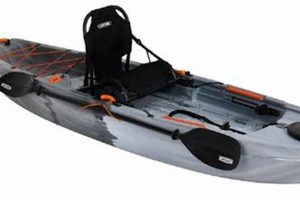
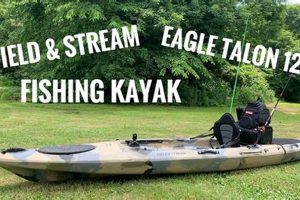
A properly outfitted kayak designed for angling offers novice anglers a unique and accessible entry point into the sport of fishing. This involves selecting appropriate equipment and configuring it correctly for stability, safety, and effective fishing. A typical configuration might include a sit-on-top kayak, a paddle, a personal flotation device, rod holders, a tackle box, and an anchor.
This approach provides numerous advantages. Kayaks grant access to shallow waters and secluded fishing spots often unreachable by larger boats. The relatively low cost of entry compared to motorized boats makes it an attractive option. Moreover, the physical activity inherent in paddling adds an element of exercise to the fishing experience. Historically, kayaks have been utilized for fishing for centuries by various cultures. Modern advancements in kayak design and materials have transformed this traditional practice into a popular recreational activity.
The following sections will delve into specific aspects of equipping a kayak for fishing, covering essential gear, recommended kayak types, safety precautions, and basic fishing techniques tailored for beginners on the water.
Essential Tips for Kayak Fishing Beginners
Careful preparation contributes significantly to a successful and enjoyable kayak fishing experience. The following tips offer guidance for novice anglers setting up their kayaks.
Tip 1: Prioritize Stability: Select a wider, sit-on-top kayak for initial outings. These designs offer greater stability, especially important for anglers new to balancing on the water. Wider kayaks are less prone to tipping, increasing angler confidence.
Tip 2: Choose Appropriate Paddles: Paddle length should be tailored to the angler’s height and the kayak’s width. An appropriately sized paddle minimizes fatigue and maximizes efficiency. Consulting a kayak specialist can help determine the correct length.
Tip 3: Secure Gear Effectively: Utilize rod holders and tackle storage designed specifically for kayaks. Securely fastened equipment prevents loss and keeps essential items within easy reach. This also minimizes clutter and maximizes fishing space.
Tip 4: Practice Paddle Strokes and Maneuvers: Before venturing into fishing locations, practice basic paddling techniques and turning maneuvers in calm water. Proficiency in these skills enhances control and safety on the water.
Tip 5: Always Wear a Personal Flotation Device (PFD): A properly fitted PFD is non-negotiable for kayak fishing. It provides crucial buoyancy in case of capsizing and enhances overall safety on the water. Choose a PFD designed for paddling comfort and freedom of movement.
Tip 6: Plan Fishing Locations Carefully: Begin with calm, sheltered waters such as small lakes or slow-moving rivers. Avoid areas with strong currents, heavy boat traffic, or challenging weather conditions until experience increases. Research local regulations and obtain necessary permits.
Tip 7: Pack Essential Safety Gear: Carry a whistle, a signaling mirror, a first-aid kit, and a communication device (e.g., waterproof cell phone or VHF radio) for emergencies. These items are crucial for signaling for help if needed.
Tip 8: Start with Basic Fishing Techniques: Initially, focus on simple fishing techniques like still fishing or trolling. As confidence grows, anglers can explore more advanced methods. Starting simple builds a foundation for future skill development.
By following these tips, novice anglers can create a solid foundation for enjoyable and successful kayak fishing experiences, promoting safety, efficiency, and confidence on the water.
This foundational knowledge prepares anglers to further explore advanced techniques and specific equipment choices, enhancing their overall fishing experience.
1. Stable Kayak Selection

Kayak stability forms the cornerstone of a successful fishing setup for beginners. An unstable platform compromises not only angling effectiveness but also safety. Selecting a stable kayak allows novice anglers to focus on learning fundamental fishing techniques rather than constantly battling to maintain balance. This section explores key facets contributing to kayak stability and their impact on the beginner fishing experience.
- Hull Design:
Wider, flatter hulls generally offer greater primary stabilityresistance to initial tipping. Pontoon-style hulls exemplify this characteristic. For beginners, this inherent stability provides a secure platform for casting, reeling, and landing fish. Conversely, narrower, V-shaped hulls, while offering speed and maneuverability, require more experience to balance effectively.
- Kayak Width:
Wider kayaks provide a larger base of support, enhancing stability. A wider beam, typically over 30 inches, is recommended for beginners. This additional width reduces the likelihood of tipping, particularly during movements like casting or retrieving fish. Narrower kayaks, favored for speed in experienced hands, present a greater challenge for novices.
- Sit-on-Top vs. Sit-Inside:
Sit-on-top kayaks are generally considered more stable and user-friendly for beginners due to their open design and higher center of gravity. Their self-bailing feature also contributes to safety. Sit-inside kayaks, while offering protection from the elements, can feel more precarious for inexperienced paddlers.
- Weight Capacity:
Selecting a kayak with an appropriate weight capacity is crucial for stability. Exceeding the manufacturer’s recommended weight limit compromises buoyancy and balance. Beginners should factor in not only their body weight but also the weight of fishing gear and any potential catch when determining the required capacity.
Prioritizing stability when choosing a kayak allows beginners to develop essential fishing skills and build confidence on the water. A stable platform enhances safety and enjoyment, laying a solid foundation for progression to more advanced kayak fishing techniques and potentially more specialized kayak designs in the future.
2. Essential Safety Gear

Safety considerations are paramount in kayak fishing, especially for beginners. A well-planned safety gear setup mitigates potential risks associated with the aquatic environment and enhances the overall fishing experience. Understanding and utilizing essential safety equipment enables novice anglers to enjoy the sport responsibly and confidently. The following facets highlight crucial safety components for beginner kayak anglers.
- Personal Flotation Device (PFD):
A properly fitted PFD is non-negotiable. It provides essential buoyancy in case of capsizing, a crucial safety net for less experienced paddlers. Choosing a PFD specifically designed for paddling allows for comfortable movement and casting. Inflatable PFDs offer greater freedom of movement but require diligent maintenance and understanding of their operation.
- Signaling Devices:
Carrying signaling devices like a whistle, a signaling mirror, and a waterproof VHF radio or cell phone in a waterproof case enables communication in emergencies. A whistle can attract attention over short distances, while a mirror can signal aircraft or distant boats. A communication device allows direct contact with emergency services or other boaters, significantly increasing the chances of a swift rescue.
- First-Aid Kit:
A compact, waterproof first-aid kit containing essential supplies for minor injuries like cuts, scrapes, and insect bites is crucial. It should include antiseptic wipes, bandages, pain relievers, and any personal medications. Knowledge of basic first aid procedures further enhances preparedness for common on-the-water incidents.
- Float Plan and Communication:
Informing someone on shore of the intended fishing location, planned return time, and kayak description constitutes a vital safety precaution. This float plan allows for timely assistance in case of unexpected delays or emergencies. Consistent communication updates, if feasible, further enhance safety.
Integrating these safety measures into a beginner’s kayak fishing setup is fundamental. Prioritizing safety not only protects anglers from potential hazards but also fosters confidence, allowing them to fully enjoy the experience. A comprehensive safety approach empowers beginners to focus on developing fishing skills and exploring the water with peace of mind.
3. Efficient Tackle Organization
Efficient tackle organization is a critical component of a successful kayak fishing setup for beginners. A well-organized system streamlines the fishing process, allowing novices to focus on technique and enjoyment rather than fumbling for equipment. Limited space in a kayak necessitates thoughtful arrangement and readily accessible essential gear. This section explores key facets of efficient tackle organization and their impact on the beginner kayak fishing experience.
- Tackle Box Selection:
Choosing the right tackle box is paramount. Compact, waterproof boxes designed for kayak fishing offer efficient storage and protection from the elements. Models with customizable compartments allow anglers to tailor organization to specific needs and lure types. A well-organized tackle box minimizes time spent searching for gear, maximizing fishing time and minimizing frustration.
- Lure Selection and Arrangement:
Beginners benefit from starting with a limited selection of versatile lures appropriate for the target species and fishing location. Organizing lures by type, size, or color within the tackle box facilitates quick retrieval. This streamlined approach reduces clutter and allows anglers to adapt to changing fishing conditions efficiently. Prioritizing a few effective lures over a large, disorganized collection simplifies the decision-making process for novices.
- Tool and Accessory Storage:
Essential tools like pliers, line cutters, and knot-tying tools require designated storage within easy reach. Small, waterproof pouches or dedicated compartments within the tackle box prevent these items from becoming lost or damaged. readily accessible tools streamline tasks like changing lures, cutting lines, and handling fish. This contributes to a smoother, more efficient fishing experience.
- Rod and Reel Management:
Utilizing rod holders specifically designed for kayaks keeps rods secure and readily accessible. Positioning rod holders strategically allows for efficient casting and minimizes the risk of entanglement. A well-planned rod management system contributes to a clutter-free cockpit, maximizing space and enhancing safety. This is particularly important for beginners who are still developing their kayak handling skills.
Efficient tackle organization significantly enhances the overall kayak fishing experience for beginners. A streamlined system contributes to a safer, more productive, and enjoyable outing. By prioritizing organization from the outset, novice anglers can focus on developing their skills and appreciating the sport without the added frustration of a disorganized setup. This foundation in efficient tackle management sets the stage for a positive and successful journey in kayak fishing.
4. Appropriate Paddle Choice
Paddle selection significantly influences the efficiency, comfort, and overall enjoyment of kayak fishing, especially for beginners. An appropriate paddle facilitates effortless maneuvering and conserves energy, allowing novice anglers to focus on fishing rather than strenuous paddling. This section explores key facets of paddle choice and their impact on the beginner kayak fishing experience.
- Paddle Length:
Correct paddle length is crucial for efficient paddling. Factors influencing ideal length include angler height, kayak width, and paddling style. A paddle that is too long can cause overexertion and shoulder strain, while a paddle that is too short reduces stroke power and overall efficiency. Beginners often benefit from slightly shorter paddles for enhanced control and maneuverability. Specialized kayak retailers offer guidance in determining appropriate paddle length based on individual needs.
- Blade Shape and Size:
Paddle blades vary in shape and size, each impacting paddling performance. Wider blades offer greater power per stroke but require more effort, while narrower blades are more efficient for longer paddling distances. Asymmetrical blades, designed to reduce flutter and improve tracking, are often preferred by experienced kayakers. Beginners generally find symmetrical blades easier to control. Blade size should also correlate with angler strength and paddling style.
- Paddle Material and Weight:
Paddle materials influence weight, durability, and cost. Aluminum paddles are durable and affordable but heavier than other options. Fiberglass and carbon fiber paddles offer lighter weight and increased efficiency but come at a higher price point. Lighter paddles reduce fatigue, especially during longer fishing trips. Beginners can start with aluminum or fiberglass options and progress to lighter materials as experience and budget allow.
- Paddle Shaft Design:
Paddle shafts can be straight or bent. Bent shafts are ergonomically designed to reduce wrist strain and improve paddling efficiency, but they often require a more refined paddling technique. Straight shafts are simpler to use and generally preferred by beginners. Some paddles offer adjustable feathering angles, allowing for customization based on individual preference and wind conditions.
Selecting an appropriate paddle is integral to a positive kayak fishing experience, particularly for beginners. A properly sized and designed paddle enhances efficiency, reduces fatigue, and improves overall comfort. This allows novice anglers to concentrate on learning fishing techniques and enjoying their time on the water. Investing time and consideration in paddle selection contributes significantly to a successful and enjoyable introduction to kayak fishing.
5. Basic Fishing Techniques

A foundational understanding of basic fishing techniques is integral to a successful kayak fishing setup for beginners. The inherent limitations of a kayak environment, such as restricted space and mobility, necessitate a focused approach to angling. Mastering fundamental techniques allows novice kayak anglers to maximize their effectiveness on the water while minimizing complexity. This interconnectedness between basic techniques and the kayak fishing setup creates a synergistic relationship crucial for beginner success. For example, still fishing, a technique requiring minimal movement and equipment, aligns perfectly with the confined nature of a kayak. Similarly, trolling, a technique easily managed from a kayak, offers an effective method for covering water and locating fish.
The selection of basic techniques directly influences the kayak setup itself. Still fishing necessitates a stable kayak platform and an anchor system, while trolling benefits from rod holders positioned for optimal line retrieval. Understanding these relationships allows beginners to tailor their kayak setup strategically, enhancing efficiency and enjoyment. For instance, a beginner focusing on still fishing might prioritize a stable sit-on-top kayak with a dedicated anchor trolley system. Conversely, an angler interested in trolling might opt for a kayak with integrated rod holders and ample storage for tackle and gear.
Focusing on basic techniques simplifies the learning process for novice kayak anglers, enabling them to build confidence and proficiency without the added complexities of advanced methods. This foundational knowledge translates into a more enjoyable and productive experience on the water. Mastery of fundamental skills such as casting, knot tying, and fish handling forms a solid base for future exploration of more advanced techniques as experience grows. The deliberate selection of basic techniques within the context of a kayak fishing setup fosters a positive feedback loop, encouraging skill development and enhancing overall enjoyment of the sport.
6. Calm Water Location
Calm water locations represent an ideal starting point for beginners in kayak fishing. The inherent instability of a kayak, compounded by the complexities of managing fishing gear, necessitates an environment conducive to learning. Calm water minimizes external destabilizing factors, allowing novices to focus on developing fundamental skills such as paddling, casting, and retrieving. Protected bays, small ponds, and slow-moving rivers exemplify suitable locations. Attempting initial kayak fishing excursions in turbulent waters or strong currents significantly increases the risk of capsizing and complicates the learning process. For instance, a beginner attempting to manage a fishing rod and reel while simultaneously navigating strong currents in a kayak faces heightened challenges compared to an angler fishing in a calm pond. The reduced risk inherent in calm water environments promotes confidence and allows for a more focused learning experience. This deliberate selection of location plays a crucial role in the overall success and enjoyment of initial kayak fishing outings.
The choice of a calm water location directly influences the kayak fishing setup itself. In calm conditions, beginners can utilize less stable kayak designs, focusing on features such as maneuverability and storage capacity rather than solely on primary stability. Similarly, the need for specialized anchoring systems diminishes in calmer waters. This interconnectedness between location and setup allows for greater flexibility and customization based on individual preferences and target species. For example, an angler targeting panfish in a small pond can opt for a lightweight, maneuverable kayak with ample storage for a variety of lures. Conversely, an angler targeting larger species in a slow-moving river might prioritize a slightly more stable kayak with anchor capabilities for maintaining position in deeper water. Understanding this interplay between location and setup is crucial for optimizing the beginner kayak fishing experience.
Selecting a calm water location is a fundamental aspect of a successful kayak fishing setup for beginners. This choice mitigates risk, promotes confidence, and allows for a more focused learning experience. The reduced complexity inherent in calm water environments enables novices to develop essential skills and build a solid foundation for future exploration of more challenging fishing locations. This deliberate selection of an appropriate environment contributes significantly to the overall enjoyment and long-term success of individuals new to the sport of kayak fishing. Furthermore, understanding the interconnectedness between location and setup empowers beginners to make informed decisions regarding equipment choices, optimizing their experience and fostering a deeper appreciation for the sport. The selection of a calm water location, therefore, is not merely a matter of convenience but a strategic decision integral to a positive and productive introduction to kayak fishing.
Frequently Asked Questions
Addressing common queries regarding kayak fishing setups for beginners helps clarify potential uncertainties and facilitates informed decision-making. The following questions and answers provide valuable insights for novice anglers embarking on this rewarding pursuit.
Question 1: What type of kayak is best suited for a beginner kayak angler?
Wider, sit-on-top kayaks offer enhanced stability, a crucial factor for beginners. These kayaks are less prone to tipping, promoting confidence and allowing novice anglers to focus on fishing rather than balance. Inflatable kayaks can also be a good option due to their portability and affordability.
Question 2: What essential safety gear should every beginner kayak angler carry?
Essential safety equipment includes a properly fitted personal flotation device (PFD), a signaling whistle, a signaling mirror, and a waterproof communication device (e.g., VHF radio or cell phone in a waterproof case). A first-aid kit containing essential supplies is also recommended.
Question 3: How should fishing tackle be organized in a kayak?
Limited space necessitates efficient tackle organization. Compact, waterproof tackle boxes with customizable compartments allow for organized storage of lures, hooks, and other essential fishing gear. Utilizing kayak-specific rod holders keeps rods secure and accessible.
Question 4: What length paddle is recommended for beginner kayak anglers?
Appropriate paddle length depends on factors such as angler height, kayak width, and paddling style. Consulting with a kayak specialist can help determine the ideal paddle length. Beginners often benefit from slightly shorter paddles for enhanced maneuverability.
Question 5: Where are suitable fishing locations for beginners in a kayak?
Calm, sheltered waters such as small ponds, lakes, and slow-moving rivers offer ideal starting points for beginner kayak anglers. These locations minimize external destabilizing factors, allowing novices to focus on developing fundamental fishing techniques.
Question 6: What basic fishing techniques should beginners focus on when kayak fishing?
Still fishing and trolling represent effective starting techniques for beginners. These methods require minimal movement and equipment, aligning well with the confined nature of a kayak and allowing for a focused learning experience.
Careful consideration of these frequently asked questions empowers beginners to make informed decisions regarding their kayak fishing setup, enhancing safety, efficiency, and overall enjoyment on the water.
The subsequent section will delve into advanced techniques and specialized equipment for experienced kayak anglers seeking to expand their skills and explore new fishing opportunities.
Kayak Fishing Setup for Beginners
A properly configured kayak fishing setup empowers beginners to experience the unique blend of angling and on-the-water exploration. From selecting a stable kayak platform and essential safety gear to mastering basic fishing techniques and choosing appropriate locations, each aspect contributes significantly to a successful and enjoyable introduction to the sport. Efficient tackle organization and a correctly sized paddle further enhance the experience, allowing novice anglers to focus on skill development and the thrill of the catch. Understanding these interconnected elements is paramount for a safe and rewarding journey into kayak fishing.
The insights provided here serve as a starting point, equipping beginners with the knowledge necessary to embark on their kayak fishing adventures. Continued learning, practice, and exploration will further refine skills and deepen appreciation for this dynamic and rewarding pursuit. The potential for discovery and connection with nature within the kayak fishing experience offers a compelling invitation to explore further. With careful preparation and a focus on continuous improvement, the journey of kayak fishing offers a lifetime of rewarding experiences on the water.