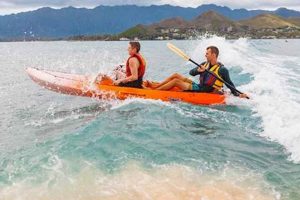
Paddling through the serene waterways of northeast Florida offers a unique angling experience. This activity combines the tranquility of exploring natural waterways with the excitement of pursuing various fish species from a small, maneuverable vessel. It provides an intimate connection with the environment and a different perspective on the river’s ecosystem.
This approach to angling offers significant advantages, including access to shallow, vegetated areas often unreachable by larger boats, contributing to a more challenging and rewarding experience. The quiet movement of a kayak minimizes disturbance to fish, increasing the likelihood of a successful catch. Historically, small boats have been essential for navigating the St. Johns River, and this modern adaptation carries on that tradition while promoting a low-impact, sustainable approach to enjoying the natural resources.
The following sections will delve into specific aspects of this popular activity, exploring suitable equipment, ideal locations, target species, and responsible fishing practices. Information on relevant regulations, safety guidelines, and the ecological importance of the river will also be provided.
Tips for a Successful Outing
Careful planning and preparation contribute significantly to a productive and enjoyable experience on the water. The following tips offer valuable insights for anglers of all skill levels.
Tip 1: Research and select appropriate launch sites. Public boat ramps and parks provide access to the river, but careful consideration of location in relation to desired fishing areas and prevailing currents is essential. Check water levels and tide charts beforehand.
Tip 2: Prioritize safety equipment. A personal flotation device (PFD) is paramount, and carrying a whistle, signaling device, and first-aid kit is strongly recommended. Inform someone of planned launch and return times.
Tip 3: Utilize appropriate tackle and gear. Rod and reel combinations suited to target species are crucial. Light to medium tackle is typically effective. Consider using artificial lures or live bait depending on the target species.
Tip 4: Employ effective paddling techniques. Learning efficient paddle strokes conserves energy and allows for stealthy movement through the water. Practice maneuvering the kayak in various conditions before venturing into challenging areas.
Tip 5: Respect wildlife and the environment. Practice catch-and-release whenever possible. Properly dispose of fishing line and other waste. Avoid disturbing nesting birds and other wildlife.
Tip 6: Check weather forecasts and be prepared for changing conditions. Florida weather can change rapidly. Be prepared for sudden shifts in wind, temperature, and precipitation. Carry appropriate clothing and be prepared to adjust plans if necessary.
Tip 7: Understand and adhere to local fishing regulations. Obtain necessary licenses and familiarize oneself with size and creel limits for different species. Stay informed about any temporary closures or restrictions in effect.
By adhering to these guidelines, anglers can maximize their chances of a successful and enjoyable outing while minimizing their impact on the river’s delicate ecosystem. Careful preparation and responsible practices ensure a positive experience for all.
Equipped with these insights, anglers are well-prepared to embark on their fishing adventure. The following section provides additional resources and information for those seeking to further enhance their experience on the water.
1. Location Scouting
Effective location scouting is paramount for successful angling on the St. Johns River. Understanding the river’s diverse habitats and how they influence fish behavior directly impacts catch rates. Careful consideration of access points, water flow, vegetation, and the presence of structure enhances the likelihood of locating target species.
- Access Points and Launch Sites
Public boat ramps, designated kayak launch areas, and accessible shorelines serve as entry points to the river. Choosing a launch site considers proximity to desired fishing areas, parking availability, and potential hazards like swift currents or shallow water. Consulting online maps, local fishing reports, and tide charts aids in identifying suitable access points.
- Water Flow and Current
The St. Johns River exhibits varying currents and water flow patterns, influencing fish behavior and location. Slower-moving sections near bends, creek mouths, and backwater areas often hold fish seeking refuge from stronger currents. Conversely, faster-moving water around structures like pilings or fallen trees can attract predatory species. Understanding these dynamics informs location selection.
- Vegetation and Structure
Submerged vegetation, overhanging trees, and fallen logs provide cover and foraging opportunities for fish. Locating areas with such structures increases the probability of encountering target species. Aquatic plants like eelgrass and hydrilla offer prime habitat for bass and panfish. Fallen trees and submerged debris create ambush points for predatory fish.
- Mapping and Research
Utilizing online mapping tools, nautical charts, and local fishing resources provides valuable insights into the river’s topography and fish distribution. Identifying areas with historical productivity, seasonal fish movements, and preferred habitats enhances location scouting efficiency. Consulting experienced local anglers or guides can also prove beneficial.
By strategically considering these factors, anglers can effectively scout productive fishing locations along the St. Johns River. Combining pre-trip research with on-the-water observation maximizes the potential for a successful and rewarding fishing experience.
2. Kayak Selection

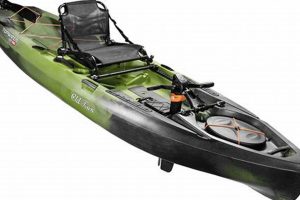
Appropriate kayak selection significantly influences the overall experience and success while fishing on the St. Johns River. Factors such as hull design, stability, length, and storage capacity contribute to angler comfort, maneuverability, and the ability to effectively target specific fish species. Choosing a kayak suited to the river’s conditions and the angler’s individual needs optimizes both fishing performance and overall enjoyment.
Several kayak types offer varying advantages and disadvantages on the St. Johns. Sit-on-top kayaks provide excellent stability and ease of entry and exit, making them suitable for beginners and warmer weather conditions. Sit-inside kayaks offer greater protection from the elements and increased storage capacity, ideal for longer trips or carrying specialized fishing gear. Shorter kayaks provide enhanced maneuverability in tight spaces and shallow water, while longer kayaks track better in open water and offer increased speed for covering larger distances. Selecting the right kayak depends on factors such as individual paddling experience, fishing style, and the specific sections of the river being targeted.
Consider the practical implications of kayak selection. A stable platform allows for easier casting and fish handling. Sufficient storage capacity accommodates tackle boxes, rods, and other essential gear. A comfortable seating arrangement and appropriate kayak size minimize fatigue during long hours on the water. Investing in a quality kayak tailored to the St. Johns River environment directly contributes to angler success and enhances the overall fishing experience.
3. Essential Gear

Appropriate gear selection directly impacts success and safety while kayak fishing on the St. Johns River. Specific equipment caters to the unique challenges and opportunities presented by this environment. Careful consideration of rod and reel combinations, tackle choices, safety equipment, and navigational tools ensures anglers are well-prepared for a productive and enjoyable experience.
Rods and reels suited to the target species and fishing techniques employed are crucial. Lightweight spinning or baitcasting combos offer versatility for targeting the diverse fish species inhabiting the river. Tackle choices include a selection of lures, hooks, weights, and lines appropriate for bass, panfish, catfish, and other common catches. Live bait, such as worms or minnows, can also prove effective. A well-stocked tackle box organized for quick access to necessary items contributes to efficient fishing practices. Safety equipment, including a personal flotation device (PFD), whistle, and first-aid kit, is paramount for mitigating risks associated with on-the-water activities. Navigational tools, such as a GPS unit, chart, or compass, aid in navigating the river’s extensive waterways and locating productive fishing spots. Dry bags protect essential items like phones and wallets from water damage.
Practical application of this understanding translates directly to increased angler preparedness. A well-chosen rod and reel paired with appropriate lures allows for effective presentation of bait to target species. Having necessary safety equipment readily available ensures a swift response to unforeseen circumstances. Utilizing navigational tools contributes to efficient exploration of the river and reduces the risk of disorientation. The cumulative effect of proper gear selection contributes significantly to a safe, productive, and enjoyable kayak fishing experience on the St. Johns River. Overlooking essential gear can lead to frustration, lost fishing opportunities, and potentially hazardous situations.
4. Target Species

The St. Johns River supports a diverse fish population, providing kayak anglers with a variety of target species. Understanding the habits and preferred habitats of these fish enhances angling success. Selecting appropriate tackle and techniques based on the target species is crucial for a productive fishing experience.
- Largemouth Bass
Largemouth bass are a popular target species due to their aggressive nature and fighting ability. They inhabit various areas within the river system, including vegetated shorelines, submerged structure, and deeper pools. Anglers often target them using artificial lures such as crankbaits, spinnerbaits, and plastic worms, or live bait like shiners and wild caught shad.
- Panfish (Bluegill, Crappie, Redbreast Sunfish)
Panfish species, including bluegill, crappie, and redbreast sunfish, offer abundant fishing opportunities. They congregate around vegetation, docks, and other structures. Small jigs, poppers, and live bait like crickets and worms are effective for catching panfish. These species are ideal for anglers of all skill levels.
- Catfish (Channel, Blue, Flathead)
The St. Johns River holds various catfish species, including channel, blue, and flathead catfish. These fish prefer deeper holes, channels, and areas with submerged debris. Anglers typically use bottom fishing techniques with cut bait, stink bait, or live bait like worms and small fish. Catfish provide a strong fight and are valued for their table fare.
- Striped Bass
Striped bass are an exciting target species found in certain sections of the St. Johns River. They are migratory fish and may be found in deeper channels, around bridges, and near inlets. Anglers target them using live bait, lures that mimic baitfish, or trolling techniques. Striped bass offer a challenging fishing experience and are prized for their size and strength.
Targeting specific species on the St. Johns River requires an understanding of their preferred habitats and feeding patterns. Adapting fishing techniques and tackle choices based on the target species increases the likelihood of a successful outing. Kayak fishing provides an ideal platform for pursuing the diverse fish populations inhabiting the river system, offering a dynamic and rewarding angling experience.
5. Fishing Techniques
Effective fishing techniques are essential for successful kayak angling on the St. Johns River. The river’s diverse habitats and target species necessitate adapting approaches based on specific conditions. Understanding these techniques and their practical application directly influences catch rates and overall angling success.
Casting accuracy and lure presentation are critical due to the limited casting space within a kayak. Short, controlled casts placed near structure or vegetation maximize opportunities to entice fish. Drift fishing, allowing the kayak to move naturally with the current, presents bait or lures to a wider area and can be effective for various species. Trolling, employing slow-moving lures behind the kayak, covers larger distances and targets active fish. Vertical jigging, utilizing weighted lures dropped directly beneath the kayak, targets fish holding near the bottom or suspended in the water column. Live bait fishing, employing natural prey like worms or minnows, is often effective for enticing finicky fish, especially in clearer water conditions. These techniques, adapted to specific target species and river conditions, enhance angling success.
Adaptability is key when selecting fishing techniques on the St. Johns River. For example, targeting largemouth bass near submerged vegetation may require precise casting with weedless lures, while fishing for panfish around docks might involve dropping small jigs vertically. Adjusting techniques based on water depth, current, and observed fish behavior maximizes the likelihood of a successful catch. Matching techniques to prevailing conditions directly translates to increased fishing success on the St. Johns River. Failure to adapt techniques to the river’s nuances can limit angling success, highlighting the practical significance of this understanding.
6. Safety Precautions
Safety precautions are paramount for kayak fishing on the St. Johns River. The river’s dynamic environment, including fluctuating water levels, changing weather conditions, and potential encounters with wildlife, necessitates careful planning and adherence to safety guidelines. Neglecting these precautions can lead to dangerous situations, underscoring their critical role in a safe and enjoyable fishing experience. A comprehensive understanding of potential hazards and proactive safety measures mitigates risks and ensures angler well-being.
Several key safety considerations apply specifically to kayak fishing on the St. Johns. Wearing a properly fitted personal flotation device (PFD) is non-negotiable. Sudden immersion in the water can occur due to unexpected changes in current, encounters with submerged objects, or capsizing. Checking weather forecasts before embarking on a fishing trip and remaining vigilant for changing conditions during the outing is crucial. Sudden storms, strong winds, and lightning pose significant threats. Carrying a communication device, such as a waterproof cell phone or VHF radio, allows for contacting emergency services if necessary. Informing someone of planned launch and return times and intended fishing locations ensures that assistance can be dispatched if an angler fails to return as scheduled. Carrying a first-aid kit equipped to handle common injuries like cuts, hooks, and insect bites provides immediate care in the event of an incident. Awareness of potential wildlife encounters, including alligators, snakes, and insects, and understanding appropriate responses minimizes risks associated with such interactions.
Practical application of these safety measures is crucial for risk mitigation. For example, consistently wearing a PFD, even in calm conditions, can prevent drowning in the event of an unexpected capsize. Monitoring weather forecasts and heeding warnings about approaching storms allows anglers to seek safe harbor before conditions deteriorate. Carrying a charged communication device and informing someone of trip plans ensures that help is available in case of an emergency. Understanding how to react to a wildlife encounter, such as maintaining a safe distance from alligators and avoiding sudden movements around snakes, minimizes the risk of negative interactions. A thorough understanding and consistent application of these safety precautions transforms potential hazards into manageable risks, ensuring a safe and enjoyable kayak fishing experience on the St. Johns River. Neglecting these precautions can have serious consequences, ranging from minor injuries to life-threatening situations. Prioritizing safety through proactive planning and adherence to established guidelines safeguards anglers and contributes to a positive experience on the water.
7. Environmental Awareness

Maintaining the ecological integrity of the St. Johns River is crucial for the sustainability of its diverse ecosystem and the continued enjoyment of recreational activities like kayak fishing. Environmental awareness among anglers plays a vital role in minimizing the impact of fishing practices and preserving the river’s natural resources for future generations. Understanding the interconnectedness of the river’s flora, fauna, and water quality fosters responsible angling practices and contributes to the long-term health of the ecosystem.
- Minimizing Disturbance to Aquatic Habitats
Kayak fishing offers a low-impact approach to angling, but mindful navigation and fishing practices further minimize disturbance to aquatic habitats. Avoiding shallow spawning areas, minimizing contact with submerged vegetation, and refraining from anchoring in sensitive areas protect vital breeding grounds and maintain habitat integrity. Disrupting these areas can negatively impact fish populations and overall ecosystem health.
- Proper Waste Disposal and Pollution Prevention
Discarded fishing line, hooks, and other debris pose significant threats to aquatic life and water quality. Proper disposal of all fishing-related waste is essential. Carrying a reusable trash bag and collecting discarded line encountered along the waterway demonstrates environmental responsibility. Avoiding the use of lead sinkers and opting for biodegradable alternatives minimizes the introduction of harmful toxins into the river system. Chemical pollutants, such as sunscreen and insect repellent, can also contaminate the water; choosing eco-friendly alternatives further reduces environmental impact.
- Catch-and-Release Practices and Fish Handling
Practicing catch-and-release fishing contributes to the sustainability of fish populations, particularly for sensitive species. Utilizing appropriate fishing techniques and minimizing the time fish are out of the water reduces stress and increases their chances of survival. Handling fish with wet hands or a landing net minimizes damage to their protective slime coat, further promoting their well-being. Properly reviving exhausted fish before release ensures their successful return to the river.
- Invasive Species Awareness
The St. Johns River faces challenges from invasive plant and animal species that disrupt the natural balance of the ecosystem. Anglers can contribute to invasive species management by learning to identify common invasives and reporting their presence to relevant authorities. Avoiding the unintentional spread of invasive plants through proper cleaning of kayaks and fishing gear after each outing is crucial. Disposing of unused bait properly prevents the introduction of non-native species into the river. Active participation in organized cleanup events or invasive species removal programs further contributes to ecosystem restoration.
Environmental awareness among kayak anglers is essential for preserving the St. Johns River’s ecological health. By adopting responsible fishing practices and actively participating in conservation efforts, anglers contribute to the long-term sustainability of the river’s valuable resources. This commitment ensures that future generations can continue to enjoy the recreational and ecological benefits of this unique ecosystem. The cumulative impact of individual actions contributes significantly to the overall health and resilience of the river system.
Frequently Asked Questions
This section addresses common inquiries regarding kayak fishing on the St. Johns River. The information provided aims to clarify regulations, address safety concerns, and offer practical guidance for a successful angling experience.
Question 1: What are the licensing requirements for fishing on the St. Johns River?
A valid Florida freshwater fishing license is required for residents and non-residents. Specific license exemptions apply to certain age groups and individuals with disabilities. Consult the Florida Fish and Wildlife Conservation Commission (FWC) website for detailed licensing information and regulations.
Question 2: Are there specific areas of the river restricted for kayak fishing?
Certain areas within the St. Johns River system may have restrictions or closures due to environmental protection, private property, or safety concerns. Checking with local authorities or consulting the FWC website before planning a fishing trip is advised to ensure compliance with current regulations.
Question 3: What safety precautions are recommended for kayak fishing on the St. Johns River?
Wearing a personal flotation device (PFD), carrying a whistle and communication device, informing someone of trip plans, and checking weather forecasts are essential safety precautions. Awareness of potential wildlife encounters and understanding appropriate responses are also crucial. Adhering to established safety guidelines minimizes risks associated with on-the-water activities.
Question 4: What are the common target species for kayak anglers on the St. Johns River?
Largemouth bass, various panfish species (bluegill, crappie, redbreast sunfish), catfish (channel, blue, flathead), and striped bass are among the common target species. The river’s diverse ecosystem supports a variety of fish populations, offering angling opportunities for a range of skill levels and preferences.
Question 5: Are there any specific regulations regarding fishing methods or tackle on the St. Johns River?
Regulations regarding fishing methods, tackle restrictions, and size and bag limits for specific species apply. Consulting the FWC website for current regulations ensures compliance and promotes sustainable fishing practices. Awareness of and adherence to these regulations are crucial for responsible angling.
Question 6: What resources are available for obtaining information on river access, fishing conditions, and local guides?
Local bait and tackle shops, online fishing forums, and the FWC website offer valuable resources for gathering information on river access points, fishing conditions, and licensed fishing guides. Consulting these resources provides insights into current regulations, productive fishing locations, and recommended techniques.
Understanding and adhering to regulations, prioritizing safety precautions, and respecting the environment contribute to a positive and sustainable kayak fishing experience on the St. Johns River. Responsible angling practices ensure the preservation of this valuable ecosystem for future generations.
The following section offers additional resources and contact information for those seeking further guidance or assistance planning their St. Johns River kayak fishing adventure.
Conclusion
This exploration of angling from a kayak on this prominent Florida waterway has highlighted key aspects of a successful and rewarding experience. From pre-trip planning and equipment selection to on-the-water techniques and environmental stewardship, informed decision-making is paramount. Understanding the river’s ecosystem, respecting its inhabitants, and adhering to established regulations ensures the sustainability of this valuable resource.
The St. Johns River offers a unique opportunity to connect with nature while pursuing a challenging and fulfilling recreational activity. Responsible angling practices, combined with a respect for the environment, guarantee the preservation of this exceptional waterway for generations to come. Continued exploration and a commitment to conservation will ensure the enduring legacy of this treasured natural resource.