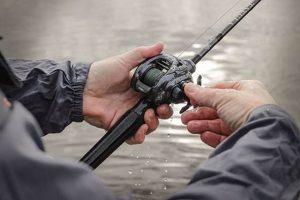
Specific rules governing angling from kayaks exist to ensure both angler safety and the sustainability of fish populations. These rules can vary significantly depending on location, covering aspects such as required safety equipment (like personal flotation devices and navigation lights), licensing requirements, catch limits, permitted fishing gear, and designated fishing zones. For example, some areas might prohibit the use of certain types of fishing hooks or mandate the use of a specific size landing net to minimize stress on captured fish.
Promoting responsible angling practices through these specific rules maintains healthy ecosystems and ensures continued access to this popular recreational activity. Historically, as kayak fishing gained popularity, the need for tailored regulations became evident to address the unique safety concerns and environmental impacts associated with this specific fishing method. Properly designed rules contribute to the overall wellbeing of aquatic environments and help prevent overfishing, ensuring future generations can enjoy the sport.
Understanding applicable rules is essential for any angler using a kayak. The following sections will explore key aspects of these rules in greater detail, including specific examples of regional variations and best practices for complying with them.
Adhering to specific rules applicable to kayak fishing ensures both a safe and legal angling experience. The following tips offer guidance for navigating these rules effectively.
Tip 1: Research Local Regulations: Regulations differ significantly by location. Consulting local wildlife agencies or fisheries departments provides crucial information specific to the intended fishing area.
Tip 2: Prioritize Safety Equipment: Always wear a personal flotation device (PFD). Carry essential safety gear, including a whistle, navigation lights, and a first-aid kit. Verify if local regulations mandate specific equipment beyond these basics.
Tip 3: Understand Licensing Requirements: Ensure possession of a valid fishing license for the specific region and species targeted. Be aware of any additional endorsements or stamps required for kayak fishing.
Tip 4: Adhere to Catch Limits and Size Restrictions: Familiarize oneself with catch limits, size restrictions, and permitted fishing methods for the target species. Utilize a reliable ruler or measuring device to ensure compliance.
Tip 5: Use Approved Fishing Gear: Some areas restrict certain types of fishing gear, such as specific hook types or net sizes. Confirm permitted gear before heading out on the water.
Tip 6: Respect Designated Fishing Zones: Observe any restricted areas or closures. Some zones may be designated as sanctuaries or protected habitats. Maps detailing these areas are often available from local authorities.
Tip 7: Practice Proper Fish Handling Techniques: Minimize stress on caught fish by using appropriate handling techniques and releasing them quickly and carefully. Certain regulations might mandate specific practices or the use of barbless hooks.
By diligently following these tips, anglers can contribute to sustainable fishing practices, promote personal safety, and ensure a positive experience on the water. A comprehensive understanding of applicable regulations fosters responsible angling and preserves aquatic ecosystems.
In conclusion, responsible kayak fishing hinges on respecting and adhering to established regulations. Following the guidance presented here ensures a rewarding experience that benefits both the angler and the environment.
1. Safety Equipment

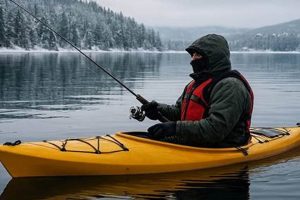
Kayak fishing regulations often mandate specific safety equipment to mitigate risks inherent to the activity. These regulations recognize the potential hazards of open water environments and aim to protect anglers. A primary focus is personal flotation devices (PFDs). Regulations typically require PFDs to be worn at all times while on the water. This requirement stems from the potential for capsizing and the increased risk of drowning without a PFD. Furthermore, regulations frequently address visibility, especially during low-light conditions. Navigation lights, reflective tape, or similar visibility aids are often mandated to prevent collisions with other vessels. For example, coastal areas with significant boat traffic may require kayaks to display specific light configurations for enhanced visibility.
Beyond PFDs and visibility aids, some regulations address additional safety considerations. Carrying a whistle for signaling distress, a first-aid kit for addressing minor injuries, and a communication device for emergencies are often recommended, even if not explicitly mandated. Furthermore, certain regulations may require specific equipment depending on the fishing environment. For instance, areas with strong currents or challenging water conditions might mandate the use of a paddle leash to prevent loss of the paddle in case of capsize. The connection between safety equipment and regulations is rooted in a proactive approach to risk management, ensuring angler safety and minimizing potential incidents on the water.
In summary, the integration of safety equipment requirements within kayak fishing regulations significantly enhances angler safety. These regulations, enforced through local authorities, reflect a commitment to mitigating potential risks inherent to on-the-water activities. Compliance with these regulations, alongside a proactive approach to personal safety practices, contributes to a safer and more responsible kayaking experience. Adhering to these regulations isn’t just about avoiding penalties; it’s about prioritizing personal well-being and fostering a culture of safety within the kayak fishing community.
2. Licensing Requirements

Licensing requirements represent a crucial component of kayak fishing regulations, serving as a mechanism for managing fisheries, conserving resources, and funding conservation efforts. Understanding these requirements is essential for legal compliance and responsible angling. Licensing stipulations can differ significantly based on location, targeted species, and residency status.
- Types of Licenses
Various license types exist, catering to different angling needs. A standard fishing license may suffice for general fishing activities, while specific endorsements or stamps might be necessary for targeting particular species, such as trout or salmon. Furthermore, distinctions exist between resident and non-resident licenses, with non-residents typically paying higher fees. Short-term licenses are often available for tourists or occasional anglers.
- Obtaining Licenses
Licenses are typically issued by state wildlife agencies or fisheries departments, often available for purchase online, through authorized vendors (such as sporting goods stores), or at designated government offices. The application process usually requires providing personal information and paying the associated fee. Digital licenses are increasingly common, offering convenient storage and accessibility.
- Reciprocity Agreements
Some states have reciprocal agreements that recognize fishing licenses issued by other participating states. These agreements simplify licensing for anglers fishing across state lines but typically involve specific conditions or limitations. It is crucial to understand the terms of any applicable reciprocity agreements before fishing in a different state.
- Enforcement and Penalties
Enforcement of licensing requirements is carried out by conservation officers or similar authorities. Fishing without a valid license can result in fines, confiscation of equipment, and suspension of fishing privileges. Penalties can vary in severity based on the specific violation and local regulations. Regular checks ensure compliance and deter illegal fishing activities.
Compliance with licensing requirements demonstrates a commitment to responsible fishing and supports the sustainability of aquatic ecosystems. Revenue generated from license sales often contributes to habitat restoration, fish stocking programs, and enforcement efforts, directly benefiting the fisheries and the angling community. Therefore, understanding and adhering to licensing requirements is not merely a legal obligation, but an essential component of ethical angling practice.
3. Catch Limits

Catch limits form an integral part of kayak fishing regulations, playing a crucial role in sustaining fish populations and maintaining healthy aquatic ecosystems. These limits, often species-specific and location-dependent, restrict the number and sometimes the size of fish an angler can retain within a given timeframe. This management tool helps prevent overfishing, ensuring fish stocks remain viable for future generations and maintaining a balanced ecosystem. For instance, regulations might limit the daily catch of red snapper to two fish per angler, with a minimum size requirement ensuring juvenile fish contribute to breeding populations before becoming eligible for harvest. Failure to observe catch limits can result in penalties, including fines and suspension of fishing privileges.
Implementing catch limits involves careful consideration of various factors, including scientific data on fish populations, environmental conditions, and fishing pressure. Fisheries management agencies conduct stock assessments to evaluate fish populations and determine sustainable harvest levels. These assessments inform the establishment of appropriate catch limits, balancing angler opportunity with the need for long-term conservation. Moreover, catch limits can be adjusted seasonally to protect spawning fish or account for fluctuating environmental conditions that might influence fish vulnerability. Adaptive management strategies allow regulations to evolve in response to changing ecological dynamics, ensuring the effectiveness of catch limits in achieving conservation goals. Furthermore, the connection between catch limits and ecosystem health extends beyond the targeted species. Maintaining balanced populations across trophic levels prevents cascading effects that could disrupt the entire ecosystem.
Understanding and respecting catch limits is essential for responsible kayak fishing. Anglers contribute directly to fisheries conservation by adhering to these regulations. Utilizing resources like official websites or mobile apps provided by fisheries management agencies allows anglers to stay informed about current catch limits, size restrictions, and any seasonal closures. Accurate record-keeping helps ensure compliance and facilitates data collection that informs future management decisions. By embracing catch limits as a fundamental aspect of kayak fishing, anglers participate actively in preserving healthy fisheries and safeguarding the future of the sport.
4. Permitted Gear
Regulations governing permitted gear in kayak fishing play a vital role in resource conservation, promoting fair angling practices, and minimizing environmental impact. These regulations dictate the types of fishing equipment allowed, influencing both the target species and the overall sustainability of the fishery. Understanding these stipulations is crucial for compliance and responsible angling.
- Hook Restrictions
Regulations often specify permitted hook types and sizes. Restrictions on barbed hooks, for instance, aim to reduce injury to released fish, increasing their survival rate. Similarly, limitations on treble hooks might be implemented in areas with high catch-and-release practices or where specific species are particularly vulnerable to hook-related injuries. These restrictions vary based on target species and local conservation concerns.
- Net Regulations
Regulations regarding landing nets often focus on mesh size and material. Mandating larger mesh sizes allows smaller fish to escape, promoting growth within the population. Regulations might also specify biodegradable or knotless netting materials to minimize harm to fish. These regulations aim to reduce stress and physical damage to captured fish, especially in catch-and-release scenarios.
- Fishing Methods
Certain fishing methods may be restricted or prohibited in specific areas or for particular species. For example, the use of live bait might be restricted to minimize the introduction of non-native species or prevent excessive pressure on baitfish populations. Similarly, certain types of lures or fishing techniques, like snagging, might be prohibited to protect vulnerable species or ensure fair angling practices.
- Rod and Reel Specifications
While less common, some regulations might address rod and reel specifications, particularly in managed fisheries. These regulations might limit the number of rods allowed per angler or specify line strength restrictions. Such regulations typically aim to manage fishing pressure and ensure equitable access to resources.
Adherence to permitted gear regulations contributes significantly to the overall health and sustainability of fisheries. By using approved equipment and respecting gear restrictions, anglers actively participate in conservation efforts, ensuring the longevity of kayak fishing opportunities. Furthermore, understanding and complying with these regulations demonstrates a commitment to ethical angling practices and fosters a culture of respect for aquatic ecosystems.
5. Fishing Zones

Designated fishing zones represent a crucial aspect of kayak fishing regulations, contributing significantly to resource management, habitat protection, and angler safety. These zones delineate specific areas where fishing is permitted, restricted, or prohibited, reflecting the unique characteristics and vulnerabilities of different aquatic environments. Understanding the rationale and implementation of fishing zones is essential for responsible kayak angling.
- Species Protection
Fishing zones often serve to protect critical habitats essential for specific fish species, such as spawning grounds, nursery areas, or overwintering locations. Restricting fishing in these zones safeguards vulnerable life stages and contributes to the long-term health of fish populations. For example, establishing a no-fishing zone around a coral reef known as a grouper spawning aggregation site protects breeding adults and ensures future recruitment.
- Habitat Conservation
Certain fishing zones aim to protect sensitive habitats vulnerable to damage from fishing activities. Seagrass beds, kelp forests, and fragile coral reefs are examples of habitats that benefit from designated protection zones. Restricting anchoring, fishing gear deployment, or even access within these zones minimizes physical disturbance and preserves the ecological integrity of these vital habitats.
- User Conflicts
Fishing zones can also address user conflicts in heavily utilized waterways. Separating fishing areas from swimming areas, boating lanes, or other recreational zones enhances safety and minimizes potential conflicts among different user groups. This zoning approach fosters a more harmonious and organized use of shared aquatic resources.
- Special Management Areas
Some fishing zones are designated as special management areas with specific regulations tailored to the unique characteristics of the location. These areas might have restricted fishing seasons, gear limitations, or catch limits different from surrounding waters. Special management zones address specific conservation concerns or aim to restore depleted fish stocks in targeted areas.
The effective implementation and enforcement of fishing zones rely on clear signage, public education, and consistent monitoring. Anglers must familiarize themselves with designated fishing zones within their intended fishing areas. Consulting official maps, online resources, or local fishing regulations provides crucial information regarding permitted fishing locations and any specific restrictions within those zones. Respecting fishing zones is fundamental to responsible kayak angling, contributing to the long-term sustainability of fisheries and the preservation of healthy aquatic ecosystems.
6. Fish Handling
Proper fish handling techniques are integral to kayak fishing regulations, directly influencing the survival rates of released fish and contributing to the overall health of fish populations. Regulations often incorporate specific fish handling guidelines to minimize stress and injury, ensuring the sustainability of the fishery. These guidelines address various aspects of fish handling, from hook removal to release methods, emphasizing best practices for catch-and-release fishing.
- Minimizing Air Exposure
Regulations often emphasize minimizing the duration a fish spends out of the water. Air exposure can damage delicate gill filaments and disrupt the fish’s respiration, increasing the likelihood of mortality. Best practices encourage keeping the fish submerged as much as possible during hook removal and handling, using wet hands or a wet towel to support the fish if necessary. This minimizes physiological stress and improves the chances of successful release.
- Proper Hook Removal
Regulations often promote the use of appropriate tools and techniques for efficient hook removal. Using pliers or specialized hook removal tools minimizes handling time and reduces tissue damage. Regulations may also recommend crushing barbs on hooks to facilitate easier removal and minimize injury to the fish. These practices contribute to quicker releases and reduced stress on the fish.
- Supporting the Fish
Regulations frequently advise supporting the fish’s body weight during handling, especially for larger species. This prevents internal injuries and reduces stress on the fish’s spine and musculature. Supporting the fish horizontally in the water allows it to recover and regain equilibrium before release. This practice is particularly crucial for larger or more delicate species.
- Revival and Release
Regulations sometimes provide guidance on reviving exhausted fish before release. Gently moving the fish back and forth in the water allows oxygenated water to flow over the gills, aiding recovery. Regulations may also advise releasing fish in calm, well-oxygenated areas to maximize their chances of survival. This ensures the fish has the best opportunity to recover and rejoin the population.
Adhering to proper fish handling techniques, as integrated within kayak fishing regulations, plays a crucial role in promoting sustainable fishing practices. By minimizing stress and injury to released fish, anglers contribute directly to the conservation of fish populations and the overall health of aquatic ecosystems. These regulations reflect a commitment to responsible angling, ensuring the future of the sport and the preservation of valuable aquatic resources.
7. Local Variations
Regulations governing kayak fishing exhibit significant local variations, reflecting the unique ecological, social, and safety considerations of different regions. These variations necessitate careful research and understanding by anglers to ensure compliance and responsible fishing practices. Local authorities tailor regulations to address specific environmental conditions, target particular species, manage user conflicts, or respond to localized conservation concerns. Awareness of these variations is paramount for legal and ethical kayak fishing.
- Waterway-Specific Rules
Regulations can vary significantly between different waterways within the same region. A river might have different restrictions compared to a lake or coastal estuary within the same state. These variations often reflect differences in fish species, habitat types, or levels of recreational use. For example, a river designated as a trout stream might have stricter regulations on fishing methods or gear compared to a larger lake managed for multiple species. Furthermore, waterways with heavy motorized boat traffic might impose specific safety requirements on kayaks, such as mandatory navigation lights or restricted access areas.
- Species-Specific Regulations
Local variations often target specific fish species, reflecting their vulnerability, conservation status, or importance to the local ecosystem. Regulations might impose stricter catch limits, size restrictions, or seasonal closures for certain species. For instance, a region with a declining population of native brook trout might implement stricter regulations targeting that species to promote recovery. Similarly, areas with invasive species might encourage their removal through less restrictive regulations or even incentivized harvest programs.
- Seasonal Closures
Seasonal closures represent a common form of local variation, protecting vulnerable fish populations during critical life stages. Closures often coincide with spawning seasons or periods of increased environmental stress. These closures allow fish to reproduce undisturbed or recover from seasonal stressors, contributing to the long-term health of the population. For example, seasonal closures might protect spawning salmon in rivers or restrict access to shallow estuaries during periods of high water temperatures to minimize stress on resident fish.
- Tidal Influences
Coastal areas experience unique regulatory variations influenced by tides and currents. Fishing regulations might change depending on the tidal stage, restricting access to certain areas during specific tidal periods. These regulations can protect vulnerable intertidal habitats or address safety concerns associated with strong currents. For example, regulations might prohibit fishing in shallow tidal flats during low tide to protect foraging shorebirds or restrict kayak access to inlets during periods of strong tidal currents.
Understanding these localized nuances is essential for responsible kayak fishing. Consulting local resources, such as websites of state fisheries agencies, local bait and tackle shops, or even contacting local authorities directly, provides essential information on specific regulations applicable to the intended fishing area. Familiarizing oneself with local variations ensures compliance, avoids penalties, and demonstrates a commitment to sustainable fishing practices. Ultimately, respecting these variations contributes to the long-term health of fisheries and the continued enjoyment of kayak fishing for future generations.
Frequently Asked Questions about Kayak Fishing Regulations
This section addresses common inquiries regarding regulations pertinent to kayak fishing, aiming to provide clarity and promote responsible angling practices.
Question 1: Do standard fishing licenses apply to kayak fishing, or are specific endorsements required?
While a standard fishing license often suffices, some jurisdictions require specific endorsements or stamps for kayak fishing. Consulting local regulations clarifies specific licensing requirements.
Question 2: How do regulations address safety equipment requirements for kayak anglers?
Regulations typically mandate personal flotation devices (PFDs). Additional requirements might include navigation lights, whistles, and other safety gear depending on the location and specific conditions.
Question 3: Are there specific regulations regarding permitted fishing gear when fishing from a kayak?
Yes, some areas restrict specific gear types, including hook styles, net sizes, or fishing methods. Local regulations provide detailed information on permitted gear.
Question 4: How are catch limits and size restrictions enforced for kayak anglers?
Enforcement typically involves random checks by conservation officers or similar authorities. Penalties for exceeding catch limits or retaining undersized fish vary but can include fines and license suspension.
Question 5: What are the implications of fishing in designated “no-fishing” zones from a kayak?
Fishing in prohibited zones can result in significant penalties, including fines and confiscation of equipment. These zones often protect sensitive habitats or vulnerable species.
Question 6: Where can one find reliable information regarding local kayak fishing regulations?
Local wildlife agencies, fisheries departments, or official government websites provide the most accurate and up-to-date information on specific regulations.
Understanding and adhering to kayak fishing regulations is crucial for preserving aquatic ecosystems and ensuring the future of the sport. Consulting local resources for specific regulations is always recommended.
For further information, consult the resources provided by your local fisheries management agency.
Kayak Fishing Regulations
This exploration of kayak fishing regulations has highlighted their crucial role in ensuring both angler safety and the sustainability of aquatic resources. Key aspects discussed include the importance of adhering to safety equipment requirements, understanding licensing stipulations, respecting catch limits and gear restrictions, observing designated fishing zones, employing proper fish handling techniques, and recognizing potential local variations in regulations. These interconnected components contribute to a comprehensive framework designed to promote responsible angling and preserve the integrity of aquatic ecosystems.
Continued awareness and adherence to these regulations are essential for the future of kayak fishing. Adaptive management strategies, informed by scientific understanding and evolving environmental conditions, will shape future regulations. Anglers bear a shared responsibility to understand and comply with these rules, contributing to the long-term health of fisheries and the continued enjoyment of this popular recreational activity. The future of kayak fishing rests on a collective commitment to responsible angling practices and a shared understanding of the crucial role regulations play in preserving this valuable resource.