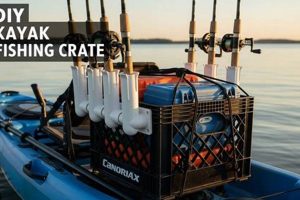
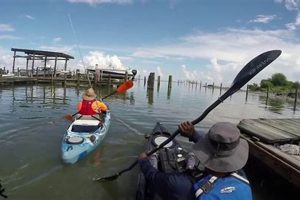
The quiet pursuit of finned quarry from small, human-powered vessels offers a unique angling experience along the scenic shoreline of this Florida barrier island. This method allows anglers to access shallow-water habitats often unreachable by larger boats, offering an intimate connection with the coastal ecosystem. For example, anglers can navigate the calm, clear waters of Santa Rosa Sound or explore the grassy flats of the Gulf of Mexico, targeting species such as redfish, speckled trout, and flounder.
This style of fishing provides a low-impact, eco-friendly way to experience the natural beauty and abundant marine life of the area. The relatively low cost of entry and the inherent physical activity involved offer both accessibility and health benefits. Historically, small boats have been utilized for fishing in these waters, but the modern popularity of this specific approach highlights its effectiveness and enjoyment. It contributes to the local economy through tourism and supports conservation efforts by promoting responsible angling practices.
Exploring specific techniques, recommended equipment, and ideal launch locations will further enhance understanding of this rewarding activity along the Gulf Coast.
Tips for Kayak Fishing Pensacola Beach
Careful planning and preparation contribute significantly to a successful and enjoyable fishing excursion.
Tip 1: Check Weather and Tides: Consulting marine forecasts before embarking is crucial. Wind speed and direction significantly impact paddling conditions, especially in open water. Tidal flows influence fish behavior and accessibility to shallow areas.
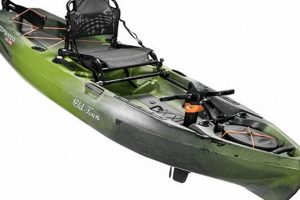
Tip 2: Choose the Right Kayak: Selecting a kayak appropriate for fishing improves stability and storage capacity. Sit-on-top kayaks offer easier access to gear and re-entry after a water landing. Longer kayaks provide better tracking in open water, while shorter models offer maneuverability in tight spaces.
Tip 3: Essential Safety Gear: A personal flotation device (PFD) is mandatory. A whistle, signaling mirror, and VHF radio are essential communication tools in emergencies. Carrying a first-aid kit and a charged mobile phone in a waterproof bag is highly recommended.
Tip 4: Plan Your Route: Identifying target fishing spots and potential hazards beforehand improves efficiency and safety. Mapping out routes using navigational aids and considering prevailing currents and tides helps avoid unforeseen difficulties.
Tip 5: Pack Light and Efficiently: Organize tackle and equipment to maximize space and minimize clutter. Using waterproof storage containers protects essential items from saltwater damage. Securing gear to the kayak prevents loss in case of capsize.
Tip 6: Respect Wildlife and the Environment: Practicing catch-and-release principles helps conserve fish populations. Properly disposing of fishing line and other waste materials minimizes environmental impact. Maintaining a safe distance from wildlife ensures both their well-being and personal safety.
Tip 7: Employ Proper Fishing Techniques: Utilizing appropriate fishing techniques for target species increases success rates. Understanding local regulations regarding catch limits and permitted fishing methods ensures compliance and protects fish stocks.
Adhering to these guidelines promotes a safe, enjoyable, and environmentally responsible fishing experience.
By combining preparation, safety awareness, and respect for the natural environment, anglers can fully appreciate the unique rewards offered by this activity.
1. Location Scouting

Effective location scouting is paramount for successful kayak fishing at Pensacola Beach. The diverse coastal environment offers a range of habitats, each attracting different species. Understanding these nuances allows anglers to target specific fish based on their preferred environment. For example, redfish often inhabit shallow grass flats, while speckled trout favor deeper channels and drop-offs. Scouting locations beforehand, whether through online resources, local fishing reports, or personal exploration, increases the likelihood of encountering desired species. This pre-trip planning minimizes wasted time searching unproductive areas and maximizes fishing opportunities within limited timeframes.
Analyzing factors like water depth, clarity, structure (such as oyster bars or submerged vegetation), and tidal currents provides valuable insights. Tides significantly impact fish behavior and accessibility to certain areas. Incoming tides often bring baitfish and predatory species closer to shore, creating feeding opportunities in shallows. Conversely, outgoing tides concentrate fish in deeper channels and around structure. Considering these tidal influences during location scouting allows anglers to position themselves strategically for optimal fishing conditions. Utilizing online mapping tools and nautical charts can aid in identifying promising areas with suitable depths and structures based on target species.
Thorough location scouting ultimately contributes to a more productive and rewarding fishing experience. By understanding the interplay between habitat, species behavior, and environmental factors, anglers can significantly increase their chances of success. This preparation also enhances safety by allowing for identification of potential hazards such as shallow areas, strong currents, or boat traffic. Careful planning facilitates informed decisions about launch points, fishing routes, and extraction strategies, resulting in a safer and more enjoyable experience on the water.
2. Kayak Selection

Appropriate kayak selection significantly influences the success and enjoyment of kayak fishing at Pensacola Beach. The chosen vessel must balance stability, maneuverability, and storage capacity to effectively navigate the diverse coastal environment and accommodate fishing-specific needs.
- Hull Design
Hull design directly impacts stability and tracking. Wider, flatter hulls offer greater initial stability, beneficial for casting and reeling in fish. Longer, narrower hulls track better in open water, facilitating efficient paddling over longer distances. Pensacola Beach’s varied waters, from calm bays to the open Gulf, necessitate careful hull consideration. A shorter, wider kayak may be preferable for fishing protected inshore areas, while a longer, narrower kayak suits offshore excursions.
- Sit-on-Top vs. Sit-Inside
Sit-on-top kayaks offer superior stability and ease of re-entry after a water landing. Their open design allows for easier access to gear and provides better drainage. Sit-inside kayaks offer some protection from the elements and often track more efficiently. The warmer climate of Pensacola Beach generally favors sit-on-tops, enhancing comfort and practicality in warmer waters. Sit-ins might be preferable for anglers seeking additional protection during colder months.
- Storage Capacity
Adequate storage space accommodates tackle boxes, rods, and other fishing essentials. Dedicated storage compartments and rigging options enhance organization and accessibility. Longer fishing trips require greater storage capacity. Pensacola Beach offers diverse fishing opportunities, requiring varying amounts of gear. Anglers pursuing larger game fish offshore may need more specialized equipment, influencing storage requirements.
- Propulsion Systems
Paddle kayaks provide a quiet, eco-friendly approach, allowing anglers to access shallow areas silently. Pedal-powered kayaks offer hands-free fishing and faster speeds, covering more ground efficiently. Motorized kayaks enhance range and speed, facilitating travel to distant fishing spots. The choice depends on individual preference, fishing style, and target locations. The relatively calm waters of Pensacola Beach are generally well-suited for paddle or pedal kayaks, though motorized options offer access to more distant areas.
Careful consideration of these factors ensures the selected kayak aligns with specific fishing needs and the conditions encountered at Pensacola Beach. The right kayak enhances not only fishing success but also safety and overall enjoyment on the water. A well-chosen vessel provides a stable and efficient platform, enabling anglers to focus on the pursuit of their quarry while enjoying the unique coastal environment.
3. Tackle and Bait
Tackle and bait selection directly influences fishing success in the diverse ecosystem of Pensacola Beach. Matching tackle and bait to target species and prevailing conditions is crucial for maximizing catch rates. The shallow grass flats, deeper channels, and nearshore Gulf waters each hold distinct fish populations, requiring tailored approaches. For example, targeting redfish in the flats might necessitate lighter tackle with weedless lures to prevent snags, while fishing for king mackerel offshore requires heavier gear and wire leaders to withstand their powerful runs and sharp teeth. Understanding these nuances and selecting appropriate tackle and bait allows anglers to effectively target desired species.
Bait choices should consider the prevalent forage in the area. Live shrimp, a common local baitfish, often proves effective for various species. Artificial lures, such as soft plastics or topwater plugs, mimic the appearance and action of baitfish, triggering strikes from predatory species. Matching lure color and size to prevailing water clarity and forage type enhances effectiveness. For instance, darker lures might prove more productive in murky water, while brighter colors may be preferred in clearer conditions. Understanding seasonal baitfish migrations further refines bait selection strategies. During certain times of year, specific baitfish become more abundant, influencing the feeding patterns of target species. Adapting bait choices to these seasonal shifts maximizes angling success.
Effective tackle and bait selection requires knowledge of local fish behavior, habitat preferences, and seasonal patterns. This understanding allows anglers to create targeted approaches that increase catch rates while minimizing environmental impact through responsible fishing practices. Carrying a diverse selection of tackle and bait options allows for adaptation to changing conditions or targeting different species encountered during a single outing. Proper storage and organization of tackle and bait within the limited space of a kayak is crucial for maintaining efficient access and preventing tangles. Streamlining gear enhances both fishing efficiency and overall enjoyment on the water.
4. Safety Precautions
Prioritizing safety is paramount for a successful kayak fishing experience at Pensacola Beach. The dynamic coastal environment presents inherent risks, requiring careful planning and adherence to safety guidelines. Neglecting these precautions can lead to hazardous situations, jeopardizing both personal well-being and the enjoyment of the activity. Understanding and mitigating these risks is crucial for a safe and rewarding fishing excursion.
- Personal Flotation Devices (PFDs)
Wearing a properly fitted PFD is non-negotiable. PFDs provide essential buoyancy in case of capsize or unexpected immersion, significantly increasing survival chances. Choosing a PFD designed for paddling enhances comfort and range of motion while fishing. Regularly inspecting PFDs for wear and tear ensures their effectiveness in emergencies. The unpredictable nature of open water necessitates consistent PFD usage, regardless of perceived swimming ability.
- Weather Awareness
Checking marine weather forecasts before embarking is crucial. Sudden changes in wind speed, direction, or sea state can create hazardous paddling conditions. Strong offshore winds pose a particular risk, potentially carrying kayakers away from shore. Monitoring weather conditions throughout the trip allows for timely adjustments to plans or early return to shore if necessary. Postponing trips in unfavorable weather conditions demonstrates prudent decision-making and prioritizes safety over fishing pursuits.
- Navigation and Communication
Carrying a waterproof chart, compass, or GPS device aids navigation, especially in unfamiliar areas or changing visibility. A charged mobile phone in a waterproof case provides a means of communication in emergencies. A VHF radio offers a more reliable communication method in offshore areas, enabling direct contact with the Coast Guard or other vessels. Familiarizing oneself with local navigational markers and channels enhances situational awareness and reduces the risk of disorientation.
- Sun and Heat Protection
The Florida sun poses significant risks of sunburn, heatstroke, and dehydration. Applying sunscreen with high SPF, wearing protective clothing, and a wide-brimmed hat minimizes sun exposure. Staying hydrated by consuming plenty of water throughout the trip combats dehydration. Recognizing early signs of heat exhaustion or heatstroke and taking appropriate action, such as seeking shade and rest, prevents escalation to more serious medical conditions. Packing extra water and electrolyte-rich beverages ensures adequate hydration throughout the fishing excursion.
Integrating these safety precautions into every kayak fishing trip at Pensacola Beach establishes a foundation for a responsible and enjoyable experience. Prioritizing safety enhances not only personal well-being but also the overall enjoyment of the activity. By mitigating potential risks, anglers can focus on the rewarding aspects of fishing while safeguarding themselves from the inherent hazards of the coastal environment. Preparedness and responsible decision-making contribute significantly to a positive and safe outcome on the water.
5. Local Regulations
Adherence to local regulations is essential for responsible kayak fishing at Pensacola Beach. These regulations ensure the sustainability of fish populations, protect sensitive habitats, and promote safe interactions among various user groups sharing the coastal waters. Understanding and complying with these rules contributes to the long-term health of the ecosystem and ensures continued access to this valuable recreational resource.
- Fishing Licenses and Permits
Possessing a valid Florida saltwater fishing license is mandatory for anglers targeting saltwater species. Specific permits might be required for certain species or fishing methods, such as harvesting shellfish or using specific gear types. Information regarding license requirements and permit applications can be obtained from the Florida Fish and Wildlife Conservation Commission (FWC). Carrying the appropriate licenses and permits while fishing demonstrates compliance and avoids potential penalties.
- Size and Bag Limits
Size and bag limits regulate the size and quantity of fish that can be legally harvested. These limits vary by species and are designed to protect breeding populations and maintain healthy fish stocks. Adhering to these limits prevents overfishing and ensures the sustainability of local fisheries. Consulting the FWC regulations for current size and bag limits for target species is crucial for responsible harvesting.
- Closed Seasons and Protected Areas
Certain species may have closed seasons during spawning periods to protect vulnerable breeding populations. Designated protected areas, such as seagrass beds or bird nesting sites, might have restricted access or fishing prohibitions to safeguard sensitive habitats. Respecting these closures and restrictions preserves critical ecological areas and contributes to the overall health of the marine environment. Information on closed seasons and protected areas is available through the FWC.
- Specific Gear Restrictions
Regulations may restrict certain fishing gear types in specific areas or for certain species. For instance, using gill nets or certain types of traps might be prohibited to minimize bycatch or protect vulnerable species. Understanding and adhering to these gear restrictions ensures compliance and promotes responsible fishing practices. Consulting the FWC regulations for specific gear restrictions applicable to Pensacola Beach provides clarity and promotes legal compliance.
Compliance with local fishing regulations demonstrates respect for the environment and contributes to the sustainability of Pensacola Beach’s valuable coastal resources. Responsible angling practices ensure continued access to this recreational resource for future generations. Familiarization with and adherence to these rules is an integral part of ethical kayak fishing. By understanding and following these regulations, anglers actively participate in preserving the health and vitality of the local ecosystem while enjoying the unique angling opportunities offered at Pensacola Beach.
Frequently Asked Questions
Addressing common inquiries regarding kayak fishing at Pensacola Beach provides clarity for both novice and experienced anglers. Understanding these aspects enhances preparedness and contributes to a safer and more enjoyable experience.
Question 1: What are the most common fish species targeted by kayak anglers at Pensacola Beach?
Common targets include redfish, speckled trout, flounder, Spanish mackerel, and pompano. Seasonal variations influence species availability and preferred fishing locations.
Question 2: Are there specific launch points recommended for kayak fishing at Pensacola Beach?
Public boat ramps and designated kayak launch areas provide convenient access points. Quietwater Beach and the areas around Little Sabine Bay offer sheltered launching conditions. Researching specific locations beforehand facilitates efficient access to desired fishing areas.
Question 3: What safety equipment is essential for kayak fishing in this area?
A personal flotation device (PFD), whistle, signaling mirror, and VHF radio are crucial safety items. Carrying a first-aid kit, waterproof pouch for electronics, and a charged mobile phone further enhances preparedness for unforeseen circumstances.
Question 4: Are there guided kayak fishing tours available at Pensacola Beach?
Several local outfitters offer guided tours. Guided tours provide valuable insights into local fishing techniques, regulations, and ideal fishing locations. This option benefits anglers unfamiliar with the area or seeking expert guidance.
Question 5: What tidal conditions are most favorable for kayak fishing in this region?
Incoming and outgoing tides both present fishing opportunities. Incoming tides bring baitfish closer to shore, attracting predatory species. Outgoing tides concentrate fish in deeper channels and around structure. Understanding tidal influences on fish behavior enhances angling success.
Question 6: Are there any specific regulations or restrictions regarding kayak fishing at Pensacola Beach?
Adhering to all Florida Fish and Wildlife Conservation Commission (FWC) regulations regarding fishing licenses, size and bag limits, closed seasons, and protected areas is essential. Specific regulations may apply to kayak fishing within certain zones. Consulting the FWC website or contacting local authorities provides clarification on current regulations.
Careful consideration of these frequently asked questions promotes informed decision-making and contributes to a positive and safe kayak fishing experience at Pensacola Beach. Thorough preparation and adherence to safety guidelines enhance both enjoyment and angling success.
Further exploration of advanced fishing techniques or specific species targeting will further enhance knowledge and expertise.
Kayak Fishing Pensacola Beach
This exploration of kayak fishing at Pensacola Beach has highlighted key elements contributing to a successful and rewarding experience. From meticulous location scouting and informed kayak selection to understanding tackle and bait choices, each aspect plays a crucial role. Prioritizing safety through proper equipment usage, weather awareness, and adherence to navigational best practices ensures a secure and enjoyable outing. Respecting local regulations, including licensing requirements, size and bag limits, and protected areas, demonstrates responsible angling practices and contributes to the sustainability of this valuable coastal resource.
The accessibility and unique angling opportunities offered by kayak fishing at Pensacola Beach contribute significantly to its popularity. This activity provides an intimate connection with the natural environment, fostering appreciation for the delicate balance of the coastal ecosystem. Continued responsible engagement and informed participation ensure the preservation of this rewarding pursuit for future generations. Through careful planning, informed decision-making, and respect for the environment, anglers can continue to enjoy the unique challenges and rewards offered by kayak fishing along this scenic stretch of the Gulf Coast.