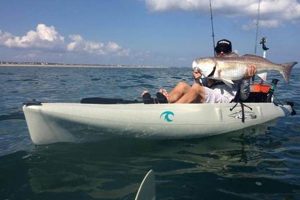
The pursuit of finned quarry from small, human-powered vessels in the coastal waters near Pawleys Island, South Carolina, offers a unique blend of angling and watersports. This activity allows close-to-the-water access to the diverse estuarine and nearshore environments surrounding this popular coastal destination.
This style of fishing provides several advantages. Anglers can navigate shallow creeks, marshes, and inlets inaccessible to larger boats, leading to encounters with a wider variety of species. The quiet operation of a kayak also reduces disturbance to fish, enhancing the chances of a successful catch. The region’s historically significant role in both fishing and small boat navigation underscores the enduring appeal of this approach. The calm, protected waters surrounding Pawleys Island make it an ideal location for both novice and experienced kayak anglers.
Further exploration of this topic will cover appropriate equipment selection, including kayak types, rods, reels, and tackle; suitable fishing locations; commonly targeted species; licensing and regulations; safety precautions; and responsible angling practices relevant to this specific location.
Tips for Kayak Fishing near Pawleys Island, South Carolina
Successful angling from a kayak in the waters surrounding Pawleys Island requires preparation and adherence to best practices. The following tips offer guidance for a safe and productive fishing experience.
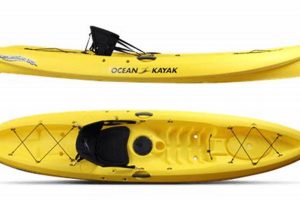
Tip 1: Choose the Right Kayak: Kayak selection depends on fishing style and the targeted environment. Sit-on-top kayaks offer stability and ease of re-entry in case of capsize, while sit-inside kayaks provide better protection from the elements but require more experience to manage. Pedal-driven kayaks allow hands-free fishing but can be less maneuverable in tight spaces.
Tip 2: Essential Safety Gear: A personal flotation device (PFD) is mandatory and should be worn at all times. A whistle, signaling mirror, and communication device (waterproof VHF radio or cell phone in a waterproof case) are crucial for emergencies. Navigation lights are necessary for low-light conditions.
Tip 3: Tackle and Equipment: Rod and reel selection should match the target species. Shorter rods (6-7 feet) are preferable in a kayak’s confined space. Tackle should include a variety of lures and baits appropriate for the local fish species.
Tip 4: Tides and Currents: Understanding tidal fluctuations and currents is vital for successful fishing and safe navigation. Consulting tide charts and local current information is recommended before embarking on a fishing trip.
Tip 5: Weather Awareness: Checking weather forecasts before launching is essential. Avoid fishing during storms, high winds, or lightning. Sudden weather changes can create hazardous conditions on the water.
Tip 6: Respect Wildlife and the Environment: Practice catch-and-release whenever possible. Properly dispose of fishing line and other waste to protect the local ecosystem. Maintain a safe distance from wildlife and avoid disturbing nesting areas.
Tip 7: Navigation and Local Regulations: Familiarize oneself with local waterway markers, no-wake zones, and restricted areas. Obtain any necessary fishing licenses and be aware of size and catch limits for targeted species.
Adhering to these guidelines will contribute to a productive and enjoyable fishing experience while prioritizing safety and environmental responsibility.
The following section will provide concluding remarks and resources for further information.
1. Quiet Water Access

Quiet water access represents a cornerstone of the kayak fishing experience near Pawleys Island, South Carolina. The shallow creeks, marshes, and inlets characteristic of this coastal region offer an abundance of productive fishing grounds often inaccessible to larger, motorized vessels. Kayaks, propelled by human power, navigate these tranquil waters with minimal disturbance, a significant advantage when pursuing fish easily spooked by noise and commotion. This quiet approach allows anglers to get closer to their target species, increasing the chances of a successful hookup. For example, redfish tailing in shallow flats or speckled trout lurking beneath overhanging vegetation can be approached stealthily in a kayak, offering a fishing experience unavailable from a powerboat.
The relative quiet of kayak fishing enhances the overall experience beyond simply improving catch rates. The serenity of paddling through undisturbed waters, surrounded by the natural sounds of the coastal environment, contributes to a more immersive and enjoyable outing. This tranquil setting allows anglers to better observe wildlife, appreciate the subtle beauty of the ecosystem, and connect more deeply with the natural world. The absence of engine noise also allows for improved communication amongst anglers and heightened awareness of surrounding activity, both crucial for safety and successful fishing.
In conclusion, quiet water access distinguishes kayak fishing near Pawleys Island. This advantage not only increases fishing success by allowing close, undisturbed approaches to fish but also enhances the overall angling experience by promoting a deeper connection with the natural environment. Understanding the importance of this quiet approach underscores the appeal and effectiveness of this fishing style in the unique coastal setting of Pawleys Island.
2. Diverse Inshore Fishery

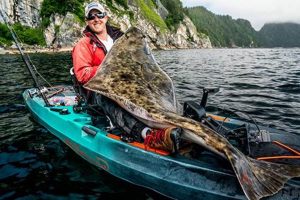
The diverse inshore fishery surrounding Pawleys Island, South Carolina, significantly contributes to the appeal of kayak fishing in the region. Estuarine environments, including salt marshes, tidal creeks, and inlets, provide habitat for a wide variety of game fish. This diversity allows anglers to target multiple species within a single outing, enhancing the overall fishing experience. The shallow-water access afforded by kayaks proves particularly advantageous in these environments, allowing anglers to reach areas inaccessible to larger boats and exploit the full potential of this rich ecosystem. For example, pursuing redfish in shallow grass flats during high tide or targeting flounder in deeper channels during low tide becomes feasible and productive from a kayak.
This diverse fishery comprises species such as redfish, speckled trout, flounder, black drum, and sheepshead, each presenting unique challenges and requiring specific angling techniques. This variety adds complexity and excitement to kayak fishing, demanding adaptability and knowledge of fish behavior. Anglers must consider factors like tidal influence, water temperature, and bait preference to maximize their chances of success. Furthermore, the opportunity to encounter different species throughout the year ensures continued interest and provides a dynamic angling experience across seasons.
Understanding the composition and dynamics of this diverse inshore fishery enhances the overall effectiveness and enjoyment of kayak fishing near Pawleys Island. Knowledge of habitat preferences, feeding patterns, and seasonal movements of target species enables anglers to select appropriate tackle, fishing locations, and strategies. This understanding translates to increased catch rates and a deeper appreciation for the ecological richness of the area. Recognizing the value of this diverse fishery reinforces the importance of conservation efforts and responsible angling practices to preserve this valuable resource for future generations.
3. Specialized Kayak Selection

Specialized kayak selection plays a crucial role in successful kayak fishing near Pawleys Island, South Carolina. The diverse fishing environments, ranging from calm estuaries to open ocean waters, demand careful consideration of kayak design and features. Stability, maneuverability, and storage capacity represent key factors influencing kayak choice. For example, a stable, sit-on-top kayak proves ideal for fishing in the shallow, often choppy waters of the inlets, while a longer, more streamlined sit-inside kayak might be preferred for paddling longer distances in open water or navigating strong currents. Furthermore, incorporating features like rod holders, tackle storage compartments, and anchor trolleys enhances fishing efficiency and overall enjoyment.
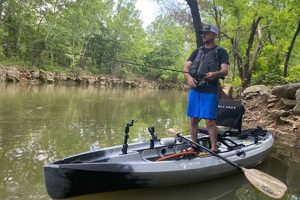
Matching kayak selection to the specific fishing environment and target species significantly impacts success. Navigating tight creeks and marshes requires a highly maneuverable kayak, preferably one with a shorter hull and a shallow draft. Conversely, fishing offshore for larger species necessitates a stable, ocean-worthy kayak capable of handling rougher conditions and providing ample storage for larger tackle and potential catches. Understanding the interplay between kayak design and the intended fishing environment optimizes both safety and effectiveness. Choosing a kayak equipped with features like rudder systems or pedal drives offers additional advantages, enabling hands-free fishing and enhanced maneuverability in challenging conditions, particularly in windy areas or strong currents. For instance, a pedal-driven kayak allows anglers to maintain position and fish effectively in moving water without constantly paddling.
In conclusion, specialized kayak selection significantly influences the overall kayak fishing experience near Pawleys Island. Careful consideration of factors such as stability, maneuverability, storage capacity, and specialized features ensures anglers choose a vessel suited to the specific demands of the chosen fishing environment and target species. This specialized approach optimizes fishing effectiveness, enhances safety, and contributes to a more enjoyable and productive angling experience. Failure to select an appropriate kayak can lead to compromised stability, reduced fishing efficiency, and potentially hazardous situations, particularly in challenging conditions. Therefore, understanding the importance of specialized kayak selection remains paramount for successful and safe kayak fishing in this dynamic coastal region.
4. Essential Safety Equipment

Essential safety equipment forms a critical component of kayak fishing near Pawleys Island, South Carolina. The coastal environment presents inherent risks, including changing weather conditions, strong currents, and potential encounters with motorized vessels. Carrying appropriate safety gear mitigates these risks, ensuring angler well-being and facilitating a safe return. A personal flotation device (PFD), for example, provides essential buoyancy in the event of capsize, a crucial safeguard, especially in colder waters. A communication device, such as a VHF radio or a waterproofed cell phone, enables contact with emergency services or other boaters if assistance is required. Consider a situation where an angler experiences equipment failure or encounters unexpected adverse weather; a communication device becomes vital for summoning help.
Further safety considerations extend beyond basic communication and flotation. Navigation lights are essential for low-light conditions, increasing visibility to other boaters and preventing collisions. A signaling device, such as a whistle or a mirror, aids in attracting attention in emergency situations. Carrying a first-aid kit addresses minor injuries that may occur while fishing. A basic kit should contain antiseptic wipes, bandages, pain relievers, and any personal medications. Understanding and checking local weather forecasts prior to embarking on a fishing trip allows anglers to anticipate potentially hazardous conditions and make informed decisions about whether to launch. For example, strong winds and thunderstorms pose significant risks to kayakers, especially in exposed areas.
In conclusion, essential safety equipment is not merely a recommendation but a fundamental requirement for responsible kayak fishing near Pawleys Island. Prioritizing safety through appropriate gear selection and preparation mitigates inherent risks associated with the coastal environment, ensuring angler well-being and fostering a positive fishing experience. Failure to carry and utilize necessary safety equipment can have severe consequences, potentially leading to injury or even loss of life. Therefore, a comprehensive understanding of safety requirements and diligent adherence to safety practices remain paramount for responsible enjoyment of this popular recreational activity.
5. Local Fishing Regulations
Adherence to local fishing regulations constitutes a critical aspect of responsible kayak fishing near Pawleys Island, South Carolina. Regulations established by the South Carolina Department of Natural Resources (SCDNR) govern fishing activities within the state’s waters, aiming to ensure sustainable fish populations and protect the delicate balance of the coastal ecosystem. Understanding and complying with these regulations is not merely a legal obligation but also a demonstration of respect for the environment and a commitment to preserving this valuable resource for future generations. Ignorance of these regulations offers no exemption from penalties, underscoring the importance of proactive education and responsible angling practices.
- Licensing Requirements
Obtaining the appropriate fishing license is a prerequisite for all anglers, regardless of fishing method or target species. Different license types exist, catering to residents, non-residents, and specific durations of validity. Fishing without a valid license can result in fines and potential legal repercussions. Specific regulations apply to saltwater fishing in the coastal waters surrounding Pawleys Island. Information regarding license types, fees, and purchasing options can be found on the SCDNR website or at authorized license vendors.
- Size and Catch Limits
Size and catch limits exist for many fish species inhabiting the waters near Pawleys Island. These regulations stipulate the minimum and maximum sizes of fish that can be legally kept, as well as the daily catch limit per angler. These restrictions aim to protect breeding populations and maintain healthy fish stocks. For example, redfish have specific slot size limits, allowing anglers to keep fish within a certain size range while protecting larger, breeding-sized individuals. Detailed information on size and catch limits for various species is available in the SCDNR fishing regulations guide, updated annually.
- Closed Seasons and Restricted Areas
Certain fish species may have closed seasons or restricted areas designed to protect vulnerable populations during spawning periods or in critical habitats. These closures vary by species and location, highlighting the importance of consulting current regulations before fishing. For example, certain areas may be closed to shellfish harvesting during specific times of the year to allow populations to recover. Ignoring these closures can lead to significant penalties, including fines and revocation of fishing privileges.
- Methods and Gear Restrictions
Specific regulations may govern fishing methods and gear allowed in certain areas. For example, some areas may prohibit the use of certain types of nets or fishing gear, while others may have restrictions on the number of hooks or lines permitted. These regulations aim to prevent overfishing and minimize the impact on non-target species. Understanding these gear restrictions is essential for responsible and legal kayak fishing. Specific regulations related to kayak fishing may also apply, such as requirements for displaying registration numbers or carrying specific safety equipment.
Complying with local fishing regulations when kayak fishing near Pawleys Island ensures the sustainability of the fishery and protects the ecological integrity of the region. Responsible angling practices, combined with a thorough understanding of current regulations, contribute to a positive fishing experience while preserving this valuable resource for future generations. Disregarding these regulations jeopardizes the health of fish populations, undermines conservation efforts, and exposes anglers to potential legal consequences. Therefore, prioritizing regulatory compliance remains essential for ethical and sustainable kayak fishing in this unique coastal environment.
6. Respectful Angling Practices
Respectful angling practices are integral to the sustainability of kayak fishing near Pawleys Island, South Carolina. The shallow-water ecosystems accessed by kayak anglers possess inherent vulnerability to human impact. Minimizing this impact through mindful fishing practices ensures the long-term health of these environments and the continuation of healthy fish populations. These practices encompass catch-and-release fishing, proper handling techniques, minimizing habitat disturbance, and adherence to leave-no-trace principles. For example, employing barbless hooks reduces injury to fish during release, increasing their chances of survival. Using appropriate fishing line strength prevents prolonged fights that can exhaust and potentially harm fish. These practices promote the health of individual fish and contribute to the overall well-being of the local fish population.
Kayak fishing’s close-to-nature approach amplifies the importance of respectful angling. The quiet operation of kayaks allows access to sensitive areas within the ecosystem, increasing the potential for unintended disturbance. Careful kayak placement avoids damage to submerged vegetation and sensitive habitats like oyster beds, which serve as crucial nurseries for many fish species. Retrieving lost tackle minimizes environmental pollution and prevents entanglement of wildlife. Proper disposal of all fishing line and other waste materials prevents habitat degradation and maintains the aesthetic integrity of the area. Respectful angling practices extend beyond direct interaction with fish to encompass the entire ecosystem. Minimizing the overall human footprint preserves the natural balance of the environment, enabling continued enjoyment of kayak fishing for future generations.
In summary, respectful angling practices constitute a cornerstone of sustainable kayak fishing near Pawleys Island. These practices directly impact the health of fish populations and the long-term ecological integrity of the region’s sensitive coastal ecosystems. The quiet, close-to-nature approach afforded by kayak fishing demands heightened awareness and responsible behavior from anglers. Embracing these practices demonstrates a commitment to conservation and ensures the continued viability of this popular recreational activity for years to come. The future of kayak fishing near Pawleys Island depends on anglers prioritizing respectful interactions with the environment, recognizing the interconnectedness of human actions and ecological health.
Frequently Asked Questions
This section addresses common inquiries regarding kayak fishing near Pawleys Island, South Carolina. Clear and accurate information assists anglers in making informed decisions, promoting safety and responsible angling practices.
Question 1: What are the primary target species for kayak anglers near Pawleys Island?
Redfish, speckled trout, flounder, black drum, and sheepshead represent common targets. Species availability varies seasonally.
Question 2: Are there specific license requirements for kayak fishing in this area?
A valid South Carolina saltwater fishing license is required for anyone 16 years of age or older. Short-term and annual licenses are available.
Question 3: What safety equipment is essential for kayak fishing around Pawleys Island?
Essential safety equipment includes a personal flotation device (PFD), a whistle, a signaling device (mirror or flare), a communication device (VHF radio or waterproofed cell phone), and navigation lights if fishing during low-light conditions. A first-aid kit and appropriate clothing for prevailing weather conditions are also recommended.
Question 4: Where can information regarding tides and currents be obtained?
Tide charts and current information are available online through various sources, including the National Oceanic and Atmospheric Administration (NOAA) website and local marine forecast providers. Local bait and tackle shops often provide current tide information as well.
Question 5: Are there any specific regulations regarding fishing locations or methods near Pawleys Island?
Specific regulations may apply to certain areas, including closures during specific seasons or restrictions on fishing methods. Consulting the South Carolina Department of Natural Resources (SCDNR) regulations ensures compliance.
Question 6: What resources are available for learning more about kayak fishing in this area?
Local kayak fishing guides and outfitters offer expertise and guided tours. The SCDNR website provides comprehensive information regarding fishing regulations, licensing, and best practices. Local bait and tackle shops often offer valuable advice and insights into current fishing conditions and effective techniques.
Careful consideration of these frequently asked questions promotes safe and responsible kayak fishing practices near Pawleys Island. Preparedness ensures a more enjoyable and productive angling experience while contributing to the long-term health of the local ecosystem.
The next section offers concluding thoughts and recommendations.
Kayak Fishing Pawleys Island, SC
Exploration of kayak fishing near Pawleys Island, South Carolina, reveals a rewarding pursuit demanding careful consideration of several factors. Quiet water access provides unique angling opportunities within diverse inshore ecosystems. Specialized kayak selection optimizes performance and safety. Adherence to safety regulations and responsible angling practices ensures both angler well-being and environmental protection. Understanding local fishing regulations remains paramount for legal compliance and resource sustainability. These elements collectively contribute to a successful and fulfilling kayak fishing experience.
The future of kayak fishing near Pawleys Island hinges on continued respect for the environment and responsible resource management. Anglers bear a collective responsibility to minimize environmental impact, adhere to regulations, and promote sustainable fishing practices. Through informed decision-making and mindful engagement with the natural environment, this unique coastal angling experience can be preserved for generations to come. The enduring appeal of kayak fishing near Pawleys Island lies not solely in the pursuit of fish, but in the profound connection it fosters with the natural world.