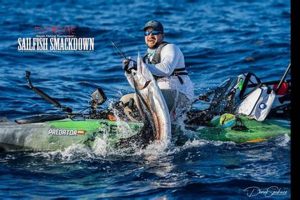
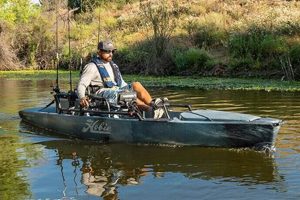
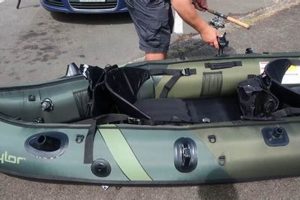
This activity involves angling from a small, human-powered watercraft in the waters surrounding Oahu, Hawaii. It offers a unique blend of angling and paddling, allowing access to shallow-water areas often unreachable by larger boats. Imagine casting a line near a secluded cove, surrounded by volcanic cliffs and vibrant coral reefs. This exemplifies the distinctive experience.
Combining physical activity with the tranquility of being on the water, this pursuit provides both exercise and stress relief. The method offers anglers a stealthy approach, increasing the likelihood of successful catches. Historically, Hawaiians utilized outrigger canoes for fishing, demonstrating a long-standing cultural connection between the islands and the ocean. This modern approach honors that heritage while employing contemporary equipment. It contributes to the local economy through tourism and supports conservation efforts by promoting responsible use of marine resources.
The following sections will explore key aspects of this pastime, including choosing appropriate equipment, identifying prime fishing locations around the island, understanding local regulations and safety guidelines, and highlighting the diverse marine life anglers can expect to encounter.
Tips for a Successful Oahu Kayak Fishing Excursion
Preparation and knowledge are crucial for a safe and productive experience. The following tips offer valuable insights for anglers.
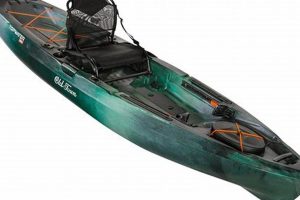
Tip 1: Choose the Right Kayak. Stability and storage capacity are key considerations. A sit-on-top kayak is generally preferred for its self-bailing capabilities and ease of re-entry after a water landing. Adequate storage for tackle, safety gear, and potential catches is essential.
Tip 2: Research Fishing Locations. Oahu offers diverse fishing grounds, from calm bays to more exposed offshore areas. Understanding the target species and prevailing conditions will help determine the optimal location. Consulting local fishing reports and charts is recommended.
Tip 3: Prioritize Safety. Wearing a personal flotation device (PFD) is paramount. Carrying a VHF radio, a signaling device, and a first-aid kit is also crucial. Checking weather forecasts before embarking and informing someone of the planned fishing route enhances safety.
Tip 4: Understand Local Regulations. Familiarization with licensing requirements, size and bag limits, and any specific area closures is mandatory. This ensures compliance with local laws and promotes sustainable fishing practices.
Tip 5: Employ Proper Fishing Techniques. Selecting appropriate tackle and bait for target species increases the chances of success. Knowledge of local fish behavior and feeding patterns is advantageous. Utilizing appropriate anchoring techniques minimizes disturbance to the marine environment.
Tip 6: Respect the Environment. Practicing catch-and-release whenever possible helps preserve fish populations. Proper disposal of fishing line and other waste materials minimizes environmental impact. Respecting coral reefs and other sensitive marine habitats is crucial for their preservation.
Tip 7: Hire a Guide (Optional). For those unfamiliar with local waters or seeking expert guidance, hiring a local guide can significantly enhance the fishing experience. Guides offer valuable insights into fishing locations, techniques, and local regulations.
By adhering to these guidelines, individuals can maximize their chances of a successful and enjoyable outing while contributing to the preservation of Oahu’s marine ecosystem.
Concluding remarks on the overall topic will follow.
1. Ocean Conditions
Ocean conditions significantly influence the safety and success of kayak fishing around Oahu. Understanding and respecting these conditions is paramount for a positive experience. This section details key facets impacting anglers.
- Swell and Wave Height
Swell, generated by distant weather systems, and local wind waves directly impact kayak stability. Larger swells and waves present challenges for navigation and angler safety, particularly for less experienced kayakers. Strong swells can also create unpredictable currents near shore. Choosing locations sheltered from prevailing swell and wind directions is advisable, especially for beginners. Monitoring marine forecasts before venturing out is crucial.
- Wind Speed and Direction
Wind influences kayak drift and paddling effort. Strong winds can make paddling challenging, especially when returning to shore. Offshore winds, while potentially creating calmer nearshore conditions, pose the risk of drifting further out to sea. Checking wind forecasts and understanding how wind interacts with local topography is essential. Carrying a sea anchor or drift chute can provide additional control in windy conditions.
- Currents and Tides
Ocean currents, influenced by tides, wind, and bathymetry, can significantly impact kayak positioning. Strong currents can make paddling against the flow strenuous and create hazardous conditions near reefs or points. Understanding tidal patterns and how they influence currents is crucial for safe navigation. Consulting local tide charts and seeking advice from experienced kayakers can enhance safety.
- Water Visibility
Water visibility affects fish spotting and the effectiveness of certain fishing techniques. Clear water allows for sight fishing and targeting specific structures. Murky water may require different approaches, such as bottom fishing or trolling. Visibility can be influenced by rainfall, runoff, and plankton blooms. Checking recent reports or consulting local anglers can provide insights into current visibility conditions.
Careful consideration of these interconnected oceanographic factors is essential for a safe and productive kayak fishing trip. Neglecting these elements can lead to hazardous situations and diminish the overall fishing experience. Preparation and awareness contribute significantly to a successful outing in Oahu’s dynamic marine environment.
2. Kayak Selection

Kayak selection significantly impacts the overall experience of kayak fishing in Oahu. Choosing the right vessel enhances safety, improves fishing effectiveness, and increases overall enjoyment. Several factors warrant careful consideration when selecting a kayak for use in Oahu’s waters. Stability is paramount, particularly in variable ocean conditions. Wider kayaks generally offer greater stability, reducing the likelihood of capsizing, especially when battling strong currents or landing a large fish. Maneuverability influences the ability to navigate tight spots, approach fish stealthily, and respond to changing conditions. Shorter kayaks tend to be more maneuverable, while longer kayaks track better in open water. Storage capacity is crucial for carrying fishing gear, safety equipment, and potential catches. Kayaks with dedicated storage compartments or ample deck space offer convenience and organization. Material construction impacts durability, weight, and performance. Polyethylene kayaks offer excellent durability and impact resistance, while composite kayaks are lighter and provide enhanced speed and efficiency.
Consider, for example, fishing the shallow reefs off Kailua. A shorter, sit-on-top kayak with good maneuverability allows anglers to navigate the coral heads effectively while remaining stable in the often-choppy conditions. Conversely, when targeting pelagic fish offshore of Waikiki, a longer, faster kayak with ample storage for larger tackle and potential catches becomes more suitable. Choosing a kayak without sufficient stability for the intended fishing location can lead to capsizing, equipment loss, and potential injury. Inadequate storage capacity restricts the amount of gear that can be carried, potentially limiting fishing effectiveness or compromising safety. Selecting a kayak constructed from a less durable material may result in damage from impacts with rocks or reefs.
Appropriate kayak selection is essential for a safe and successful kayak fishing experience in Oahu. Careful consideration of stability, maneuverability, storage capacity, and construction material, alongside the specific fishing location and target species, ensures the chosen vessel aligns with the angler’s needs and the prevailing conditions. This informed decision significantly contributes to a positive and productive outing on the water.
3. Target Species

Target species selection significantly influences equipment choices, fishing techniques, and location selection in Oahu kayak fishing. Each species exhibits distinct behaviors and habitat preferences, necessitating specific approaches for successful capture. Understanding these nuances is crucial for maximizing fishing success and minimizing environmental impact. Consider, for example, the bonefish, a prized gamefish inhabiting Oahu’s shallow flats. Its elusive nature and preference for clear, shallow water dictate the use of lightweight tackle, stealthy approaches, and careful consideration of tidal movements. Conversely, targeting pelagic species like tuna or mahi-mahi requires heavier tackle, trolling techniques, and venturing further offshore. This necessitates a kayak equipped for open-water conditions and capable of handling larger fish.
Matching fishing techniques to target species is crucial. Bonefish often require sight fishing with small lures or flies, demanding precise casts and delicate presentations. Pelagic species, on the other hand, may respond better to trolling lures or live bait. Location choice also plays a pivotal role. Bonefish frequent shallow sand flats and reef edges, while pelagic species roam deeper offshore waters. Understanding these habitat preferences allows anglers to focus their efforts and increase their chances of success. Furthermore, adhering to species-specific regulations, such as size and bag limits, ensures sustainable fishing practices and contributes to the long-term health of Oahu’s fisheries.
Effective target species selection requires careful consideration of various factors. Matching tackle, techniques, and location to the chosen species maximizes fishing success while promoting ethical and sustainable fishing practices. This knowledge-based approach not only enhances the angling experience but also contributes to the preservation of Oahu’s diverse marine ecosystem. Failure to consider target species characteristics can lead to ineffective fishing techniques, missed opportunities, and potential harm to non-target species. A thorough understanding of the target species’ behavior and habitat enhances the overall fishing experience and reinforces responsible angling practices within Oahu’s unique marine environment.
4. Safety Equipment

Safety equipment plays a crucial role in mitigating risks inherent to kayak fishing in Oahu. The ocean environment presents unpredictable conditions, including changing weather patterns, strong currents, and potential interactions with marine life. Appropriate safety equipment empowers anglers to respond effectively to unforeseen circumstances and enhances overall safety. A personal flotation device (PFD), for example, provides essential buoyancy in the event of a capsize, a common occurrence, especially in rough conditions or when landing a large fish. A VHF radio enables communication with emergency services or other vessels should assistance be required due to equipment failure, injury, or disorientation. A first-aid kit allows for immediate treatment of minor injuries, such as hook punctures or cuts, minimizing the risk of infection or further complications.
Consider a scenario where an angler encounters unexpected strong currents while fishing near the Mokulua Islands. A PFD ensures the angler remains afloat if the kayak capsizes. The VHF radio facilitates communication with the Coast Guard or nearby vessels to request assistance. The first-aid kit allows for immediate treatment of any injuries sustained during the capsize. Without these essential safety items, the angler’s situation could quickly escalate into a life-threatening emergency. Carrying a signaling device, such as a flare or whistle, further enhances the ability to attract attention and expedite rescue efforts in such situations.
Prioritizing safety equipment demonstrates a commitment to responsible angling practices. It underscores the importance of preparedness and self-reliance in Oahu’s dynamic marine environment. Regular equipment checks, including ensuring proper PFD fit and VHF radio functionality, are essential. Understanding how to use each piece of safety equipment effectively is crucial for maximizing its benefit in an emergency. Integrating safety considerations into every aspect of kayak fishing ensures a more secure and enjoyable experience, contributing to the preservation of life and promoting responsible use of Oahu’s coastal resources.
5. Fishing Regulations
Fishing regulations are integral to sustainable kayak fishing practices in Oahu. These regulations, established by the State of Hawaii’s Division of Aquatic Resources (DAR), aim to conserve fish populations, protect sensitive marine ecosystems, and ensure equitable access to resources. They encompass various aspects, including size and bag limits, seasonal closures, gear restrictions, and licensing requirements. Adherence to these regulations is not only a legal obligation but also a demonstration of responsible angling practices. For instance, observing size limits allows fish to reach maturity and reproduce, contributing to the long-term health of the population. Respecting seasonal closures protects vulnerable species during critical periods, such as spawning seasons. These measures collectively contribute to the preservation of Oahu’s diverse marine biodiversity.
Ignoring fishing regulations can have significant consequences. Overfishing can deplete fish stocks, impacting ecosystem balance and potentially leading to the collapse of local fisheries. Disregarding gear restrictions, such as prohibitions on certain types of nets or fishing methods, can lead to unintended bycatch and damage sensitive habitats like coral reefs. Violations can result in fines, confiscation of equipment, and even revocation of fishing privileges. For example, exceeding the bag limit for ulua (giant trevally), a prized gamefish, can result in substantial penalties and contribute to the decline of this culturally important species. Understanding and complying with these regulations is essential for preserving Oahu’s marine resources for future generations.
Knowledge of current fishing regulations is crucial for all anglers, including those engaging in kayak fishing. Regulations can change periodically, necessitating regular updates from official sources like the DAR website or local fishing shops. Familiarization with these regulations prior to embarking on a fishing trip ensures compliance and contributes to sustainable fishing practices. This informed approach safeguards Oahu’s unique marine environment, ensuring its continued vitality and enjoyment for all. Ultimately, responsible angling practices, underpinned by adherence to fishing regulations, contribute to a healthier and more sustainable future for Oahu’s marine ecosystem.
6. Location Scouting
Location scouting is a critical precursor to successful kayak fishing around Oahu. The island’s diverse coastline, ranging from sheltered bays to exposed reefs, offers a wide array of fishing opportunities. However, these diverse environments also present varying challenges and rewards, necessitating careful consideration of location characteristics. Effective scouting contributes significantly to angler safety and increases the likelihood of successful catches. For example, exploring areas like Kaneohe Bay, known for its calm waters and abundant bonefish populations, requires a different approach than venturing off the North Shore, where strong currents and challenging conditions demand advanced kayaking skills. Scouting provides insights into these nuances, informing decisions related to kayak selection, fishing techniques, and safety precautions. It allows anglers to identify potential hazards, such as shallow reefs, strong currents, or areas with heavy boat traffic, enhancing safety and minimizing potential disruptions.
Utilizing resources like nautical charts, online fishing forums, and local knowledge enhances location scouting efforts. Charts provide detailed information on water depth, bottom contours, and potential hazards, allowing anglers to identify promising fishing spots and plan safe navigation routes. Online forums offer valuable insights into recent fishing activity, prevailing conditions, and species-specific information. Engaging with local fishing communities or hiring experienced guides can provide invaluable firsthand knowledge of productive areas and effective techniques. For instance, understanding the tidal influences within the Kaiwi Channel, separating Oahu from Molokai, can inform decisions about optimal fishing times and locations, potentially targeting pelagic species during specific tidal flows. Similarly, knowledge of local fish behavior and preferred habitats, such as the presence of papio (juvenile trevally) near rocky outcrops, can guide location selection and increase the likelihood of successful catches.
Thorough location scouting translates directly to enhanced fishing experiences and promotes responsible angling practices. By understanding the specific characteristics of a chosen fishing location, anglers can select appropriate tackle, employ effective techniques, and minimize their environmental impact. It allows for better preparation, reduces reliance on trial and error, and maximizes fishing time. Furthermore, informed location choices contribute to angler safety by minimizing exposure to hazardous conditions and promoting responsible use of Oahu’s marine resources. Ultimately, location scouting is an integral component of successful and sustainable kayak fishing in Oahu, enhancing both the angling experience and the long-term health of the marine ecosystem.
Frequently Asked Questions
This section addresses common inquiries regarding kayak fishing around Oahu, providing concise and informative responses to facilitate informed decision-making and enhance the overall angling experience.
Question 1: What are the licensing requirements for kayak fishing in Oahu?
A recreational fishing license is generally not required for non-commercial kayak fishing in Oahu’s state waters. However, it is essential to verify current regulations with the Hawaii Division of Aquatic Resources (DAR) as rules can change. Specific licenses or permits may be required for certain species or fishing methods.
Question 2: Where can suitable kayaks be rented or purchased on Oahu?
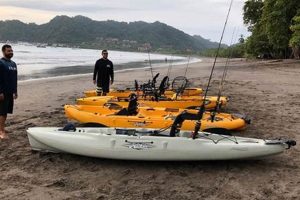
Several outfitters throughout Oahu offer kayak rentals suitable for fishing. Local sporting goods stores and specialized kayak shops provide a range of kayaks for purchase, catering to diverse needs and budgets. Researching options beforehand is recommended to ensure availability and secure suitable equipment.
Question 3: What essential safety precautions should one take when kayak fishing around Oahu?
Wearing a personal flotation device (PFD) is paramount. Carrying a VHF radio, signaling device, and first-aid kit is strongly advised. Checking weather forecasts and informing someone of the fishing plan enhances safety. Understanding local ocean conditions, including currents and tides, is crucial.
Question 4: What are the primary target species for kayak anglers in Oahu?
Oahu’s waters offer diverse fishing opportunities. Popular target species include bonefish, papio (juvenile trevally), ulua (giant trevally), and various reef fish. Pelagic species like tuna and mahi-mahi are also targeted further offshore. Species availability varies seasonally and with location.
Question 5: What are the typical costs associated with kayak fishing in Oahu?
Costs vary depending on whether one rents or owns a kayak. Rental fees typically range from $50 to $100 per day. Purchasing a kayak involves a larger upfront investment. Additional costs include fishing gear, bait, and optional expenses like guided tours or transportation.
Question 6: What are some recommended resources for obtaining information on local fishing conditions and regulations?
The Hawaii Division of Aquatic Resources (DAR) website provides official information on fishing regulations. Local fishing reports, online forums, and tackle shops offer insights into current fishing conditions and species activity. Engaging with experienced local anglers can provide valuable firsthand knowledge.
Understanding local regulations, prioritizing safety, and selecting appropriate equipment contribute significantly to a positive and productive kayak fishing experience. Thorough preparation ensures anglers can fully enjoy Oahu’s unique marine environment while respecting its delicate ecosystem.
Additional information regarding responsible fishing practices and conservation efforts will follow.
Kayak Fishing in Oahu
This exploration of kayak fishing in Oahu has highlighted the multifaceted nature of this popular pastime. From equipment selection and location scouting to safety considerations and regulatory compliance, various factors contribute to a successful and responsible angling experience. The discussion emphasized the importance of understanding ocean conditions, respecting target species’ behaviors, and prioritizing safety equipment. Adherence to local fishing regulations ensures the sustainability of Oahu’s diverse marine ecosystem, preserving its resources for future generations. The examination of location-specific considerations underscores the need for careful planning and preparation, enabling anglers to maximize their chances of success while minimizing environmental impact.
Kayak fishing in Oahu offers a unique opportunity to connect with the island’s rich marine environment. However, this privilege comes with a responsibility to practice ethical and sustainable angling. Continued education, respect for the ocean, and adherence to established guidelines will ensure the long-term viability of this rewarding pursuit. The future of kayak fishing in Oahu rests on the collective commitment to responsible practices, preserving the delicate balance of this unique ecosystem for generations to come. By embracing these principles, anglers contribute not only to their own enjoyment but also to the enduring health and vitality of Oahu’s coastal waters.