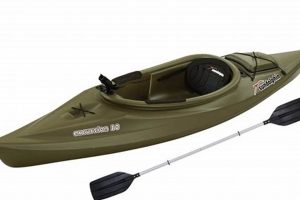
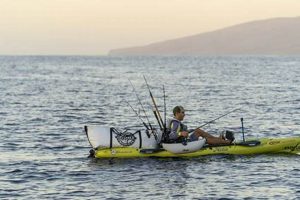
The pursuit of finned quarry from small, human-powered vessels within the estuarine environment of Murrells Inlet, South Carolina, offers a unique blend of sport and connection with nature. This method allows anglers to navigate shallow creeks, marshes, and inlets inaccessible to larger boats, providing an intimate experience with the diverse ecosystem.
Accessing these otherwise unreachable fishing grounds presents opportunities to target a variety of species, including redfish, flounder, speckled trout, and more. The quiet approach afforded by non-motorized watercraft can increase success rates, as fish are less likely to be disturbed. Historically, small boats have played a vital role in the local fishing culture, and the modern adaptation maintains this tradition while incorporating contemporary angling techniques and equipment. This sustainable approach to fishing also minimizes environmental impact.
Further exploration will cover topics such as optimal times and tides for this activity, recommended equipment, local regulations, and safety considerations. Anglers of all skill levels can benefit from understanding these aspects before venturing into the waters of Murrells Inlet.
Tips for Kayak Fishing in Murrells Inlet
Successful angling within the Murrells Inlet estuary from a kayak requires preparation and adherence to best practices. The following tips offer guidance for a safe and productive experience.
Tip 1: Check Tide Charts: Understanding tidal fluctuations is crucial. Incoming tides bring baitfish and larger predators, while outgoing tides concentrate fish in deeper channels. Consulting local tide charts before embarking is essential.
Tip 2: Utilize a Paddle Leash: A paddle leash prevents accidental loss of this essential tool, particularly in windy conditions or strong currents. This ensures continued maneuverability and safety.
Tip 3: Employ Appropriate Anchoring Techniques: A shallow-water anchor with ample rope allows for strategic positioning within the shallows and prevents drifting. Understanding anchoring techniques suitable for various bottom types is recommended.
Tip 4: Prioritize Safety Equipment: A personal flotation device (PFD) should always be worn. Carrying a whistle, signaling device, and communication tools enhances safety in case of emergencies. A first-aid kit should also be included.
Tip 5: Respect Local Regulations: Familiarization with South Carolina fishing regulations, including licensing requirements, catch limits, and size restrictions, ensures compliance and contributes to conservation efforts.
Tip 6: Plan for Weather Conditions: Checking weather forecasts before departure is paramount. Avoid venturing out in thunderstorms, high winds, or other adverse conditions. Be prepared for changing weather patterns.
Tip 7: Practice Catch and Release Techniques: Proper handling and release techniques minimize stress on caught fish and promote healthy fish populations. Using appropriate hooks and dehooking tools aids in this process.
Adhering to these guidelines enhances the likelihood of a productive and enjoyable experience while promoting responsible angling practices. Careful planning and attention to detail contribute significantly to success on the water.
By considering these tips and adapting them to individual needs, anglers can maximize their chances of success and contribute to the preservation of this valuable natural resource.
1. Tidal Currents

Tidal currents exert a significant influence on kayak fishing within Murrells Inlet. Understanding their patterns and effects is crucial for successful angling. These currents dictate fish movement, baitfish concentrations, and optimal fishing locations within the complex estuarine system.
- Current Strength and Direction
Current strength varies throughout the tidal cycle, influencing kayak positioning and lure presentation. Strong currents may require heavier tackle or anchoring. Direction of flow determines the drift and ideal casting angles. For example, fishing near creek mouths during an outgoing tide can concentrate fish as they move towards deeper water.
- Impact on Fish Behavior
Tidal currents transport baitfish and nutrients, impacting predator behavior. Fish often concentrate in areas where currents create eddies or structure, providing ambush points. Recognizing these feeding patterns is vital for successful fishing. For instance, speckled trout often hold near oyster beds during incoming tides as baitfish are swept over the structure.
- Navigational Considerations
Kayak anglers must account for currents when planning routes and navigating shallow areas. Paddling against strong currents can be challenging and requires careful planning. Understanding tidal flow assists in choosing efficient routes and avoids becoming stranded. This is particularly relevant in the narrow creeks of Murrells Inlet.
- Safety Implications
Strong currents pose safety risks for kayakers, especially in confined areas or during changes in tide. Sudden shifts in current can create challenging conditions. Awareness of potential hazards and appropriate safety precautions, such as wearing a PFD and carrying communication devices, are essential. These considerations are especially critical near inlets and during periods of swift tidal exchange.
By understanding these facets of tidal currents, kayak anglers can enhance their fishing success in Murrells Inlet while ensuring a safe and enjoyable experience. Integrating this knowledge with other factors such as species-specific behavior and lure selection optimizes results and promotes responsible angling practices within the dynamic estuarine environment.
2. Kayak Stability
Kayak stability plays a crucial role in successful fishing within the dynamic environment of Murrells Inlet. A stable platform enhances angler performance and safety, allowing for effective casting, fish fighting, and maneuvering within the estuary’s currents and shallows. Understanding the factors influencing stability and selecting an appropriate kayak design are essential for a productive and enjoyable experience.
- Hull Design and Stability
Different hull designs offer varying degrees of stability. Wider, flatter hulls provide primary stability, resisting initial tipping, which is beneficial for calmer waters and sight casting. Longer, narrower hulls offer secondary stability, recovering from larger leans, advantageous in rougher conditions or when battling larger fish. The choice depends on the targeted fishing locations within Murrells Inlet, ranging from calm creeks to more exposed areas near the inlet itself.
- Impact of Weight Distribution
Proper weight distribution significantly influences kayak stability. Evenly distributing gear and maintaining a low center of gravity minimizes the risk of capsizing. Correct placement of fishing equipment, tackle boxes, and other items enhances balance and maneuverability. This is especially important when navigating shallow areas or dealing with currents within Murrells Inlet.
- Influence of Water Conditions
Water conditions such as wind, waves, and currents directly impact kayak stability. Strong winds and choppy waters require kayaks with greater stability. Currents can create unstable conditions, especially when transitioning between different depths or navigating around structure. Choosing a kayak suited to the expected conditions in Murrells Inlet ensures a safer and more manageable experience.
- Stability Considerations for Angling Activities
Specific angling activities influence stability requirements. Standing for sight casting demands a highly stable platform, while seated fishing allows for greater flexibility in kayak choice. Fighting larger fish can destabilize a kayak, necessitating a design that can handle the added stress. Understanding the intended fishing style within Murrells Inlet helps determine the appropriate level of stability required.
Selecting a kayak with appropriate stability characteristics for the specific conditions and fishing style within Murrells Inlet significantly impacts success and safety. By considering hull design, weight distribution, water conditions, and intended fishing activities, anglers can optimize their experience and enjoy the diverse fishing opportunities this estuary offers.
3. Targeted Species

The diverse fish populations within Murrells Inlet present kayak anglers with a variety of targeted species. Understanding the habits and preferred habitats of these species is crucial for successful angling. This knowledge informs tackle choices, fishing locations, and techniques employed to maximize catch rates and contribute to a rewarding fishing experience.
- Redfish (Sciaenops ocellatus)
Redfish, a popular target, inhabit shallow grassy flats, oyster beds, and creeks within the estuary. Their copper-red coloration and distinctive black spot near the tail make them readily identifiable. They are opportunistic feeders, consuming crustaceans, small fish, and mollusks. Kayak anglers often target them using artificial lures or live bait presented near structure or in shallow water.
- Flounder (Paralichthys lethostigma)
Flounder, known for their flat, camouflaged bodies, inhabit sandy or muddy bottoms. They are ambush predators, lying in wait for unsuspecting prey. Kayak anglers often target them using jigs, live bait, or artificial lures retrieved slowly along the bottom. Their preference for shallower waters makes them accessible from kayaks.
- Speckled Trout (Cynoscion nebulosus)
Speckled trout favor grassy areas, oyster reefs, and deeper channels within Murrells Inlet. They are known for their aggressive strikes and acrobatic fights. Kayak anglers commonly use topwater lures, soft plastics, or live bait to target them. Their presence near structure makes them an ideal target for kayak anglers.
- Black Drum (Pogonias cromis)
Black drum inhabit deeper channels and oyster beds, often found near inlets and bridges. They are bottom feeders, consuming crustaceans and mollusks. Kayak anglers often target them using heavy tackle and bait presented on or near the bottom. Their size and powerful runs provide a challenging angling experience.
By understanding the specific characteristics and habitat preferences of these targeted species, kayak anglers can tailor their approach for increased success within Murrells Inlet. This targeted approach, combined with the maneuverability and stealth offered by kayaks, provides a unique and rewarding fishing experience within this diverse estuarine environment.
4. Essential Gear
Appropriate gear selection significantly impacts the safety and success of kayak fishing within the Murrells Inlet estuary. The unique demands of this environment necessitate specialized equipment to address the challenges and opportunities presented. Careful consideration of these essential items ensures preparedness, enhances angling effectiveness, and promotes a secure and enjoyable experience.
- Paddle and Leash
A kayak paddle, appropriately sized for the angler and kayak, provides essential propulsion and maneuverability within the often shallow and winding waterways of Murrells Inlet. A leash secures the paddle, preventing loss in the event of a capsize or unexpected drop. The currents and winds within the inlet necessitate reliable and efficient paddling for both navigation and fishing.
- Personal Flotation Device (PFD)
A properly fitted PFD is a non-negotiable safety requirement for kayak fishing. It provides essential buoyancy in the event of an accident or capsize, significantly increasing chances of survival. The dynamic nature of Murrells Inlet, with its changing tides and currents, underscores the importance of this safety precaution.
- Fishing Tackle and Equipment
Rods, reels, lines, lures, and bait tailored to the targeted species within Murrells Inlet optimize fishing effectiveness. Species-specific tackle considerations, such as lighter setups for speckled trout or heavier gear for redfish, enhance angling success. A well-organized tackle system facilitates quick and efficient lure changes, maximizing fishing time.
- Safety and Navigation Equipment
Essential safety and navigation equipment includes a whistle, signaling device, waterproof communication device, and a first-aid kit. These items provide crucial resources in case of emergencies, allowing for communication and assistance if needed. The remote nature of some areas within Murrells Inlet emphasizes the importance of these safety precautions.
Careful selection and proper utilization of this essential gear contribute significantly to a safe and productive kayak fishing experience within Murrells Inlet. By prioritizing safety and preparedness, anglers can focus on enjoying the diverse fishing opportunities and natural beauty of this unique estuarine environment.
5. Access Points

Convenient access points are crucial for kayak fishing within the complex network of creeks, marshes, and inlets comprising Murrells Inlet, South Carolina. These access points facilitate safe and efficient launching and retrieval of kayaks, directly impacting the overall fishing experience. Strategic selection of launch sites allows anglers to reach desired fishing grounds while minimizing transit time and maximizing time on the water. Factors such as parking availability, tidal influence, and proximity to target species habitats influence access point selection. For example, Huntington Beach State Park provides convenient access to both open saltwater areas and the calmer waters of the salt marsh, catering to diverse fishing preferences. Similarly, public boat ramps located along the Waccamaw River offer access to upstream freshwater fishing opportunities.
The type of access point also influences the kayak fishing experience. Dedicated kayak launches often feature shallow inclines and calm water entry points, simplifying the launching process. Public boat ramps, while sometimes suitable, may necessitate greater caution due to higher traffic from larger vessels. Beach launches require careful assessment of surf conditions and necessitate experience with navigating breaking waves. Understanding these nuances allows anglers to select access points aligned with their skill levels and kayak types. For instance, beginners might prefer the sheltered launch at Brookgreen Gardens, while experienced anglers could opt for a beach launch near the inlet for access to nearshore fishing grounds.
Selecting appropriate access points is integral to a successful kayak fishing trip within Murrells Inlet. Careful consideration of factors such as tidal influence, parking availability, proximity to target species, and launch site characteristics optimizes the fishing experience and ensures safety. Leveraging readily available resources like online maps, local fishing reports, and tide charts empowers informed decision-making, contributing to a productive and enjoyable outing on the water.
6. Safety Precautions
Safeguarding against potential hazards is paramount for kayak fishing within the dynamic environment of Murrells Inlet. The confluence of tidal currents, varying weather conditions, and potential interactions with motorized vessels necessitates a proactive approach to risk mitigation. Implementing appropriate safety precautions ensures angler well-being and contributes to an enjoyable and productive fishing experience.
- Personal Flotation Device (PFD)
A properly fitted PFD is essential. In the event of capsizing or accidental immersion, a PFD provides crucial buoyancy, significantly increasing survival chances. The dynamic currents and changing water conditions within Murrells Inlet underscore the criticality of consistently wearing a PFD.
- Communication Devices
Maintaining reliable communication is vital for summoning assistance in emergencies. A waterproof cell phone or VHF radio enables contact with emergency services or fellow anglers. Network coverage can be unreliable in certain areas of Murrells Inlet, highlighting the importance of VHF radio as a backup communication method.
- Weather Awareness
Monitoring weather forecasts before and during fishing trips is essential. Sudden changes in weather, such as thunderstorms or strong winds, can create hazardous conditions on the water. Having a plan for seeking shelter or returning to shore promptly is crucial for ensuring angler safety within the exposed waters of Murrells Inlet.
- Navigation Lights and Visibility
Enhancing visibility is especially important during low-light conditions or periods of reduced visibility. Kayak anglers should utilize navigation lights and reflective gear to ensure they are visible to other boaters. This is particularly relevant in Murrells Inlet due to the presence of both recreational and commercial vessel traffic.
Prioritizing these safety precautions significantly reduces risks associated with kayak fishing in Murrells Inlet. A comprehensive understanding of potential hazards, combined with proactive safety measures, empowers anglers to enjoy the unique fishing opportunities of this dynamic estuarine environment while ensuring their well-being.
Frequently Asked Questions
This section addresses common inquiries regarding kayak fishing within Murrells Inlet, providing concise and informative responses to assist anglers in planning safe and productive fishing excursions.
Question 1: What are the optimal tidal conditions for kayak fishing in Murrells Inlet?
Incoming and outgoing tides both offer distinct advantages. Incoming tides bring baitfish and larger predators into shallower areas, while outgoing tides concentrate fish in deeper channels and creek mouths. Consulting local tide charts is recommended to align fishing trips with optimal tidal flow.
Question 2: Are there specific areas within Murrells Inlet better suited for kayak fishing?
The sheltered creeks and marshes within Murrells Inlet provide excellent opportunities for kayak anglers due to their calm waters and abundant fish populations. Areas near oyster beds, docks, and grass flats often hold redfish, flounder, and speckled trout. However, venturing closer to the inlet itself requires experience navigating stronger currents and increased boat traffic.
Question 3: What safety precautions are recommended when kayak fishing in Murrells Inlet?
Wearing a personal flotation device (PFD) is paramount. Carrying a whistle, signaling device, and a waterproof communication device is strongly advised. Checking weather forecasts before departure and being aware of changing conditions is crucial. Informing someone of fishing plans and estimated return time is also a recommended safety practice.
Question 4: What types of fish can one expect to catch while kayak fishing in Murrells Inlet?
Murrells Inlet offers diverse fishing opportunities, with common catches including redfish, flounder, speckled trout, black drum, and sheepshead. The specific species encountered may vary depending on location, tide, and season. Local fishing reports and guides can provide further insight into seasonal fish patterns.
Question 5: Is a fishing license required for kayak fishing in Murrells Inlet?
A valid South Carolina fishing license is required for anglers aged 16 and older. Licenses can be obtained online through the South Carolina Department of Natural Resources or at authorized vendors. Familiarization with current regulations regarding catch limits, size restrictions, and permitted fishing methods is essential.
Question 6: Are there any specific regulations regarding kayak fishing within Murrells Inlet?
While general South Carolina fishing regulations apply, certain areas within Murrells Inlet may have specific restrictions. These could include designated no-wake zones or areas closed to fishing during specific seasons. Consulting local authorities or park officials can provide clarification on any specific regulations applicable to kayak fishing within particular zones.
Careful consideration of these frequently asked questions enhances preparedness and contributes to a safe and enjoyable kayak fishing experience within Murrells Inlet. Further research into local resources and regulations is always recommended.
Continue reading for a detailed guide on recommended kayak fishing gear specific to Murrells Inlet.
Kayak Fishing Murrells Inlet
Exploration of this unique angling pursuit reveals the intricate interplay between natural environment, specialized equipment, and angler preparedness. Successful navigation of tidal currents, informed species targeting, and adherence to safety protocols contribute significantly to a rewarding experience. Murrells Inlet offers diverse opportunities for anglers seeking close interaction with the coastal ecosystem, from the tranquil backwaters to the more challenging waters near the inlet itself. Proper gear selection, including a stable kayak, appropriate tackle, and essential safety equipment, proves indispensable for navigating these waters effectively.
The future of this activity hinges on responsible angling practices and environmental stewardship. Respect for local regulations, catch-and-release principles, and mindful interaction with the natural habitat will ensure the continued vitality of Murrells Inlet as a premier kayak fishing destination. Anglers are encouraged to seek further knowledge through local resources and experienced guides, fostering a deeper understanding of this dynamic estuarine environment and its diverse inhabitants. Continued exploration and responsible engagement will ensure the preservation of this valuable resource for generations to come.