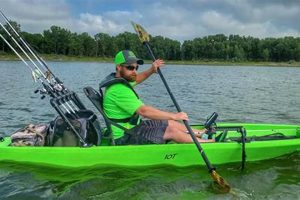
The James River provides a unique and popular venue for angling from small, human-powered vessels. This activity combines the tranquility and close-to-nature experience of paddling with the challenge and reward of pursuing various fish species. It offers an accessible and engaging way to interact with the river’s diverse ecosystem.
This approach to angling allows access to shallow water and secluded areas often unreachable by larger boats, increasing opportunities for a successful catch. The relatively low impact of these small craft minimizes disturbance to the environment and contributes to a more immersive experience for the angler. Historically, the river has served as a vital resource for both sustenance and recreation, and this modern activity reflects a continuation of that tradition, albeit with updated equipment and techniques.
Further exploration will delve into specific techniques, ideal locations along the river’s course, relevant regulations, necessary equipment, and safety considerations for a fulfilling and responsible experience.
Tips for Angling Success on the James
Careful planning and preparation contribute significantly to a productive and enjoyable outing. These guidelines offer valuable insights for maximizing success and ensuring a safe experience.
Tip 1: Research and understand the river’s flow conditions. Current speed and water levels influence fish behavior and impact paddling effort. Consulting resources such as USGS stream gauges provides critical information for planning a trip.
Tip 2: Select appropriate tackle and lures. Species targeted, water clarity, and seasonal factors dictate optimal choices. Local tackle shops can provide valuable insights into effective strategies.
Tip 3: Prioritize safety equipment and practices. A personal flotation device is essential, and carrying a whistle, signaling device, and first-aid kit is strongly recommended. Sharing trip plans with someone onshore enhances safety.
Tip 4: Employ appropriate anchoring techniques. A shallow-water anchor system allows quiet and efficient positioning in desired locations. Understanding proper anchor deployment prevents damage to sensitive habitats.
Tip 5: Respect wildlife and minimize environmental impact. Practice catch-and-release whenever possible. Adhere to Leave No Trace principles by packing out all trash and avoiding disturbance to riparian areas.
Tip 6: Obtain necessary licenses and permits. Compliance with state regulations ensures legal angling and contributes to conservation efforts. Information on licensing requirements is readily available online.
Tip 7: Consider tidal influences in the lower section of the river. Tide charts provide critical information for navigating and fishing effectively in tidal waters. Strong currents and changing water depths necessitate heightened awareness.
Adherence to these guidelines promotes not only a successful fishing experience but also contributes to the long-term health and enjoyment of this valuable waterway. Responsible practices ensure continued access and preservation of the river’s resources for generations to come.
These tips offer a solid foundation for a rewarding experience. The next section provides detailed information regarding specific access points and their unique characteristics.
1. Species Variety
The James River supports a diverse fish population, creating a dynamic and engaging environment for kayak anglers. This variety influences tackle choices, fishing techniques, and target locations along the river. Species such as smallmouth bass, largemouth bass, channel catfish, flathead catfish, bluegill, crappie, and various sunfish species present distinct challenges and rewards. Understanding the habits and preferred habitats of these different fish is crucial for successful angling. For example, smallmouth bass often inhabit rocky areas with faster currents, while catfish prefer deeper holes and slower-moving water. This knowledge allows anglers to select appropriate lures, fishing lines, and techniques, increasing their chances of a successful catch.
The presence of diverse species contributes significantly to the overall appeal of kayak fishing on the James. It offers anglers the opportunity to pursue different targets, experiment with various techniques, and experience the river’s ecological richness. Seasonal variations further influence species behavior and distribution. During warmer months, species like bass may be found in shallower waters, while cooler temperatures often drive them to deeper areas. This dynamic interplay between species and environment necessitates adaptable strategies for successful angling. The ability to quietly access diverse habitats using a kayak provides a significant advantage for targeting specific species throughout the year. For instance, the shallow-water accessibility of a kayak allows anglers to target spawning sunfish in the spring.
The species variety within the James River enhances the overall kayak fishing experience. Adapting to the specific characteristics of each species, understanding their seasonal behaviors, and utilizing the kayak’s unique maneuverability allows anglers to connect with the river’s ecosystem in a rewarding way. Continued conservation efforts are crucial for maintaining this diverse fish population and preserving the quality of the angling experience for future generations. Consideration for catch-and-release practices and responsible fishing habits ensures the long-term health and sustainability of the James River’s aquatic resources.
2. Access Points

Access points play a critical role in kayak fishing on the James River, directly influencing angling opportunities and overall experience. Strategic selection of launch sites enables anglers to efficiently target specific river sections, species, and habitats. Factors such as parking availability, fees, river access type (boat ramp, bank access, etc.), and proximity to desired fishing areas should be considered. For example, Ancarrows Landing in Richmond provides convenient access to the urban section of the river, while the James River State Park offers a more remote experience with access to less pressured waters. Understanding the characteristics of various access points allows anglers to tailor their trips to specific goals, whether targeting smallmouth bass in rocky areas or pursuing catfish in deeper pools. Further, considering factors such as current strength and potential hazards at each access point contributes significantly to safety and planning.
The distribution of access points along the James River impacts fishing pressure and accessibility. Some sections may experience higher angler concentrations due to convenient launch sites, while others remain less pressured due to limited access. Choosing less frequented locations can offer a more solitary experience. Additionally, the type of access point influences the types of kayaks suitable for launch. Boat ramps accommodate larger, heavier kayaks, while bank access may necessitate smaller, more portable vessels. Evaluating access point characteristics alongside personal kayak specifications ensures a smooth and efficient launch experience. Real-world examples include the use of car-top kayak carriers for bank access points versus trailers for boat ramps. This understanding contributes to informed decision-making and enhances trip planning.
Careful consideration of access points optimizes kayak fishing experiences on the James River. Analyzing factors like location, amenities, accessibility, and potential hazards allows anglers to strategically plan trips, maximize fishing opportunities, and prioritize safety. Leveraging resources like online maps, local fishing reports, and park websites provides valuable insights into access point characteristics and aids informed decision-making. This knowledge empowers anglers to connect with the river effectively and responsibly, contributing to a positive and sustainable relationship with this valuable resource.
3. Kayak Selection
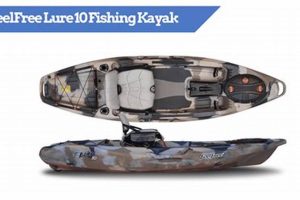
Appropriate kayak selection significantly impacts the overall experience and success of kayak fishing on the James River. Choosing a kayak suited to the river’s conditions and individual angler needs enhances safety, maneuverability, and fishing efficacy. Careful consideration of several key factors ensures optimal performance and enjoyment.
- Hull Design
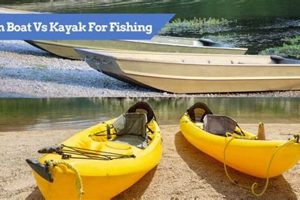
Hull design directly influences stability, speed, and maneuverability. Wider, flatter hulls offer increased stability, crucial for casting and reeling in fish, particularly in moving water. Longer, narrower hulls provide greater speed and tracking, beneficial for covering longer distances. A sit-on-top design offers inherent buoyancy and ease of re-entry if capsized, a significant safety advantage on the James. For example, a shorter, wider sit-on-top kayak excels in slower, shallower sections ideal for panfish, while a longer, narrower sit-in kayak suits covering greater distances on the main channel when targeting bass.
- Weight Capacity
Weight capacity dictates the total load a kayak can safely carry, encompassing angler weight, gear, and any potential catch. Exceeding the recommended weight capacity compromises stability and safety, particularly in challenging river conditions. Anglers carrying heavier equipment, such as larger tackle boxes and coolers, require kayaks with higher weight capacities. Proper weight distribution within the kayak also contributes to stability. For example, an angler planning to carry a large cooler and multiple rods requires a kayak with ample weight capacity to maintain balance and safe handling.
- Storage Options
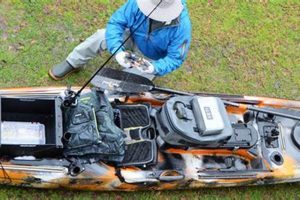
Ample storage space allows anglers to transport essential gear, including tackle boxes, rods, safety equipment, and personal items. Dedicated storage compartments within the kayak maintain organization and prevent equipment from shifting during paddling. Features such as rod holders and dry storage compartments enhance convenience and protect sensitive items. For example, built-in rod holders keep lines free while paddling and recessed storage wells protect tackle boxes from water damage. Adequate storage contributes to efficient and enjoyable fishing sessions.
- Propulsion System
The choice of propulsion system impacts paddling efficiency, maneuverability, and fishing access. Paddle-powered kayaks offer simplicity and affordability, while pedal-driven systems free hands for fishing. Motorized kayaks provide greater speed and range, though they may be restricted in certain areas of the James River. Selection depends on individual preferences, fishing style, and target locations. A paddle kayak offers quiet maneuverability in shallow areas, whereas a pedal drive system allows for hands-free fishing in open water. Understanding the advantages of each propulsion method aids in choosing the appropriate system for specific fishing scenarios on the river.
Careful consideration of these factors ensures proper kayak selection, optimizing performance, safety, and enjoyment on the James River. Matching kayak characteristics to individual angling needs and the river’s conditions contributes significantly to a positive and productive experience. A well-chosen kayak enhances maneuverability in diverse river environments, from shallow creeks to the main channel, and improves access to prime fishing locations. This ultimately contributes to a more rewarding and successful fishing experience on the James.
4. Seasonal Considerations

Seasonal variations significantly influence kayak fishing on the James River, impacting water temperatures, fish behavior, and overall angling strategies. Understanding these seasonal changes and adapting accordingly is crucial for a successful and enjoyable experience. Each season presents unique opportunities and challenges that anglers must consider when planning their trips.
- Water Temperature
Water temperature fluctuations directly affect fish metabolism and behavior. During colder months, fish become less active and seek deeper, slower-moving water. Conversely, warmer temperatures increase fish activity and drive them to shallower areas, often in search of food or suitable spawning grounds. Anglers must adjust their fishing techniques and target locations based on these temperature-driven behavioral changes. For example, using slower retrieves and targeting deeper pools is effective during winter, while faster, more aggressive retrieves in shallower areas may prove successful during summer.
- Fish Spawning Periods
Spawning periods significantly influence fish behavior and location. Certain species, such as smallmouth bass, become more aggressive and territorial during spawning season, presenting opportunities for targeted fishing. Understanding spawning times and locations for different species enables anglers to effectively utilize specific lures and techniques. For example, targeting shallow, rocky areas during the smallmouth bass spawning season with topwater lures can yield successful results. Ethical considerations, such as catch-and-release practices, are crucial during spawning periods to protect vulnerable fish populations.
- Weather Patterns
Weather conditions, including temperature, precipitation, and wind, directly impact both fish behavior and angler comfort. Sudden temperature drops can decrease fish activity, while rain events can increase river flow and turbidity, affecting visibility and lure presentation. Wind strength and direction influence kayak control and casting accuracy. Monitoring weather forecasts prior to trips and adapting clothing and fishing strategies accordingly ensures a safe and productive experience. For instance, choosing a sheltered cove during windy conditions improves casting control and kayak stability, while dressing in layers provides adaptability to changing temperatures throughout the day.
- River Flow and Clarity
Seasonal variations significantly impact river flow and water clarity. Spring rains often lead to increased flow rates and turbidity, while drier summer months can result in lower water levels and improved clarity. Adjusting fishing techniques based on these changes is essential. Higher, murky water necessitates the use of larger, brighter lures and slower retrieves, while clear, low water conditions allow for more finesse presentations and lighter lines. Understanding these fluctuations and adapting accordingly optimizes fishing success. For example, fishing near tributary inflows during high water can be productive, as these areas often concentrate baitfish and attract larger predators.
By understanding and adapting to these seasonal influences, kayak anglers can significantly enhance their chances of success on the James River. Combining seasonal knowledge with species-specific behaviors and appropriate tackle selection allows anglers to connect with the river’s dynamic ecosystem in a rewarding and responsible manner. This awareness ensures enjoyable and productive fishing experiences throughout the year, while promoting the long-term health and sustainability of the James River fishery.
5. Safety Precautions
Safety precautions are paramount for kayak fishing on the James River. The dynamic nature of the river environment, combined with the inherent risks associated with on-water activities, necessitates careful planning and adherence to safety guidelines. Neglecting these precautions can lead to serious consequences, ranging from equipment loss to life-threatening situations. A strong understanding of potential hazards and proactive safety measures significantly mitigates these risks, ensuring a positive and safe experience. For example, wearing a personal flotation device (PFD) is not merely recommended, but essential. A sudden capsize, even in calm water, can lead to disorientation and difficulty re-boarding the kayak. A PFD provides essential buoyancy and dramatically increases the chances of self-rescue or rescue by others.
Further enhancing safety requires checking weather forecasts before embarking on any kayak fishing trip. Sudden changes in weather conditions, such as strong winds or thunderstorms, can create hazardous situations on the water. Strong winds can generate significant waves, making kayak control challenging and increasing the risk of capsize. Lightning poses a severe threat, and seeking immediate shelter onshore is crucial during thunderstorms. Real-world examples include instances where kayakers have been caught unprepared in rapidly changing weather, resulting in rescues or worse. Carrying a waterproof communication device, such as a VHF radio or a cell phone in a waterproof case, allows communication with emergency services if necessary. Sharing trip plans with someone onshore, including planned launch and return times, provides an additional layer of safety. This information becomes invaluable if a kayaker fails to return as scheduled, allowing for a timely response from authorities.
Maintaining awareness of river conditions and potential hazards is also critical. River flow rates can vary significantly, and areas with strong currents or submerged obstacles require heightened caution. Strainers, formed by submerged trees or debris, present a particularly dangerous hazard, trapping kayaks and potentially submerging individuals. Avoiding these areas and scouting unfamiliar sections of the river beforehand significantly reduces risks. Carrying a first-aid kit and knowing basic first-aid procedures can address minor injuries that might occur during a fishing trip. Thorough preparation and a proactive approach to safety ensure a rewarding and safe kayak fishing experience on the James River. Minimizing risks allows anglers to focus on enjoying the river’s resources responsibly and preserving the opportunity for future outings.
6. River Conditions
River conditions directly influence kayak fishing success and safety on the James River. Factors such as water level, flow rate, clarity, and temperature significantly impact fish behavior, kayak maneuverability, and overall angling experience. Understanding these conditions and their potential effects is crucial for planning effective fishing trips and ensuring angler safety. For instance, high water levels, often occurring after heavy rainfall, can create faster currents and inundate shallow areas, altering fish habitats and requiring increased paddling effort. Conversely, low water levels expose previously submerged obstacles and restrict access to certain areas, necessitating careful navigation. These fluctuating conditions demand adaptability and informed decision-making from kayak anglers.
Water clarity affects fishing strategies and lure selection. Clear water allows fish to see lures from greater distances, necessitating more subtle presentations and lighter lines. Conversely, murky water requires the use of larger, brighter lures and slower retrieves to attract fish attention. Flow rate impacts lure presentation and drift fishing effectiveness. Faster currents necessitate heavier weights or faster retrieves to maintain lure depth and control. Slower currents allow for more finesse presentations and longer drifts. Water temperature influences fish metabolism and behavior. Colder water temperatures decrease fish activity, while warmer temperatures increase activity and often drive fish to shallower areas. Adapting fishing techniques to these temperature-driven behavioral changes is crucial for success. For example, during summer months, targeting shallow areas with topwater lures can be effective when fish are actively feeding near the surface.
Successfully navigating the James River in a kayak requires continuous assessment and adaptation to changing river conditions. Consulting resources such as USGS stream gauges and weather forecasts provides valuable insights into current water levels, flow rates, and upcoming weather patterns. This information empowers anglers to make informed decisions regarding launch locations, fishing areas, and safety precautions. Understanding the interplay between river conditions and fish behavior allows for strategic selection of lures, techniques, and fishing locations, maximizing angling success while prioritizing safety. Respect for the dynamic nature of the river environment ensures a rewarding and sustainable kayak fishing experience on the James.
7. Local Regulations
Adherence to local regulations is essential for responsible kayak fishing on the James River. These regulations, designed to protect the river’s ecosystem and ensure sustainable fishing practices, govern aspects such as licensing, catch limits, and permitted fishing methods. Ignoring these regulations can result in fines, legal penalties, and damage to the river’s resources. Understanding and complying with these rules ensures a positive and sustainable fishing experience while preserving the James River for future generations.
- Fishing Licenses and Permits
Valid fishing licenses are mandatory for all anglers on the James River, regardless of age or residency status. Specific permits may be required for certain species or fishing locations. Licenses and permits can be obtained online through the Virginia Department of Wildlife Resources (DWR) website or from authorized vendors such as sporting goods stores. Failure to possess a valid license while fishing can result in fines. For example, anglers targeting striped bass in the tidal portion of the James River require a saltwater fishing license in addition to a freshwater license. Proper licensing supports conservation efforts and ensures compliance with state regulations.
- Catch Limits and Size Restrictions
Specific catch limits and size restrictions exist for various fish species in the James River. These regulations aim to maintain healthy fish populations and prevent overfishing. Anglers must familiarize themselves with these limits and adhere to them strictly. Exceeding catch limits or keeping undersized fish can result in penalties. For instance, smallmouth bass have specific size limits designed to protect breeding populations. Adhering to these regulations contributes to the long-term health and sustainability of the fishery. Regularly consulting the DWR website or printed regulations ensures awareness of current limits and any changes.
- Permitted Fishing Methods and Gear
Regulations dictate permitted fishing methods and gear on the James River. Certain types of fishing gear, such as certain nets or traps, may be restricted or prohibited. Specific regulations apply to the use of live bait. For example, the use of certain non-native baitfish may be prohibited to prevent the introduction of invasive species. Understanding and complying with these regulations safeguards the river’s ecosystem and maintains fair fishing practices. Information on permitted methods and gear is available on the DWR website and in published regulations.
- Closed Seasons and Restricted Areas
Certain sections of the James River may have closed seasons or restricted areas to protect vulnerable fish populations during spawning periods or other sensitive times. These closures and restrictions help maintain healthy fish populations and ensure sustainable fishing opportunities. Anglers must be aware of these designations and respect them. For instance, specific areas might be closed to fishing during the spawning season of a particular species. Information on closed seasons and restricted areas is typically published by the DWR and is crucial for planning fishing trips and ensuring compliance.
Compliance with these local regulations is integral to responsible kayak fishing on the James River. By understanding and adhering to these rules, anglers contribute to the conservation of the river’s resources and ensure the sustainability of the fishery for future generations. Regularly reviewing the Virginia DWR regulations and remaining informed of any changes ensures continued compliance and promotes a positive and ethical angling experience. This awareness benefits not only the river’s ecosystem but also the long-term enjoyment of kayak fishing on the James.
Frequently Asked Questions
This section addresses common inquiries regarding kayak fishing on the James River, providing concise and informative responses to facilitate informed decision-making and enhance angling experiences.
Question 1: What are the most common fish species targeted by kayak anglers on the James River?
Targeted species often include smallmouth bass, largemouth bass, channel catfish, flathead catfish, bluegill, crappie, and various sunfish species. Species prevalence varies depending on the specific section of the river.
Question 2: Are motorized kayaks permitted on the James River?
Motorized kayaks are generally permitted; however, specific regulations may apply to certain sections of the river, including horsepower restrictions and no-wake zones. Consulting the Virginia Department of Wildlife Resources (DWR) website provides detailed information on applicable regulations.
Question 3: What safety equipment is essential for kayak fishing on the James River?
Essential safety equipment includes a properly fitted personal flotation device (PFD), a whistle, a visual distress signal, and a first-aid kit. A communication device, such as a VHF radio or cell phone in a waterproof case, is strongly recommended. Sharing float plans with someone onshore enhances safety.
Question 4: Where can suitable access points for launching kayaks be found along the James River?
Numerous public access points exist along the river, ranging from developed boat ramps to more primitive bank access areas. Online maps, local fishing reports, and park websites offer information on access point locations and amenities.
Question 5: What are the primary considerations for choosing an appropriate kayak for fishing on the James River?
Key considerations include hull design (stability vs. speed), weight capacity, storage options, and propulsion system (paddle, pedal, or motor). Kayak selection should align with individual angler needs, fishing style, and target locations on the river.
Question 6: What are the licensing requirements for fishing on the James River?
A valid Virginia fishing license is required. Specific permits may be necessary for certain species or locations. License and permit information can be found on the DWR website.
Careful consideration of these frequently asked questions contributes to enhanced preparedness, improved safety, and a more enjoyable kayak fishing experience on the James River. Further research and consultation with local resources can provide additional insights and address specific angling needs.
The following section offers a concluding perspective on the overall appeal and value of kayak fishing on this unique waterway.
Conclusion
Exploration of this activity reveals a multifaceted pursuit intertwining natural immersion, physical exertion, and angling skill. Key considerations encompass species diversity, access point selection, equipment appropriateness, seasonal influences, safety protocols, and regulatory compliance. Understanding these elements enhances angler preparedness, fostering successful and responsible interaction with the river environment.
The James River offers a dynamic and rewarding experience for those seeking a distinctive angling challenge. Continued appreciation for the river’s ecological balance and adherence to ethical fishing practices ensures the preservation of this valuable resource, enabling continued enjoyment for generations to come. Further exploration and personal experience deepen understanding and connection with this unique waterway.