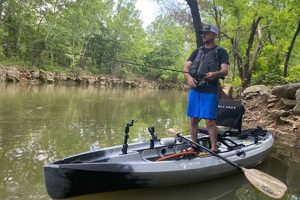
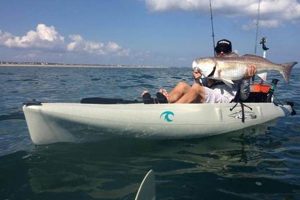
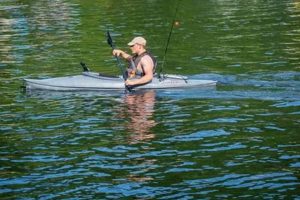
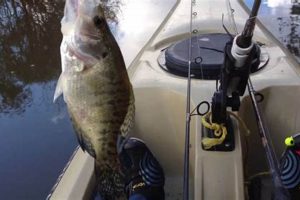
This subject encompasses the techniques and knowledge required for angling from a kayak. It includes selecting appropriate equipment, mastering paddling and maneuvering skills, understanding fish behavior and habitat, and employing effective fishing strategies from a kayak platform. An example would be learning how to cast effectively while maintaining balance and kayak control.
Mastering these skills allows anglers to access shallow, secluded waters often unreachable by larger boats, leading to unique fishing opportunities. This specialized approach offers a closer connection with nature, a physically engaging experience, and potentially higher catch rates due to increased stealth and maneuverability. The increasing popularity of this method reflects a growing appreciation for its blend of outdoor recreation and angling. Historically, kayaks have been used for fishing and transportation for centuries by various cultures. Modern advancements in kayak design and fishing gear have contributed to the sport’s widespread adoption and evolution into a distinct discipline.
This article will explore various facets of this specialized angling practice, including choosing the right kayak and gear, essential safety precautions, effective paddling techniques, locating fish, and employing appropriate casting and retrieval methods. Additional topics covered will include responsible angling practices and ways to maximize the overall experience.
Kayak Fishing Tips
The following tips offer guidance for anglers seeking to enhance their kayak fishing experience. These recommendations cover essential aspects, from pre-trip planning to on-the-water techniques.
Tip 1: Prioritize Safety: Always wear a personal flotation device (PFD). Carry a whistle, signaling mirror, and communication device. Inform someone of the planned fishing location and estimated return time.
Tip 2: Choose the Right Kayak: Consider stability, maneuverability, and storage capacity when selecting a kayak. Sit-on-top kayaks are generally preferred for fishing due to their self-bailing design and ease of entry and exit.
Tip 3: Organize and Secure Gear: Utilize rod holders, tackle boxes, and dry bags to keep equipment organized and protected from water. Distribute weight evenly within the kayak for optimal balance.
Tip 4: Master Paddling Techniques: Efficient paddling conserves energy and allows for precise boat control. Practice different strokes for maneuvering in various conditions, including wind and current.
Tip 5: Understand Fish Behavior: Research target species and their preferred habitats. Consider water temperature, depth, and structure when selecting fishing locations.
Tip 6: Employ Appropriate Fishing Techniques: Adapt casting and retrieval methods to the kayak fishing environment. Practice casting while seated and maintaining balance.
Tip 7: Respect the Environment: Adhere to catch-and-release guidelines when appropriate. Pack out all trash and minimize disturbance to natural habitats.
By implementing these tips, anglers can improve their chances of success while ensuring a safe and enjoyable experience. Preparation and knowledge are key components of effective kayak fishing.
This information provides a foundation for successful kayak angling. Continued practice and experience will further refine skills and knowledge.
1. Planning
Effective planning forms the cornerstone of successful kayak angling trips. Pre-trip preparation minimizes potential risks and maximizes opportunities for a productive and enjoyable experience. Careful consideration of various factors ensures anglers are well-equipped to handle the unique challenges and rewards of fishing from a kayak.
- Location Scouting
Thorough research, including studying maps, nautical charts, and online resources, enables anglers to identify promising fishing areas. Understanding water depth, bottom structure, and potential hazards, such as submerged obstacles or strong currents, is crucial. Analyzing prevailing wind and weather patterns helps select sheltered locations or plan routes that minimize exposure to adverse conditions. Example: Identifying a sheltered cove with submerged vegetation known to attract specific fish species demonstrates effective location scouting.
- Weather Forecasting
Checking marine weather forecasts prior to departure is paramount for safety and comfort. Wind speed, wave height, and precipitation can significantly impact kayak stability and maneuverability. Adjusting trip timing or location based on forecast conditions prevents potentially dangerous situations. Example: Postponing a trip due to high winds and predicted thunderstorms demonstrates prudent weather-based decision-making.
- Gear Preparation
Assembling and organizing essential equipment beforehand streamlines the on-water experience. This includes ensuring the kayak, paddle, PFD, and fishing gear are in good working order. Packing necessary safety equipment, such as a whistle, signaling mirror, and communication device, enhances preparedness for unexpected situations. Example: Checking fishing line for fraying and replacing worn hooks before a trip ensures readiness for angling opportunities.
- Float Plan Development
Informing a trusted individual about trip details, including planned location, launch point, estimated return time, and emergency contacts, is essential. A float plan provides a critical safety net in case of unforeseen circumstances or delays. Example: Leaving a detailed float plan with a family member before embarking on a solo fishing trip demonstrates responsible safety planning.
These planning elements contribute directly to a safe, efficient, and successful kayak fishing outing. Careful preparation enhances angler preparedness, minimizes risks, and maximizes the potential for a rewarding experience on the water. By integrating these planning practices, anglers cultivate a proactive approach that enhances enjoyment and fosters responsible angling practices.
2. Gear Selection
Appropriate gear selection is fundamental to successful and enjoyable kayak fishing. The right equipment enhances angler safety, comfort, and efficiency on the water. Careful consideration of various factors, from kayak type to fishing tackle, contributes significantly to a positive and productive experience. Understanding the nuances of gear selection empowers anglers to optimize their approach and adapt to diverse fishing conditions.
- Kayak Choice
Kayak selection depends on individual needs and fishing style. Sit-on-top kayaks are generally preferred for their stability, self-bailing design, and ease of re-entry after a water landing. Factors such as length, width, and hull design influence maneuverability and tracking. Longer kayaks track straighter, while shorter, wider kayaks offer greater stability. Choosing the appropriate kayak type and size enhances on-water performance and angler comfort. Example: A shorter, wider sit-on-top kayak suits calm, shallow-water fishing, while a longer, narrower kayak benefits anglers targeting open-water species.
- Paddle Selection
Paddle length and blade shape affect paddling efficiency and comfort. Properly sized paddles reduce fatigue and improve boat control. Lightweight paddles constructed from materials like fiberglass or carbon fiber minimize strain during long paddling sessions. Choosing a paddle with an appropriate blade shape optimizes power transfer and reduces stress on joints. Example: A shorter, wider paddle blade suits anglers seeking greater maneuverability in tight spaces, while a longer, narrower blade provides more efficient propulsion over longer distances.
- Fishing Tackle Considerations
Rods, reels, lines, and lures should be tailored to target species and fishing techniques. Shorter rods offer greater control in the confined space of a kayak. Spinning reels are generally versatile and user-friendly. Line selection depends on target species and fishing environment. Lure choice varies based on fish behavior and habitat. Example: Anglers targeting smaller fish in shallow water might opt for a lighter spinning rod and reel setup with lighter line and smaller lures, while those pursuing larger game fish in deeper water would choose heavier tackle.
- Safety and Accessory Equipment
Essential safety gear includes a personal flotation device (PFD), whistle, signaling mirror, and communication device. Additional accessories, such as rod holders, anchor systems, and dry bags, enhance organization and convenience on the water. Prioritizing safety and selecting appropriate accessories contribute to a more secure and efficient angling experience. Example: A brightly colored PFD with attached whistle and signaling mirror enhances visibility and safety in case of an emergency.
These gear selection factors significantly impact the overall kayak fishing experience. A well-equipped angler is better prepared to handle various on-water situations, maximize fishing success, and prioritize personal safety. Making informed choices regarding kayak type, paddle, fishing tackle, and safety accessories ensures a more comfortable, efficient, and rewarding time on the water. The interplay of these elements contributes directly to an optimized and enjoyable kayak fishing experience.
3. Kayak Control

Effective kayak control is paramount for successful kayak fishing. Precise maneuvering and positioning enable anglers to access prime fishing locations, present lures effectively, and maintain stability in various water conditions. Mastery of fundamental paddling techniques and specialized maneuvers significantly enhances angling efficiency and safety. This control allows for a more focused and productive fishing experience.
- Paddling Proficiency
Efficient paddling techniques, such as forward and reverse strokes, sweep strokes, and draw strokes, provide the foundation for controlled kayak movement. Proficiency in these techniques allows anglers to navigate efficiently, maintain desired positions, and counteract wind and current. Example: Utilizing a forward stroke with proper blade angle and body rotation maximizes propulsion and minimizes wasted energy. Conversely, a well-executed reverse stroke allows for quick stops and directional changes.
- Maneuvering in Current
Understanding current dynamics and employing appropriate paddling techniques enables anglers to maintain position and navigate effectively in flowing water. Ferrying, eddy turns, and peel-outs are essential maneuvers for negotiating currents and accessing specific areas. Example: Executing a ferry glide allows anglers to cross a current efficiently while maintaining an upstream angle. Eddy turns enable quick changes in direction by leveraging the swirling currents behind obstacles.
- Positioning and Stability
Maintaining kayak stability and precise positioning enhances casting accuracy and lure presentation. Understanding weight distribution and utilizing anchoring systems or positioning techniques, such as using a paddle or stake-out pole, allows anglers to hold position in desired locations. Example: Distributing weight evenly within the kayak and lowering the center of gravity by sitting closer to the waterline enhances stability, particularly in choppy conditions. Utilizing an anchor or stake-out pole allows anglers to maintain a fixed position in a promising fishing spot.
- Wind Management
Adapting paddling techniques and utilizing strategies like deploying a drift sock or sea anchor helps mitigate the effects of wind drift and maintain control in windy conditions. Understanding wind direction and intensity allows anglers to anticipate drift and adjust positioning accordingly. Example: Deploying a drift sock or sea anchor slows down wind drift and provides greater stability in windy conditions. Paddling into the wind at an angle minimizes drift and allows for greater control of kayak position.
These interconnected elements of kayak control contribute significantly to the overall effectiveness and enjoyment of kayak fishing. Mastering paddling techniques, understanding current dynamics, maintaining stability, and managing wind drift empower anglers to navigate efficiently, position effectively, and focus on the task at hand: catching fish. The seamless integration of these skills optimizes the kayak fishing experience and increases the likelihood of success.
4. Safety Measures

Safety measures are integral to successful kayak fishing. Prioritizing safety ensures angler well-being and allows for a more focused and enjoyable experience. Understanding and implementing appropriate safety protocols minimizes potential risks associated with on-water activities and promotes responsible angling practices.
- Personal Flotation Devices (PFDs)
Wearing a properly fitted PFD is paramount for kayak fishing safety. PFDs provide buoyancy and increase the likelihood of survival in the event of capsizing or accidental immersion. Choosing a comfortable, well-maintained PFD designed for paddling enhances safety and allows for unrestricted movement while casting and reeling. Example: An angler wearing a Type III PFD designed for paddling experiences greater freedom of movement and comfort compared to wearing a bulky Type I offshore life jacket. The Type III PFD provides adequate flotation while allowing for unimpeded casting and paddling motions.
- Communication Equipment
Carrying reliable communication devices enables anglers to contact emergency services or shore-based contacts in case of distress or unforeseen circumstances. Waterproof VHF radios, mobile phones stored in waterproof cases, and personal locator beacons (PLBs) provide effective communication options. Example: An angler experiencing engine trouble uses a VHF radio to contact the Coast Guard, providing location information and requesting assistance. Alternatively, a mobile phone in a waterproof case allows for communication with family or friends ashore.
- Navigation and Awareness
Carrying navigational aids, such as charts, compasses, or GPS devices, enhances situational awareness and helps prevent disorientation. Understanding tides, currents, and weather patterns is crucial for safe navigation. Checking weather forecasts before departure and remaining vigilant for changing conditions minimizes potential risks. Example: An angler consulting a nautical chart and compass navigates safely through a channel marked by shallow water and submerged obstacles. Monitoring weather forecasts allows for adjustments to planned routes based on changing wind and wave conditions.
- Emergency Preparedness
Carrying essential safety gear, such as a whistle, signaling mirror, first-aid kit, and knife, enhances preparedness for unexpected situations. Knowing basic first aid and self-rescue techniques further increases safety margins. Example: An angler uses a signaling mirror to attract the attention of a passing boat after capsizing. A basic first-aid kit allows for treatment of minor injuries sustained while fishing.
These safety measures contribute significantly to a secure and enjoyable kayak fishing experience. Integrating these practices into pre-trip planning and on-water activities minimizes potential risks and allows anglers to focus on the enjoyment of the sport. Prioritizing safety fosters responsible angling and ensures angler well-being, contributing to a positive and sustainable approach to kayak fishing.
5. Fishing Techniques

Fishing techniques are intrinsically linked to the broader concept of kayak fishing instruction. Mastery of specific techniques tailored to the kayak platform significantly enhances angling success. The confined space and unique mobility of a kayak necessitate adaptations to traditional fishing methods. Casting techniques, lure retrieval strategies, and fish fighting tactics must be adjusted to maintain balance and leverage the kayak’s advantages. For instance, sidearm or underhand casting techniques become essential for avoiding entanglement with the kayak’s structure. Similarly, adjusting drag settings and utilizing the kayak’s maneuverability during a fight becomes crucial for landing fish efficiently and safely.
Understanding the interplay between kayak control and fishing techniques is paramount. Precise boat positioning enables anglers to present lures effectively to target areas. Maneuvering the kayak to exploit wind or current drift can enhance lure presentation and cover more water. For example, positioning the kayak upstream of a submerged structure and allowing the current to carry the lure naturally through the target zone can entice strikes from ambush predators. Alternatively, using the kayak’s mobility to follow a hooked fish minimizes stress on the line and increases the chances of a successful landing.
Effective kayak fishing necessitates a comprehensive understanding of both kayak control and adapted fishing techniques. The combination of these skills allows anglers to maximize their opportunities on the water. Challenges such as limited space and the potential for instability are mitigated through practiced techniques and informed decision-making. Ultimately, mastering these specialized techniques unlocks the full potential of kayak fishing, transforming it from a recreational activity into a highly effective angling platform.
Frequently Asked Questions
This FAQ section addresses common inquiries regarding the specialized practice of angling from a kayak. The information provided aims to clarify potential ambiguities and offer practical guidance for individuals interested in this pursuit.
Question 1: What type of kayak is best suited for fishing?
Sit-on-top kayaks are generally preferred for their stability, self-bailing design, and ease of re-entry after a water landing. Specific features, such as rod holders, tackle storage compartments, and anchor systems, further enhance their suitability for angling.
Question 2: What essential safety equipment should one carry while kayak fishing?
Essential safety equipment includes a personal flotation device (PFD), a whistle, a signaling mirror, and a communication device such as a VHF radio or a mobile phone in a waterproof case. A first-aid kit and a knife are also recommended.
Question 3: How does one maintain stability while casting from a kayak?
Maintaining a low center of gravity and distributing weight evenly within the kayak enhances stability. Practicing casting techniques while seated and using shorter rods further improves balance and control.
Question 4: What are the advantages of fishing from a kayak compared to a larger boat?
Kayaks offer access to shallow, secluded waters often inaccessible to larger vessels. Their stealth and maneuverability can provide a distinct advantage when targeting specific fish species in these environments.
Question 5: What are some effective techniques for maneuvering a kayak in windy conditions?
Deploying a drift sock or sea anchor can reduce wind drift and improve stability. Adjusting paddling techniques and utilizing the kayak’s rudder or skeg system further enhances control in windy conditions.
Question 6: What environmental considerations are important for responsible kayak fishing?
Adhering to catch-and-release guidelines when appropriate, packing out all trash, and minimizing disturbance to aquatic habitats are essential practices for responsible kayak fishing.
Understanding these fundamental aspects contributes significantly to a safe, successful, and environmentally conscious approach to kayak angling.
This FAQ section serves as a starting point. Continued learning and practical experience will further develop proficiency in kayak fishing techniques.
Kayak Fishing How To
This exploration of kayak fishing instruction has highlighted essential aspects of the practice, from pre-trip planning and gear selection to on-water techniques and safety considerations. Mastering fundamental paddling skills, understanding kayak control in various conditions, and adapting fishing techniques to the kayak platform are crucial for success. Prioritizing safety through appropriate equipment and responsible practices ensures angler well-being and promotes sustainable interaction with the environment. The synthesis of these elements contributes directly to an enhanced angling experience.
The information presented provides a foundation for aspiring kayak anglers. Continued practice, combined with a commitment to safety and environmental stewardship, will cultivate proficiency and foster a deeper appreciation for this specialized angling discipline. Through informed preparation and mindful execution, individuals can unlock the full potential of kayak fishing, transforming it from a recreational pursuit into a rewarding and sustainable engagement with the aquatic world.