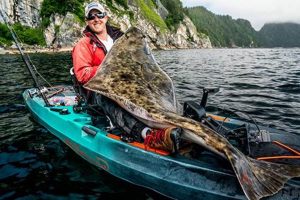
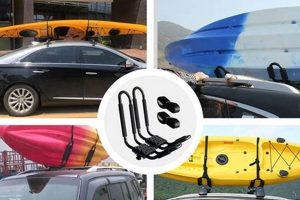
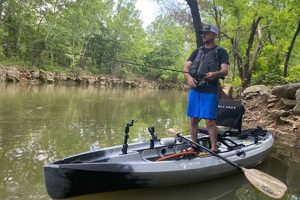
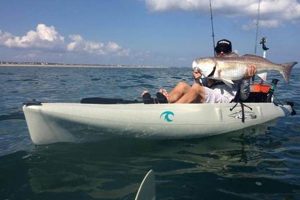
The pursuit of finned quarry from small, human-powered vessels along the Pacific coast offers a unique blend of angling and watersports. This activity allows close-to-water experiences, providing access to shallow coves and kelp forests often inaccessible to larger boats. It combines the tranquility of paddling with the thrill of the catch in a diverse marine environment. For example, anglers might launch from a sandy beach near La Jolla to target calico bass or navigate the waters around Catalina Island in search of yellowtail.
This type of angling offers several advantages, including affordability compared to motorized boating and a low environmental impact. It promotes physical activity and provides a unique perspective on the coastal ecosystem. Historically, indigenous peoples of the region utilized small watercraft for fishing and transportation, demonstrating a long-standing connection between humans and the sea in this area. The modern iteration, with advanced kayaks, fishing gear, and navigation technology, builds on this legacy while offering a contemporary recreational pursuit.
Further exploration of this activity will encompass key considerations such as suitable locations, target species, necessary equipment, safety precautions, and relevant regulations. Understanding these aspects contributes to a rewarding and responsible experience on the water.
Tips for Pacific Coast Kayak Angling
Successful and enjoyable on-the-water experiences require preparation and awareness. The following tips provide guidance for maximizing opportunities while prioritizing safety and responsible practices.
Tip 1: Check Weather and Sea Conditions: Prior to launching, consult marine forecasts for wind, swell, and tide information. Postponing trips during unfavorable conditions ensures angler safety.
Tip 2: Choose Appropriate Kayak and Gear: Select a kayak designed for stability and storage capacity suited to the target fishing environment. Essential gear includes paddles, personal flotation devices, and appropriate fishing tackle.
Tip 3: Plan a Float Plan and Inform Others: Share intended launch and return locations, as well as estimated times, with a trusted contact onshore. This practice ensures timely assistance if needed.
Tip 4: Understand Local Regulations and Licensing Requirements: Obtain necessary fishing licenses and familiarize oneself with size and catch limits for target species. Adhering to regulations contributes to sustainable fisheries management.
Tip 5: Practice Proper Kayak Handling and Navigation: Develop proficiency in paddling techniques and navigation skills before venturing into open water. Consider taking a kayaking safety course.
Tip 6: Prioritize Safety Equipment and Practices: Carry essential safety gear, including a whistle, signaling device, and first-aid kit. Practice self-rescue techniques and understand how to handle capsizing situations.
Tip 7: Respect the Environment and Wildlife: Practice catch-and-release whenever possible and handle fish with care. Minimize disturbance to marine habitats and avoid leaving any trace of presence.
Tip 8: Learn Basic Knots and Rigging Techniques: Familiarize oneself with essential fishing knots and rigging techniques for attaching hooks, lures, and other terminal tackle. This knowledge increases angling effectiveness.
Careful planning, appropriate equipment, and adherence to safety guidelines contribute significantly to successful outings. Respect for the marine environment ensures the preservation of this valuable resource for future generations.
By incorporating these tips, individuals can embark on rewarding adventures while contributing to a culture of safety and responsible angling.
1. Location Selection

Strategic location selection is paramount for successful angling excursions along the Southern California coast. The diverse coastline, ranging from sheltered bays to exposed rocky shores, presents a variety of habitats, each supporting unique fish populations. Careful consideration of location characteristics optimizes angling opportunities and enhances overall experience.
- Proximity to Target Species
Different species inhabit specific coastal environments. Calico bass, for instance, thrive near kelp forests and rocky reefs, while halibut prefer sandy bottoms. Selecting locations known to hold desired species increases the likelihood of successful catches. La Jolla Cove, with its abundant kelp beds, is a prime example of a location known for calico bass.
- Accessibility and Launch Sites
Evaluating launch site accessibility is crucial. Some locations offer convenient beach launches, while others require navigating rocky terrain or utilizing specialized kayak launch facilities. Considering factors such as parking availability, fees, and potential hazards ensures smooth entry and exit points. Dana Point Harbor provides well-maintained launch ramps suitable for kayak access.
- Water Conditions and Safety
Prevailing water conditions significantly influence location suitability. Areas exposed to strong currents, heavy swells, or significant boat traffic pose safety risks for kayakers. Sheltered bays and coves offer calmer conditions, particularly for less experienced anglers. Newport Bay, with its relatively calm waters, presents a safer option compared to more exposed areas.
- Regulations and Access Restrictions
Certain areas may have specific regulations regarding fishing activities, such as marine protected areas or seasonal closures. Understanding and adhering to these regulations is essential for responsible angling. Researching local ordinances and consulting resources like the California Department of Fish and Wildlife website ensures compliance. Areas within the Channel Islands National Marine Sanctuary, for example, have specific fishing restrictions.
By carefully evaluating these factors, anglers can identify optimal locations that align with target species preferences, accessibility requirements, safety considerations, and regulatory guidelines. This strategic approach maximizes the potential for successful and enjoyable kayak fishing experiences in Southern California’s diverse coastal waters. Matching location choice to desired species and skill level contributes significantly to angling success and overall satisfaction.
2. Target Species

The diverse marine ecosystem off Southern California supports a wide array of fish species, making it a prime location for kayak angling. Understanding the habits and habitats of target species is crucial for successful fishing expeditions. Matching tackle and techniques to the specific species sought enhances angling effectiveness and contributes to a more rewarding experience. The following facets explore key considerations related to target species selection in this region.
- Species Diversity and Distribution
Southern California waters host a variety of game fish, each with specific habitat preferences. Calico bass, for example, congregate around kelp forests and rocky reefs, while halibut inhabit sandy bottom areas. Yellowtail are often found near offshore islands and reefs. Knowledge of species distribution informs location selection and increases the likelihood of encounters.
- Seasonal Availability and Behavior
Fish behavior and availability fluctuate throughout the year due to factors like water temperature, spawning cycles, and baitfish migrations. Certain species, such as white seabass, are more prevalent during specific seasons. Understanding these patterns allows anglers to target specific species during optimal times, increasing catch probabilities.
- Tackle and Technique Selection
Different species require specific tackle and techniques for effective capture. Live bait, lures, and artificial flies each have their own applications depending on the target species. Matching fishing gear and presentation methods to the feeding habits and preferences of the target species maximizes effectiveness. For example, using light tackle with small lures is effective for calico bass, while heavier gear is necessary for larger game fish like yellowtail.
- Regulations and Conservation Considerations
Size and bag limits, as well as seasonal closures, regulate the harvest of various fish species. Adhering to these regulations ensures sustainable fishing practices and the long-term health of fish populations. Consulting resources like the California Department of Fish and Wildlife website provides up-to-date information on current regulations.
By understanding the nuances of target species behavior, distribution, and applicable regulations, kayak anglers can significantly enhance their chances of success while contributing to responsible fishing practices. This knowledge allows for a more informed and rewarding experience on the water, promoting both enjoyment and conservation of Southern California’s valuable marine resources. Tailoring fishing strategies to the specific characteristics of desired species is key to maximizing success in this diverse and dynamic environment.
3. Equipment Essentials
Effective Southern California kayak angling necessitates specific equipment tailored to the unique demands of this coastal environment. Appropriate gear selection directly influences both safety and angling success. The relationship between equipment choices and fishing outcomes is significant, impacting an angler’s ability to target specific species, navigate varying water conditions, and ensure personal well-being.
Essential equipment categories include the kayak itself, specialized fishing gear, safety devices, and navigational aids. Kayak selection depends on factors like intended fishing location and target species. Stable, sit-on-top kayaks are generally preferred for their maneuverability and ease of re-entry in the event of a capsize. Fishing gear, including rods, reels, lines, and terminal tackle, should be chosen based on the target species. For example, targeting calico bass near kelp beds may require lighter tackle compared to pursuing larger game fish offshore. Safety equipment, such as personal flotation devices (PFDs), whistles, and visual distress signals, is paramount. Navigational tools, including GPS devices, charts, and compasses, contribute to safe and efficient navigation, particularly in areas with variable currents or fog. A fish finder, while not strictly essential, can significantly enhance the ability to locate fish aggregations. Carrying a waterproof bag or box protects electronics and other sensitive items.
Appropriate equipment selection is a critical component of successful and safe Southern California kayak angling. Investing in suitable gear, understanding its proper use, and prioritizing safety contribute significantly to a positive on-the-water experience. Failing to adequately prepare can lead to compromised angling opportunities, safety risks, and potential damage to the environment. Understanding the direct correlation between equipment choices and outcomes empowers anglers to make informed decisions that maximize both enjoyment and responsible fishing practices. Effective preparation enhances the likelihood of successful catches while prioritizing angler safety and environmental stewardship.
4. Safety Procedures
Safe practices are paramount in Southern California kayak fishing due to the dynamic coastal environment. The combination of open ocean conditions, diverse marine traffic, and variable weather patterns necessitates a proactive approach to risk mitigation. Prioritizing safety ensures angler well-being and contributes to a positive on-the-water experience.
- Pre-Trip Planning
Thorough planning is essential before embarking on any kayak fishing trip. Checking marine weather forecasts, informing someone of intended launch and return times, and understanding local regulations are crucial preparatory steps. Neglecting these precautions increases vulnerability to unforeseen circumstances, such as changing weather conditions or emergencies. For example, consulting the National Oceanic and Atmospheric Administration (NOAA) website for current marine forecasts allows anglers to assess potential hazards and make informed decisions about trip viability.
- Essential Safety Equipment
Carrying appropriate safety equipment is non-negotiable. Personal flotation devices (PFDs), signaling devices like whistles or air horns, and a first-aid kit are indispensable. These items provide crucial support in emergency situations, such as capsizing or requiring assistance. A VHF radio allows direct communication with the Coast Guard and other vessels, enhancing response capabilities in distress situations.
- On-Water Awareness
Maintaining constant awareness of surroundings is crucial while on the water. Observing vessel traffic, monitoring changing weather conditions, and navigating potential hazards like kelp forests or rocky shorelines require vigilance. Distraction or complacency can lead to collisions or other dangerous situations. For example, maintaining a safe distance from motorized vessels and understanding navigational rules minimizes collision risks.
- Kayak Handling and Self-Rescue
Proficiency in kayak handling and self-rescue techniques contributes significantly to safety. Knowing how to maneuver the kayak in various conditions, including wind and waves, and practicing re-entry techniques in the event of a capsize enhances self-sufficiency and preparedness. Taking a kayak safety course provides valuable instruction in these essential skills.
Adherence to established safety procedures is fundamental to responsible Southern California kayak fishing. These practices mitigate potential risks associated with the marine environment, allowing anglers to focus on the enjoyment of the sport while safeguarding their well-being. Integrating safety considerations into every aspect of kayak fishing fosters a culture of preparedness and responsible angling. Prioritizing safety enhances not only personal well-being but also contributes to a more enjoyable and sustainable experience on the water.
5. Kayak Choice

Kayak selection significantly influences the overall experience in southern California kayak fishing. The chosen vessel must be suited to the local conditions, target species, and angler experience level. Careful consideration of kayak characteristics ensures optimal performance, safety, and enjoyment on the water. This section explores key factors influencing kayak choice for this specific angling style.
- Stability and Hull Design
Kayak stability directly impacts angler safety and fishing effectiveness. Wider, flatter hulls provide greater initial stability, beneficial for beginners or those fishing in calmer waters. However, these designs may sacrifice maneuverability and speed. Longer, narrower hulls offer increased speed and tracking, advantageous for covering greater distances or navigating currents, but require more experience to handle effectively. A “pontoon-style” hull, for instance, offers exceptional stability for stand-up fishing but may be less suitable for paddling longer distances in open water. Conversely, a “V-hull” design provides efficient tracking and speed but requires more experience for maintaining balance.
- Length and Weight Capacity
Kayak length and weight capacity influence both performance and practicality. Longer kayaks generally track better and offer more storage space but can be cumbersome to transport and maneuver in tight spaces. Weight capacity dictates the amount of gear and angler weight the kayak can safely support. Exceeding the recommended capacity compromises stability and performance. A 12-foot kayak might suffice for inshore fishing near La Jolla, while a 14-foot kayak could be preferable for longer excursions around Catalina Island. Anglers carrying heavier gear loads require kayaks with higher weight capacities.
- Features and Accessories
Specialized features enhance kayak fishing functionality. Built-in rod holders, storage compartments, and anchor trolleys streamline angling activities. Rudders or skegs improve tracking in windy conditions, while comfortable seating facilitates extended fishing trips. A kayak equipped with a fish finder transducer mount simplifies installation of electronic fish-finding equipment. Similarly, integrated paddle holders free up hands for fishing tasks. These features, while not strictly essential, enhance convenience and efficiency on the water.
- Propulsion Systems
Kayaks utilize various propulsion systems, each with distinct advantages and disadvantages. Paddle kayaks offer affordability and simplicity, relying solely on human power. Pedal-driven kayaks provide hands-free operation, beneficial for fishing, but can be more expensive and less maneuverable in shallow water or around obstacles. Motorized kayaks offer speed and range but require additional maintenance, licensing, and may be restricted in certain areas. Choosing the appropriate propulsion system depends on individual preferences, fishing style, and target locations.
Selecting the appropriate kayak is fundamental to successful southern California kayak fishing. Matching kayak characteristics to the specific demands of the local environment, target species, and angler experience level enhances safety, efficiency, and enjoyment. Careful consideration of factors like stability, length, features, and propulsion system contributes significantly to a positive and productive on-the-water experience. The choice between a sit-on-top versus a sit-inside kayak, for example, significantly impacts maneuverability and stability, influencing the angler’s ability to navigate various fishing locations and conditions effectively.
6. Regulation Adherence
Regulation adherence is integral to the sustainability of Southern California kayak fishing. These regulations, established by the California Department of Fish and Wildlife (CDFW), govern aspects such as licensing, catch limits, size restrictions, and seasonal closures. Compliance ensures the long-term health of fish populations and preserves the ecosystem for future generations. Disregarding these regulations can lead to overfishing, habitat destruction, and ultimately, the depletion of valuable marine resources. For instance, exceeding the catch limit for calico bass, a popular target species, can negatively impact their population and disrupt the balance of the local ecosystem. Similarly, fishing in designated Marine Protected Areas (MPAs), where fishing activity is restricted or prohibited, disrupts crucial breeding grounds and undermines conservation efforts.
Understanding and abiding by specific regulations related to individual species is crucial. For example, regulations dictate minimum size limits for halibut to protect juveniles and allow them to reach reproductive maturity. Seasonal closures for white seabass safeguard their spawning aggregations, contributing to population replenishment. Ignorance of or disregard for these specific regulations carries significant consequences, including fines, gear confiscation, and license suspension. Beyond legal ramifications, non-compliance undermines the collective effort to maintain healthy and vibrant fisheries. Utilizing resources such as the CDFW website and mobile application provides convenient access to up-to-date regulations, ensuring anglers can readily access the information needed to fish responsibly.
Responsible angling practices, built on a foundation of regulation adherence, are essential for the preservation of Southern California’s unique coastal ecosystem. Compliance demonstrates respect for the marine environment and ensures its viability for future generations of anglers. The CDFW’s regulations, while sometimes perceived as restrictive, serve a vital purpose: to maintain a delicate balance between recreational fishing and resource conservation. Understanding and adhering to these regulations is not merely a legal obligation but a demonstration of ethical angling and a commitment to the sustainability of this valuable resource. Active participation in conservation efforts, such as catch-and-release fishing and reporting poaching activities, further contributes to the preservation of Southern California’s diverse marine life.
Frequently Asked Questions
This section addresses common inquiries regarding kayak fishing in Southern California, providing concise and informative responses to facilitate informed decision-making and enhance the overall angling experience.
Question 1: What are the licensing requirements for kayak fishing in Southern California?
A valid California sport fishing license is required for individuals 16 years of age or older. One-day, multi-day, and annual licenses are available for purchase online, at authorized retail locations, or by phone through the California Department of Fish and Wildlife (CDFW).
Question 2: Where can suitable kayaks be rented or purchased in the region?
Numerous outfitters throughout Southern California offer kayak rentals specifically designed for fishing. Local sporting goods stores and specialized kayak retailers provide a range of kayak models for purchase, catering to varying budgets and angling preferences. Online marketplaces also offer new and used kayaks. Researching reputable vendors and comparing prices ensures informed purchasing decisions.
Question 3: What are the primary target species accessible to kayak anglers in this area?
Common target species include calico bass, halibut, yellowtail, white seabass, and various rockfish species. Species availability varies seasonally and by location. Consulting local fishing reports and guides provides insights into current fishing conditions and target species accessibility.
Question 4: Are there specific safety regulations unique to kayak fishing in this region?
While general boating safety regulations apply, kayak anglers should be particularly mindful of navigating areas with heavy boat traffic, kelp forests, and changing weather conditions. Wearing a personal flotation device (PFD) is strongly recommended. Familiarization with self-rescue techniques and carrying appropriate signaling devices enhance safety.
Question 5: What environmental considerations should kayak anglers be aware of?
Minimizing environmental impact is paramount. Practicing catch-and-release whenever possible, properly disposing of fishing line and other waste, and avoiding disturbance to sensitive habitats, such as kelp forests and eelgrass beds, contribute to ecosystem preservation.
Question 6: What resources provide up-to-date information on fishing regulations, locations, and safety guidelines?
The California Department of Fish and Wildlife (CDFW) website and mobile application offer comprehensive information on current fishing regulations, license requirements, marine protected areas, and safety guidelines. Local fishing reports, bait and tackle shops, and kayak fishing communities provide valuable insights into current fishing conditions and location-specific information.
Thorough preparation, adherence to regulations, and a commitment to safety and environmental stewardship contribute significantly to a positive and rewarding kayak fishing experience in Southern California.
For further information or specific inquiries, consulting local resources or contacting the CDFW directly is recommended.
Conclusion
This exploration of coastal angling from human-powered vessels emphasizes the multifaceted nature of the activity. Strategic planning, encompassing location selection based on target species and prevailing conditions, is paramount. Appropriate equipment selection, ranging from kayak type to specialized fishing gear, directly influences both safety and effectiveness. Adherence to established safety protocols and stringent regulatory compliance ensures responsible engagement and resource sustainability. A comprehensive understanding of these interconnected elements contributes significantly to successful and rewarding experiences.
The confluence of physical exertion, engagement with the marine environment, and the pursuit of game fish offers a unique recreational opportunity. Continued emphasis on responsible practices, informed by ongoing research and adaptive management strategies, will ensure the preservation of this valuable coastal resource for future generations. The future of this activity relies on the collective commitment to sustainable practices and informed participation within the dynamic Southern California coastal ecosystem.