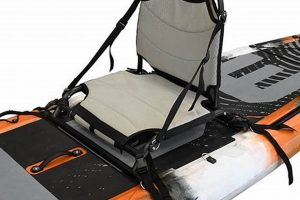
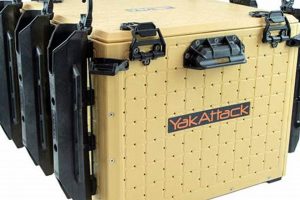
Angling from small, human-powered vessels on the Columbia River offers a unique and intimate connection with this significant waterway. This approach allows anglers to access shallow tributaries, backwater sloughs, and other areas often unreachable by larger motorized boats. This method provides an environmentally friendly and physically engaging way to pursue a variety of fish species.
The Columbia River’s diverse ecosystem supports a thriving fish population, including salmon, steelhead, sturgeon, and walleye, making it a popular destination for anglers. The quiet, non-motorized approach offered by this fishing style can be advantageous, allowing anglers to approach fish without disturbing them. Historically, Native American tribes have utilized similar methods for sustenance fishing on the river for centuries, highlighting the longstanding practicality and effectiveness of this approach. Modern advancements in kayak design and fishing gear have further enhanced the experience, providing anglers with specialized equipment and improved stability.
This article will further explore essential aspects of this activity, including suitable kayak selection, recommended fishing gear, effective techniques, safety considerations, and relevant regulations for fishing on the Columbia River.
Tips for Columbia River Kayak Angling
Successful fishing excursions on the Columbia River require careful planning and preparation. The following tips offer guidance for a safe and productive experience.
Tip 1: Understand River Conditions: Current speed, water level, and weather patterns can change rapidly on the Columbia River. Consulting river forecasts and tide charts prior to launching is crucial for safety and effective fishing.
Tip 2: Choose Appropriate Kayak and Gear: A stable kayak designed for fishing, equipped with rod holders, storage compartments, and an anchor system, is essential. Select fishing gear appropriate for the target species and river conditions.
Tip 3: Prioritize Safety Equipment: A personal flotation device (PFD) is mandatory and should be worn at all times. Carrying a whistle, signaling device, and first-aid kit is highly recommended.
Tip 4: Employ Effective Fishing Techniques: Techniques like trolling, drifting, or anchoring near structure can be effective. Researching species-specific techniques and preferred bait or lures enhances success rates.
Tip 5: Respect Wildlife and the Environment: Practice catch-and-release whenever possible. Properly dispose of fishing line and other waste to maintain the river’s ecosystem. Observe wildlife from a safe distance and avoid disturbing nesting areas.
Tip 6: Obtain Necessary Licenses and Permits: Ensure compliance with all state and local fishing regulations. Obtain the required licenses and permits before fishing on the Columbia River.
Tip 7: Be Aware of Navigation Rules: Familiarize oneself with boating regulations and navigation markers. Exercise caution around larger vessels and maintain a safe distance.
Adhering to these guidelines will enhance fishing success while promoting safety and responsible enjoyment of the Columbia River’s natural resources.
The subsequent section will provide concluding remarks and resources for further exploration of this unique angling experience.
1. Safety Gear

Navigating the Columbia River in a kayak presents inherent risks, demanding meticulous attention to safety precautions. Appropriate safety gear is not merely recommended, but essential for mitigating these risks and ensuring a secure fishing experience. The following facets detail critical safety equipment and their importance.
- Personal Flotation Device (PFD)
A properly fitted PFD is paramount. This device provides buoyancy and can prevent drowning in the event of capsizing or accidental immersion. Given the Columbia River’s currents and potential for cold water shock, a PFD is non-negotiable.
- Signaling Devices
Carrying multiple signaling devices increases the likelihood of attracting attention in an emergency. A whistle, air horn, and waterproof flares provide redundant signaling options. Mobile phones, while useful, may not have reliable service in all areas of the river.
- First-Aid Kit
A comprehensive first-aid kit, tailored to potential injuries encountered while fishing, should be readily accessible. This kit should include supplies for treating cuts, scrapes, burns, and other minor injuries. Knowledge of basic first aid procedures further enhances preparedness.
- Dry Bag/Waterproof Container
Essential items, like communication devices, extra clothing, and navigation tools, should be stored in a waterproof container or dry bag. Protecting these items from water damage ensures their functionality in emergency situations.
These safety precautions contribute significantly to a secure and enjoyable fishing experience on the Columbia River. While appropriate gear is crucial, regular practice of safety procedures and awareness of potential hazards further enhance angler preparedness and mitigate risk.
2. Kayak Selection
Appropriate kayak selection significantly impacts the success and safety of fishing excursions on the Columbia River. The river’s diverse conditions, from calm backwaters to swift currents, necessitate careful consideration of kayak characteristics. Stability, storage capacity, and maneuverability are key factors influencing performance and angler comfort. A stable kayak platform is essential for casting, reeling, and landing fish, particularly in challenging conditions. Sufficient storage accommodates essential gear, including tackle boxes, rods, and safety equipment. Maneuverability allows anglers to navigate shallow areas, negotiate currents, and access prime fishing locations.
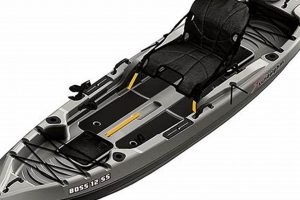
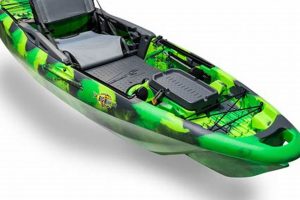
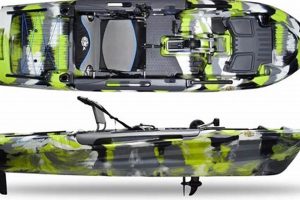
For example, a sit-on-top kayak offers enhanced stability and self-bailing capabilities, making it suitable for navigating rougher waters. A sit-inside kayak, while potentially offering more protection from the elements, may require greater skill to manage in challenging conditions. Inflatable kayaks provide portability and ease of storage, but may compromise stability and tracking compared to rigid hulls. Selecting a kayak with specialized features like rod holders, anchor trolleys, and gear tracks further enhances the fishing experience. The length and width of the kayak also influence its performance; longer kayaks generally track better in currents, while wider kayaks offer increased stability.
Ultimately, optimal kayak selection requires a thorough assessment of individual needs, fishing style, and anticipated river conditions. Evaluating these factors ensures a safe, comfortable, and productive fishing experience on the Columbia River. Failure to prioritize appropriate kayak selection can compromise both safety and fishing success. Understanding the interplay between kayak characteristics and river conditions empowers anglers to make informed decisions, maximizing their enjoyment and success on the water.
3. Fishing Regulations

Adherence to fishing regulations is paramount for the preservation of the Columbia River’s ecosystem and the sustainability of its fish populations. Regulations governing fishing seasons, catch limits, and permitted gear vary depending on the targeted species. These regulations are designed to protect vulnerable species, prevent overfishing, and maintain a balanced aquatic environment. Anglers accessing the Columbia River from a kayak are subject to the same regulations as those fishing from any other type of vessel. Ignorance of these regulations is not an excuse for non-compliance. Consequences of violating fishing regulations can include fines, confiscation of equipment, and suspension of fishing privileges.
For instance, specific regulations dictate the allowable size and number of salmon or steelhead that can be retained. Certain areas may be designated as “catch and release” only, requiring anglers to return all caught fish to the water unharmed. Regulations also govern the types of fishing gear permitted, such as hook size and bait restrictions. These specific stipulations, while potentially varying throughout the year and across different sections of the river, are readily available through official resources published by state fish and wildlife agencies. Consulting these resources prior to any fishing excursion ensures compliance and contributes to responsible angling practices.
Understanding and adhering to fishing regulations is not merely a legal obligation but a demonstration of respect for the Columbia River and its resources. Compliance safeguards fish populations, maintains a healthy ecosystem, and ensures the longevity of fishing opportunities for future generations. Disregarding these regulations jeopardizes the delicate balance of the river’s ecosystem and undermines the sustainability of the sport. Practical application of this understanding involves researching and familiarizing oneself with current regulations before each fishing trip, possessing the necessary licenses and permits, and actively promoting responsible fishing practices amongst fellow anglers. This proactive approach reinforces the importance of fishing regulations within the broader context of preserving the Columbia River’s natural resources.
4. Target Species

The Columbia River supports a diverse array of fish species, offering kayak anglers a variety of targets. Species selection influences equipment choices, fishing techniques, and location strategies. Understanding the behavior, habitat preferences, and feeding patterns of target species significantly enhances fishing success. For instance, targeting salmonids like Chinook or Coho salmon often involves trolling or drifting with lures or bait in deeper channels, while pursuing warm-water species like bass or walleye might necessitate casting lures or using live bait in shallower, vegetated areas. The specific adaptations of kayakstheir maneuverability and quiet approachoffer distinct advantages for targeting certain species in specific habitats. Shallow-water access enables targeting species like sturgeon or smallmouth bass that inhabit areas inaccessible to larger boats.
The targeted species also dictates the required fishing tackle. Sturgeon fishing necessitates heavy-duty rods and reels spooled with strong line capable of handling these powerful fish. Conversely, targeting trout or panfish allows for lighter tackle and more finesse-oriented techniques. Furthermore, seasonal factors significantly influence species availability and behavior. Salmon migrations dictate prime fishing periods, while water temperature fluctuations affect the activity levels of warm-water species. Knowledge of these seasonal patterns informs location selection and timing of fishing excursions. Matching tackle, techniques, and location strategies to the specific target species maximizes efficiency and success on the Columbia River. This understanding extends beyond simply catching fish; it cultivates a deeper appreciation for the river’s complex ecosystem and the diverse life it supports.
Effective targeting of specific species within the Columbia River ecosystem requires a holistic approach. Anglers must consider species-specific behavior, seasonal influences, and regulatory limitations. This knowledge, combined with an understanding of kayak fishing techniques and river conditions, enables a more informed and successful angling experience. Failure to consider these interconnected factors can lead to frustration and diminished success. Ultimately, a comprehensive understanding of target species enhances not only fishing outcomes but also promotes responsible angling practices that contribute to the long-term health and sustainability of the Columbia River fishery.
5. River Conditions

River conditions exert a significant influence on kayak fishing in the Columbia River, impacting both safety and fishing success. Current speed, water level, and weather patterns are dynamic factors requiring careful assessment prior to and during any fishing excursion. Strong currents can present challenges for kayak navigation, particularly for less experienced paddlers. High water levels may increase the risk of debris and submerged obstacles, while low water levels can limit access to certain areas. Weather conditions, including wind, rain, and temperature fluctuations, further influence kayak stability and angler comfort. For example, strong winds can create choppy water conditions, making kayak control more difficult and increasing the risk of capsizing. Sudden changes in weather can expose anglers to hypothermia or heat exhaustion if proper precautions are not taken.
Understanding and adapting to prevailing river conditions is crucial for a safe and productive fishing experience. Consulting river forecasts, tide charts, and weather reports before launching provides essential information for planning and decision-making. Real-time observation of changing conditions while on the water allows for adjustments in fishing location, technique, and safety measures. For instance, recognizing increasing current speeds may necessitate seeking calmer waters or adjusting anchoring strategies. Observing approaching storm clouds prompts seeking safe harbor before conditions deteriorate. Practical application of this knowledge minimizes risks and maximizes fishing opportunities. Choosing appropriate launch sites based on current conditions, utilizing river features for shelter from wind, and adjusting fishing techniques based on water clarity all contribute to a more successful and safer outing.
Ultimately, successful kayak fishing on the Columbia River hinges on a thorough understanding and respect for the dynamic nature of the river itself. Neglecting to consider river conditions can compromise safety and severely limit fishing success. Integrating river condition awareness into pre-trip planning, on-the-water decision-making, and post-trip analysis contributes to a more informed, productive, and safe kayak fishing experience. This proactive approach not only benefits individual anglers but also fosters a greater appreciation for the powerful forces shaping the Columbia River environment.
6. Fishing Techniques

Effective fishing techniques are crucial for success when kayak fishing the Columbia River. The unique characteristics of kayakstheir maneuverability, stealth, and shallow-water accessallow for specialized approaches that maximize angling opportunities. Adapting techniques to target specific species, river conditions, and available forage is essential for a productive fishing experience.
- Trolling
Trolling involves dragging lures or bait behind a moving kayak. This technique effectively covers water and targets species like salmon, steelhead, and walleye that often hold in deeper channels or along defined current seams. Kayak anglers can adjust trolling speed and depth to target specific zones within the water column. Using planer boards or downriggers further refines depth control and lure presentation.
- Drift Fishing
Drift fishing allows a kayak to move naturally with the current while presenting bait or lures. This technique effectively targets species holding near structure or feeding in defined current lanes. Using a drift sock or anchor to control drift speed enhances presentation and keeps offerings within the strike zone. Drift fishing excels in targeting species like sturgeon, catfish, and smallmouth bass.
- Casting and Retrieving
Casting and retrieving lures or bait from a kayak offers a versatile approach to targeting a wide range of species. Kayak anglers can access shallow, vegetated areas often inaccessible to larger boats, targeting species like bass, panfish, and trout. The kayaks maneuverability allows for precise lure placement near structure and along shorelines. Varying retrieval speeds and lure actions further entice strikes.
- Anchoring
Anchoring a kayak provides a stationary fishing platform, particularly effective in specific locations like deep holes, confluences, or near submerged structure. This technique allows anglers to focus their efforts in a defined area, optimizing bait presentation and maximizing time in productive zones. Anchoring is especially advantageous when targeting species like sturgeon or catfish that often hold in specific locations.
Proficiently employing these techniques, while adapting them to the specific conditions and target species encountered on the Columbia River, significantly enhances kayak fishing success. Understanding the interplay between technique, location, and species behavior is crucial for maximizing catch rates and fostering a rewarding angling experience. Continuously refining these techniques through practice and observation contributes to a deeper understanding of the river environment and the species that inhabit it, ultimately enriching the overall kayak fishing experience on the Columbia River.
7. Environmental Awareness

Maintaining the ecological integrity of the Columbia River is essential for the sustainability of its diverse fish populations and the continued enjoyment of kayak fishing. Environmental awareness among anglers plays a crucial role in minimizing the impact of this recreational activity and preserving the river’s natural resources for future generations. Understanding the interconnectedness of the river’s ecosystem and adopting responsible fishing practices ensures a harmonious balance between human recreation and environmental preservation.
- Leave No Trace Principles
Adhering to Leave No Trace principles minimizes the environmental footprint of kayak fishing activities. These principles encompass packing out all trash and fishing line, minimizing disturbance to vegetation and wildlife, and respecting other river users. Discarded fishing line poses a significant threat to aquatic life, while improper waste disposal contaminates the water and surrounding shoreline. Practicing Leave No Trace ethics preserves the natural beauty and ecological balance of the Columbia River.
- Respect for Wildlife
Observing wildlife from a respectful distance and avoiding disturbance to nesting or breeding areas is crucial. Kayak anglers often encounter a variety of bird species, river otters, and other wildlife along the Columbia River. Maintaining a safe distance and refraining from disruptive behaviors, such as loud noises or sudden movements, minimizes stress on these animals and preserves their natural behaviors. Responsible wildlife observation enhances the overall kayaking experience and contributes to a healthier river ecosystem.
- Catch and Release Practices
Practicing catch and release fishing, whenever possible, promotes healthy fish populations and contributes to the long-term sustainability of the fishery. Handling fish with care, minimizing air exposure, and using appropriate release tools reduces stress and increases their chances of survival. Selective harvest, targeting only specific species and sizes within established regulations, further supports sustainable fishing practices. Adopting a conservation-minded approach ensures the continued enjoyment of kayak fishing for future generations.
- Water Quality Protection
Protecting water quality safeguards the health of the Columbia River’s ecosystem. Avoiding the use of harmful chemicals or pollutants, such as non-biodegradable soaps and sunscreen, prevents contamination of the water. Properly disposing of human waste and minimizing the introduction of invasive species further protects water quality. Maintaining the river’s ecological integrity supports the health of fish populations and enhances the overall recreational value of the Columbia River.
Integrating these environmentally conscious practices into kayak fishing on the Columbia River promotes a sustainable approach that benefits both the angler and the ecosystem. By prioritizing environmental awareness, kayak anglers contribute to the long-term health and preservation of this valuable natural resource, ensuring its continued enjoyment for generations to come. This commitment transcends individual actions, fostering a collective responsibility for the stewardship of the Columbia River and its diverse inhabitants.
Frequently Asked Questions
This section addresses common inquiries regarding kayak fishing on the Columbia River, providing concise and informative responses to facilitate a safe and productive angling experience.
Question 1: What are the essential safety precautions for kayak fishing on the Columbia River?
Essential safety precautions include wearing a properly fitted personal flotation device (PFD), carrying signaling devices (whistle, air horn, flares), having a comprehensive first-aid kit, informing someone of the fishing plan and expected return time, and checking weather forecasts and river conditions prior to launching. Regularly monitoring weather changes during the outing is also crucial.
Question 2: What type of kayak is best suited for fishing the Columbia River?
Kayak selection depends on individual needs and the specific sections of the river being fished. Stable, fishing-specific kayaks, whether sit-on-top or sit-inside, are generally recommended. Features like rod holders, anchor trolleys, and ample storage enhance the fishing experience. Inflatable kayaks offer portability but may compromise stability in challenging conditions. Careful consideration of stability, maneuverability, and storage capacity is advised.
Question 3: Are there specific fishing regulations for kayak anglers on the Columbia River?
Kayak anglers are subject to the same fishing regulations as other anglers on the Columbia River. Regulations encompass licensing requirements, catch limits, size restrictions, and permitted gear. Consulting official state fish and wildlife agency resources for current regulations before each fishing trip is essential for compliance.
Question 4: What are the most common target species for kayak anglers on the Columbia River?
Common target species include salmon, steelhead, sturgeon, walleye, bass, and various panfish. Species availability varies seasonally, influencing fishing techniques and location strategies. Researching target species’ behavior, habitat preferences, and seasonal patterns enhances fishing success.
Question 5: How do river conditions affect kayak fishing on the Columbia River?
Current speed, water level, and weather patterns significantly impact kayak fishing. Strong currents can challenge navigation, while fluctuating water levels influence access to certain areas. Weather conditions like wind, rain, and temperature affect kayak stability and angler comfort. Monitoring forecasts and adjusting fishing plans accordingly are essential for safety and successful angling.
Question 6: What fishing techniques are effective for kayak anglers on the Columbia River?
Effective techniques include trolling, drift fishing, casting and retrieving, and anchoring. Technique selection depends on target species, river conditions, and location. Adapting techniques to specific circumstances and species behavior maximizes fishing success. Understanding the nuances of each technique contributes to a more rewarding experience.
Prioritizing safety, understanding regulations, respecting the environment, and employing effective fishing techniques are key to a successful and enjoyable kayak fishing experience on the Columbia River. Thorough preparation and continuous learning contribute significantly to angler success and promote responsible use of this valuable resource.
Further resources and information regarding kayak fishing on the Columbia River can be found [here – link to resources].
Kayak Fishing Columbia River
Navigating the Columbia River by kayak presents a unique angling experience, demanding careful consideration of various interconnected factors. From selecting appropriate gear and understanding river dynamics to respecting environmental regulations and employing effective fishing techniques, successful kayak angling requires a holistic approach. Prioritizing safety ensures angler well-being, while adhering to regulations promotes sustainable fishing practices. Respecting the river’s ecosystem safeguards its health and preserves its diverse fish populations for future generations. Understanding target species’ behavior and adapting fishing techniques to prevailing conditions maximizes angling success.
The Columbia River offers exceptional kayak fishing opportunities, demanding both skill and respect from those who seek its bounty. Responsible angling practices, combined with a deep appreciation for the river’s natural resources, ensure the continued viability of this unique recreational pursuit. Careful consideration of the elements explored within this articlesafety, regulations, environmental awareness, and effective techniquesempowers anglers to experience the Columbia River’s remarkable fishery while contributing to its long-term preservation. The future of kayak fishing on the Columbia River rests on the collective responsibility of anglers to prioritize both successful angling and environmental stewardship.