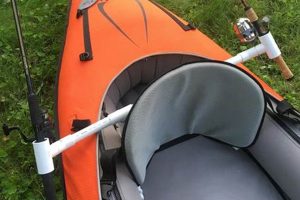
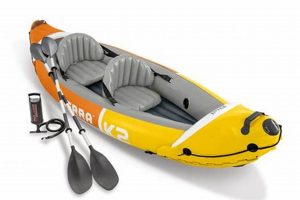
This outdoor pursuit combines the tranquility of camping with the excitement of fishing, all from the unique vantage point of a kayak. Imagine paddling a lightweight vessel across a serene lake at dawn, casting a line into promising waters, and then setting up camp on a secluded shoreline as the sun sets. This experience encapsulates the essence of this increasingly popular recreational activity.
The accessibility and versatility of this multifaceted adventure contribute significantly to its appeal. It offers a low-impact way to explore diverse environments, from secluded coves and winding rivers to vast reservoirs and coastal waters. Furthermore, it fosters self-sufficiency and a deep connection with nature, providing an escape from the pressures of modern life. While traditional boat-based fishing and camping require significant investment and logistical planning, this approach offers a more streamlined and affordable alternative, allowing individuals to embrace the outdoors with minimal equipment and reduced environmental impact.
This article will delve into the essential gear and techniques required for a successful and enjoyable trip, covering topics such as kayak selection, fishing equipment, campsite considerations, safety precautions, and Leave No Trace principles.
Tips for a Successful Trip
Careful planning and preparation are essential for a safe and rewarding experience. The following tips offer valuable insights for maximizing enjoyment and minimizing potential challenges.
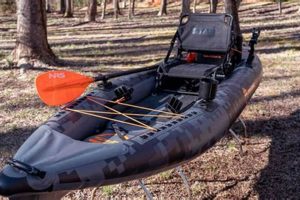
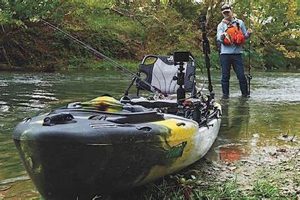
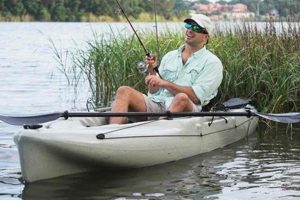
Tip 1: Choose the Right Kayak: Kayak selection depends on the intended fishing environment and personal preferences. Sit-on-top kayaks offer stability and ease of entry/exit, while sit-inside kayaks provide better protection from the elements. Consider factors such as storage capacity, maneuverability, and weight capacity when making a selection.
Tip 2: Pack Essential Fishing Gear: A well-organized tackle box containing lures, hooks, lines, and other necessary fishing accessories is crucial. Rod holders, fish finders, and landing nets can significantly enhance fishing success.
Tip 3: Prioritize Safety Equipment: A personal flotation device (PFD) is paramount. A whistle, signaling mirror, and first-aid kit should also be included. Navigation tools like a compass or GPS device are recommended, especially in unfamiliar waters.
Tip 4: Plan Campsite Logistics: Research potential campsites in advance and familiarize oneself with regulations and permit requirements. Pack lightweight camping gear, including a tent, sleeping bag, cooking equipment, and adequate food and water supplies.
Tip 5: Practice Leave No Trace Principles: Minimize environmental impact by packing out all trash, avoiding disturbing wildlife, and minimizing campfire impacts. Respecting natural surroundings ensures the preservation of these areas for future generations.
Tip 6: Check Weather Conditions: Before embarking on any trip, thoroughly check weather forecasts and be prepared for changing conditions. Wind, rain, and temperature fluctuations can significantly impact safety and comfort.
Tip 7: Inform Someone of Your Plans: Share trip details, including planned routes and return times, with a trusted contact. This precautionary measure ensures someone is aware of your whereabouts in case of an emergency.
By adhering to these guidelines, individuals can enhance their overall experience, ensuring both safety and enjoyment while embracing the unique challenges and rewards of this outdoor pursuit.
This information provides a foundation for planning a successful adventure. The following section will explore specific techniques for maximizing fishing success from a kayak.
1. Planning

Meticulous planning forms the cornerstone of a successful kayak fishing camping trip. A well-structured plan mitigates potential risks, maximizes enjoyment, and ensures a seamless integration of the three core activities. From assessing weather conditions to selecting appropriate gear and identifying suitable locations, pre-trip preparation is crucial.
- Route Mapping and Navigation
Detailed route planning is essential, especially for multi-day trips. Mapping out intended paddling routes, identifying potential hazards (like rapids or shallows), and establishing alternative routes in case of unforeseen circumstances ensures efficient navigation and reduces the risk of getting lost. A GPS device or nautical charts, coupled with knowledge of basic navigation principles, are invaluable tools.
- Gear Selection and Organization
Choosing appropriate gear significantly impacts comfort and safety. This includes selecting a kayak suitable for the intended fishing environment and packing essential camping and fishing equipment. Creating a comprehensive checklist helps ensure that nothing is overlooked, from essential safety items like a PFD to specialized fishing gear and appropriate clothing for varying weather conditions.
- Campsite Selection and Regulations
Identifying designated campsites or areas where dispersed camping is permitted is crucial. Researching regulations regarding campfires, waste disposal, and other environmental considerations ensures compliance and minimizes environmental impact. Booking campsites in advance, especially during peak seasons, can prevent last-minute disappointments.
- Contingency Planning and Emergency Preparedness
Developing contingency plans for unforeseen circumstances, such as sudden weather changes or equipment malfunctions, is vital. Packing a well-stocked first-aid kit, having a communication plan in case of emergencies, and knowing basic wilderness survival skills enhances preparedness and mitigates potential risks. Informing someone of the trip itinerary and expected return date is a fundamental safety precaution.
These planning facets are interconnected and contribute collectively to a safe and fulfilling kayak fishing camping experience. Neglecting any one aspect can compromise the entire trip, underscoring the importance of thorough preparation. A well-devised plan allows individuals to fully immerse themselves in the experience, focusing on enjoying the natural surroundings and the pursuit of their chosen activities.
2. Gear Selection
Gear selection plays a pivotal role in the success and enjoyment of kayak fishing camping trips. Appropriate gear enhances safety, improves efficiency, and allows for a more immersive experience in the outdoors. The connection between gear choices and the overall outcome of the trip is direct and significant. Choosing the correct equipment for each aspect kayaking, fishing, and camping requires careful consideration of the specific environment, planned activities, and individual needs. For example, selecting a fishing kayak with ample storage capacity is crucial for multi-day trips, while a lighter, more maneuverable kayak might be preferred for day trips on smaller bodies of water. Similarly, choosing a lightweight, waterproof tent and a comfortable sleeping bag designed for the expected temperature range ensures restful nights and efficient packing. Ignoring these factors can lead to discomfort, safety risks, and a compromised overall experience. A sturdy, reliable paddle, appropriate personal flotation device (PFD), and navigation tools are non-negotiable safety essentials.
Beyond the core equipment, specialized gear further enhances the experience. Rod holders, fish finders, and landing nets improve fishing efficiency. Dry bags protect electronics and other sensitive items from water damage. A comfortable camping chair and cooking equipment allow for enjoyable meal preparation and relaxation at the campsite. The selection of fishing tackle, including rods, reels, lines, lures, and bait, should be tailored to the target species and fishing environment. Packing appropriate clothing for varying weather conditions, including rain gear and sun protection, is essential for maintaining comfort and preventing health issues. Investing in high-quality, durable gear suited to the specific needs of kayak fishing camping enhances both performance and longevity. Choosing lightweight, compact options is crucial for efficient packing and maneuverability on the water.
In summary, meticulous gear selection directly impacts the safety, efficiency, and overall enjoyment of kayak fishing camping. Understanding the specific requirements of each activity, considering the environment and individual needs, and investing in appropriate, high-quality equipment is crucial for a successful and rewarding experience. Careful preparation in this area allows for a more immersive connection with nature and minimizes potential challenges, enabling participants to focus on the core activities and create lasting memories. It represents a crucial factor in transforming a potentially challenging outing into a seamless and enriching adventure.
3. Location Scouting
Location scouting represents a critical pre-trip phase for kayak fishing camping, directly influencing the safety and success of the venture. Careful consideration of potential locations ensures compatibility with the multifaceted nature of the activity, encompassing suitable fishing grounds, accessible campsites, and navigable waterways. Overlooking this crucial planning stage can lead to logistical challenges, safety risks, and a diminished overall experience. Thorough location scouting allows for informed decision-making and contributes significantly to a more rewarding and enjoyable trip.
- Water Accessibility and Navigability
Evaluating water accessibility considers launch points, potential portages, and overall navigability. Factors such as water depth, current speed, and presence of obstacles (e.g., rocks, submerged logs) influence kayak maneuverability and safety. For example, a location with a steep, rocky shoreline might prove unsuitable for launching and landing a kayak, while a river with strong currents could pose challenges for less experienced paddlers. Understanding these factors ensures safe and efficient navigation within the chosen environment.
- Fishing Habitat and Species Availability
Researching the fish species inhabiting a potential location and understanding their preferred habitats is key for angling success. Factors like water temperature, clarity, and the presence of vegetation or structures influence fish distribution. For instance, a lake known for its abundance of bass might require different fishing techniques and tackle compared to a river system populated by trout. Aligning location choice with target species increases the likelihood of a successful fishing experience.
- Campsite Availability and Suitability
Identifying suitable campsites involves considering factors like proximity to water, terrain characteristics, and available amenities. Established campsites often offer amenities like fire rings, picnic tables, and restrooms, while dispersed camping requires greater self-sufficiency and adherence to Leave No Trace principles. Evaluating factors like ground cover, wind exposure, and potential wildlife encounters influences campsite selection and overall comfort.
- Regulations and Permitting Requirements
Understanding local regulations and permitting requirements is essential for responsible and legal kayak fishing camping. Regulations may pertain to fishing licenses, camping permits, campfire restrictions, and waste disposal procedures. For example, some areas may require specific permits for overnight camping or restrict fishing during certain seasons. Adhering to these regulations ensures environmental protection and avoids potential fines or legal issues.
These facets of location scouting are interconnected and contribute significantly to the overall success of a kayak fishing camping trip. A well-chosen location provides a harmonious blend of fishing opportunities, suitable camping conditions, and safe, navigable waterways. Thorough research and careful consideration of these factors enhance safety, maximize enjoyment, and promote responsible interaction with the natural environment. By understanding these elements, individuals can effectively select locations that align with their skill levels, preferences, and desired experiences, ensuring a memorable and fulfilling adventure.
4. Safety Procedures
Safety procedures are paramount in kayak fishing camping, forming the bedrock of a responsible and enjoyable experience. These procedures mitigate inherent risks associated with navigating waterways, handling fishing equipment, and residing in remote environments. Prioritizing safety ensures a positive outcome and fosters a deeper appreciation for the natural surroundings.
- Navigation Safety
Safe navigation practices encompass understanding water conditions, using appropriate navigational tools, and adhering to established waterway regulations. Checking weather forecasts before embarking, carrying a compass or GPS device, and being aware of potential hazards like currents, tides, and submerged obstacles are crucial. For example, navigating through fog or strong winds without proper navigational aids can lead to disorientation and increase the risk of collisions. Competent navigation ensures efficient travel and minimizes the potential for accidents.
- Fishing Safety
Safe fishing practices involve handling equipment responsibly and being mindful of potential hazards. Wearing appropriate fishing gloves protects hands from hooks and sharp fish fins. Using caution when casting lines and securing fishing gear prevents entanglement and equipment loss. For instance, leaving fishing hooks unsecured in a kayak can result in injuries. Responsible fishing practices minimize risks to both individuals and the surrounding environment.
- Campsite Safety
Establishing a safe campsite includes selecting a stable location away from hazards like dead trees, overhanging branches, and unstable terrain. Storing food properly to avoid attracting wildlife is essential. Being mindful of fire safety regulations and practicing Leave No Trace principles minimizes environmental impact and reduces fire risks. For example, setting up camp near a dry riverbed that is susceptible to flash floods poses a significant safety risk. Careful campsite selection and responsible practices contribute to a secure and environmentally conscious camping experience.
- Emergency Preparedness
Emergency preparedness involves carrying essential safety equipment, having a communication plan, and knowing basic first aid and survival skills. A well-stocked first-aid kit, a signaling device like a whistle or mirror, and a method of communication, such as a satellite phone or personal locator beacon (PLB), are crucial. Knowing how to respond to common injuries, administer basic first aid, and signal for help in remote areas can be lifesaving. For instance, in the event of a capsize, a PFD becomes essential for survival, while a communication device enables contact with emergency services. Thorough emergency preparedness empowers individuals to respond effectively to unforeseen circumstances and mitigate potential risks.
These safety procedures, when implemented collectively, create a comprehensive safety net for kayak fishing camping. Integrating these practices into every trip minimizes risks, fosters responsible outdoor behavior, and allows individuals to fully enjoy the experience with confidence. A proactive approach to safety enhances not only personal well-being but also the preservation of the natural environment for future generations. By prioritizing safety, individuals contribute to a culture of responsible outdoor recreation and ensure that the pursuit of these combined activities remains a positive and sustainable endeavor.
5. Environmental Awareness

Environmental awareness represents a critical aspect of responsible kayak fishing camping. The direct interaction with natural environments necessitates a deep understanding of ecological principles and the potential impact of human activities. This awareness fosters sustainable practices that minimize environmental disruption and preserve the integrity of these delicate ecosystems. Failing to prioritize environmental awareness can lead to habitat degradation, pollution, and disruption of wildlife, ultimately compromising the very environments that sustain this recreational pursuit. The interconnectedness of human actions and environmental consequences underscores the importance of informed decision-making and responsible behavior.
Practical applications of environmental awareness within kayak fishing camping encompass various actions. Proper waste disposal, adhering to Leave No Trace principles, minimizing campfire impacts, and respecting wildlife are essential practices. For example, discarding fishing line improperly can entangle wildlife, while excessive noise can disrupt breeding patterns. Choosing biodegradable soaps and avoiding the use of chemical-based insect repellents minimizes water contamination. Respecting designated fishing areas and adhering to catch and release guidelines contributes to sustainable fish populations. These practical actions, driven by environmental awareness, collectively minimize human impact and contribute to the long-term health of these natural spaces.
The significance of environmental awareness extends beyond immediate environmental protection. It fosters a deeper appreciation for the natural world and promotes a sense of stewardship among outdoor enthusiasts. By understanding the delicate balance of these ecosystems, individuals develop a greater respect for the environment and a commitment to responsible recreation. This understanding translates into proactive behaviors that minimize environmental impact and ensure the preservation of these natural resources for future generations. The integration of environmental awareness into kayak fishing camping elevates the activity beyond mere recreation, transforming it into a powerful tool for environmental conservation and sustainable enjoyment of the natural world.
Frequently Asked Questions
This section addresses common inquiries regarding kayak fishing camping, providing concise and informative responses to facilitate informed decision-making and enhance understanding of this multifaceted outdoor activity.
Question 1: What type of kayak is best suited for kayak fishing camping?
Kayak selection depends on individual needs and the intended environment. Sit-on-top kayaks offer stability and ease of access, beneficial for fishing. Longer touring kayaks provide ample storage for camping gear. Inflatable kayaks offer portability but may be less stable. Careful consideration of these factors ensures optimal kayak selection.
Question 2: What essential safety equipment should one carry on a kayak fishing camping trip?
Essential safety equipment includes a personal flotation device (PFD), a whistle, a signaling mirror, a first-aid kit, navigation tools (compass or GPS), and a communication device (satellite phone or personal locator beacon). These items enhance preparedness for unforeseen circumstances and contribute significantly to safety on the water and in remote locations.
Question 3: How does one minimize environmental impact while kayak fishing camping?
Minimizing environmental impact involves adhering to Leave No Trace principles. Packing out all trash, avoiding disturbing wildlife, minimizing campfire impacts (using established fire rings or stoves), and respecting vegetation are crucial practices. Responsible behavior ensures the preservation of these natural environments for future enjoyment.
Question 4: What are the essential items to pack for a kayak fishing camping trip?
Essential items include appropriate clothing (layered for varying weather conditions), rain gear, sun protection, a tent, a sleeping bag, cooking equipment, food and water supplies, fishing gear (rods, reels, tackle), navigation tools, safety equipment, and a first-aid kit. A comprehensive packing list ensures preparedness for various situations and enhances comfort and safety.
Question 5: What are the legal considerations for kayak fishing camping?
Legal considerations vary depending on the location. Obtaining necessary fishing licenses and camping permits is crucial. Familiarizing oneself with local regulations regarding fishing seasons, catch limits, campfire restrictions, and waste disposal procedures ensures compliance and responsible behavior. Researching specific regulations based on the intended location is essential.
Question 6: How does one plan for potential weather changes during a kayak fishing camping trip?
Planning for weather changes involves checking weather forecasts before departure and remaining aware of changing conditions throughout the trip. Packing appropriate clothing for various weather scenarios, including rain gear and warm layers, is essential. Having a flexible itinerary allows for adjustments based on weather conditions. Prioritizing safety and adjusting plans as needed ensures a more enjoyable and safe experience.
These frequently asked questions provide valuable insights into various aspects of kayak fishing camping. Thorough preparation, informed decision-making, and responsible behavior contribute significantly to a safe, enjoyable, and environmentally conscious experience.
This concludes the frequently asked questions section. The following section will provide detailed information regarding specific fishing techniques for maximizing success from a kayak.
Conclusion
This exploration of kayak fishing camping has highlighted the multifaceted nature of this outdoor pursuit, emphasizing the importance of meticulous planning, appropriate gear selection, informed location scouting, stringent safety procedures, and unwavering environmental awareness. These interconnected elements contribute significantly to a successful and rewarding experience, transforming potential challenges into opportunities for growth and deeper connection with nature. The information presented serves as a comprehensive guide, equipping individuals with the knowledge and insights necessary to embark on their own adventures responsibly and confidently.
The increasing popularity of kayak fishing camping underscores a growing desire for immersive outdoor experiences that blend recreation with environmental stewardship. As individuals seek deeper connections with nature, the principles and practices outlined herein offer a pathway toward sustainable enjoyment of these unique activities. The future of this pursuit rests upon the collective commitment to responsible behavior, ensuring the preservation of these natural environments for generations to come. Embracing the challenges and rewards of kayak fishing camping offers not merely an escape from the ordinary, but an opportunity to foster a deeper understanding and appreciation for the natural world.