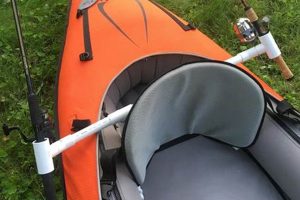
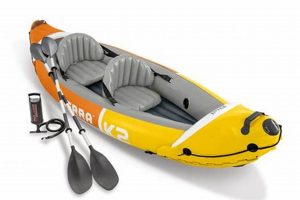
Choosing a moniker for a kayak designed for angling goes beyond mere labeling. It’s a way to personalize the vessel, imbuing it with character and making it uniquely one’s own. This act of naming can range from the practical and descriptive (e.g., “Striper Hunter”) to the humorous and whimsical (e.g., “The Unsinkable II”). Examples reflect an angler’s personality, fishing style, or aspirations on the water.
The practice adds a layer of enjoyment and connection to the angling experience. A well-chosen title can be a conversation starter at the launch ramp, a source of pride on the water, and a memorable element of fishing stories. Historically, naming boats, regardless of size, has been a tradition across many cultures, often rooted in superstition and a desire for good fortune at sea. This tradition extends naturally to modern recreational kayaks, adding a sense of ritual and personal significance to the activity.
This article will further explore the nuances of selecting appropriate and impactful designations for angling kayaks, covering topics such as creative inspiration, practical considerations, and examples of popular choices. It will serve as a guide for anglers seeking to christen their vessels with titles that reflect their individual personalities and passions.
Tips for Choosing Fishing Kayak Names
Selecting an appropriate designation for an angling kayak requires consideration of several factors. These tips offer guidance for choosing a name that resonates with the owner and enhances the overall fishing experience.
Tip 1: Reflect Personal Style: A vessel’s name should align with the owner’s personality. Serious anglers might prefer straightforward names, while those with a more playful approach might choose something humorous.
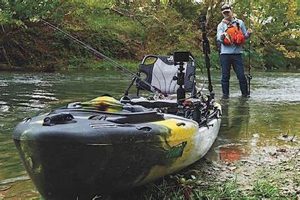
Tip 2: Consider the Kayak’s Characteristics: The kayak’s color, size, or features can inspire a suitable name. A bright yellow kayak might be dubbed “Sunshine,” while a stealthy, dark-colored kayak could be named “Shadow.”
Tip 3: Draw Inspiration from Fishing Experiences: Memorable catches, favorite fishing locations, or admired species can all provide excellent naming inspiration.
Tip 4: Keep it Concise: Shorter names are easier to remember and pronounce. They also tend to look better displayed on the kayak itself.
Tip 5: Check for Uniqueness: While drawing inspiration from others is acceptable, strive for originality. A unique name adds to the vessel’s distinct identity.
Tip 6: Avoid Offensive or Inappropriate Language: Maintain respectful and appropriate language when choosing a name, considering who might encounter it on the water.
Tip 7: Test it Out: Say the name aloud several times to ensure it flows well and feels right. Imagine calling out the name on the water or telling stories featuring it.
By considering these suggestions, anglers can select designations that reflect their personalities and enhance their connection with their kayaks. A well-chosen name adds a personal touch and contributes to the enjoyment of every fishing trip.
Equipped with these tips, anglers are ready to embark on the creative process of naming their fishing kayaks, adding a unique and personal touch to their time on the water.
1. Personalization

Personalization forms a cornerstone of the fishing kayak naming process. A personalized name transforms a standard vessel into an extension of the angler’s identity, fostering a stronger connection between person and craft. This connection enhances the overall fishing experience, adding a layer of personal meaning to each outing. Choosing a name that reflects individual preferences, fishing style, or aspirations contributes to a sense of pride and ownership. For example, an angler specializing in fly fishing might choose a name like “Whispering Wind,” while a kayak angler focused on bass fishing might opt for “Bass Tracker.” These personalized names reflect specific angling interests and contribute to the unique identity of each kayak.
The impact of personalization extends beyond individual satisfaction. A personalized name serves as a conversation starter, facilitating interactions with fellow anglers and creating a sense of community on the water. It differentiates one kayak from another, particularly in group settings or crowded launch areas. Furthermore, a carefully chosen name can become a source of personal anecdotes and fishing stories, enriching the angler’s narrative and creating lasting memories. Practical examples include names that commemorate special catches, honor fishing mentors, or celebrate favorite fishing spots. These personalized narratives add depth and significance to the angling experience.
In summary, personalization represents a crucial element of the fishing kayak naming process. It transforms a simple vessel into a personalized extension of the angler, fostering a deeper connection and enhancing the overall fishing experience. From reflecting individual fishing styles to sparking conversations and creating lasting memories, personalized names add significant value to the angler’s time on the water. The act of choosing a name, therefore, transcends mere labeling; it’s an opportunity to imbue the vessel with personal significance and transform it into a cherished companion on every fishing adventure.
2. Inspiration Sources

Inspiration sources play a crucial role in generating effective fishing kayak names. The process of selecting a name benefits significantly from drawing upon various relevant inspirations. These sources can range from the natural world to personal experiences, each offering unique possibilities for creative and meaningful names. A strong connection exists between the chosen inspiration and the resulting name, often reflecting the angler’s values, passions, or fishing style. For instance, an angler fascinated by marine life might draw inspiration from their favorite species, resulting in names like “Marlin” or “Barracuda.” Similarly, a preferred fishing technique could inspire names like “Topwater Terror” or “Jiggernaut.”
The effectiveness of an inspiration source depends on its personal relevance to the angler. Drawing from personal experiences, such as a memorable catch or a favorite fishing location, adds depth and significance to the chosen name. A kayak named after a prized fish or a cherished fishing spot carries sentimental value, strengthening the bond between angler and vessel. Practical examples include naming a kayak after a river where a personal best was caught or using the name of a fish that presented a challenging fight. Furthermore, literary works, mythology, and even popular culture can serve as valuable inspiration sources, offering a wealth of potential names with established connotations and symbolic meanings. An angler with a fondness for classical literature might choose a name like “Poseidon” or “Kraken,” evoking images of seafaring adventures and mythical creatures.
In summary, the selection of a fishing kayak name should not be a haphazard process. Careful consideration of various inspiration sources contributes significantly to a meaningful and memorable outcome. The chosen name, reflecting the angler’s personality and passions, enhances the overall fishing experience. By drawing inspiration from personal experiences, the natural world, or cultural references, anglers can create names that resonate deeply and personalize their time on the water. This process transforms a simple label into a symbol of personal identity and angling pride.
3. Practicality

Practicality plays a significant role in the selection of a fishing kayak name. While creativity and personal expression are important, a practical name enhances usability and contributes to a more enjoyable experience on the water. Considerations such as length, pronounceability, and searchability contribute to the overall effectiveness of the chosen name. A practical name simplifies identification, communication, and even potential emergency situations.
- Length and Memorability
Shorter names are generally easier to remember and pronounce, which is advantageous in various situations, from casual conversations with fellow anglers to registering the vessel. Brevity also simplifies displaying the name on the kayak itself, increasing visibility and aesthetic appeal. A long, complex name can be cumbersome and difficult to recall, while a concise name like “Osprey” or “Riptide” is easily retained and communicated.
- Pronounceability and Clarity
A name that is easy to pronounce and understand, especially over distances or in noisy environments, is crucial for clear communication on the water. This clarity can be essential in emergencies or when coordinating with other boaters. A name like “Knotty Buoy” might sound clever, but its pronounceability could be challenging in certain situations, unlike a clearer name such as “Swiftwater.”
- Searchability and Identification
In the event of loss or theft, a searchable name can aid in recovery efforts. A unique, easily searchable name simplifies the process of identifying and locating the kayak. Generic names or those with complex spellings can hinder searchability, while a distinctive name like “Bluefin” or “Castaway” increases the likelihood of successful recovery.
- Radio Communication
Clear and concise names are essential for effective radio communication, especially in emergencies or when coordinating with other vessels. A name that is difficult to understand over a radio can lead to confusion and delays. Short, easily pronounceable names like “Reef Runner” or “Sundown” are more practical for radio communication than longer, more complex names.
These practical considerations contribute significantly to a positive and safe kayaking experience. A well-chosen name, balancing practicality with personal expression, not only adds to the enjoyment of the activity but also enhances safety and facilitates communication on the water. By considering these factors, anglers can select names that are both meaningful and functional, contributing to a more enjoyable and efficient experience on every fishing trip.
4. Creativity
Creativity injects personality and distinction into the otherwise utilitarian practice of naming a fishing kayak. A creative approach elevates a simple label into a memorable identifier, reflecting the owner’s individuality and enhancing the overall fishing experience. It allows anglers to move beyond generic terms and craft names that resonate with personal fishing styles, experiences, and aspirations. This exploration delves into the facets of creative naming, examining their impact and offering practical examples.
- Originality and Uniqueness
Originality ensures the name stands out from the crowd, avoiding clichs and embracing individuality. A unique name transforms the kayak into a recognizable vessel, fostering a sense of pride and personal connection. While drawing inspiration from existing sources is acceptable, adding a personal twist ensures distinction. For example, instead of simply “Kraken,” a more original name might be “Kraken’s Kiss” or “Electric Kraken,” adding a layer of personal flair.
- Wordplay and Humor
Incorporating wordplay or humor injects levity and personality into the name, reflecting the angler’s sense of fun. Puns related to fish species, fishing techniques, or nautical terms offer opportunities for clever and memorable names. Examples include “Reel Lucky,” “Hook, Line, and Sinker,” or “The Codfather,” demonstrating how humor can create a memorable and engaging name.
- Figurative Language and Symbolism
Utilizing metaphors, similes, and other figures of speech imbues the name with symbolic meaning, adding depth and complexity. Drawing inspiration from literature, mythology, or personal experiences allows anglers to create names that represent their values, aspirations, or connection to the water. A name like “Silent Hunter” evokes a sense of stealth and patience, while “River Whisperer” suggests a deep connection with nature.
- Sound and Rhythm
Considering the sound and rhythm of the name enhances its memorability and pronounceability. Alliteration, assonance, and other literary devices can create names that are pleasing to the ear and easy to recall. Examples include “Silver Salmon,” “Pacific Prowler,” or “Misty Mariner,” demonstrating the impact of sound and rhythm on a name’s effectiveness.
By embracing these creative facets, anglers can transform a simple label into a memorable and meaningful identifier. A creative name enhances the overall fishing experience, reflecting the angler’s personality and strengthening the bond with their vessel. From humorous puns to symbolic metaphors, the possibilities are as vast as the waters explored. The act of naming becomes an opportunity for self-expression, adding a unique and personal touch to every fishing adventure.
5. Memorability

Memorability represents a crucial aspect of effective fishing kayak names. A memorable name distinguishes a vessel, solidifying its identity among other kayaks and within the angler’s personal narrative. This characteristic contributes significantly to the overall enjoyment and personalization of the fishing experience, transforming a simple label into a recognizable and cherished identifier.
- Distinctiveness
Distinctive names stand out, avoiding common or generic terms. Uniqueness ensures the name is easily recalled and associated specifically with the angler’s kayak. A distinctive name like “Sea Serpent” or “Whispering Reeds” is more memorable than a generic name like “Kayak 1” or “Blue Boat.” This distinctiveness reinforces the kayak’s individual identity and enhances its recognition among other vessels.
- Personal Resonance
Names that resonate with personal experiences, inside jokes, or significant memories hold greater memorability. This personal connection strengthens the bond between the angler and the kayak, making the name more meaningful and easier to recall. Naming a kayak after a memorable fishing trip, a cherished fishing companion, or a significant life event imbues the name with personal significance, enhancing its memorability.
- Conciseness and Simplicity
Shorter, simpler names are generally easier to remember than longer, more complex ones. Conciseness aids in both recall and pronounceability, making the name more practical and readily identifiable. A concise name like “Finatic” or “Castaway” is more easily remembered than a longer, more elaborate name, contributing to its effectiveness and practicality on the water.
- Emotive Impact
Names that evoke strong emotions, whether through humor, nostalgia, or adventure, tend to be more memorable. This emotional connection strengthens the imprint of the name, making it more likely to be recalled and associated with positive experiences. A humorous name like “Reel Men Fish” or an adventurous name like “Explorer” creates an emotional connection that enhances memorability.
These facets of memorability contribute significantly to the effectiveness of a fishing kayak name. A memorable name strengthens the angler’s connection with their vessel, enhances its recognizability, and contributes to a more personalized and enjoyable fishing experience. By considering these elements, anglers can select names that resonate deeply and become an integral part of their fishing narrative.
6. Respectful Language

Maintaining respectful language in fishing kayak names demonstrates consideration for others and contributes to a positive environment on the water. Inappropriate or offensive names can detract from the enjoyment of fellow anglers and reflect poorly on the owner. Choosing a respectful name aligns with ethical angling practices and fosters a sense of community among those who share a passion for fishing.
- Avoiding Profanity and Vulgarity
Excluding profane or vulgar language from kayak names is fundamental to maintaining respect. Such language can be offensive to others, especially families and children who share the waterways. A name like “Fishizzle” or “Basshole,” while intended to be humorous, may be perceived as inappropriate in a shared environment. Opting for cleaner alternatives ensures a more inclusive and welcoming atmosphere.
- Respect for Cultural and Social Sensitivities
Respectful names avoid language that could be offensive or insensitive to particular cultural or social groups. This consideration requires awareness of potential biases and a commitment to inclusivity. A name that trivializes or mocks a cultural tradition, for example, would be considered disrespectful. Careful consideration of potential interpretations ensures the chosen name promotes respect and understanding.
- Consideration for Wildlife and the Environment
Respectful language extends to the natural environment and the wildlife that inhabits it. Names that promote disrespect for or exploitation of natural resources can be viewed negatively. A name like “Fin Slayer” or “Hooked on Killing” might be perceived as insensitive to conservation efforts and the importance of responsible fishing practices.
- Promoting Positive Interactions
Respectful names contribute to positive interactions among anglers and other waterway users. A name that fosters camaraderie and respect enhances the overall experience for everyone. Choosing a name that reflects positive values, such as “Sportsman” or “Conservationist,” promotes a more welcoming and inclusive environment.
By adhering to these principles of respectful language, anglers contribute to a more positive and inclusive environment on the water. Choosing a name that reflects respect for others, the environment, and the sport of fishing enhances the overall experience for everyone. This consideration elevates the act of naming beyond mere labeling and transforms it into an opportunity to promote ethical angling practices and foster a sense of community among fellow enthusiasts.
Frequently Asked Questions about Naming Fishing Kayaks
This section addresses common inquiries regarding the process of selecting a name for a fishing kayak. Clarity on these points assists anglers in making informed decisions that align with personal preferences and best practices.
Question 1: Does a fishing kayak require registration and, therefore, a name?
Registration requirements vary by jurisdiction. Anglers should consult local regulations to determine whether their vessel necessitates registration and the associated naming protocols.
Question 2: Are there restrictions on the length or characters allowed in a kayak name?
While no universal standard dictates name length, practicality suggests keeping names concise. Regulations regarding permitted characters, if any, are typically outlined in local boating guidelines.
Question 3: Is it permissible to change a fishing kayak’s name after it has been assigned?
Procedures for name changes, if required, vary depending on local regulations. Consulting relevant authorities provides clarification on applicable processes.
Question 4: Are there cultural or traditional considerations regarding kayak naming?
While no universally mandated traditions exist, some anglers choose to incorporate personal or regional customs into the naming process. Researching nautical traditions may provide inspiration.
Question 5: How should a chosen name be displayed on a fishing kayak?
Various methods exist for displaying kayak names, including decals, stencils, and engraved plates. Durability and visibility should be considered when selecting a display method.
Question 6: Does naming a fishing kayak affect its resale value?
The name itself typically does not impact resale value. However, the method of display can affect the kayak’s aesthetics and, consequently, its appeal to potential buyers.
Understanding these frequently asked questions equips anglers with the knowledge to navigate the naming process effectively, ensuring a personalized and compliant approach.
The following section will explore a diverse range of fishing kayak name examples, offering further inspiration for anglers seeking the perfect moniker for their vessel.
Fishing Kayak Names
Careful consideration of fishing kayak names transforms a simple label into a significant identifier. This exploration has highlighted the multifaceted nature of the naming process, emphasizing the importance of personalization, practicality, creativity, memorability, and respectful language. Drawing inspiration from diverse sources, ranging from personal experiences to cultural references, allows anglers to craft names that reflect individual styles and enhance the overall fishing experience. Understanding local regulations and best practices ensures compliance and promotes positive interactions on the water.
The act of naming a fishing kayak transcends mere identification; it represents an opportunity to imbue a vessel with personality and significance. A well-chosen name strengthens the bond between angler and kayak, fostering a deeper appreciation for the sport and the environment. This thoughtful approach elevates the fishing experience, transforming each outing into a personalized adventure.