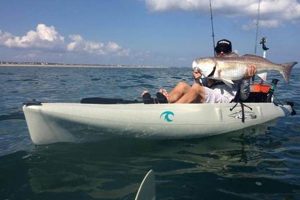
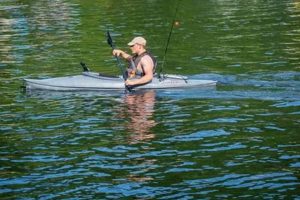
Unintentional humorous mishaps and errors occurring during angling excursions from kayaks constitute a common, often shared, experience. Examples range from minor inconveniences like tangled lines and lost tackle to more dramatic events such as unintentional capsizing or unexpected encounters with aquatic life. These incidents are frequently documented and shared online, creating a relatable subgenre of fishing-related media.
Documentation and sharing of these events serve several purposes. They provide a platform for learning from common mistakes, promoting safe practices, and building community among kayak anglers. The lighthearted nature of these incidents offers a sense of camaraderie and reduces the stigma associated with making errors. Historically, shared anecdotes have been central to the fishing community, and the digital age has amplified this tradition through readily accessible video and image sharing platforms. This fosters a more inclusive environment where less experienced anglers can learn from others’ mistakes.
Further exploration will delve into specific categories of these occurrences, analyze their underlying causes, and discuss preventative measures. Additionally, the social impact of sharing these experiences and the evolution of its online presence will be examined.
Tips Learned from Kayak Fishing Mishaps
Analysis of common kayak fishing errors reveals recurring patterns, offering valuable insights for improved safety and a more enjoyable experience. Careful consideration of these points can significantly reduce the likelihood of unfortunate incidents.
Tip 1: Pre-Trip Planning: Thorough preparation is crucial. Checking weather forecasts, informing someone of the intended fishing location and estimated return time, and understanding local water conditions can prevent unexpected difficulties.
Tip 2: Secure Equipment: Loose gear is easily lost or can create entanglement hazards. Utilizing appropriate storage solutions and securing rods, tackle boxes, and other equipment minimizes the risk of accidental loss or interference with navigation.
Tip 3: Proper Weight Distribution: Maintaining balance is paramount in a kayak. Evenly distributing weight within the vessel improves stability and reduces the chances of capsizing. Centering heavy items and avoiding overloading contribute significantly to a stable platform.
Tip 4: Practicing Re-Entry Techniques: Capsizing, while undesirable, is a possibility. Regular practice of re-entry techniques in a controlled environment builds confidence and equips anglers with the skills to handle such situations safely.
Tip 5: Understanding Water Conditions: Currents, tides, and wind conditions can change rapidly. Constant awareness of these factors and adapting fishing strategies accordingly are essential for a safe and successful outing. Checking local advisories before embarking is strongly recommended.
Tip 6: Appropriate Clothing and Safety Gear: Wearing a personal flotation device is non-negotiable. Dressing in layers appropriate for expected weather conditions and having readily accessible safety equipment such as a whistle or signaling device enhance preparedness for unforeseen circumstances.
Tip 7: Responsible Catch and Release: Practicing catch-and-release techniques minimizes stress on fish populations and preserves the environment. Using appropriate hooks, handling fish gently, and reviving them properly ensures their survival.
Implementing these preventative measures contributes significantly to a safer and more rewarding experience. Minimizing potential risks allows anglers to focus on the enjoyment of the sport and the natural environment.
By understanding common errors and adopting preventative measures, anglers can significantly enhance their kayak fishing experience.
1. Capsizing

Capsizing, the accidental overturning of a kayak, represents a significant category within kayak fishing mishaps. While often perceived humorously, understanding the contributing factors and consequences of capsizing is crucial for promoting safe practices and preventing potentially dangerous situations.
- Loss of Balance
Shifting weight too quickly or unevenly disrupts a kayak’s center of gravity, often leading to capsizing. Sudden movements, like reaching for a dropped item or hooking a large fish, exemplify common triggers. The resulting immersion can range from a minor inconvenience to a serious situation depending on water conditions and preparedness.
- Environmental Factors
Unexpected waves, strong currents, or high winds can overwhelm a kayak’s stability, causing capsize. Underestimating the power of these forces or venturing into unsuitable conditions significantly increases the risk. Proper assessment of weather forecasts and water conditions is critical.
- Improper Kayak Selection or Setup
Choosing a kayak unsuitable for the intended fishing environment or incorrectly configuring its setup contributes to instability. Overloading a kayak or neglecting proper weight distribution compromises its balance, making it more susceptible to capsizing. Understanding the limitations of the chosen vessel is crucial.
- Lack of Preparation and Practice
Failing to practice re-entry techniques or neglecting essential safety equipment exacerbates the consequences of a capsize. Difficulty re-entering the kayak or lack of a personal flotation device can transform a manageable incident into a hazardous one. Regular practice and adequate preparation are paramount.
Analyzing capsizing incidents through these facets underscores the importance of preparedness, proper technique, and respect for environmental conditions in kayak fishing. While these events often contribute to humorous “blooper” reels, they offer valuable learning opportunities for promoting safer practices and enhancing overall safety within the kayak fishing community.
2. Tangled Lines

Tangled fishing lines represent a pervasive challenge in angling, particularly pronounced in the confined space of a kayak. Their occurrence frequently contributes to the comedic mishaps categorized as “kayak fishing bloopers,” but also presents practical difficulties and safety concerns that warrant attention.
- Limited Space and Movement
The restricted area within a kayak exacerbates the tendency for lines to tangle. Simple actions like casting, retrieving, or changing lures become more complex and prone to entanglement due to the limited space for maneuvering and storing gear. This can lead to frustrating delays, lost fishing time, and potentially hazardous situations if a fish strikes while the line is in disarray.
- Wind and Current Influences
Environmental factors, such as wind and current, further complicate line management in a kayak. Wind can easily catch loose line, wrapping it around rods, paddles, or other equipment. Currents can create drag and tension on the line, increasing the likelihood of knots and tangles. These external forces add an unpredictable element to line management, requiring constant vigilance.
- Equipment Management Challenges
Organizing and accessing tackle within a kayak’s limited confines presents significant challenges. Reaching for lures, hooks, or other equipment while maintaining balance and managing a fishing rod can easily lead to dropped items and subsequent line tangles. Efficient tackle organization and storage are crucial for minimizing these occurrences.
- Consequences Beyond Inconvenience
While often viewed humorously, tangled lines in a kayak can have consequences beyond mere inconvenience. A tangled line can snag on underwater obstacles, leading to lost tackle or even capsizing. In critical situations, a tangled line can impede a quick response, such as releasing a hooked fish or adjusting to changing water conditions. Recognizing these potential dangers emphasizes the importance of proper line management techniques.
Understanding the factors contributing to tangled lines allows kayak anglers to implement preventative strategies. Improved tackle management, mindful casting and retrieving techniques, and adapting to environmental conditions can minimize the frequency of these incidents. This not only reduces frustration and lost fishing time but also contributes to a safer and more enjoyable kayaking experience.
3. Lost Equipment

Loss of equipment represents a recurring theme in kayak fishing mishaps, contributing significantly to the “blooper” narrative. While often perceived humorously, the financial implications and potential safety risks associated with lost gear warrant serious consideration. Examining the contributing factors provides valuable insights for mitigating these incidents.
- Unsecured Gear
Failure to properly secure equipment within the kayak’s limited confines is a primary cause of loss. Sudden movements, unexpected rocking, or even a hooked fish can dislodge unsecured items, sending them overboard. Rods, reels, tackle boxes, and even personal belongings like phones and keys become vulnerable without adequate securing mechanisms. The resulting financial loss can be substantial, especially with specialized fishing equipment.
- Capsizing and Immersion
Capsizing incidents dramatically increase the risk of equipment loss. Items not tethered to the kayak are likely to sink or float away, becoming difficult or impossible to retrieve. Even waterproof containers can detach and become lost in turbulent waters. This highlights the importance of not only securing gear but also utilizing floating lanyards and waterproof bags.
- Environmental Factors
Wind, waves, and current can contribute to equipment loss even without capsizing. Strong winds can lift lightweight items from the kayak, while waves can wash over the deck, sweeping away unsecured gear. Currents can carry away dropped items quickly, making retrieval challenging. Awareness of prevailing environmental conditions is crucial for preventing such losses.
- Lack of Awareness and Complacency
Complacency and lack of awareness can also lead to equipment loss. Leaving items precariously balanced or neglecting to check their security after maneuvering or landing a fish increases the risk of accidental loss. Maintaining constant awareness of gear placement and security is paramount.
The frequency of lost equipment incidents in kayak fishing underscores the importance of proactive preventative measures. Properly securing gear, utilizing lanyards and waterproof storage, and maintaining situational awareness significantly reduce the risk of loss. These precautions not only protect valuable equipment but also enhance safety by minimizing distractions and potential hazards during fishing excursions.
4. Unexpected Encounters
Unexpected encounters contribute significantly to the compendium of “kayak fishing bloopers.” These unscripted interactions with the natural world, while sometimes humorous, often underscore the importance of preparedness and respect for the environment. Understanding the potential for these encounters and their implications is crucial for a safe and rewarding kayaking experience. Close proximity to the water’s surface in a kayak increases the likelihood of surprising interactions with aquatic life. Fish jumping into the kayak, curious seals investigating anglers, or startled birds taking flight from nearby can create comical, yet potentially disruptive, scenarios. Such events, while often contributing to the “blooper” narrative, highlight the dynamic and unpredictable nature of the kayak fishing environment. For example, a large fish unexpectedly leaping into a kayak can easily shift the vessel’s balance, potentially leading to capsizing. While amusing in retrospect, such incidents emphasize the need for maintaining stability and composure in dynamic situations.
Beyond aquatic life, encounters with other elements of nature can also contribute to unexpected events. Sudden changes in weather, floating debris, or encounters with other watercraft can create unexpected challenges and contribute to “blooper” moments. A sudden gust of wind capsizing a kayak or a collision with a submerged log illustrates the need for constant vigilance and adaptability in the kayaking environment. These encounters, though often unforeseen, underscore the importance of pre-trip planning and awareness of potential hazards. Carrying appropriate safety gear, understanding weather patterns, and navigating with caution minimize the negative impact of such surprises. Furthermore, respecting wildlife and maintaining a safe distance minimizes disruptions and contributes to a harmonious coexistence within the natural environment.
In summary, unexpected encounters are an inherent aspect of kayak fishing, contributing significantly to the humorous and often instructive “blooper” genre. Recognizing the potential for these encounters and adopting appropriate safety measures and respectful practices minimizes potential risks and enhances the overall kayaking experience. These unscripted moments, while sometimes surprising, provide valuable learning opportunities and reinforce the dynamic connection between humans and the natural world within the kayak fishing environment. Understanding the potential for and implications of these encounters underscores the importance of preparedness, respect for nature, and the acceptance of unpredictable elements within the kayak fishing experience.
5. Launching Mishaps
Launching a kayak, seemingly straightforward, presents a surprisingly fertile ground for mishaps, contributing significantly to the “kayak fishing bloopers” genre. These incidents, often captured on video and shared online, range from the mildly embarrassing to the spectacularly disastrous. Analysis reveals recurring patterns and contributing factors, providing valuable insights for improving launching techniques and enhancing overall safety.
- Unstable Launching Surfaces
Slippery rocks, muddy banks, or unstable docks create precarious launching platforms, increasing the likelihood of slips, trips, and unintended immersions. Choosing a stable, even surface with adequate water depth is crucial for a smooth launch. Examples include launching from a steep, uneven bank or attempting to enter a kayak from a rocking dock. Such scenarios often result in comical struggles, highlighting the importance of selecting appropriate launching locations.
- Incorrect Entry Technique
Improper entry techniques contribute significantly to launching mishaps. Attempting to step directly into the center of the kayak or failing to maintain three points of contact during entry can lead to instability and capsizing. Examples include attempting to board a kayak while it is still floating freely or stepping onto the gunwale rather than the cockpit. Such errors often result in dramatic spills, emphasizing the need for mastering proper entry techniques.
- Environmental Factors
Wind, waves, and currents can complicate launching procedures, particularly for less experienced kayakers. Launching into strong winds or waves can destabilize the kayak, making entry challenging and increasing the risk of capsizing. Examples include launching into a strong onshore wind or attempting to navigate through breaking waves. These factors underscore the importance of assessing environmental conditions and choosing appropriate launching times.
- Overconfidence and Lack of Preparation
Overconfidence and inadequate preparation often contribute to launching mishaps. Attempting to launch without proper instruction or neglecting to check equipment before entering the water can lead to unforeseen difficulties. Examples include launching without a personal flotation device or attempting to launch a kayak with loose or improperly adjusted seating. Such oversights can have serious consequences, highlighting the importance of thorough preparation and realistic self-assessment.
Launching mishaps, while frequently a source of amusement in “kayak fishing bloopers,” provide valuable learning opportunities. Careful consideration of launching surfaces, mastering proper entry techniques, assessing environmental conditions, and thorough preparation minimize the risk of these incidents. By learning from these common errors, kayakers can enhance both their safety and the overall enjoyment of their fishing excursions.
6. Landing Struggles

Landing a kayak, the final act of a fishing excursion, often presents unexpected challenges, contributing significantly to the “kayak fishing bloopers” narrative. While seemingly straightforward, the act of returning to shore and exiting a kayak can be surprisingly complex, influenced by various factors that can transform a smooth landing into a comedic struggle. Analysis of these factors provides valuable insights for improving landing techniques and enhancing safety.
- Navigating Shallow Water and Obstacles
Shallow water and submerged obstacles, such as rocks or logs, present significant navigational challenges during landing. Maneuvering a kayak in these conditions requires precise control and awareness, as grounding or striking an obstacle can destabilize the vessel, leading to capsizing or an ungraceful exit. Instances of kayakers running aground or tipping over while attempting to navigate shallow, obstacle-laden waters are common “blooper” scenarios, highlighting the importance of careful approach and observation.
- Dealing with Waves, Currents, and Wind
Waves, currents, and wind can significantly complicate landing procedures. Strong winds can push a kayak off course, while waves can create instability and make it difficult to maintain control. Currents can create unexpected drag, hindering precise maneuvering. Examples include kayaks being pushed sideways by strong winds or being swamped by waves while attempting to land, often resulting in dramatic and humorous “blooper” moments.
- Exiting the Kayak Gracefully
Exiting a kayak smoothly requires coordination and balance. Attempting to stand up too quickly or misjudging the stability of the landing surface can lead to slips, falls, and unintended immersions. Instances of kayakers stumbling, tripping, or falling back into the water while attempting to exit their kayaks are frequent “blooper” occurrences, emphasizing the need for a controlled and deliberate exit strategy.
- Securing the Kayak Post-Landing
Securing a kayak properly after landing is crucial to prevent it from drifting away or being damaged by waves or currents. Neglecting this step can result in the kayak floating away, requiring retrieval or even becoming lost. Such incidents, while sometimes comical, underscore the importance of securing the kayak promptly and effectively after landing.
Landing struggles, while often contributing to humorous “kayak fishing bloopers,” offer valuable learning opportunities. Careful assessment of landing conditions, adapting to environmental factors, practicing controlled exit techniques, and securing the kayak effectively minimize the risk of these incidents. By understanding the potential challenges and implementing appropriate strategies, kayakers can enhance both their safety and the overall success of their fishing excursions. These often-comical struggles emphasize the importance of planning and preparedness in all stages of a kayak fishing trip, from launch to landing.
7. Tackle Box Spills

Tackle box spills represent a quintessential element within the “kayak fishing bloopers” narrative. While often perceived humorously, the disgorgement of fishing tackle into the kayak’s confined space, or worse, into the water, presents practical challenges and potential safety hazards that warrant examination. Analysis of these incidents reveals recurring patterns and contributing factors, offering valuable insights for improved organization and prevention.
- Limited Space and Movement Restrictions
The restricted confines of a kayak exacerbate the consequences of a tackle box spill. Retrieving scattered hooks, lures, and weights within a small, often unstable, environment presents significant challenges. This not only disrupts the fishing activity but also creates potential hazards from exposed hooks and entangled lines. The confined space amplifies the disruption and frustration associated with a spill, transforming a minor inconvenience into a significant impediment.
- Unsecured Tackle Boxes and Latches
Unsecured tackle boxes or faulty latches contribute significantly to spills. Sudden movements, unexpected rocking, or even a hooked fish can dislodge a poorly secured tackle box, scattering its contents. Choosing a secure storage solution with reliable latches and utilizing additional securing mechanisms, such as straps or bungee cords, minimizes the risk of accidental spills and their associated disruptions.
- Environmental Factors
Environmental conditions, such as wind and waves, can exacerbate the likelihood and consequences of tackle box spills. Rough waters can create unexpected rocking and jostling, increasing the chances of a spill occurring. Wind can catch lightweight items as they spill, scattering them further and potentially blowing them overboard. Awareness of prevailing weather conditions and securing the tackle box accordingly are crucial preventative measures.
- Consequences Beyond Inconvenience
While often portrayed humorously, tackle box spills can have consequences beyond mere inconvenience. Lost tackle represents a financial loss, and scattered hooks and weights can create entanglement hazards, increasing the risk of injury or damage to the kayak. In extreme cases, a significant spill can compromise the kayak’s stability, contributing to a capsize risk. Recognizing these potential dangers emphasizes the importance of proper tackle box management and securing mechanisms.
Tackle box spills, a frequent occurrence in “kayak fishing bloopers,” provide valuable learning opportunities. Implementing preventative measures, such as utilizing secure storage solutions, properly latching tackle boxes, and adapting to environmental conditions, minimizes the risk of these incidents. Understanding the potential consequences of these seemingly minor mishaps contributes to a safer, more organized, and ultimately more enjoyable kayak fishing experience. These “bloopers,” while often comical, highlight the importance of preparedness and attention to detail in the kayak fishing environment.
Frequently Asked Questions
This section addresses common inquiries regarding mishaps encountered during kayak fishing excursions. Understanding these potential scenarios and their associated preventative measures promotes safer and more enjoyable experiences.
Question 1: How can capsizing be prevented while kayak fishing?
Maintaining a low center of gravity, distributing weight evenly, and avoiding sudden movements are crucial. Practicing re-entry techniques and wearing a personal flotation device are essential safety precautions.
Question 2: What are effective strategies for managing fishing lines and preventing tangles in a kayak?
Utilizing line management tools, maintaining a clear casting area, and securing loose line minimize tangling. Proper tackle organization and storage also contribute significantly to line control.
Question 3: How can essential equipment be secured to prevent loss during a kayak fishing trip?
Utilizing lanyards, dry bags, and secure storage compartments within the kayak safeguards equipment. Regularly checking the security of items throughout the trip further minimizes the risk of loss.
Question 4: What precautions should be taken to minimize the impact of unexpected encounters with wildlife or environmental changes during kayak fishing?
Maintaining situational awareness, respecting wildlife by observing from a safe distance, and understanding local weather patterns are crucial. Carrying appropriate safety gear and communication devices enhances preparedness for unforeseen circumstances.
Question 5: What are the key considerations for launching and landing a kayak safely and efficiently during a fishing excursion?
Choosing a stable launching/landing site, practicing proper entry and exit techniques, and considering environmental conditions like wind and current are crucial factors. Securing the kayak promptly after landing prevents drifting and potential damage or loss.
Question 6: What steps can be taken to prevent tackle box spills and effectively manage tackle within a kayak’s limited space?
Selecting a tackle box with secure latches and utilizing additional securing mechanisms prevents spills. Organizing tackle efficiently within the box and employing designated storage areas within the kayak optimizes space utilization and minimizes clutter.
Prioritizing safety considerations and preventative measures enhances the overall kayak fishing experience, allowing anglers to focus on enjoyment and minimize potential disruptions or hazards.
Beyond these frequently asked questions, further exploration of specific techniques, safety protocols, and equipment recommendations can provide additional insights for enhancing kayak fishing experiences.
Kayak Fishing Bloopers
Analysis of kayak fishing mishaps, often categorized as “bloopers,” reveals recurring themes related to equipment management, environmental awareness, and procedural execution. Examination of incidents such as capsizing, tangled lines, lost equipment, unexpected encounters, launching/landing struggles, and tackle box spills provides valuable insights for enhancing safety and improving angling practices. These incidents, while frequently humorous, underscore the importance of preparedness, proper technique, and respect for the dynamic aquatic environment.
Minimizing the occurrence of these mishaps requires a proactive approach encompassing pre-trip planning, appropriate equipment selection and securing, adherence to established safety protocols, and continuous refinement of kayaking and angling techniques. Promoting a culture of learning from mistakes within the kayak fishing community fosters a safer and more rewarding experience for all participants, ensuring the continued enjoyment of this increasingly popular sport.