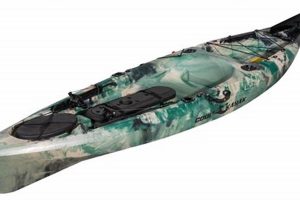
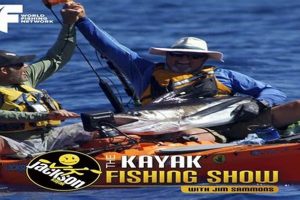
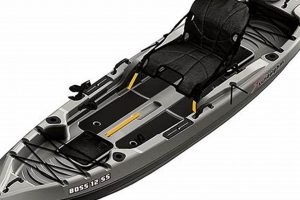
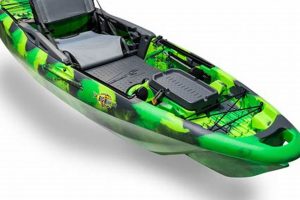
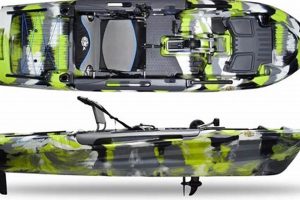
This activity involves angling from a kayak in open ocean waters, outside the area where waves break. It provides access to a wider range of fish species often found in deeper waters, including larger pelagic fish like tuna, mahi-mahi, and kingfish. It requires specialized kayaks designed for stability and seaworthiness in offshore conditions, along with specific safety equipment and navigational skills.
Venturing further offshore offers the potential for greater catches and a more challenging and rewarding angling experience. Historically, offshore fishing was primarily accessible by larger vessels. Kayaks now offer a more affordable and maneuverable platform for exploring these waters. However, this method requires careful planning and preparation due to the increased risks associated with open ocean environments. The potential rewards include access to diverse ecosystems and prized game fish.
The subsequent sections will explore essential topics related to this practice, encompassing equipment selection, safety procedures, navigation techniques, and sustainable fishing practices. Understanding these elements is crucial for a safe and successful experience.
Tips for Offshore Kayak Angling
Preparation and awareness are critical for successful and safe offshore kayak fishing. The following tips provide guidance for enhancing both safety and effectiveness in open ocean environments.
Tip 1: Choose a suitable kayak. Select a kayak specifically designed for offshore conditions. Look for features such as a longer hull length, increased stability, and ample storage for gear and catches. Sit-on-top kayaks are generally preferred for their self-bailing capabilities.
Tip 2: Prioritize safety equipment. Essential safety gear includes a personal flotation device (PFD), a VHF radio, a signaling device (such as a flare kit or personal locator beacon), and a first-aid kit. Navigation equipment, including a GPS and chartplotter, are also highly recommended.
Tip 3: Check weather and sea conditions. Before embarking on any offshore excursion, thoroughly check the marine weather forecast. Pay close attention to wind speed, wave height, and currents. Avoid venturing out in unfavorable conditions.
Tip 4: File a float plan. Inform someone on shore of your intended route, estimated time of return, and emergency contacts. This allows for quicker response in case of an emergency.
Tip 5: Understand navigation and tides. Familiarize oneself with navigational charts and the predicted tide changes for the area. Offshore currents can be strong and unpredictable, requiring constant monitoring and adjustment.
Tip 6: Practice proper paddling techniques. Efficient paddling techniques conserve energy and enhance maneuverability. Consider learning self-rescue techniques in case of capsizing.
Tip 7: Employ appropriate fishing techniques. Offshore fishing may require different techniques and tackle compared to inshore fishing. Research suitable methods for targeting specific species and be prepared to adjust strategies based on conditions.
Tip 8: Respect the environment. Practice catch-and-release whenever possible, especially for vulnerable species. Properly dispose of all waste and minimize disturbance to marine life and habitats.
Adherence to these guidelines significantly increases the likelihood of a safe and productive experience in offshore waters. Careful preparation and a proactive approach to safety are paramount for enjoying the challenges and rewards of this unique angling pursuit.
The concluding section will reiterate key safety precautions and emphasize the importance of responsible practices for preserving the marine environment.
1. Specialized Kayak Selection
Success in offshore kayak angling hinges significantly on appropriate vessel selection. The kayak acts as the angler’s primary platform and lifeline in the open ocean, necessitating careful consideration of its design and features relative to the demands of this environment. A specialized kayak tailored to offshore conditions directly impacts safety, maneuverability, and overall fishing effectiveness.
- Hull Design and Stability
Longer kayaks with a pronounced keel generally track better in open water and offer superior stability compared to shorter, wider designs. A stable hull is less susceptible to capsizing in rough seas and provides a more secure platform for casting and fighting fish. For example, a kayak with a multi-chine hull design offers greater initial stability, while a rounded hull provides better secondary stabilityresistance to tipping at steeper angles. This is critical in offshore conditions where waves and swells can be unpredictable.
- Length and Storage Capacity
Longer kayaks typically track better and offer increased storage space for essential gear, safety equipment, and potential catches. A kayak measuring 12-14 feet or longer is generally recommended for offshore excursions. Ample storage, including sealed hatches and tank wells, allows for safe and organized stowage of equipment, keeping essential items dry and accessible. This capacity proves crucial for carrying safety gear, extra tackle, and food and water for longer trips.
- Propulsion Systems
Paddle propulsion remains the most common method, demanding physical endurance and efficient paddling technique. Pedal-powered kayaks offer an alternative, freeing hands for fishing while allowing for quicker and more sustained speeds. Electrically powered kayaks also provide an advantage in covering greater distances and combating currents. Choosing the right propulsion system depends on individual preferences, physical capabilities, and the intended fishing range.
- Sit-on-Top vs. Sit-Inside Designs
Sit-on-top kayaks are generally preferred for offshore fishing due to their self-bailing capabilities. These kayaks feature scupper holes that allow water to drain out, preventing the kayak from becoming swamped in rough seas. Sit-inside kayaks, while offering better protection from the elements, can be more challenging to recover from a capsize in open water. The self-bailing design of sit-on-top kayaks offers a significant safety advantage in the challenging conditions of offshore environments.
The synergy between kayak selection and offshore fishing success cannot be overstated. A well-chosen kayak provides a stable, seaworthy platform that enhances safety, improves maneuverability, and maximizes the angler’s ability to navigate and fish effectively in the open ocean. The choice directly impacts the overall experience, influencing factors like comfort, endurance, and the ability to handle challenging sea conditions and target specific fish species.
2. Comprehensive Safety Gear

Safety assumes paramount importance in the context of kayak fishing beyond the breakers. The open ocean presents inherent risks, demanding meticulous preparation and a comprehensive approach to safety equipment. Reliable safety gear provides crucial layers of protection, mitigating potential hazards and enabling effective response to emergencies. A well-equipped kayak angler is better prepared to handle unforeseen circumstances, ensuring a safer and more enjoyable experience.
- Personal Flotation Device (PFD)
A properly fitted PFD is non-negotiable. It provides essential buoyancy in case of capsize, increasing the chances of survival in open water. Modern PFDs designed for paddling offer comfort and freedom of movement while incorporating features like pockets for small essentials. Selecting a high-visibility PFD further enhances safety by increasing visibility to boat traffic.
- Communication and Signaling Equipment
Reliable communication is vital in offshore environments. A VHF radio enables direct contact with the Coast Guard and other vessels in case of distress. Carrying a waterproof handheld GPS with a chartplotter aids navigation and facilitates precise location identification in emergencies. Visual signaling devices, such as flares and a signal mirror, provide additional means of attracting attention if required.
- Navigation and Location Awareness
A waterproof chart and compass offer backup navigation tools should electronic systems fail. Carrying a personal locator beacon (PLB) provides an additional layer of security. These devices transmit emergency signals to search and rescue authorities, significantly increasing the likelihood of a timely response in critical situations.
- Essential Safety Kit
A well-stocked first-aid kit, containing essential supplies for treating minor injuries and addressing potential medical issues, is crucial. A bilge pump and paddle float assist in recovering from a capsize. Carrying a knife, whistle, and flashlight provides additional tools for various situations, further enhancing preparedness.
The comprehensive approach to safety gear directly correlates with a safer and more confident experience when kayak fishing beyond the breakers. Investing in reliable safety equipment and understanding its proper use allows anglers to mitigate potential risks and focus on the enjoyment of offshore angling. Thorough preparation and a proactive approach to safety empower anglers to explore open waters with greater confidence and peace of mind.
3. Thorough Trip Planning

Thorough trip planning forms the bedrock of safe and successful kayak fishing beyond the breakers. The open ocean environment presents dynamic and often unpredictable conditions, necessitating meticulous preparation to mitigate potential risks and maximize fishing opportunities. A comprehensive plan accounts for various factors, transforming a potentially hazardous excursion into a calculated and enjoyable experience. For example, neglecting to check weather forecasts can lead to encountering unexpected storms or strong winds, placing the kayaker at significant risk. Conversely, researching optimal tide times and locations based on target species enhances fishing success and overall trip satisfaction. Understanding the cause-and-effect relationship between planning and outcome is crucial in offshore kayak fishing.
Trip planning encompasses several key components. A detailed assessment of marine weather forecasts, including wind speed, wave height, and current direction, is paramount. Identifying potential launch and landing sites, considering tides and prevailing conditions, ensures safe access to and from the water. Establishing a float plan, communicating intended routes and estimated return times to a trusted contact on shore, provides an essential safety net. This plan should also include emergency contact information and details of the kayak and its equipment. Furthermore, pre-trip checks of all kayak systems, including navigation and communication equipment, ensure proper functionality in critical situations. Practical applications of this understanding translate directly to enhanced safety and a more productive fishing experience. For example, knowing the tide times helps anglers predict fish movement and select optimal fishing locations, while a charged VHF radio enables communication in case of emergencies.
The significance of thorough trip planning extends beyond mere preparation; it represents a fundamental commitment to safety and responsible angling practice. Challenges such as changing weather patterns and unexpected equipment malfunctions can be addressed more effectively with a well-defined plan. By prioritizing planning, kayak anglers demonstrate a proactive approach to risk management, enhancing their ability to navigate the complexities of the open ocean environment. This ultimately contributes to a more rewarding and sustainable pursuit of offshore kayak fishing, balancing the thrill of the sport with a responsible approach to safety and environmental stewardship.

Navigating the open ocean environment from a kayak demands a higher level of proficiency than inshore paddling. Advanced navigation skills are paramount for safe and successful kayak fishing beyond the breakers. These skills enable anglers to venture farther offshore with confidence, locate productive fishing grounds, and return safely to shore. They become critical in mitigating risks associated with changing weather patterns, currents, and the vastness of the open ocean.
- Chart and Compass Proficiency
Understanding nautical charts, including symbols, depths, and landmarks, is fundamental. Compass proficiency allows for maintaining course and compensating for drift, especially crucial in the absence of electronic navigation. For example, interpreting tidal flow arrows on a chart aids in understanding current direction and strength, informing route planning and drift compensation strategies. This knowledge proves invaluable when targeting specific fishing grounds or navigating back to shore against prevailing currents.
- GPS and Electronic Chartplotter Utilization
Utilizing GPS and electronic chartplotters enhances navigational precision and situational awareness. These tools provide real-time location data, track movement, and assist in marking waypoints, including fishing spots and hazards. However, reliance solely on electronics can be risky. Battery failure or device malfunction necessitates a firm grasp of traditional navigation methods as backup. Understanding how to integrate electronic data with traditional techniques provides a comprehensive navigational approach.
- Current and Tide Prediction
Offshore currents and tides can significantly impact kayak movement and fishing conditions. Understanding tidal cycles, predicting current patterns, and accounting for drift are essential for maintaining course and optimizing fishing strategies. For example, targeting specific areas during tide changes, when currents concentrate baitfish, can significantly enhance fishing success. Recognizing the interplay between currents and tides contributes to efficient navigation and effective fishing.
- Weather Interpretation and Adaptation
Weather conditions in the open ocean can change rapidly. Interpreting weather forecasts, recognizing signs of changing conditions, and adapting navigation strategies accordingly are crucial for safety. Observing cloud formations, wind shifts, and wave patterns provides valuable real-time information that complements forecasts. The ability to adapt navigation plans based on evolving weather conditions demonstrates a proactive approach to risk management and ensures a safer offshore experience.
These advanced navigation skills, combined with a thorough understanding of the open ocean environment, empower kayak anglers to explore beyond the breakers safely and effectively. Proficiency in these areas enhances not only the ability to locate and target desirable fish species but also the capacity to navigate confidently in challenging conditions, ensuring a successful and responsible approach to offshore kayak fishing. The interplay between these navigational skills underscores the crucial link between preparation, knowledge, and safety in the dynamic environment of the open ocean.
5. Appropriate Fishing Techniques

Fishing effectiveness beyond the breakers hinges significantly on employing appropriate techniques tailored to the target species and the open ocean environment. Differing markedly from inshore practices, these techniques require specialized equipment, refined skills, and an understanding of offshore fish behavior. Selecting the right approach maximizes catch potential while minimizing environmental impact. This involves adapting to the specific challenges and opportunities presented by the open ocean, such as deeper water, stronger currents, and the presence of larger pelagic fish.
- Trolling
Trolling involves dragging lures or baited lines behind a moving kayak. This technique effectively covers a wider area, increasing the chance of encountering pelagic species like tuna, mahi-mahi, and wahoo. Varying trolling speeds and depths allows anglers to target specific fish inhabiting different parts of the water column. The use of outriggers and downriggers further refines trolling presentations, enabling precise depth control and wider lure spreads. For instance, trolling at slower speeds with deeper-diving lures can effectively target bottom-dwelling species like grouper or snapper.
- Drift Fishing
Drift fishing involves allowing the kayak to drift naturally with the current or wind, presenting baits or lures at varying depths. This technique proves effective for targeting a variety of species, from bottom-dwelling fish to suspended pelagic species. Using drift socks or sea anchors controls the kayak’s drift speed, optimizing bait presentation and maximizing fishing coverage within a chosen area. Live baiting or chumming further enhances drift fishing effectiveness by attracting fish to the area.
- Bottom Fishing
Bottom fishing focuses on targeting species inhabiting the seabed, such as snapper, grouper, and sea bass. This technique often involves anchoring or drifting over reefs or wrecks. Using heavier tackle and specialized rigs, anglers present baits directly on or near the bottom. Understanding bottom topography, identifying productive structures, and using appropriate bait types significantly impact bottom fishing success. Incorporating fish finders and GPS technology aids in locating these structures and precisely positioning the kayak for optimal fishing.
- Jigging and Casting
Jigging and casting offer active approaches to targeting pelagic and reef-associated species. Jigging involves vertically presenting lures, simulating the movement of injured baitfish to attract predators. Casting allows anglers to target specific areas, such as structure edges or schooling fish. Selecting appropriate lures, based on target species and water clarity, enhances the effectiveness of these techniques. For example, using brightly colored lures in murky water or metallic lures that mimic baitfish in clear water improves visibility and attractiveness to target species.
Mastering these appropriate fishing techniques provides a distinct advantage in offshore kayak angling. Adapting techniques to the specific conditions and target species significantly enhances fishing effectiveness. The selection and implementation of these methods, combined with sound navigational skills and a commitment to safety, contribute substantially to a successful and rewarding experience beyond the breakers. Furthermore, understanding the nuances of each technique, such as lure selection, retrieval speed, and depth control, further refines the angler’s ability to target specific species and maximize catch rates while minimizing environmental impact through responsible fishing practices.
6. Respectful Environmental Practices

Maintaining the health and integrity of marine ecosystems is paramount for the sustainability of kayak fishing beyond the breakers. Respectful environmental practices ensure the long-term viability of fish populations and preserve the natural beauty of offshore environments. These practices represent a crucial responsibility for all anglers, contributing to the conservation of these valuable resources for future generations. Neglecting these practices can lead to habitat degradation, depletion of fish stocks, and disruption of the delicate balance within marine ecosystems. Conversely, adopting a conservation-minded approach ensures the continued enjoyment of offshore kayak fishing while minimizing negative impacts on the environment.
- Minimizing Disturbance to Marine Life
Kayak anglers should avoid disturbing marine life and their habitats. This includes refraining from touching or harassing marine animals, anchoring responsibly to avoid damaging sensitive habitats like coral reefs or seagrass beds, and minimizing noise pollution. For example, using a drift sock instead of anchoring in a seagrass bed prevents physical damage to the habitat and minimizes disruption to the organisms living within it. Quiet paddling and respectful observation contribute to a less intrusive presence in the marine environment.
- Proper Waste Disposal and Pollution Prevention
Preventing pollution is critical. All trash, including fishing line, hooks, and plastic packaging, should be collected and disposed of properly on shore. Discarded fishing gear poses a significant threat to marine animals through entanglement and ingestion. Using biodegradable fishing line and eco-friendly tackle further minimizes environmental impact. Responsible waste management practices prevent the accumulation of debris in the ocean and protect marine life from harmful pollutants. For instance, collecting discarded fishing line not only removes a potential entanglement hazard for marine animals but also prevents the slow release of microplastics into the ecosystem.
- Selective Harvesting and Catch-and-Release Practices
Practicing catch and release whenever possible helps conserve fish populations, particularly for slow-growing or vulnerable species. When harvesting fish, adhering to size and bag limits ensures sustainable fishing practices. Utilizing proper handling techniques minimizes stress and injury to released fish, increasing their chances of survival. Supporting sustainable fisheries management practices helps maintain healthy fish stocks and preserves biodiversity within marine ecosystems. For example, using circle hooks reduces the likelihood of deep hooking, increasing the survival rate of released fish. Handling fish with wet hands or a wet towel minimizes damage to their protective slime coat, further enhancing their post-release survival.
- Respecting Protected Areas and Regulations
Adhering to fishing regulations and respecting designated marine protected areas is essential for preserving sensitive ecosystems. These areas often play a crucial role in fish breeding and habitat preservation. Understanding and complying with local regulations demonstrates responsible angling practices and contributes to the long-term health of the marine environment. Familiarizing oneself with restricted areas and seasonal closures safeguards vulnerable species and habitats. Respecting these regulations demonstrates a commitment to responsible stewardship of marine resources.
These respectful environmental practices are integral to the ethical and sustainable pursuit of kayak fishing beyond the breakers. By adopting a conservation-minded approach, anglers contribute directly to the preservation of marine ecosystems, ensuring the continued enjoyment of this activity for future generations. The cumulative impact of individual actions underscores the significance of responsible angling practices in maintaining the health and biodiversity of our oceans. This proactive approach to conservation safeguards not only the marine environment but also the future of offshore kayak fishing itself. It fosters a harmonious relationship between anglers and the natural world, ensuring a sustainable and rewarding experience for all.
7. Open-Ocean Awareness

Open-ocean awareness represents a critical foundation for safe and successful kayak fishing beyond the breakers. This heightened awareness transcends basic paddling skills and encompasses a comprehensive understanding of the dynamic and potentially hazardous offshore environment. It acknowledges the inherent unpredictability of open water and emphasizes the importance of proactive risk management. A cause-and-effect relationship exists between this awareness and positive outcomes. For instance, recognizing subtle shifts in wind patterns or wave behavior can alert a kayaker to impending weather changes, allowing for timely adjustments to fishing plans or a safe return to shore. Conversely, a lack of awareness can lead to misjudging conditions, resulting in dangerous situations. A kayaker unaware of strong offshore currents might inadvertently drift too far from shore, depleting energy reserves and increasing the risk of exposure or dehydration.
Open-ocean awareness comprises several key elements. Accurate weather interpretation is paramount. This involves not only understanding marine forecasts but also observing real-time conditions and recognizing signs of change. Knowledge of navigation principles, including chart reading, compass use, and GPS operation, is essential for maintaining bearings and compensating for drift in open water. Understanding tidal flows and their influence on currents allows anglers to anticipate changes in water movement and adjust fishing strategies accordingly. Furthermore, open-ocean awareness extends to recognizing potential hazards, such as changing sea states, vessel traffic, and marine life interactions. For example, recognizing the signs of an approaching squall, such as darkening skies and shifting winds, allows a kayaker to seek shelter or adjust course before conditions deteriorate. Similarly, understanding the behavior of local marine life, such as avoiding areas known for shark activity or recognizing signs of distressed marine mammals, minimizes potential risks.
The practical significance of open-ocean awareness cannot be overstated. It equips kayak anglers with the knowledge and skills necessary to make informed decisions, adapt to changing conditions, and respond effectively to unexpected situations. This awareness reduces the likelihood of incidents and increases the chances of a safe and successful offshore fishing experience. Challenges inherent in the open ocean, such as unpredictable weather and strong currents, become manageable through heightened awareness and proactive planning. Ultimately, open-ocean awareness fosters a more responsible and sustainable approach to kayak fishing beyond the breakers, promoting safety, conservation, and a deeper appreciation for the dynamic marine environment.
Frequently Asked Questions
This section addresses common queries regarding kayak fishing beyond the breakers, providing concise yet informative responses aimed at enhancing understanding and promoting safe practices.
Question 1: What type of kayak is best suited for fishing beyond the breakers?
Kayaks designed specifically for offshore use are recommended. These typically feature longer hulls for improved tracking and stability in open water, ample storage for gear and catches, and features like rudder systems and self-bailing scupper holes.
Question 2: What essential safety gear should one carry when fishing offshore from a kayak?
Essential safety equipment includes a personal flotation device (PFD), a VHF radio, signaling devices (flares, whistle, mirror), a first-aid kit, navigation tools (GPS, chart, compass), and a bilge pump. A personal locator beacon (PLB) is also highly recommended.
Question 3: How does one plan for an offshore kayak fishing trip effectively?
Effective trip planning involves checking marine weather forecasts, identifying suitable launch and landing sites, establishing a float plan with a trusted contact, and thoroughly inspecting all kayak systems and safety gear before departure.
Question 4: What navigational skills are crucial for offshore kayak fishing?
Proficiency in chart reading, compass use, and GPS operation is essential. Understanding tidal flows, current patterns, and weather interpretation are also crucial for safe navigation in open water.
Question 5: What fishing techniques are most effective beyond the breakers?
Effective techniques include trolling, drift fishing, bottom fishing, and jigging/casting. The choice of technique depends on the target species and prevailing conditions. Adaptability is key in offshore environments.
Question 6: How can one minimize environmental impact while kayak fishing offshore?
Minimizing impact involves adhering to catch-and-release practices, proper waste disposal, avoiding disturbance to marine life and habitats, respecting protected areas, and complying with all relevant fishing regulations.
Careful consideration of these frequently asked questions equips anglers with essential knowledge for a safer and more rewarding offshore kayak fishing experience. Prioritizing safety, responsible angling practices, and environmental stewardship ensures the sustainability of this unique pursuit.
The concluding section will offer final recommendations and emphasize the importance of continuous learning and adaptation in the dynamic realm of offshore kayak fishing.
Kayak Fishing Beyond the Breakers
This exploration of kayak fishing beyond the breakers has highlighted key elements essential for a safe and rewarding experience. From specialized kayak selection and comprehensive safety gear to advanced navigation skills and appropriate fishing techniques, each aspect contributes significantly to successful offshore angling. Thorough trip planning and respectful environmental practices further underscore the importance of responsible engagement with the marine environment. Open-ocean awareness, encompassing weather interpretation, current prediction, and an understanding of potential hazards, forms the foundation for informed decision-making and proactive risk management in the dynamic offshore environment. The interconnectedness of these elements emphasizes the comprehensive nature of offshore kayak fishing, demanding a holistic approach that prioritizes safety, skill development, and environmental stewardship.
The pursuit of kayak fishing beyond the breakers offers a unique and challenging connection with the ocean. Continued learning, adaptation to evolving conditions, and a commitment to responsible practices remain crucial for navigating the complexities of this rewarding pursuit. As anglers venture further offshore, embracing these principles ensures not only personal safety and fishing success but also the long-term health and preservation of the marine environment. The future of this exhilarating sport rests upon the collective commitment to responsible and sustainable practices, ensuring that future generations can continue to experience the thrill and tranquility of kayak fishing beyond the breakers.