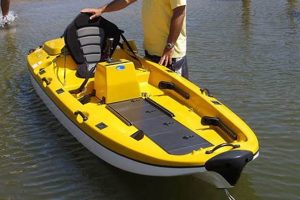
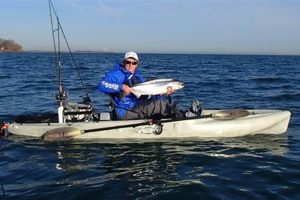
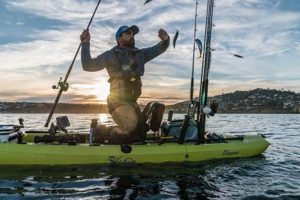
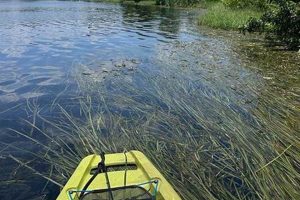
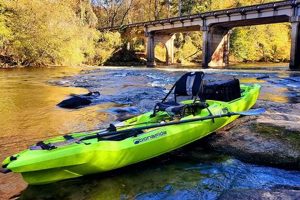
This activity involves anglers using kayaks to access Belize’s diverse marine environments. It offers a unique blend of sport and exploration, allowing access to shallow flats, mangrove-lined coasts, and protected reefs often inaccessible to larger vessels. Imagine casting a line amidst tranquil turquoise waters, surrounded by vibrant coral reefs and diverse marine life.
The significance of this pursuit stems from its low environmental impact and its ability to foster a deep connection with nature. It provides an intimate experience of Belize’s aquatic ecosystems, contributing to sustainable tourism and supporting local economies. Furthermore, it can be enjoyed by anglers of all skill levels, from novice to expert. Historically, small watercraft have been integral to fishing practices in the region, and this modern iteration carries on that tradition while incorporating sustainable practices.
The following sections delve into specific aspects of this unique angling experience, including popular locations, target species, essential gear, and responsible fishing practices within Belizean waters.
Tips for Kayak Fishing in Belize
Successful kayak fishing expeditions require careful planning and preparation. The following tips offer valuable insights for maximizing enjoyment and success while minimizing potential risks.
Tip 1: Prioritize Safety Equipment: Always wear a personal flotation device (PFD). Carry a whistle, signaling mirror, and a waterproof VHF radio for communication. A first-aid kit and essential tools for minor repairs are also crucial.
Tip 2: Understand Local Regulations: Familiarize oneself with Belizean fishing regulations, including licensing requirements and size/catch limits. Respect protected areas and marine reserves.
Tip 3: Choose the Right Kayak: Select a kayak designed for stability and suitable for the intended fishing environment. Sit-on-top kayaks are generally preferred for their self-bailing capabilities and ease of entry/exit.
Tip 4: Plan for Weather Conditions: Check marine weather forecasts before venturing out. Be prepared for changing conditions and avoid fishing during storms or strong winds.
Tip 5: Pack Essential Gear: Carry appropriate fishing tackle, including rods, reels, lines, lures, and bait suitable for target species. Sun protection (hat, sunscreen, polarized sunglasses) and hydration are also essential.
Tip 6: Navigate Responsibly: Utilize charts, GPS, and navigational aids. Be mindful of tides, currents, and potential hazards such as reefs or shallow areas.
Tip 7: Practice Catch and Release: Consider practicing catch and release to help preserve fish populations. Handle fish carefully and minimize their time out of the water.
Tip 8: Hire a Local Guide: For those unfamiliar with the area, hiring a local guide can significantly enhance the fishing experience. Guides offer valuable insights into local fishing spots, techniques, and regulations.
By adhering to these guidelines, anglers can enjoy a rewarding and responsible kayak fishing experience in Belize, minimizing risks and maximizing their chances of success while preserving the natural environment.
The information provided here aims to equip anglers with the knowledge and preparation needed for a successful and enjoyable Belizean kayak fishing adventure.
1. Tranquil Locations

The tranquility of Belize’s diverse marine environments forms an integral component of the kayak fishing experience. Calm, shallow waters provide ideal conditions for sight fishing, allowing anglers to observe fish behavior and target specific species with precision. These locations often feature sheltered areas protected from strong winds and currents, contributing to a peaceful and immersive experience. For example, the numerous lagoons and mangrove-lined creeks offer sheltered environments teeming with bonefish, permit, and tarpon. The absence of motorized boat traffic in these areas enhances the sense of serenity, allowing anglers to fully connect with the natural surroundings.
Access to tranquil locations via kayak distinguishes this activity from traditional boat fishing. Kayaks enable anglers to navigate shallow flats, weave through mangrove forests, and explore secluded coves inaccessible to larger vessels. This intimate access offers unique opportunities to observe wildlife and experience the ecosystem firsthand. The quiet approach afforded by a kayak minimizes disturbance to marine life, increasing the chances of successful catches and providing a more natural and rewarding fishing experience. This advantage proves particularly significant when targeting wary species like bonefish, which are easily spooked by noise and commotion. Furthermore, the shallow draft of kayaks allows access to areas where larger boats cannot venture, opening up a wealth of fishing opportunities.
Understanding the significance of tranquil locations for kayak fishing in Belize informs location selection and contributes to a more rewarding experience. Seeking out sheltered areas with minimal boat traffic enhances the sense of tranquility and maximizes fishing success. This appreciation for peaceful environments fosters a deeper connection with nature and promotes responsible angling practices. Challenges such as wind and tide changes can impact tranquility; therefore, careful planning and preparation remain essential for a successful and enjoyable outing.
2. Diverse Species

Belize’s rich biodiversity directly contributes to the appeal of kayak fishing. The variety of fish species inhabiting its waters, from bonefish and tarpon in the shallow flats to snapper and grouper around reefs and deeper structures, offers anglers diverse challenges and opportunities. This diversity necessitates adapting fishing techniques and tackle to specific target species, enhancing the skill and knowledge required for successful angling. For example, pursuing bonefish on the flats requires delicate presentations and stealthy approaches, contrasting sharply with the robust tackle and powerful retrieves needed for battling tarpon in deeper channels.
The presence of numerous game fish species enhances the experience. Permit, known for their challenging nature, test an angler’s skill and patience. The exhilarating fight of a tarpon offers an unforgettable adrenaline rush. Grand slam opportunities, involving catching a bonefish, permit, and tarpon in a single day, present the ultimate challenge for experienced anglers. This diversity ensures a dynamic and engaging experience, adapting to different skill levels and preferences. Furthermore, the opportunity to observe diverse marine life, from colorful reef fish to occasional sightings of marine mammals, enriches the overall experience beyond the pursuit of game fish.
Understanding the diverse species available in Belizean waters is crucial for effective kayak fishing. Prior research into target species, their habitats, and preferred feeding patterns increases the likelihood of successful catches. This knowledge informs tackle choices, lure selection, and fishing strategies. Furthermore, recognizing the ecological role of different species fosters responsible angling practices, contributing to the long-term health and sustainability of Belize’s marine ecosystems. Challenges such as seasonal variations in fish behavior and distribution necessitate ongoing learning and adaptation for consistent success. Ultimately, appreciation for the diverse species available elevates kayak fishing from a simple pastime to a rewarding engagement with the natural world.
3. Specialized Gear

Specialized gear plays a crucial role in successful and enjoyable kayak fishing excursions in Belize. Proper equipment enhances angler safety, improves fishing effectiveness, and contributes to a more comfortable and efficient experience. Selecting appropriate gear requires consideration of the target species, fishing environment, and individual angler preferences. The following facets highlight key equipment categories and their relevance to kayak fishing in Belize.
- Kayak Selection
Kayak choice significantly impacts maneuverability, stability, and storage capacity. Sit-on-top kayaks are generally preferred for their self-bailing design and ease of re-entry after a water landing. Shorter kayaks offer greater maneuverability in tight spaces like mangrove creeks, while longer kayaks provide increased speed and tracking in open water. Weight capacity considerations must account for angler weight, gear, and potential catches. Selecting a kayak appropriate for the intended fishing environment and angler experience level is paramount for safety and enjoyment.
- Fishing Rods and Reels
Rods and reels tailored for saltwater fishing and target species are essential. Lightweight, corrosion-resistant rods designed for spin casting or fly fishing are common choices. Reels should be matched to the rod and line weight, offering smooth drag systems and adequate line capacity. Rod and reel selection depends on the target species, fishing techniques employed, and personal preference. For example, targeting bonefish requires a different setup than pursuing larger game fish like tarpon.
- Tackle and Accessories
Appropriate tackle, including lines, leaders, hooks, lures, and baits, varies depending on target species and fishing conditions. Braided fishing line offers strength and sensitivity, while fluorocarbon leaders provide near invisibility in clear water. Lure selection should mimic local prey species. Essential accessories include pliers for hook removal, a knife, and a landing net for safely handling fish. A tackle box or bag keeps gear organized and readily accessible. Proper tackle selection and organization contribute significantly to fishing success.
- Safety and Navigation Equipment
Prioritizing safety is paramount in kayak fishing. A personal flotation device (PFD) is mandatory and should be worn at all times. A whistle, signaling mirror, and VHF radio enhance communication in emergencies. A GPS device or chartplotter aids navigation, particularly in unfamiliar waters. Dry bags protect essential items like phones and wallets from water damage. Carrying a first-aid kit and basic repair tools addresses minor injuries and equipment malfunctions. Thorough preparation enhances safety and minimizes potential risks.
These specialized gear considerations are interconnected and crucial for a successful kayak fishing experience in Belize. Careful selection and appropriate use of equipment enhance both safety and fishing effectiveness. Prioritizing quality gear suited to the specific demands of kayak fishing in Belizes diverse environments optimizes the chances of a rewarding and memorable experience.
4. Safety Procedures

Safety procedures are paramount for kayak fishing in Belize, ensuring angler well-being and mitigating potential risks associated with the marine environment. Implementing appropriate safety measures allows for a more enjoyable and responsible experience, minimizing potential hazards and promoting sustainable practices. The following facets highlight key safety considerations specific to kayak fishing within Belizean waters.
- Personal Flotation Devices (PFDs)
Wearing a properly fitted PFD is non-negotiable. PFDs provide essential buoyancy in the event of capsizing or accidental immersion, significantly increasing survival chances. Belizean regulations may mandate PFD usage. Selecting a comfortable, well-maintained PFD suited to the fishing environment is crucial. Inflatable PFDs offer increased comfort but require regular inspection and maintenance.
- Communication Equipment
Reliable communication is vital for summoning assistance in emergencies. Carrying a waterproof VHF radio allows direct contact with the coast guard and other vessels. A whistle and signaling mirror provide additional means of attracting attention. Ensuring communication devices are charged and functional before each trip is essential. Familiarization with emergency communication protocols enhances preparedness.
- Weather Awareness
Checking marine weather forecasts before embarking on a kayak fishing trip is crucial. Sudden weather changes can create hazardous conditions, including strong winds, choppy seas, and reduced visibility. Avoiding fishing during storms or adverse weather conditions prioritizes safety. Monitoring weather conditions throughout the trip allows for timely adjustments to plans and ensures angler safety.
- Navigation and Awareness
Carrying navigational aids, such as charts, GPS devices, and a compass, is vital, especially when fishing in unfamiliar areas. Awareness of tides, currents, and potential hazards like reefs and shallow areas prevents groundings and collisions. Informing someone onshore of planned fishing locations and estimated return times enhances safety and facilitates assistance if needed. Regularly checking position and remaining aware of surroundings minimizes navigational risks.
Adherence to these safety procedures significantly mitigates risks inherent to kayak fishing in Belize’s diverse marine environments. Prioritizing safety fosters responsible angling practices, contributes to a more enjoyable experience, and ensures angler well-being. Integrating these safety measures into pre-trip planning and on-the-water practices is essential for a successful and safe kayak fishing adventure.
5. Local Regulations
Adherence to local regulations forms an integral aspect of responsible kayak fishing in Belize. These regulations, established to protect marine ecosystems and ensure sustainable fishing practices, govern aspects such as licensing requirements, permitted fishing areas, catch limits, and size restrictions for specific species. Compliance with these regulations is not merely a legal obligation but a crucial contribution to preserving Belize’s valuable marine resources for future generations. For example, regulations may prohibit fishing in designated marine protected areas or specify minimum sizes for bonefish to safeguard breeding populations. Ignoring such regulations can result in penalties and contribute to the depletion of fish stocks.
Understanding and respecting local regulations offers several practical benefits. Compliance prevents legal repercussions, fostering a positive relationship with local authorities and contributing to a more sustainable fishing environment. Awareness of permitted fishing zones ensures anglers access productive fishing grounds while respecting protected areas crucial for marine biodiversity. Observing catch limits and size restrictions contributes directly to fish population health, ensuring the longevity of the sport. Furthermore, familiarity with local regulations often provides valuable insights into local fishing practices and etiquette, enhancing the overall fishing experience. For instance, understanding regulations related to the use of specific fishing gear, such as nets or certain types of lures, can prevent unintentional violations and contribute to a more ethical and sustainable fishing approach.
In summary, awareness and observance of local regulations are essential components of responsible kayak fishing in Belize. Compliance protects marine ecosystems, ensures the sustainability of fish populations, and fosters a positive and legally sound fishing experience. Challenges may arise from the complexity or variability of regulations; therefore, consulting official sources or engaging local guides remains crucial for staying informed and compliant. Ultimately, respecting local regulations demonstrates a commitment to ethical angling practices and contributes to the long-term health and viability of Belize’s valuable marine resources.
6. Sustainable Practices
Sustainable practices are essential for preserving the integrity of Belize’s marine ecosystems and ensuring the longevity of kayak fishing opportunities. Integrating these practices into all aspects of kayak fishing, from planning and preparation to on-the-water activities, minimizes environmental impact and promotes responsible angling. This approach fosters a harmonious relationship between anglers and the natural environment, safeguarding Belize’s rich biodiversity for future generations.
- Catch and Release Fishing
Prioritizing catch and release minimizes stress on fish populations and contributes to their long-term health. Handling fish carefully, using appropriate hooks and tackle, and minimizing air exposure reduces injury and mortality rates during release. Practicing proper catch-and-release techniques ensures fish can return to their natural habitat with minimal impact, preserving the ecosystem’s balance.
- Respect for Marine Habitats
Avoiding anchoring in sensitive areas like coral reefs or seagrass beds prevents damage to these fragile ecosystems. Using designated anchoring points or drifting techniques minimizes disruption to marine life and their habitats. Respecting closures and restricted areas, often established to protect vulnerable species or breeding grounds, further contributes to ecosystem preservation.
- Waste Management and Pollution Prevention
Proper disposal of fishing line, hooks, and other waste prevents entanglement and ingestion hazards for marine animals. Carrying reusable water bottles and minimizing plastic waste reduces pollution and protects water quality. Adhering to Leave No Trace principles ensures the natural environment remains pristine and undisturbed.
- Supporting Local Conservation Efforts
Engaging with local conservation organizations, participating in cleanup initiatives, or contributing to research projects actively supports efforts to protect Belize’s marine environment. Patronizing eco-conscious tour operators and businesses that prioritize sustainability reinforces responsible practices within the tourism sector. Supporting sustainable fishing practices benefits local communities and contributes to the long-term health of the ecosystem.
Integrating these sustainable practices into kayak fishing activities ensures the preservation of Belize’s unique marine environment. Responsible angling not only protects fish populations and their habitats but also contributes to the overall health and resilience of the ecosystem. This approach enhances the long-term viability of kayak fishing, ensuring future generations can enjoy this rewarding experience while minimizing their impact on the natural world.
Frequently Asked Questions
This section addresses common inquiries regarding kayak fishing in Belize, providing concise and informative responses to facilitate informed decision-making and enhance the overall experience.
Question 1: What are the typical costs associated with kayak fishing in Belize?
Costs vary depending on factors such as kayak rental duration, guided tour inclusion, and equipment needs. Renting a kayak typically ranges from $50 to $100 USD per day. Guided tours, offering expertise and access to prime fishing locations, often range from $150 to $300 USD per day. Personal equipment costs depend on individual needs and preferences.
Question 2: Is prior kayak fishing experience necessary?
Prior experience is beneficial but not strictly mandatory. Novice anglers can participate in guided tours tailored for beginners, receiving instruction on basic techniques and safety procedures. Calm, sheltered waters within Belize offer suitable conditions for learning. However, prior familiarization with kayak handling enhances comfort and confidence.
Question 3: What are the prime seasons for kayak fishing in Belize?
Fishing is generally productive year-round, but specific species exhibit seasonal variations in activity. Bonefish are readily available throughout the year. Tarpon migrations peak during the warmer months. Permit are targeted most effectively during the spring and fall. Researching target species’ seasonal behavior enhances fishing success.
Question 4: What essential gear should one pack for a kayak fishing trip in Belize?
Essential gear includes a personal flotation device (PFD), appropriate fishing rods and reels, tackle suited for target species, sun protection (hat, sunscreen, polarized sunglasses), and ample hydration. Navigation aids (GPS, charts) and communication devices (VHF radio, whistle) enhance safety. Dry bags protect electronics and valuables from water damage. A first-aid kit addresses minor injuries.
Question 5: Are there specific regulations regarding fishing licenses and catch limits in Belize?
Belize requires fishing licenses, obtainable from authorized vendors or online. Regulations specify catch limits and size restrictions for various species to ensure sustainable fishing practices. Familiarization with current regulations prior to fishing is essential for compliance and responsible angling. Local guides can provide up-to-date information on licensing and regulations.
Question 6: What safety precautions should be taken while kayak fishing in Belize?
Prioritizing safety is paramount. Always wear a PFD. Check weather forecasts before venturing out and avoid fishing in adverse conditions. Inform someone onshore of fishing plans and estimated return times. Carry communication devices for emergencies. Be mindful of tides, currents, and potential hazards such as reefs or shallow areas. Respect marine wildlife and their habitats.
Understanding these key aspects of kayak fishing in Belize ensures a safe, enjoyable, and responsible experience. Thorough preparation, adherence to regulations, and respect for the environment contribute to a successful and sustainable angling adventure.
For further inquiries or specific information, consulting local fishing authorities or experienced guides is recommended.
Kayak Fishing Belize
Exploration of kayak fishing within Belizean waters reveals a unique blend of angling, exploration, and ecological awareness. Key elements highlighted include the importance of tranquil locations for accessing diverse species, the necessity of specialized gear, adherence to safety procedures and local regulations, and the integration of sustainable practices. These factors collectively contribute to a rewarding and responsible angling experience, emphasizing the interconnectedness between angler, environment, and the pursuit of game fish.
Kayak fishing in Belize offers an opportunity to engage with a vibrant ecosystem while contributing to its preservation. Informed decision-making, respectful angling practices, and continued support for sustainable tourism initiatives are crucial for safeguarding Belize’s marine resources. This approach ensures future generations can experience the unique allure of kayak fishing within this ecologically significant region.