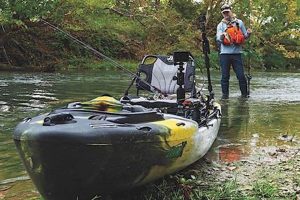
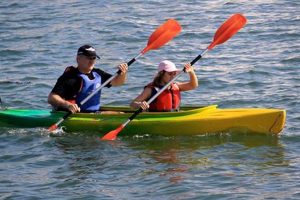
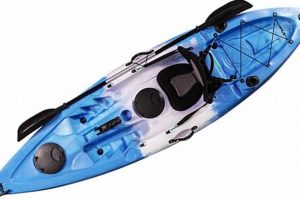
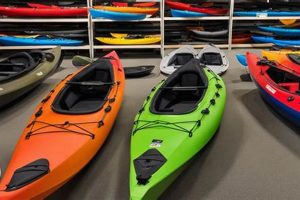
Acquiring a kayak at a low cost or participating in affordable kayaking excursions opens up paddling opportunities for a wider audience. This can involve finding discounted kayaks, used kayaks, or affordable rental options. For example, searching for sales, considering less popular brands, or opting for older models can yield budget-friendly results. Similarly, looking for group discounts, off-season deals, or shorter rental durations can reduce the cost of guided tours or independent paddling experiences.
Affordability in watersports promotes inclusivity and allows more individuals to enjoy the physical and mental health benefits of kayaking. Historically, kayaking and canoeing were essential for transportation and fishing. While these activities evolved into recreational pursuits, cost can be a barrier. Prioritizing economical options allows for broader participation and appreciation of these activities, connecting people with nature and promoting an active lifestyle.
This focus on cost-effectiveness naturally leads to exploring topics such as comparing kayak prices across different retailers, identifying budget-friendly kayak accessories, and discovering free or low-cost kayaking locations. Furthermore, understanding how to maintain a kayak to extend its lifespan can also contribute to long-term savings.
Tips for Affordable Kayaking
Minimizing expenses associated with kayaking requires strategic planning and informed decision-making. The following tips offer guidance on accessing this rewarding activity without significant financial strain.
Tip 1: Explore the used kayak market. Pre-owned kayaks offer substantial savings compared to new models. Checking online marketplaces, local classifieds, and consignment shops can yield excellent deals. Thoroughly inspect used kayaks for damage before purchase.
Tip 2: Consider less popular brands. Established brands often command premium prices. Opting for lesser-known manufacturers can provide comparable quality at a lower cost. Researching reviews and specifications ensures suitable performance and durability.
Tip 3: Rent before buying. Renting allows individuals to experience different kayak types before committing to a purchase. This helps determine the preferred features and avoids costly mistakes. Rental fees can often be applied towards a future purchase at some retailers.
Tip 4: Look for seasonal sales and discounts. Retailers often offer discounts during the off-season or for specific holidays. Subscribing to retailer newsletters and following social media accounts can provide alerts about upcoming sales events.
Tip 5: Join a kayaking club or group. Clubs frequently offer discounted group rentals, organized trips, and access to shared equipment. This can significantly reduce individual costs and provide opportunities for social interaction.
Tip 6: Explore free or low-cost launch sites. Many public parks and waterways offer free or inexpensive access for kayakers. Researching local access points helps avoid unnecessary launch fees.
By implementing these strategies, significant cost savings can be realized, making kayaking accessible to a broader range of enthusiasts. Focusing on value and careful planning ensures maximum enjoyment without excessive expenditure.
Ultimately, enjoying the tranquility and adventure of kayaking doesn’t necessitate a large financial investment. With thoughtful planning and resourcefulness, anyone can experience the joys of paddling.
1. Used Kayaks

Acquiring a used kayak represents a primary method for reducing the financial burden associated with the sport. The used kayak market offers a range of options, allowing potential paddlers to find a suitable vessel at a significantly lower cost than purchasing new. Understanding the nuances of this market is crucial for maximizing value and ensuring a satisfactory purchase.
- Condition Assessment
Evaluating the condition of a used kayak is paramount. Careful inspection for cracks, deep scratches, and repairs is essential. Examining the hull for signs of wear, UV damage, and proper storage practices provides insights into the kayak’s history and potential lifespan. A thorough assessment mitigates the risk of acquiring a damaged or unsuitable craft.
- Pricing Research
Researching current market prices for comparable kayak models establishes a baseline for negotiation. Online marketplaces, classified advertisements, and local paddling communities provide valuable data points. Understanding the fair market value empowers buyers to make informed offers and avoid overpaying.
- Seller Reputation
When purchasing from private sellers, considering their reputation adds a layer of security. Online reviews and feedback within kayaking communities provide insights into seller reliability and transaction history. Prioritizing reputable sellers minimizes the risk of fraudulent activities or misrepresented kayak conditions.
- Equipment Considerations
Used kayaks are sometimes sold with additional equipment, such as paddles, life vests, and storage accessories. Evaluating the condition and value of included equipment factors into the overall cost-benefit analysis. Acquiring necessary accessories alongside the kayak can contribute to further savings.
The used kayak market provides substantial opportunities for cost savings. By diligently assessing condition, researching pricing, considering seller reputation, and evaluating included equipment, prospective kayakers can acquire a suitable vessel while minimizing expenditure, aligning with the core principle of affordable paddling.
2. Rental Options

Kayak rentals offer a pathway to experiencing the sport without the commitment of ownership, aligning directly with the concept of “kayak cheap.” This approach provides access to kayaking while minimizing upfront costs and ongoing maintenance responsibilities. Exploring rental options requires consideration of several key factors to maximize value and enjoyment.
- Rental Duration and Cost
Rental periods typically range from hourly to multi-day excursions. Shorter durations offer opportunities for brief introductory experiences, while longer rentals facilitate extended trips and skill development. Comparing hourly and daily rates across various rental providers aids in identifying the most cost-effective option for the desired timeframe.
- Kayak Type and Suitability
Rental fleets often include a variety of kayak types, catering to diverse paddling styles and experience levels. Recreational kayaks are ideal for beginners, while touring or sea kayaks suit longer journeys and open water conditions. Selecting a kayak appropriate for the intended environment and skill level enhances safety and enjoyment. Inquiring about kayak specifications and seeking recommendations from rental staff ensures a suitable match.
- Rental Location and Accessibility
Rental locations influence the types of kayaking experiences available. Lakeside rentals offer calm water paddling, while coastal locations provide access to ocean environments. Considering travel time and transportation costs to the rental site contributes to overall affordability. Prioritizing conveniently located rentals minimizes logistical complexities and associated expenses.
- Included Equipment and Services
Rental packages may include essential equipment such as paddles, life vests, and dry bags. Some providers offer additional services like guided tours or shuttle services to launch points. Evaluating the included equipment and services against individual needs and budget constraints ensures a comprehensive and cost-effective rental experience.
Utilizing kayak rentals allows individuals to explore the sport without significant financial investment. By carefully considering rental duration and cost, kayak type and suitability, rental location and accessibility, and included equipment and services, paddlers can maximize enjoyment while adhering to a budget-conscious approach, effectively embodying the “kayak cheap” philosophy.
3. Off-season Deals

Acquiring a kayak at a reduced price aligns directly with the “kayak cheap” objective. Off-season deals represent a significant avenue for achieving this. Retailers and manufacturers frequently offer substantial discounts during periods of lower demand to clear inventory and stimulate sales. Capitalizing on these opportunities requires strategic timing and awareness of market trends.
- Timing of Purchases
Kayak sales typically peak during the warmer months when paddling activity is highest. Consequently, prices tend to decrease during the fall and winter seasons. Purchasing a kayak during these periods often yields considerable savings. Understanding these cyclical patterns allows prospective buyers to optimize purchase timing for maximum cost reduction.
- Clearance Sales and Promotions
Retailers frequently hold clearance sales and promotional events at the end of the season or during holidays. These events often feature deep discounts on remaining inventory, including kayaks, paddles, and other accessories. Monitoring retailer websites and subscribing to mailing lists provides advanced notice of upcoming sales, enabling proactive planning and timely purchases.
- Manufacturer Incentives
Kayak manufacturers sometimes offer rebates, discounts, or package deals during the off-season to incentivize sales. These incentives can further reduce the overall cost of acquiring a kayak. Researching manufacturer websites and contacting authorized dealers provides access to these potential savings opportunities.
- Demo and Used Kayak Sales
Rental fleets and demonstration models are often sold at discounted prices during the off-season. These kayaks may exhibit minor wear and tear but typically offer significant cost savings compared to brand-new models. Inspecting these kayaks thoroughly before purchase ensures they meet quality and functionality requirements.
Leveraging off-season deals constitutes a core strategy for obtaining a kayak at a reduced cost. By understanding seasonal pricing fluctuations, monitoring clearance sales, researching manufacturer incentives, and considering demo or used kayak options, budget-conscious paddlers can significantly reduce expenses, directly aligning with the “kayak cheap” principle. This approach facilitates access to the sport without compromising quality or safety.
4. Less Popular Brands

Cost-consciousness in kayaking often leads to exploring alternatives to established, premium brands. Less popular kayak brands frequently offer comparable quality and features at significantly lower price points, directly addressing the “kayak cheap” concept. Understanding the advantages and potential trade-offs associated with these brands empowers informed purchasing decisions.
- Reduced Marketing and Branding Costs
Less popular brands typically allocate less capital to extensive marketing campaigns and brand-building initiatives. These reduced overhead costs often translate to lower retail prices for consumers. While brand recognition may be lower, the functional performance of the kayak remains a primary consideration.
- Focus on Value and Functionality
Many less popular brands prioritize delivering value and functionality over premium aesthetics or advanced features. This focus allows them to offer budget-friendly kayaks suitable for recreational paddling and general use. Examining product specifications and user reviews provides insights into the kayak’s performance characteristics and suitability for specific needs.
- Potential Trade-offs in Features and Resale Value
Less popular brands may offer fewer advanced features, specialized designs, or premium materials compared to established brands. Resale value may also be lower due to reduced brand recognition. Weighing these potential trade-offs against the lower purchase price is essential for discerning buyers.
- Research and Due Diligence
Thorough research and due diligence are crucial when considering less popular brands. Online reviews, product comparisons, and community forums provide valuable insights into the brand’s reputation, product quality, and customer service. This research mitigates potential risks associated with purchasing from less established manufacturers.
Exploring less popular kayak brands represents a viable strategy for acquiring a functional and reliable vessel at a reduced cost. By understanding the factors influencing pricing, evaluating potential trade-offs, and conducting thorough research, budget-conscious kayakers can make informed decisions aligned with the “kayak cheap” philosophy. This approach emphasizes value and practicality without compromising essential safety and performance considerations.
5. DIY Maintenance

Maintaining a kayak in optimal condition typically involves expenses such as professional repairs, specialized cleaning products, and replacement parts. “Kayak cheap,” as a concept, emphasizes cost reduction; therefore, do-it-yourself (DIY) maintenance becomes a critical component. Performing routine maintenance tasks independently significantly reduces long-term ownership costs. For example, repairing minor hull scratches, replacing worn bungee cords, and cleaning and conditioning the kayak regularly can prevent more costly damage and extend the kayak’s lifespan. Neglecting these tasks can lead to more substantial repairs requiring professional intervention, thereby increasing expenses.
The practical significance of DIY maintenance extends beyond immediate cost savings. Developing basic repair skills empowers kayak owners to address minor issues promptly, preventing them from escalating into major problems. Resources such as online tutorials, instructional videos, and kayaking forums provide readily accessible guidance on common maintenance procedures. Learning to perform these tasks instills confidence and self-sufficiency, enhancing the overall kayaking experience. Furthermore, routine inspections conducted during DIY maintenance allow for early detection of potential problems, preventing costly repairs down the line. For instance, regularly checking for and tightening loose screws can prevent hardware failure and subsequent damage during use.
In summary, DIY maintenance represents a cornerstone of the “kayak cheap” philosophy. By undertaking routine maintenance tasks independently, kayak owners mitigate expenses, prolong the life of their equipment, and enhance their understanding of kayak mechanics. This proactive approach fosters self-reliance and contributes to a more sustainable and cost-effective approach to kayaking, reinforcing the core principles of affordability and responsible ownership.
6. Budget-friendly Accessories

Minimizing accessory expenses plays a crucial role in adhering to a “kayak cheap” approach. While a kayak constitutes the primary investment, necessary accessories contribute significantly to overall cost. Selecting budget-friendly options without compromising safety or functionality allows for substantial savings. This involves researching affordable alternatives, prioritizing essential items, and considering used or repurposed gear.
- Paddles
Paddles are essential for kayak propulsion and maneuverability. Budget-conscious options include aluminum or fiberglass shafts with plastic blades, offering durability and functionality at lower price points than carbon fiber or high-end composite paddles. Choosing a paddle appropriate for kayaking style and body type ensures efficient performance without unnecessary expenditure.
- Personal Flotation Devices (PFDs)
PFDs are critical safety equipment, legally required in many jurisdictions. Affordable options meeting safety standards are readily available. Prioritizing functionality and proper fit over premium features or brand names allows for cost savings without compromising safety. Used PFDs in good condition represent another avenue for reducing expenses, provided they meet current safety regulations.
- Dry Bags and Storage Solutions
Protecting gear from water damage necessitates dry bags or other waterproof storage solutions. Budget-friendly options include dry bags made from durable PVC or repurposed waterproof containers. Prioritizing functionality and sufficient capacity over specialized features or premium materials contributes to cost savings. Simple dry bags effectively protect essential items without excessive expenditure.
- Roof Racks and Transportation
Transporting a kayak requires a suitable roof rack system. Budget-friendly options include foam blocks and tie-down straps or basic roof rack models. Borrowing or renting roof racks represents another cost-effective solution for infrequent transportation needs. Exploring alternatives to dedicated kayak cradles reduces expenses without compromising safe and secure transport.
By strategically selecting budget-friendly accessories, kayakers can significantly reduce overall expenses, directly aligning with the “kayak cheap” philosophy. Prioritizing essential items, researching affordable alternatives, and considering used or repurposed gear allows for substantial cost savings without compromising safety or functionality. This approach enables broader access to the sport and reinforces the principle of enjoying kayaking without significant financial investment.
Frequently Asked Questions
This section addresses common inquiries regarding cost-effective approaches to kayaking, providing concise and informative responses.
Question 1: Does low cost equate to low quality in kayaks?
Not necessarily. Affordability can be achieved through strategic purchasing decisions, such as opting for used kayaks, less popular brands, or off-season deals. Thorough research and careful inspection ensure quality regardless of price.
Question 2: Are inexpensive kayaks safe?
Safety depends primarily on proper usage, adherence to safety guidelines, and appropriate equipment, including a properly fitted personal flotation device (PFD). An affordable kayak, when used responsibly and with appropriate safety measures, does not inherently compromise safety.
Question 3: What are the essential accessories for kayaking, and how can these be acquired affordably?
Essential accessories include a paddle, PFD, and whistle. Affordability can be achieved through purchasing used equipment, considering less popular brands, or seeking off-season deals. Prioritizing functionality over premium features reduces costs without compromising safety.
Question 4: How can kayak maintenance costs be minimized?
Performing routine maintenance tasks independently, such as cleaning, minor repairs, and proper storage, significantly reduces long-term costs. Learning basic repair skills and utilizing online resources empowers owners to address minor issues promptly, preventing more costly professional interventions.
Question 5: Are there cost-effective alternatives to purchasing a kayak?
Renting kayaks provides an affordable way to experience the sport without the commitment of ownership. Joining a kayak club or group offers access to shared equipment and resources, reducing individual expenses. Exploring these options allows participation in kayaking without significant upfront investment.
Question 6: How can one find affordable kayaking locations?
Many public parks and waterways offer free or low-cost access for kayaking. Researching local access points, utilizing online resources, and contacting local paddling communities helps identify cost-effective launching and landing sites.
Strategic planning and informed decision-making are key to enjoying kayaking affordably. Focusing on value, functionality, and safety ensures a rewarding experience without excessive expenditure.
For further information on specific aspects of affordable kayaking, explore the detailed sections provided throughout this resource.
Conclusion
Exploring the multifaceted aspects of acquiring and enjoying kayaks at reduced costs reveals several key strategies. Minimizing expenses requires a comprehensive approach encompassing pre-purchase research, equipment selection, maintenance practices, and informed decision-making. Utilizing the used kayak market, capitalizing on off-season deals, considering less popular brands, and embracing DIY maintenance contribute significantly to cost reduction. Similarly, prioritizing essential accessories, renting instead of buying when appropriate, and exploring free or low-cost paddling locations further enhance affordability. The convergence of these strategies empowers individuals to experience the joys of kayaking without substantial financial barriers.
The pursuit of affordable kayaking promotes broader access to this rewarding activity. By thoughtfully evaluating options and prioritizing value, individuals can connect with nature and embrace the physical and mental benefits of paddling without undue financial strain. This emphasis on accessibility fosters a more inclusive kayaking community and encourages wider participation in the sport.