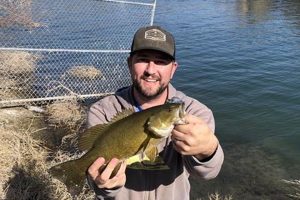
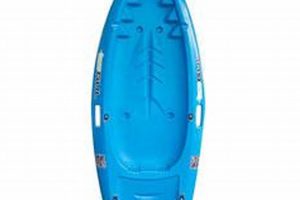
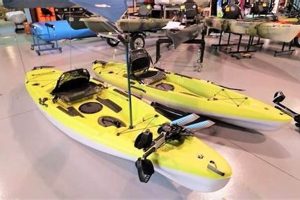
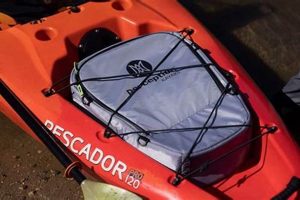
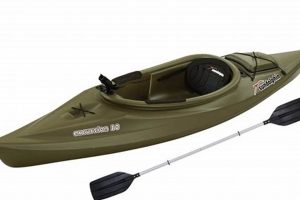
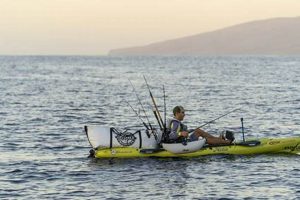
Recreational fishing from small, inflatable watercraft manufactured by Intex has become increasingly popular. These vessels offer an accessible and affordable entry point to the sport, enabling anglers to explore calm waters such as lakes and slow-moving rivers. An example would be an angler using a lightweight, portable inflatable boat to access shallow coves and inlets ideal for targeting species like panfish or bass.
This approach offers several advantages. The portability and ease of setup and storage make these boats attractive to individuals with limited storage space or those seeking a quick and easy way to get on the water. The relatively low cost compared to traditional kayaks or fishing boats makes the activity budget-friendly. Furthermore, advancements in inflatable kayak design and construction have improved durability and stability, enhancing the overall fishing experience. While inflatable watercraft have existed for decades, their application specifically for fishing has gained significant traction in recent years due to these improvements.
Further exploration of this topic will cover essential equipment considerations, recommended fishing techniques, safety precautions, and popular locations for this accessible form of angling.
Tips for Inflatable Kayak Fishing
Proper planning and preparation contribute significantly to a successful and enjoyable fishing experience from an inflatable kayak. The following tips offer guidance for maximizing efficiency and safety on the water.
Tip 1: Choose the Right Kayak: Kayak selection should consider factors such as fishing style, target species, and water conditions. Smaller, lighter models offer greater maneuverability in tight spaces, while larger kayaks provide increased stability and carrying capacity for larger bodies of water or longer trips.
Tip 2: Prioritize Safety Equipment: A personal flotation device (PFD) is essential. Additional safety gear should include a whistle, signaling mirror, first-aid kit, and a waterproof communication device. Checking local regulations for required safety equipment is also recommended.
Tip 3: Pack Efficiently: Organize tackle and gear within waterproof bags or containers. Distributing weight evenly throughout the kayak enhances stability. Keep essential items readily accessible.
Tip 4: Understand Water Conditions: Check weather forecasts and water conditions prior to departure. Avoid strong winds, currents, and areas with significant boat traffic. Be aware of potential hazards such as submerged rocks or logs.
Tip 5: Practice Proper Paddling Technique: Efficient paddling conserves energy and improves maneuverability. Learning basic paddling strokes allows for controlled movement and precise positioning for optimal casting.
Tip 6: Anchor Effectively: A properly deployed anchor keeps the kayak stationary in desired fishing locations. Choose an anchor suitable for the bottom type and water depth. Practice anchor deployment and retrieval in calm conditions before venturing into challenging environments.
Tip 7: Respect the Environment: Adhere to Leave No Trace principles. Pack out all trash and fishing line. Avoid disturbing wildlife and sensitive habitats.
By following these guidelines, anglers can enhance safety, maximize fishing success, and contribute to the preservation of natural resources.
These practical tips form a foundation for a rewarding inflatable kayak fishing experience. The following section will explore specific techniques for various fishing styles and target species.
1. Kayak Selection

Appropriate kayak selection is fundamental to a successful inflatable kayak fishing excursion. The chosen vessel directly impacts stability, maneuverability, and overall fishing effectiveness. Careful consideration of several key factors ensures the kayak aligns with individual angler needs and the intended fishing environment.
- Size and Capacity:
Kayak dimensions and weight capacity should accommodate the angler’s weight and gear, ensuring sufficient freeboard and stability. A kayak overloaded beyond its capacity compromises safety and performance. For example, a solo angler targeting small fish in calm water might choose a shorter, lighter model, while an angler planning to carry heavier gear or fish larger species in open water would require a larger, more stable platform.
- Hull Design:
Hull design influences tracking and maneuverability. Flat-bottomed hulls offer greater stability, while V-shaped hulls track more efficiently in open water. A wider beam generally provides enhanced stability, while a narrower beam allows for quicker turning. An angler fishing in shallow, protected areas might prioritize stability over tracking, whereas an angler covering larger distances might opt for a design that tracks well in open water.
- Features and Accessories:
Features like rod holders, storage compartments, and mounting points for fish finders enhance fishing functionality. Consider the type and amount of gear carried. An angler frequently using multiple rods would benefit from dedicated rod holders, while an angler focused on electronics might prioritize mounting options and battery storage. Dedicated features minimize clutter and maximize efficiency.
- Material and Construction:
Inflatable kayak construction impacts durability and portability. Heavier-duty materials offer increased resistance to punctures and abrasion. Consider the expected usage and environmental conditions. An angler fishing in areas with submerged debris or rocky shorelines would benefit from a more robust construction, while an angler primarily fishing calm waters might prioritize lighter materials for easier transport and storage.
Careful evaluation of these facets ensures the selected kayak complements the intended fishing style and environment. A well-chosen inflatable kayak contributes significantly to angler comfort, safety, and overall fishing success. The interplay between kayak characteristics and specific fishing needs underscores the importance of informed decision-making in kayak selection. This careful selection process ultimately lays the foundation for a positive and productive inflatable kayak fishing experience.
2. Safety Gear

Safety gear is paramount in inflatable kayak fishing. While offering an accessible and enjoyable angling experience, these vessels operate in dynamic aquatic environments where unforeseen circumstances can arise. Proper safety equipment mitigates potential risks, ensuring angler well-being and facilitating a positive experience. Understanding and utilizing appropriate safety gear is non-negotiable for responsible inflatable kayak angling.
- Personal Flotation Device (PFD):
A properly fitted PFD is the most crucial piece of safety equipment. It provides buoyancy and keeps the angler afloat in the event of capsizing or accidental immersion. PFDs designed specifically for paddling offer greater comfort and range of motion. Inflatable PFDs are a popular choice for kayak fishing due to their low profile and comfort. Selecting a PFD with appropriate buoyancy and fit is essential for maximizing its effectiveness.
- Signaling Devices:
Signaling devices enable communication in emergencies. A whistle alerts others to distress situations, while a signaling mirror reflects sunlight to attract attention over long distances. Carrying a waterproof VHF radio allows for direct communication with rescue services and other boaters. These tools are vital for summoning assistance in remote locations or during adverse weather conditions. Regular testing of electronic devices ensures functionality when needed.
- First-Aid Kit:
A comprehensive first-aid kit addresses minor injuries that might occur while fishing. Essential items include bandages, antiseptic wipes, pain relievers, and sunscreen. Tailoring the kit to address potential fishing-related injuries, such as hook removals or line cuts, is prudent. A waterproof container protects the kit’s contents from moisture. Regularly checking and replenishing supplies maintains the kit’s readiness.
- Navigation and Communication:
Carrying a waterproof map, compass, or GPS device aids navigation, particularly in unfamiliar waters. A charged mobile phone in a waterproof pouch provides additional communication capabilities. Checking weather forecasts before departure and being aware of changing conditions is essential. These tools and practices enhance situational awareness and facilitate informed decision-making on the water.
These safety measures are essential components of responsible inflatable kayak fishing. Implementing these precautions safeguards angler well-being and allows for a more focused and enjoyable fishing experience. Prioritizing safety enhances not only individual experiences but also contributes to a culture of responsible angling within the community. By integrating these practices, anglers prioritize their own well-being and contribute to a safer environment for all on the water.
3. Fishing Techniques
Effective fishing techniques in the context of inflatable kayak angling require adaptation to the unique characteristics of these vessels. Kayak anglers must consider stability, maneuverability, and limited space when selecting and implementing fishing approaches. The inherent portability and lightweight nature of inflatable kayaks often dictate fishing locations and target species. These factors influence the choice of tackle, casting methods, and fish-fighting strategies. For instance, trolling from an inflatable kayak requires careful speed and line management to maintain control and prevent capsizing. Similarly, sight fishing in shallow water necessitates precise boat positioning and quiet maneuvering to avoid spooking fish.
Specific techniques frequently employed from inflatable kayaks include still fishing with anchored or drifting presentations, casting lures or bait towards shoreline structures, and trolling slow-moving lures. Adapting traditional techniques to the inflatable kayak platform requires consideration of the kayak’s stability. Larger, more stable kayaks allow for stand-up fishing, expanding casting range and improving visibility. Smaller, more maneuverable kayaks excel in tight spaces, enabling anglers to access areas inaccessible to larger boats. Choosing appropriate techniques based on kayak characteristics and fishing conditions maximizes success. For example, an angler fishing for bass in a weedy lake might employ a weedless frog lure and a slow, steady retrieve, while an angler targeting trout in a clear stream might opt for a delicate dry fly presentation.
Mastery of inflatable kayak fishing techniques enhances angling effectiveness and overall enjoyment. Understanding the interplay between kayak characteristics, fishing location, and target species enables anglers to refine their approaches. Adaptability and a willingness to experiment with different techniques are essential for success in this specialized angling discipline. Consideration of water conditions, weather patterns, and fish behavior further refine technique selection, ultimately contributing to a more rewarding and successful fishing experience. The ability to adjust techniques according to prevailing conditions distinguishes skilled inflatable kayak anglers.
4. Location Scouting

Effective location scouting is crucial for successful inflatable kayak fishing. Pre-trip planning and careful consideration of potential fishing spots maximize angling opportunities and contribute to a safer and more productive experience. Understanding the characteristics of suitable locations, access points, and potential hazards is essential for informed decision-making. Thorough location scouting allows anglers to target specific species, optimize fishing techniques, and minimize environmental impact.
- Water Access and Conditions:
Identifying suitable launch points and assessing water conditions are primary considerations. Calm, shallow waters protected from wind and strong currents are ideal for inflatable kayaks. Accessing these areas often involves navigating shallows, boat ramps, or shoreline vegetation. Understanding water depth, currents, and potential obstacles like submerged logs or rocks is vital for safe launching and retrieval. Checking for public access restrictions or permits ensures legal compliance. For example, a small pond with a gentle slope and clear shoreline provides an ideal launching point, while a river with strong rapids and limited access points presents significant challenges.
- Target Species and Habitat:
Researching the target species and their preferred habitat informs location choices. Understanding the distribution and behavior of target fish allows anglers to focus efforts in areas with higher probabilities of success. Factors like water temperature, vegetation, and bottom structure influence fish distribution. Matching fishing techniques to the specific habitat enhances angling effectiveness. For instance, targeting bass in a weedy lake might involve focusing on areas with submerged vegetation or lily pads, while seeking trout in a clear stream might involve concentrating efforts in deeper pools or areas with overhanging cover.
- Regulations and Safety Considerations:
Awareness of local fishing regulations, including licensing requirements, catch limits, and seasonal restrictions, is essential. Understanding designated fishing zones and prohibited areas ensures legal compliance. Identifying potential hazards like boat traffic, submerged obstacles, or changing weather patterns contributes to angler safety. Consulting local resources or experienced anglers provides valuable insights. For example, some areas may have restrictions on motorboat usage, creating safer environments for kayak anglers, while other areas might have designated no-fishing zones to protect sensitive habitats.
- Environmental Impact and Stewardship:
Minimizing environmental impact is a crucial aspect of responsible location scouting. Choosing launch and retrieval sites that minimize disturbance to shoreline vegetation and aquatic habitats preserves ecological integrity. Proper disposal of fishing line and other waste materials prevents pollution and protects wildlife. Respecting private property and adhering to Leave No Trace principles ensures sustainable angling practices. For instance, avoiding anchoring in sensitive areas like spawning beds protects fish populations, while packing out all trash and fishing line minimizes pollution and preserves the natural beauty of the fishing location.
By thoroughly evaluating these factors, inflatable kayak anglers can identify productive fishing locations while prioritizing safety and environmental responsibility. Effective location scouting maximizes fishing success, enhances angler safety, and contributes to the long-term health of aquatic ecosystems. The careful consideration of these interconnected elements distinguishes responsible and successful inflatable kayak anglers. This proactive approach ultimately elevates the overall fishing experience and promotes sustainable angling practices.
5. Responsible Practices
Responsible practices are integral to sustainable and ethical inflatable kayak fishing. These practices encompass a range of considerations, from minimizing environmental impact to adhering to fishing regulations. Adopting a responsible approach ensures the preservation of aquatic ecosystems and promotes the long-term health of fish populations, allowing future generations to enjoy the sport. This commitment to responsible angling benefits not only the environment but also the overall fishing experience.
- Environmental Stewardship:
Minimizing environmental impact is paramount. Proper disposal of fishing line, hooks, and other waste prevents pollution and protects wildlife. Avoiding anchoring in sensitive habitats, such as spawning beds or seagrass meadows, preserves critical ecosystem functions. Respecting wildlife by observing from a distance and refraining from disturbing nesting sites promotes biodiversity. For example, discarding fishing line in designated receptacles or recycling programs prevents entanglement of birds and other aquatic animals. Similarly, avoiding contact with coral reefs while anchoring prevents physical damage to these fragile ecosystems.
- Fish Handling and Release:
Practicing proper catch-and-release techniques minimizes stress on released fish and increases their chances of survival. Using appropriate fishing gear, such as barbless hooks, reduces tissue damage. Handling fish with wet hands or a landing net minimizes the removal of their protective slime coat. Reviving exhausted fish in the water before release ensures they are fit to return to their natural environment. For example, quickly removing a hook with pliers and minimizing handling time allows for a faster and less stressful release, increasing the fish’s survival rate.
- Regulatory Compliance:
Adhering to fishing regulations, including licensing requirements, catch limits, and seasonal closures, ensures sustainable fish populations. Respecting closed areas and protected species contributes to conservation efforts. Staying informed about current regulations and reporting illegal fishing activity promotes responsible management of aquatic resources. For example, observing size limits and catch quotas prevents overfishing and ensures the long-term health of fish stocks. Reporting illegal fishing activity to the appropriate authorities helps enforce regulations and deter poaching.
- Respect for Other Anglers and Boaters:
Maintaining respectful distances from other anglers and boaters creates a safer and more enjoyable environment for everyone. Avoiding excessive noise or disruptive behavior minimizes disturbance to wildlife and fellow anglers. Practicing proper boat ramp etiquette, such as launching and retrieving kayaks efficiently, ensures smooth traffic flow and reduces congestion. For example, yielding right-of-way to other boaters and avoiding excessive wake when operating near other vessels promotes safety and courtesy on the water.
These interconnected practices contribute to a sustainable and ethical approach to inflatable kayak fishing. By embracing these responsibilities, anglers protect aquatic ecosystems, preserve fish populations, and enhance the overall fishing experience for themselves and future generations. This commitment to responsible angling fosters a deeper appreciation for the natural environment and promotes a culture of stewardship within the fishing community. The continued enjoyment of this sport relies on the collective adoption and consistent application of these fundamental principles.
Frequently Asked Questions about Inflatable Kayak Fishing
This section addresses common inquiries regarding inflatable kayak fishing, providing concise and informative responses to facilitate informed decision-making and enhance the overall angling experience.
Question 1: Are inflatable kayaks suitable for fishing?
While not as durable as traditional hard-shell kayaks, inflatable kayaks designed specifically for fishing offer sufficient stability and functionality for calm waters and protected areas. Material advancements have significantly improved durability and performance.
Question 2: How stable are inflatable kayaks for fishing activities?
Stability varies depending on kayak design, size, and angler weight. Wider beam designs generally offer greater stability. Proper weight distribution and adherence to manufacturer capacity guidelines are crucial for maintaining balance and preventing capsizing.
Question 3: What type of fishing is best suited for inflatable kayaks?
Inflatable kayaks excel in calm water environments such as lakes, ponds, and slow-moving rivers. They are well-suited for techniques like still fishing, casting, and slow trolling. Navigating strong currents or open ocean conditions is generally not recommended.
Question 4: How durable are inflatable kayaks compared to traditional kayaks?
While modern inflatable kayaks utilize durable materials, they are generally more susceptible to punctures and abrasions compared to hard-shell kayaks. Careful handling, proper inflation, and avoidance of sharp objects maximize lifespan.
Question 5: How much weight can an inflatable fishing kayak hold?
Weight capacity varies significantly between models. Consulting manufacturer specifications is crucial for determining the maximum combined weight of anglers, gear, and potential catch. Exceeding weight capacity compromises stability and safety.
Question 6: Are inflatable kayaks difficult to transport and store?
Inflatable kayaks offer significant advantages in portability and storage. They deflate and fold into compact sizes, easily fitting in vehicle trunks or storage closets. Inflation and setup typically require minimal time and effort, facilitating convenient transport and storage.
Addressing these common concerns provides a clearer understanding of the advantages and limitations of inflatable kayak fishing. Careful consideration of these factors enables informed decision-making and contributes to a safer and more rewarding angling experience.
For further information or specific inquiries, consulting experienced anglers or specialized retailers is recommended. The following resources provide additional insights into inflatable kayak fishing…
Conclusion
Exploration of inflatable kayak fishing reveals a unique blend of accessibility, affordability, and specialized angling techniques. Careful consideration of kayak selection, safety gear, fishing techniques, location scouting, and responsible practices contributes significantly to a positive and productive experience. Understanding the nuances of this increasingly popular angling discipline empowers individuals to engage with the sport safely and effectively. The information presented serves as a foundation for informed decision-making and encourages a responsible approach to inflatable kayak fishing.
The continued growth and evolution of inflatable kayak fishing underscore its significance within the broader angling community. As technology advances and angler interest expands, further refinement of techniques and equipment is anticipated. Embracing responsible practices and prioritizing safety ensures the long-term sustainability and enjoyment of this accessible and rewarding form of recreational fishing. Ultimately, informed participation and a commitment to conservation will shape the future of inflatable kayak fishing.