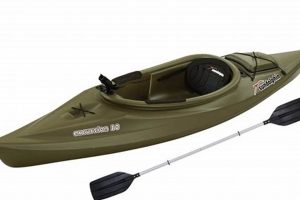
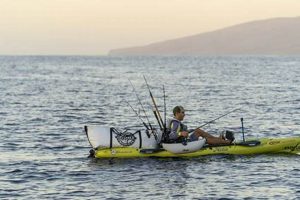
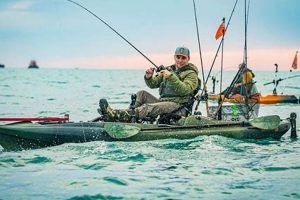
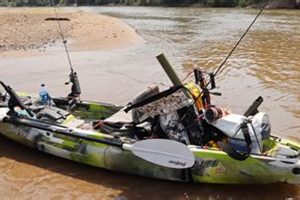
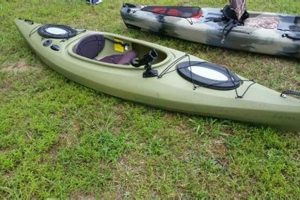
Two-person fishing kayaks manufactured by a specific Brooklyn-based business are designed for anglers seeking a shared, on-the-water experience. These vessels typically feature specialized seating, rod holders, and other amenities tailored for angling. An example would be a specific model offered by this manufacturer, equipped with adjustable seating, multiple rod holders, and ample storage for fishing gear.
Shared fishing experiences offer enhanced camaraderie and safety. The stability offered by these larger kayaks is often preferable for fishing, providing a secure platform for casting and reeling. The company’s location in Brooklyn likely reflects a focus on urban paddling and access to waterways around New York City, where kayaking and fishing are popular recreational activities. Historically, tandem kayaks have evolved from traditional designs to incorporate features that specifically cater to the needs of anglers.
This discussion will further explore the features, benefits, and selection process for such kayaks, including factors to consider when choosing a model, available accessories, and maintenance best practices.
Tips for Tandem Fishing Kayak Adventures
Proper preparation contributes significantly to a successful and enjoyable fishing trip. These tips address key aspects of planning and execution for excursions using two-person fishing kayaks.
Tip 1: Weight Distribution and Balance: Evenly distribute weight throughout the kayak for optimal stability and performance. Consider the combined weight of anglers and gear when selecting a model. Uneven weight distribution can negatively impact tracking and maneuverability.
Tip 2: Communication and Coordination: Paddling a tandem kayak requires synchronized effort. Establish clear communication signals before embarking and maintain consistent paddling rhythms for efficient movement. This includes coordinated turning and maneuvering.
Tip 3: Safety Equipment: Always prioritize safety by carrying essential equipment, including personal flotation devices (PFDs) for each paddler, a whistle, a first-aid kit, and a communication device. Check local regulations for additional safety requirements.
Tip 4: Fishing Gear Organization: Strategically organize fishing gear within the kayak for easy access and to minimize clutter. Utilize designated rod holders and storage compartments. Secure loose items to prevent loss or interference with paddling.
Tip 5: Navigation and Route Planning: Plan the route in advance, taking into account weather conditions, tides, and currents. Familiarize oneself with local navigation markers and carry appropriate charts or maps. Inform someone of the planned route and expected return time.
Tip 6: Respect for the Environment: Adhere to Leave No Trace principles. Pack out all trash and fishing line. Avoid disturbing wildlife and sensitive habitats. Be mindful of noise levels and other potential impacts on the environment.
Tip 7: Practice and Familiarization: Spending time practicing basic paddling techniques and maneuvering the tandem kayak prior to a fishing trip significantly improves efficiency and safety on the water. This allows anglers to become comfortable with the vessel’s handling characteristics.
Adherence to these guidelines promotes a safe, efficient, and rewarding tandem fishing kayak experience, maximizing enjoyment and minimizing potential challenges.
By following these tips, anglers can ensure a productive and enjoyable experience on the water. The next section will delve into specific kayak models and accessories.
1. Tandem Configuration

The tandem configuration is a defining characteristic of kayaks designed for two paddlers, directly impacting the performance and suitability of the Brooklyn Kayak Company’s tandem fishing kayaks. This configuration necessitates specific design considerations and operational practices distinct from solo kayaks.
- Shared Paddling Experience:
Tandem kayaks offer a shared on-the-water experience, promoting camaraderie and teamwork. This shared experience, however, requires coordinated paddling and communication between both individuals. For fishing, this can be advantageous, allowing one person to paddle while the other focuses on fishing. Conversely, mismatched paddling styles can hinder efficient movement.
- Stability and Capacity:
The increased length and width of tandem kayaks generally provide enhanced stability compared to solo kayaks, beneficial for activities like fishing where balance is crucial. This larger platform also offers increased weight capacity, accommodating two paddlers and their gear. However, this added stability can come at the cost of maneuverability in tight spaces or swift currents.
- Storage and Gear Organization:
Tandem fishing kayaks from the Brooklyn Kayak Company often feature specialized storage compartments and rod holders designed to accommodate the gear of two anglers. This organized storage is essential for maintaining a clutter-free deck and facilitating easy access to equipment. The specific storage solutions offered by different models influence their suitability for various fishing styles.
- Transportation and Handling:
The increased size and weight of tandem kayaks present logistical considerations for transportation and handling. They require more storage space and may necessitate specialized roof racks or trailers. Launching and landing can also be more challenging, particularly in shallow water or strong currents. This factor becomes particularly relevant for urban anglers transporting kayaks within a city like Brooklyn.
The tandem configuration, while beneficial for shared fishing trips, influences performance characteristics, requiring careful consideration of factors such as paddling coordination, storage capacity, and transportation logistics when selecting a Brooklyn Kayak Company tandem fishing kayak. These considerations ultimately determine the kayak’s suitability for specific fishing environments and user preferences. Choosing the right tandem kayak involves balancing the benefits of shared paddling with the practicalities of handling and transportation, particularly within an urban setting like Brooklyn.
2. Fishing-Specific Design
Fishing-specific design differentiates standard tandem kayaks from those explicitly engineered for angling, a key consideration when evaluating Brooklyn Kayak Company tandem fishing kayaks. These specialized features enhance functionality, comfort, and overall fishing success.
- Rod Holders:
Integrated rod holders, often adjustable and strategically positioned, secure fishing rods, freeing hands for paddling, baiting hooks, or landing fish. Flush-mounted rod holders minimize interference with paddling, while adjustable holders accommodate various fishing techniques. The number and type of rod holders influence a tandem fishing kayak’s suitability for different angling styles, from trolling to fly fishing. For example, a Brooklyn Kayak Company tandem kayak designed for trolling might feature multiple rear-facing rod holders.
- Storage and Gear Management:
Dedicated storage compartments, including dry hatches, tackle boxes, and bungee cord systems, organize and protect essential fishing gear. Dry hatches safeguard sensitive electronics and personal items, while tackle boxes provide organized storage for lures and hooks. Ample storage capacity allows anglers to carry necessary equipment for extended trips. A Brooklyn Kayak Company tandem fishing kayak might incorporate specialized compartments designed for specific gear like fish finders or bait buckets.
- Stability and Hull Design:
Enhanced stability is crucial for casting and reeling, particularly in challenging conditions. Wider hulls and flatter bottoms contribute to stability, allowing anglers to stand and cast in certain models. The hull design directly influences maneuverability and tracking performance, impacting the kayak’s suitability for different water environments. A Brooklyn Kayak Company tandem kayak intended for ocean fishing might prioritize stability over maneuverability, while one designed for river fishing might emphasize a narrower, more agile hull.
- Comfort and Seating:
Comfortable seating is essential for extended fishing trips. Adjustable seats with lumbar support enhance comfort and reduce fatigue, particularly during long hours on the water. Elevated seating positions improve visibility and casting angles. Features like adjustable footrests and padded backrests contribute to an ergonomic and comfortable paddling experience. A Brooklyn Kayak Company tandem fishing kayak designed for comfort might feature high-backed, adjustable seats with ample padding.
These fishing-specific design elements significantly impact the functionality and practicality of Brooklyn Kayak Company tandem fishing kayaks, catering to the unique needs of anglers. Evaluating these features within the context of intended fishing styles and personal preferences allows for informed selection and optimal utilization of these specialized vessels. Understanding how rod holders, storage solutions, hull design, and seating configurations contribute to the overall fishing experience is crucial for maximizing enjoyment and success on the water. This focus on specialized design differentiates Brooklyn Kayak Company tandem fishing kayaks from standard recreational models, highlighting their intended purpose and enhanced capabilities for angling.
3. Brooklyn Kayak Company Brand
The Brooklyn Kayak Company brand is intrinsically linked to its products, including the tandem fishing kayak, representing a set of values, manufacturing standards, and a targeted market segment. Understanding this brand identity provides valuable context when evaluating the features, performance, and overall suitability of the tandem fishing kayak.
- Local Focus and Urban Paddling:
The company’s name directly connects it to Brooklyn, New York, suggesting a focus on urban paddling and access to waterways surrounding the city. This association might resonate with anglers seeking kayaks suitable for navigating urban environments and accessing local fishing spots. For example, the brand might emphasize portability and maneuverability in its designs, catering to the needs of urban anglers who may face storage limitations or navigate crowded waterways. This focus differentiates the Brooklyn Kayak Company from brands catering primarily to open-water or wilderness paddling.
- Quality and Manufacturing Standards:
The brand represents specific manufacturing standards and quality control processes, influencing the durability, performance, and longevity of its kayaks, including the tandem fishing model. Consumers associate the brand with a certain level of quality, expecting specific materials, construction techniques, and performance characteristics. For example, the brand might utilize high-density polyethylene known for its durability and impact resistance. This commitment to quality directly impacts the long-term value and reliability of the tandem fishing kayak.
- Target Market and Brand Positioning:
The Brooklyn Kayak Company likely targets a specific segment of the kayaking market, potentially focusing on recreational anglers, urban paddlers, or a combination thereof. This target market influences design choices, features, and marketing strategies. For instance, the brand’s tandem fishing kayaks might emphasize stability and comfort, catering to anglers prioritizing a stable fishing platform. Understanding the target market provides insights into the intended use case and expected performance of the tandem fishing kayak.
- Community and Brand Image:
The brand cultivates a specific image and potentially fosters a community around its products. This community aspect might involve sponsored events, online forums, or social media engagement, creating a sense of belonging and shared interest among kayak owners. This brand community can provide valuable resources and support for tandem fishing kayak owners, fostering connections and shared experiences among anglers. This community aspect might also influence product development and design, incorporating feedback and suggestions from kayak users.
The Brooklyn Kayak Company brand influences consumer perceptions and expectations regarding the tandem fishing kayak, impacting purchasing decisions and overall user experience. Considering these brand-related factors alongside the kayak’s technical specifications and features provides a comprehensive understanding of its value proposition and suitability for individual angling needs. This holistic perspective, encompassing both brand identity and product features, enables informed decision-making and enhances the likelihood of a satisfying ownership experience. Understanding the brand’s local focus, commitment to quality, target market, and community engagement provides a deeper appreciation for the context surrounding the Brooklyn Kayak Company tandem fishing kayak and its position within the broader kayaking market.
4. Durability and Materials

Durability is paramount for tandem fishing kayaks, especially those intended for use in the diverse waterways around Brooklyn. The Brooklyn Kayak Company’s choice of materials directly impacts the vessel’s resistance to impacts, UV degradation, and overall lifespan, affecting both performance and long-term value. Examining specific material components provides insights into this critical aspect of kayak construction.
- Hull Material:
High-Density Polyethylene (HDPE) is a common choice for kayak hulls due to its impact resistance and durability. It withstands collisions with rocks, submerged debris, and rough handling during transport. HDPE also resists UV degradation, maintaining structural integrity even with prolonged sun exposure. Brooklyn Kayak Company’s use of HDPE ensures their tandem fishing kayaks can endure the rigors of regular use, from navigating rocky shorelines to handling transportation on city streets.
- UV Resistance:
Ultraviolet radiation from sunlight can degrade plastics, causing them to become brittle and prone to cracking. UV inhibitors added during manufacturing protect the kayak from sun damage, prolonging its lifespan. This is particularly relevant for kayaks stored outdoors or frequently used in sunny conditions, common scenarios for Brooklyn-based anglers. The specific UV inhibitors employed by the Brooklyn Kayak Company contribute to the long-term structural integrity of their tandem fishing kayaks.
- Hardware and Fittings:
Stainless steel or marine-grade aluminum fittings resist corrosion from saltwater and exposure to the elements, ensuring long-term functionality and structural integrity. Rust-resistant hardware maintains the strength of critical connection points, such as seat attachments and carrying handles. The quality of these components contributes to the overall durability and safety of the kayak, particularly in the demanding saltwater environments often encountered around Brooklyn. Choosing robust hardware reflects the Brooklyn Kayak Company’s commitment to building kayaks that can withstand the corrosive effects of saltwater and regular use.
- Seam Construction:
Durable seam construction prevents water intrusion and maintains the kayak’s structural integrity. Techniques like roto-molding create a seamless hull, eliminating potential weak points. Other methods, like welding or heat-fused joints, also provide robust and watertight seals. The specific seam construction methods employed by the Brooklyn Kayak Company influence the kayak’s resistance to leaks and its overall lifespan. A well-constructed seam ensures the tandem fishing kayak remains watertight and structurally sound throughout its intended use.
The durability of a Brooklyn Kayak Company tandem fishing kayak depends on these interconnected material and construction choices. The selection of robust materials like HDPE, UV inhibitors, corrosion-resistant hardware, coupled with effective seam construction techniques contributes to the kayak’s ability to withstand the rigors of regular use in and around Brooklyn. This focus on durability directly translates into a longer lifespan, enhanced safety, and sustained performance, making the kayak a reliable investment for anglers seeking a robust and dependable vessel for exploring urban waterways and beyond.
5. Target User

The Brooklyn Kayak Company’s tandem fishing kayak is explicitly designed for anglers, influencing key features and design choices. Understanding the target user’s needs and priorities provides critical context for evaluating the kayak’s suitability and appreciating its specialized design elements. This analysis explores specific facets relevant to anglers using tandem fishing kayaks.
- On-Water Stability:
Anglers require a stable platform for casting, reeling, and landing fish, particularly in challenging conditions or when handling larger catches. The tandem kayak’s broader hull and inherent stability offer a secure base, reducing the risk of capsizing and enhancing overall fishing performance. This stability is particularly crucial when standing to cast, a common practice in certain fishing styles. The Brooklyn Kayak Company likely prioritizes stability in the design of its tandem fishing kayaks, recognizing the target user’s need for a secure and balanced platform.
- Gear Storage and Accessibility:
Anglers carry specialized equipment, including rods, reels, tackle boxes, and other fishing accessories. Ample, readily accessible storage is essential for maintaining a clutter-free deck and quickly retrieving necessary gear. Dedicated storage compartments, rod holders, and other organizational features in the Brooklyn Kayak Company’s tandem fishing kayak directly address these needs, facilitating efficient gear management and enhancing the overall fishing experience. The specific placement and design of storage compartments reflect a deep understanding of angler workflows and priorities.
- Hands-Free Fishing:
Integrated rod holders allow anglers to secure their rods while paddling, changing lures, or handling other tasks. This hands-free capability is essential for efficient fishing and safe kayak operation. Multiple rod holders accommodate diverse fishing techniques and allow anglers to target different species simultaneously. The design and placement of rod holders in the Brooklyn Kayak Company’s tandem fishing kayak are optimized for convenient access and minimal interference with paddling or other activities.
- Shared Fishing Experience:
Tandem kayaks offer a shared fishing experience, allowing anglers to enjoy the sport with a companion. This shared experience fosters camaraderie, enhances safety, and facilitates collaboration during fishing excursions. The tandem configuration allows for collaborative fishing strategies, with one angler paddling while the other casts or manages lines. This shared experience, central to the tandem kayak design, aligns with the social aspects often associated with recreational fishing.
The Brooklyn Kayak Company’s focus on the angler as the target user directly influences the design, features, and overall functionality of the tandem fishing kayak. Prioritizing stability, gear storage, hands-free fishing, and a shared experience creates a specialized vessel optimized for the unique needs and priorities of anglers. These targeted design choices ultimately contribute to a more enjoyable, efficient, and successful fishing experience on the water, differentiating the tandem fishing kayak from standard recreational models and reinforcing the Brooklyn Kayak Company’s commitment to serving the angling community.
Frequently Asked Questions
This FAQ section addresses common inquiries regarding tandem fishing kayaks manufactured by the Brooklyn Kayak Company. The information provided aims to clarify key features, address potential concerns, and guide purchasing decisions.
Question 1: What weight capacity should one consider when choosing a tandem fishing kayak?
Weight capacity is crucial for safety and performance. Consider the combined weight of all paddlers, fishing gear, and any additional equipment. Exceeding the manufacturer’s specified weight capacity can compromise stability and maneuverability. Consult specifications for the specific model under consideration.
Question 2: What are the advantages of a tandem fishing kayak over two solo kayaks?
Tandem kayaks offer inherent stability beneficial for fishing activities, often exceeding that of solo kayaks. They provide a shared platform for collaborative fishing and enhanced safety through mutual support. Transporting one tandem kayak can be logistically simpler than managing two solo vessels. However, tandem kayaks require coordinated paddling.
Question 3: Are Brooklyn Kayak Company tandem fishing kayaks suitable for saltwater environments?
Models constructed with marine-grade materials and corrosion-resistant hardware are suitable for saltwater use. Always rinse the kayak thoroughly with fresh water after saltwater exposure to prevent corrosion and maintain its structural integrity. Check product specifications for specific saltwater compatibility information pertaining to individual models.
Question 4: How does storage capacity differ between tandem fishing kayak models?
Storage capacity varies by model, often reflected in the size and number of dedicated compartments, hatches, and bungee systems. Consider individual fishing needs and the volume of gear typically carried when evaluating storage options. Consult product specifications for detailed information regarding storage dimensions and configurations for each model.
Question 5: What safety precautions should one take when using a tandem fishing kayak?
Always wear a personal flotation device (PFD). Carry essential safety equipment, including a whistle, first-aid kit, and communication device. Check weather conditions before embarking and inform someone of the planned route and estimated return time. Adhere to local boating regulations and exercise caution in challenging conditions.
Question 6: How does paddling a tandem kayak differ from paddling a solo kayak?
Tandem kayaking requires synchronized paddling and effective communication between both paddlers. Establishing clear communication signals and maintaining consistent paddling rhythms is essential for efficient movement and maneuverability. Practice coordinating turns and maneuvering in open water before embarking on fishing trips.
Careful consideration of these frequently asked questions assists in informed decision-making regarding the selection, use, and maintenance of a Brooklyn Kayak Company tandem fishing kayak. Understanding these aspects contributes to a safe, enjoyable, and productive fishing experience.
For further information or specific inquiries, consulting the Brooklyn Kayak Company website or contacting their customer service team is recommended.
Conclusion
Brooklyn Kayak Company tandem fishing kayaks represent a specialized segment within the broader kayaking market. This exploration has highlighted key aspects, from the tandem configuration’s impact on paddling dynamics and storage capacity to the fishing-specific design elements that enhance angling functionality. The brand’s association with urban paddling and its commitment to durability further contribute to the kayaks’ appeal. Understanding material selection and construction methods clarifies the kayaks’ resilience and longevity, critical factors for navigating diverse waterways and withstanding regular use. Finally, recognizing the target userthe anglerprovides context for the kayaks’ design choices, emphasizing stability, gear management, and the social aspect of shared fishing experiences.
Careful consideration of these factors empowers informed purchasing decisions and fosters a deeper appreciation for the specialized design and intended purpose of these kayaks. Potential buyers are encouraged to research specific models, assess individual needs, and prioritize features aligned with intended fishing styles and local waterway conditions. Ultimately, selecting the right tandem fishing kayak unlocks opportunities for enhanced angling experiences, fostering camaraderie and facilitating exploration of the aquatic environment.