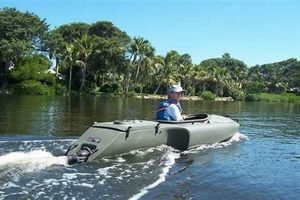
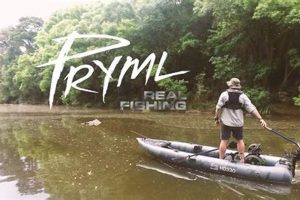
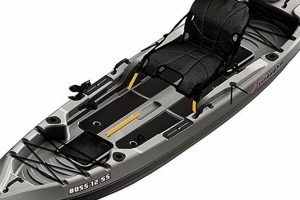
Tandem fishing kayaks designed for inflation offer portability and convenience. These vessels, typically constructed from durable, puncture-resistant materials, are easily transported and stored when deflated, making them ideal for anglers with limited storage space or those who frequently travel to different fishing locations. A typical example features two cockpits, each equipped with adjustable seating and often incorporating specialized features like rod holders and gear storage compartments.
The accessibility of these watercraft has broadened the possibilities for anglers. Their compact nature simplifies transportation and storage, reducing the barriers to entry for individuals lacking the space or resources required for traditional hard-shell kayaks. Furthermore, advancements in materials and construction techniques have yielded increasingly robust and stable inflatable designs, capable of navigating various water conditions while providing a comfortable and efficient fishing platform. This style of fishing has gained popularity in recent years due to this increased accessibility.
This discussion will further explore the advantages and disadvantages of these specialized kayaks, covering topics such as material selection, inflation and deflation processes, essential safety considerations, recommended accessories, and optimal fishing techniques from these versatile vessels.
Tips for Tandem Inflatable Kayak Fishing
Optimizing the tandem inflatable kayak fishing experience requires careful planning and execution. The following tips offer guidance for a safe and productive outing.
Tip 1: Weight Distribution is Crucial: Balanced weight distribution is paramount for stability. Gear and anglers should be positioned evenly to prevent tipping and maintain efficient tracking. Consider using dry bags to organize and distribute gear effectively.
Tip 2: Practice Paddling in Sync: Coordinated paddling is essential for efficient movement and maneuverability. Prior practice will significantly improve tracking and reduce wasted energy. Communicate paddle strokes clearly to maintain synchronization, especially in challenging conditions.
Tip 3: Choose the Right Location: Consider water conditions and target species when selecting a fishing location. Calm lakes and slow-moving rivers are ideal for beginners. Research local regulations and obtain necessary permits before launching.
Tip 4: Invest in Quality PFDs: Personal flotation devices (PFDs) are essential safety equipment. Ensure each angler wears a properly fitted and Coast Guard-approved PFD throughout the fishing trip.
Tip 5: Pack Essential Safety Gear: Carry a safety kit containing a whistle, first-aid supplies, a bilge pump, and a repair kit for potential punctures. A communication device such as a waterproof VHF radio or a mobile phone in a waterproof case is also recommended.
Tip 6: Anchor Effectively: Utilize a suitable anchor system to maintain position in desired fishing areas. Consider a drift sock for controlled drifting in currents. Ensure the anchor system is compatible with the inflatable kayak’s design.
Tip 7: Respect Wildlife and the Environment: Practice Leave No Trace principles. Pack out all trash and avoid disturbing wildlife or sensitive habitats. Adhere to local fishing regulations and handle fish responsibly.
Adhering to these guidelines will significantly enhance safety and improve the overall fishing experience, allowing anglers to fully enjoy the benefits of tandem inflatable kayak fishing.
By considering these tips and practicing responsible angling techniques, individuals can maximize their enjoyment and success on the water.
1. Kayak Selection

Kayak selection is paramount for a successful two-person inflatable kayak fishing excursion. Appropriate vessel choice directly impacts stability, comfort, and overall fishing efficacy. Several factors warrant careful consideration. Hull design influences maneuverability and tracking. A wider, flatter hull provides enhanced stability, beneficial in calm waters, while a longer, narrower hull offers improved tracking and speed, advantageous in currents or covering longer distances. Material durability and puncture resistance are critical. Heavier-duty materials offer increased protection against abrasion and impacts, though they often come with added weight. Features like integrated rod holders, adjustable seats, and ample storage compartments contribute significantly to fishing convenience and organization.
Consider the intended fishing environment. Calm lakes and slow-moving rivers necessitate different hull characteristics than open ocean or fast-flowing waters. Target species also influence kayak selection. Angling for larger fish may require a kayak with higher weight capacity and stability. Specific fishing techniques, such as trolling or fly fishing, may also benefit from specialized kayak features. For example, a kayak designed for trolling might feature integrated downrigger mounts, while a kayak for fly fishing might prioritize maneuverability and a standing platform. Evaluating these factors in relation to the intended fishing environment and target species streamlines decision-making.
Careful kayak selection, based on a comprehensive understanding of these factors, optimizes performance, safety, and overall enjoyment. Matching the kayak’s characteristics to the specific fishing needs ensures a productive and comfortable experience. Failure to consider these elements can result in instability, inadequate storage, difficulty maneuvering, or overall discomfort, potentially compromising safety and diminishing fishing success. Prioritizing these considerations contributes to informed decisions and maximizes the likelihood of a successful and enjoyable fishing trip.
2. Weight Capacity

Weight capacity is a critical factor in inflatable kayak two-person fishing. It directly dictates the combined weight of anglers, fishing gear, and any additional cargo the vessel can safely support. Exceeding the specified weight capacity compromises stability, significantly increasing the risk of capsizing. Reduced freeboard, resulting from overloading, increases susceptibility to swamping, especially in choppy conditions. Performance also suffers, with decreased maneuverability and sluggish responsiveness to paddle strokes. A kayak operating near its maximum capacity sits lower in the water, creating increased drag and reducing overall efficiency. For example, a kayak with a 400-pound weight capacity carrying two 175-pound anglers and 75 pounds of gear exceeds its safe operating limit, jeopardizing stability and performance.
Manufacturers determine weight capacity through rigorous testing, considering factors such as hull design, material properties, and intended usage. This figure represents the maximum safe load under normal operating conditions. However, environmental factors such as wind and waves can further impact stability and should be considered in conjunction with the listed weight capacity. Even within the specified limits, uneven weight distribution can negatively affect stability and handling. Distributing weight evenly throughout the kayak, especially when carrying heavier items, optimizes performance and safety. Understanding the interplay between weight distribution and capacity is crucial for a stable and efficient fishing platform. Overlooking this aspect risks not only equipment damage and potential loss of catch but, more importantly, angler safety.
Careful consideration of weight capacity is therefore paramount for safe and successful two-person inflatable kayak fishing. Selecting a kayak with ample capacity for anticipated loads ensures optimal performance, stability, and, most importantly, angler safety. Regularly assessing the combined weight of passengers and gear before each outing mitigates the risk of overloading and its associated hazards. Prioritizing weight capacity contributes significantly to a positive and safe fishing experience.
3. Paddle Coordination

Paddle coordination is fundamental to efficient and enjoyable inflatable kayak two-person fishing. Synchronized paddling maximizes forward momentum, minimizes wasted energy, and enhances maneuverability. Lack of coordination results in inefficient movement, reduced speed, and difficulty maintaining a desired course. Consider a scenario where one angler paddles with more power than the other; the kayak will veer off course, requiring constant correction and increasing fatigue. Conversely, synchronized paddling allows the kayak to track straight, conserving energy and allowing anglers to focus on fishing. This coordinated effort is especially crucial in challenging conditions such as wind or current, where maintaining control and direction becomes paramount.
Effective paddle coordination involves several key elements. Consistent paddling cadence ensures strokes occur simultaneously, maximizing propulsion. Communicating turning intentions clearly and concisely prevents confusion and allows for smooth transitions. Adjusting paddling power based on conditions and desired speed maintains efficient movement and conserves energy. For example, navigating through narrow channels or around obstacles necessitates precise paddle strokes and clear communication to avoid collisions. Similarly, maintaining a consistent trolling speed requires coordinated paddling adjustments to counteract wind or current. Proficiency in these techniques enhances overall fishing effectiveness by allowing anglers to reach desired locations quickly and maintain precise positioning.
Mastering paddle coordination, therefore, significantly enhances the inflatable kayak two-person fishing experience. Efficient movement conserves energy, allowing anglers to focus on fishing rather than constant course correction. Improved maneuverability facilitates access to prime fishing spots and enables precise boat control. Ultimately, effective paddle coordination translates to increased fishing opportunities and a more enjoyable experience on the water. This skill, while seemingly simple, is a crucial component of successful and enjoyable tandem kayak fishing. It directly impacts efficiency, maneuverability, and ultimately, fishing success.
4. Fishing Gear
Fishing gear selection significantly impacts success and enjoyment in two-person inflatable kayak fishing. Specialized equipment considerations arise due to the unique characteristics of these vessels, including limited storage space and the need for efficient organization. Appropriate gear selection enhances fishing effectiveness and overall safety.
- Rods and Reels:
Shorter, more manageable rods are preferable in the confined space of an inflatable kayak. Spinning or baitcasting combos in medium-light to medium action are versatile choices for many freshwater species. Consider collapsible or travel rods to maximize storage space. Rod holders integrated into the kayak facilitate hands-free operation and prevent gear loss. Matching rod and reel combinations to target species and fishing techniques maximizes effectiveness. For example, targeting panfish necessitates lighter tackle than pursuing larger game fish.
- Tackle and Lures:
Tackle selection depends on target species and fishing techniques. A well-organized tackle box or bag containing essential items such as hooks, weights, swivels, and line is crucial. Choose lures appropriate for the target species and fishing environment. Soft plastics, jigs, and topwater lures are popular choices. Consider using a tackle tray system to maximize storage efficiency within the limited space of an inflatable kayak. Storing lures and tackle in waterproof containers prevents damage and loss.
- Fishing Accessories:
Essential fishing accessories enhance safety and efficiency. A fish finder helps locate fish and structure, increasing the likelihood of success. A landing net assists in safely retrieving fish, minimizing handling time and stress on the fish. A stringer or cooler keeps the catch fresh. Other helpful accessories include pliers for removing hooks, a knife for cutting line, and a headlamp for low-light conditions. Selecting accessories that are compact and easily stored maximizes available space within the inflatable kayak.
- Safety Gear:
While not strictly fishing gear, safety equipment is paramount. Personal flotation devices (PFDs) are mandatory and should be worn at all times. A whistle, signaling mirror, and waterproof flashlight are essential signaling devices. A first-aid kit and a repair kit for the inflatable kayak address potential emergencies. Storing safety gear in a readily accessible location ensures it can be quickly deployed when needed.
Careful consideration of these gear selections contributes significantly to successful inflatable kayak two-person fishing trips. Prioritizing essential equipment, maximizing storage efficiency, and integrating safety considerations enhance both fishing effectiveness and overall safety. A well-equipped and organized kayak allows anglers to focus on the fishing experience, maximizing enjoyment and success on the water.
5. Safety Equipment

Safety equipment is paramount in inflatable kayak two-person fishing. The inherent risks associated with on-water activities necessitate meticulous preparation and a comprehensive understanding of essential safety measures. Neglecting safety protocols can lead to severe consequences, jeopardizing angler well-being and potentially resulting in life-threatening situations. Prioritizing safety ensures a positive and enjoyable fishing experience.
- Personal Flotation Devices (PFDs):
PFDs are non-negotiable. All occupants of an inflatable kayak must wear a properly fitted and U.S. Coast Guard-approved PFD. These devices provide essential buoyancy in the event of capsizing or accidental immersion, significantly increasing survival chances. Inflatable PFDs offer comfort and freedom of movement but require regular inspection to ensure proper inflation mechanisms are functional. Choosing a PFD with appropriate buoyancy and features like pockets for small essentials enhances both safety and convenience.
- Visual Signaling Devices:
Visual signaling devices are crucial for attracting attention in emergencies. A whistle, attached to the PFD, provides an audible signal that carries over long distances. A signaling mirror reflects sunlight to attract attention from other boaters or aircraft. Waterproof flares offer high visibility, especially in low-light conditions. Carrying multiple signaling devices increases redundancy and the likelihood of successful communication in distress situations.
- Communication Devices:
Maintaining communication is essential for safety. A waterproof VHF radio enables direct communication with the Coast Guard and other vessels, facilitating rapid response in emergencies. A cell phone in a waterproof case provides an alternative communication method but relies on network coverage, which may be unreliable in remote areas. Informing someone on shore of the planned fishing location and estimated return time provides an additional layer of safety.
- Emergency Kit:
A well-stocked emergency kit addresses unforeseen circumstances. Essential items include a first-aid kit for treating minor injuries, a bilge pump or bailer for removing water from the kayak, a repair kit for patching punctures in the inflatable hull, and a knife or multi-tool for various purposes. Packing the kit in a waterproof bag protects its contents and ensures accessibility in wet conditions. Regularly inspecting and replenishing the kit maintains its effectiveness in emergencies.
Careful consideration and consistent implementation of these safety measures are indispensable in inflatable kayak two-person fishing. Prioritizing safety enhances not only angler well-being but also the overall enjoyment of the fishing experience. A proactive approach to safety fosters a secure and rewarding environment on the water, allowing anglers to focus on fishing with peace of mind. Regularly reviewing and practicing safety procedures reinforces preparedness and mitigates potential risks.
6. Location Choice
Location choice significantly influences the success and safety of inflatable kayak two-person fishing excursions. Careful consideration of environmental factors, species distribution, and local regulations is essential for a productive and enjoyable experience. Selecting appropriate locations maximizes fishing opportunities while minimizing potential hazards. For example, choosing a location with calm waters and minimal boat traffic is ideal for beginners, while experienced anglers might seek out more challenging environments like open ocean or fast-flowing rivers. Matching location characteristics to angler skill level and target species enhances both safety and fishing success.
Several factors contribute to informed location decisions. Water conditions, including current speed, wave height, and water clarity, directly impact kayak control and fishing effectiveness. Species distribution dictates target locations. Researching local fish populations and their preferred habitats increases the likelihood of successful angling. Accessibility, including launch points and parking availability, influences logistical planning. Local regulations, such as fishing licenses, catch limits, and restricted areas, must be adhered to for legal and ethical fishing practices. Understanding these factors allows anglers to select locations that align with their skill levels, target species, and desired fishing experience. For instance, targeting trout necessitates selecting a location with cold, clear water and appropriate habitat, while pursuing bass might involve focusing on warmer, weedy areas. Ignoring these factors can lead to unproductive fishing trips, safety risks, or legal issues.
Strategic location choice optimizes inflatable kayak two-person fishing outcomes. Matching location characteristics to angler experience and target species enhances fishing success and safety. Careful consideration of water conditions, species distribution, accessibility, and regulations contributes to informed decision-making. Failure to prioritize location choice can result in unproductive fishing trips, potentially hazardous situations, or legal complications. Thoughtful planning and informed decision-making regarding location selection are therefore crucial components of successful and enjoyable inflatable kayak fishing experiences. This proactive approach maximizes fishing opportunities while mitigating potential risks, ensuring a positive and rewarding experience on the water.
7. Communication
Effective communication is crucial for safe and successful inflatable kayak two-person fishing trips. The confined space and shared responsibilities necessitate clear and concise communication between anglers. Coordination of paddling, navigation, fishing techniques, and safety procedures relies heavily on effective communication. Failure to communicate effectively can lead to inefficient paddling, missed fishing opportunities, navigational errors, and potentially dangerous situations. Prioritizing clear communication enhances teamwork, safety, and overall enjoyment on the water.
- Verbal Communication:
Clear verbal communication is essential for coordinating paddling strokes, navigating obstacles, and discussing fishing strategies. Short, concise commands and confirmations minimize confusion and ensure efficient teamwork. For example, phrases like “left turn,” ” paddling forward,” or “fish on” convey essential information quickly and effectively. Clear verbal exchange facilitates coordinated actions, maximizing paddling efficiency and minimizing the risk of collisions or entanglement of fishing lines. Maintaining a calm and respectful tone, even in stressful situations, fosters a positive and productive fishing environment. Verbal communication plays a critical role in coordinating efforts and ensuring a smooth and enjoyable fishing experience.
- Nonverbal Communication:
Nonverbal cues supplement verbal communication, enhancing understanding and coordination. Hand signals, for instance, can indicate turning intentions, paddling speed adjustments, or the presence of hazards. Visual cues like pointing towards fish or structure convey important information without disrupting the quiet environment necessary for successful angling. Nonverbal communication is especially valuable in noisy environments or when maintaining stealth is crucial. Understanding and utilizing nonverbal cues enhances teamwork and minimizes miscommunication, particularly in dynamic fishing situations. These subtle yet effective communication methods contribute significantly to efficient operation and a shared understanding of the fishing environment.
- Pre-Trip Planning:
Communication before the fishing trip is essential for establishing shared expectations and ensuring preparedness. Discussing target species, fishing locations, and anticipated water conditions allows anglers to coordinate gear selection and paddling strategies. Sharing navigation plans and emergency procedures enhances safety and preparedness for unforeseen circumstances. Pre-trip communication minimizes potential conflicts or misunderstandings on the water, fostering a smoother and more enjoyable fishing experience. This proactive approach to communication sets the stage for effective teamwork and enhances overall safety and preparedness.
- Emergency Communication:
Establishing clear emergency communication protocols is paramount for safety. Designating a primary communicator in case of emergencies streamlines communication with rescue services or other boaters. Sharing contact information and emergency procedures ensures rapid and effective response in critical situations. Regularly reviewing and practicing emergency communication protocols reinforces preparedness and minimizes confusion during actual emergencies. This proactive approach to emergency communication significantly enhances safety and provides peace of mind while on the water.
Effective communication forms the cornerstone of successful and safe inflatable kayak two-person fishing trips. Verbal and nonverbal cues, pre-trip planning, and established emergency protocols enhance teamwork, coordination, and safety. Prioritizing communication maximizes fishing enjoyment and mitigates potential risks, fostering a positive and rewarding experience on the water. By recognizing the crucial role of communication and implementing effective communication strategies, anglers can significantly enhance their overall inflatable kayak fishing experience.
Frequently Asked Questions
This section addresses common inquiries regarding two-person inflatable kayak fishing, providing concise and informative responses to facilitate informed decision-making and enhance on-water experiences.
Question 1: How does one choose the right size inflatable kayak for two-person fishing?
Appropriate kayak size depends on combined angler weight, gear weight, and intended usage. Manufacturers provide weight capacity specifications; exceeding these limits compromises stability and performance. Longer kayaks generally track better, while wider kayaks offer increased stability. Consider fishing style and water conditions when selecting length and width.
Question 2: What are the advantages of inflatable kayaks over traditional hard-shell kayaks for fishing?
Inflatable kayaks offer portability and storage convenience. Their deflated size allows for easy transport and storage in vehicles with limited space. Inflatable kayaks are often lighter than hard-shell counterparts, simplifying transport to and from the water. Certain models incorporate specialized fishing features like rod holders and adjustable seats.
Question 3: How durable are inflatable fishing kayaks?
Modern inflatable kayaks utilize durable, puncture-resistant materials designed to withstand typical fishing environments. While precautions against sharp objects and abrasive surfaces are necessary, these kayaks are surprisingly robust. Repair kits are readily available for addressing minor punctures or abrasions in the field.
Question 4: Are inflatable kayaks stable enough for fishing, especially with two people onboard?
Stability depends on kayak design, weight distribution, and water conditions. Wider inflatable kayaks designed specifically for fishing offer increased stability compared to narrower recreational models. Proper weight distribution is crucial for maintaining balance and preventing tipping. Calm water conditions generally provide a more stable fishing platform.
Question 5: What essential safety precautions should one take when fishing from a two-person inflatable kayak?
Wearing a properly fitted PFD is paramount. Carrying a safety kit containing a whistle, signaling devices, a first-aid kit, and a repair kit is essential. Checking weather forecasts before embarking and informing someone of the planned fishing location and return time are crucial safety measures.
Question 6: How does one transport and store an inflatable two-person fishing kayak?
Deflated kayaks are compact and easily transported in most vehicles. Storage bags or straps facilitate transport and protect the kayak from damage. Storing the deflated and dry kayak in a cool, dry place away from direct sunlight prolongs its lifespan. Avoid storing the kayak near sharp objects or chemicals.
Addressing these common concerns clarifies key aspects of two-person inflatable kayak fishing, enabling informed choices and promoting safe and enjoyable on-water adventures.
The following section will offer insights into popular accessories and modifications for enhancing inflatable kayak fishing experiences.
Conclusion
Inflatable kayak two-person fishing presents a unique approach to angling, combining portability, affordability, and specialized design features. Careful consideration of kayak selection, weight capacity, paddle coordination, appropriate fishing gear, essential safety equipment, strategic location choices, and effective communication techniques contributes significantly to successful and safe fishing experiences. Understanding these interconnected elements empowers anglers to maximize their time on the water while mitigating potential risks.
This evolving sector offers anglers a versatile and accessible pathway to explore diverse aquatic environments. Continued advancements in materials, design, and technology promise further enhancements to inflatable kayak fishing experiences, expanding opportunities for anglers of all skill levels to connect with nature and pursue their passion. Responsible enjoyment of this activity ensures its sustainability and preserves the natural resources upon which it depends.