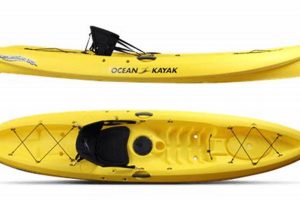
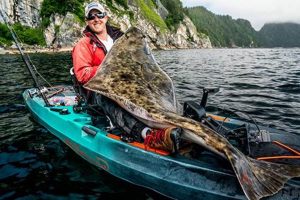
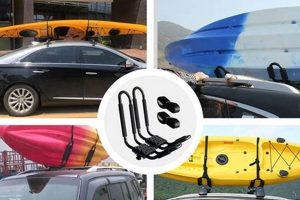
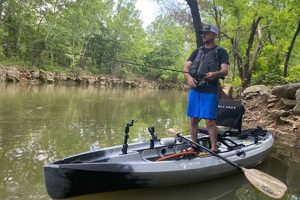
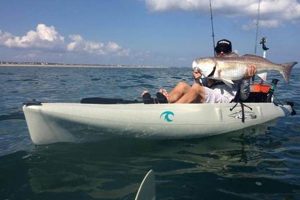
This small, stable watercraft, designed specifically for angling, combines the namesake tree’s inherent qualities with functional design. Lightweight yet durable, these vessels typically feature specialized storage for rods, tackle, and other fishing gear. They often include features like adjustable seating, paddle holders, and even livewells or mounting points for fish finders.
The popularity of these specialized boats stems from the enhanced angling experience they provide. Their compact size allows access to shallow waters and tighter waterways often inaccessible to larger boats, while their stability offers a secure platform for casting and reeling. Historically, smaller, maneuverable boats have been crucial for fishing, and modern designs represent a refinement of that concept, incorporating advanced materials and technologies to optimize functionality and comfort. This specific type of boat enables anglers to enjoy a closer connection with nature and a more focused fishing experience.
The subsequent sections will delve into specific aspects of these vessels, including choosing the right model, essential accessories, and techniques for effective use on the water.
Tips for Utilizing Small Fishing Kayaks
Effective use of these specialized watercraft requires understanding key techniques and best practices. The following tips offer guidance for maximizing performance and safety on the water.
Tip 1: Prioritize Stability: Weight distribution is critical. Gear should be evenly distributed and secured to prevent shifting during movement. Low seating positions enhance stability.
Tip 2: Master Paddling Techniques: Efficient paddling conserves energy and enhances maneuverability. Proper technique minimizes splashing and maximizes forward momentum.
Tip 3: Choose Appropriate Waters: Consider water conditions, currents, and weather forecasts. Small vessels are best suited for calm waters and protected areas.
Tip 4: Utilize Specialized Features: Rod holders, anchor trolleys, and other features enhance fishing efficiency. Familiarize oneself with their operation before venturing onto the water.
Tip 5: Practice Safety Procedures: Always wear a personal flotation device. Carry a whistle and signaling device. Inform someone of planned fishing locations and estimated return times.
Tip 6: Respect the Environment: Adhere to “leave no trace” principles. Pack out all trash and avoid disturbing wildlife or sensitive habitats.
Tip 7: Maintain Equipment: Regularly inspect and maintain the vessel. Rinse with fresh water after each use and store properly to prevent damage from sun exposure.
By adhering to these guidelines, anglers can enhance safety, improve fishing success, and ensure an enjoyable experience on the water.
The following section will offer concluding remarks on the benefits and considerations surrounding these unique fishing platforms.
1. Lightweight Construction
Lightweight construction is a defining characteristic of these specialized kayaks, significantly influencing their portability, maneuverability, and overall performance on the water. Understanding the factors contributing to reduced weight and their impact on the angling experience is crucial for informed selection and effective utilization.
- Material Selection
Modern materials like rotomolded polyethylene and composites play a vital role in achieving lightweight construction. Rotomolded polyethylene offers durability and affordability, while composites prioritize even lighter weight and rigidity, though at a higher price point. Material selection directly impacts overall vessel weight and influences transport, handling, and on-water performance.
- Hull Design
Hull design contributes to both weight reduction and performance. A streamlined hull profile minimizes drag and enhances paddling efficiency, indirectly reducing the effort required for propulsion and contributing to a lighter feeling on the water. Additionally, design features like integrated handles and recesses can further reduce weight without sacrificing structural integrity.
- Portability and Transport
The lighter the vessel, the easier it is to transport. This factor becomes particularly relevant for anglers accessing remote fishing spots or those lacking specialized transport trailers. Lightweight construction allows for easier car-topping, carrying short distances, and maneuvering in and out of the water, expanding angling opportunities and reducing physical strain.
- On-Water Performance
Reduced weight translates to improved maneuverability and responsiveness on the water. Lighter kayaks accelerate and decelerate more quickly, facilitating precise positioning for casting and retrieving. This enhanced responsiveness is particularly advantageous in shallow water environments or when navigating tight waterways, allowing anglers to exploit prime fishing locations effectively.
The benefits of lightweight construction contribute directly to the overall effectiveness and enjoyment of the fishing experience. By understanding the interplay of materials, design, and performance, anglers can select the vessel best suited to their individual needs and angling style, maximizing their time and success on the water.
2. Fishing-Specific Design

Fishing-specific design differentiates these specialized kayaks from recreational models, optimizing functionality and enhancing the angling experience. Features like rod holders, tackle storage, and specialized seating configurations are integral components of this design philosophy. These features are not merely add-ons but rather carefully considered elements that contribute directly to angler efficiency, comfort, and overall success on the water. For example, strategically placed rod holders allow anglers to keep multiple lines in the water or readily accessible while paddling or maneuvering, maximizing fishing time and responsiveness to bites. Integrated tackle storage systems keep essential gear organized and within easy reach, minimizing clutter and maximizing efficiency during critical moments. Specialized seating, often adjustable for comfort and stability, provides a secure and ergonomic platform for casting, reeling, and fighting fish.
Consider the impact of these design elements in a real-world scenario. An angler navigating a shallow, weedy area can utilize flush-mounted rod holders to keep lines clear of obstructions while simultaneously using a stand-assist strap for increased visibility and casting leverage. The readily accessible tackle storage allows for quick lure changes without disrupting fishing flow, while the stable seating platform ensures a secure and balanced casting position. This integration of design elements creates a synergistic effect, optimizing the angler’s interaction with the environment and maximizing their potential for success.
Understanding the practical significance of fishing-specific design is crucial for selecting the right vessel. While recreational kayaks can be adapted for fishing, purpose-built designs offer a significant advantage in terms of efficiency, comfort, and overall fishing performance. This specialized design philosophy transforms the kayak from a simple mode of transportation into a dedicated fishing platform, enhancing the angler’s connection with the water and maximizing their potential for a successful and enjoyable experience.
3. Stability and Maneuverability

Stability and maneuverability are critical, intertwined performance characteristics in specialized fishing kayaks. These vessels prioritize stability to provide a secure platform for casting, reeling, and landing fish, particularly in challenging conditions. A stable hull allows anglers to stand and cast, sight fish effectively, and maintain balance in choppy water or when battling strong currents. Maneuverability complements stability, enabling precise boat control in tight waterways, around submerged obstacles, and during approaches to prime fishing locations. Consider a scenario where an angler pursues fish near a complex submerged log structure. The kayak’s stability provides the confidence to cast accurately while standing, while its maneuverability allows precise navigation through the intricate structure, maximizing access to potential hiding spots. The interplay of these two characteristics is crucial for successful angling in diverse environments.
Hull design plays a pivotal role in determining the balance between stability and maneuverability. Wider hulls generally offer increased initial stability, ideal for standing and casting, but may sacrifice some responsiveness and turning speed. Longer, narrower hulls enhance tracking and glide, improving efficiency over long distances and in open water, but can be less stable, particularly for standing or in rough conditions. Specialized hull designs, such as those incorporating pontoons or outriggers, offer further enhancements to stability, particularly in smaller vessels, allowing anglers to confidently stand and fish in various conditions. Shorter kayaks are generally more maneuverable, enabling tighter turns and quicker responsiveness, while longer kayaks provide better tracking and glide for covering longer distances.
Understanding the relationship between stability and maneuverability, and how hull design influences these characteristics, is essential for selecting the appropriate vessel for specific fishing needs and environments. Anglers prioritizing stability for stand-up fishing in calm waters may opt for wider, shorter hulls, while those requiring enhanced maneuverability in tight waterways or challenging conditions might prefer a longer, narrower design augmented with stability-enhancing features. Ultimately, the optimal balance between stability and maneuverability depends on individual angling style, target species, and the prevailing environmental conditions. A well-informed selection ensures a safe, efficient, and enjoyable fishing experience.
4. Durability and Material
Durability is paramount for fishing kayaks, especially those intended for navigating diverse environments, from shallow rivers to open lakes. Material selection directly influences a vessel’s ability to withstand impacts, abrasion, and prolonged exposure to the elements. This connection between material and durability is crucial for ensuring a kayak’s longevity and maintaining its performance over time. A durable kayak translates to fewer repairs, enhanced safety on the water, and ultimately, more time spent fishing.
- Impact Resistance
Fishing kayaks frequently encounter submerged obstacles, rocks, and uneven shorelines. A material’s ability to absorb impacts without cracking or deforming is essential. Rotomolded polyethylene, commonly used for its impact resistance, allows these vessels to withstand collisions and maintain structural integrity. Consider a scenario where a kayak grazes a submerged log: a durable material prevents a catastrophic breach, ensuring the angler’s safety and the vessel’s continued functionality.
- UV Resistance
Kayaks are subjected to prolonged sun exposure, which can degrade certain materials over time. UV resistance is crucial for preventing fading, cracking, and loss of structural integrity. High-quality polyethylene and composites often incorporate UV inhibitors to mitigate sun damage, ensuring the kayak remains robust and aesthetically pleasing even after extended periods under the sun’s rays. This translates to a longer lifespan and a higher resale value.
- Abrasion Resistance
Dragging a kayak across sandy beaches, rocky terrain, or even loading it onto a vehicle can cause abrasion. Materials resistant to scratching and scuffing maintain the vessel’s appearance and prevent the compromise of the hull’s integrity. Durable materials minimize the effects of regular wear and tear, ensuring the kayak remains watertight and structurally sound over time, contributing to a longer lifespan and a more visually appealing vessel.
- Weight and Material Relationship
Material selection influences not only durability but also weight. Lighter materials, such as composites, can offer exceptional durability while reducing overall weight, enhancing portability and on-water performance. However, lighter materials may come at a premium cost. Balancing durability, weight, and cost is a crucial consideration for prospective buyers. Heavier, more durable materials like rotomolded polyethylene may offer superior impact resistance at a more affordable price, though with increased transport challenges. This interplay between weight, durability, and cost underscores the importance of careful consideration based on individual needs and priorities.
The careful selection of durable materials is fundamental to the long-term performance and value of a fishing kayak. By considering the specific demands of the intended fishing environment and weighing factors like impact resistance, UV protection, abrasion resistance, and the relationship between weight and material, anglers can choose a vessel that will withstand the rigors of use, providing years of reliable service and enjoyable fishing experiences. A durable kayak is not just a purchase; it’s an investment in countless future adventures on the water.
5. Shallow Water Access
Shallow water access represents a significant advantage offered by specialized fishing kayaks. Their compact size and optimized hull designs allow navigation in shallows often inaccessible to larger, deeper-draft vessels. This capability opens up a wealth of fishing opportunities, as shallow areas frequently serve as prime feeding grounds and nurseries for various fish species. Consider the scenario of pursuing game fish in a shallow, weedy bay: a larger boat would be restricted by its draft, while a smaller, purpose-built kayak can silently navigate the shallows, granting access to these productive fishing zones. This access translates to increased opportunities for angling success, allowing exploration of otherwise untapped fisheries. Furthermore, the ability to navigate shallows enables stealthy approaches, minimizing disturbance and maximizing chances of a successful catch.
The hull design of these specialized kayaks plays a crucial role in facilitating shallow water access. Shallow-draft hulls minimize water displacement, reducing the risk of grounding or becoming stuck in shallow areas. Flat-bottomed hulls offer exceptional stability in shallow water, providing a secure platform for casting and reeling, even when navigating extremely shallow depths. Tunneled hulls further enhance shallow water performance by creating a channel that reduces drag and maintains directional stability in minimal depths. This specialized hull design, coupled with the kayak’s maneuverability, expands the range of fishable waters and provides a tactical advantage in pursuing target species.
The practical significance of shallow water access extends beyond simply reaching previously inaccessible areas. It allows anglers to exploit specific feeding patterns and behaviors of fish species that inhabit shallow environments. For instance, sight fishing for species like redfish or bonefish in shallow flats relies heavily on the ability to quietly approach and observe fish in their natural habitat. The shallow draft and maneuverability of specialized kayaks enable this precise and stealthy approach, maximizing the effectiveness of sight fishing techniques. Furthermore, the reduced noise and disturbance created by these vessels minimizes the impact on fish behavior, enhancing the natural presentation of lures and baits, and increasing the likelihood of a successful hookup. Understanding the connection between shallow water access and angling success empowers anglers to strategically target specific species and environments, resulting in a more rewarding and productive fishing experience.
Frequently Asked Questions
This section addresses common inquiries regarding specialized fishing kayaks, providing concise and informative responses to facilitate informed decision-making and enhance understanding of these vessels.
Question 1: What differentiates a fishing kayak from a recreational model?
Fishing kayaks incorporate specialized features like rod holders, tackle storage, and often a more stable hull design to accommodate angling activities. Recreational kayaks prioritize comfort and ease of paddling for general-purpose use.
Question 2: How stable are these smaller fishing kayaks, particularly in open water?
Stability varies depending on hull design. Wider, shorter hulls generally offer greater initial stability, while longer, narrower designs prioritize speed and tracking. Specific design features like pontoons or outriggers can further enhance stability. Careful consideration of intended water conditions is essential.
Question 3: Are these vessels suitable for larger individuals or those with limited mobility?
Weight capacity and seating configurations vary significantly between models. Evaluating manufacturer specifications regarding weight limits and cockpit dimensions is crucial for ensuring a comfortable and safe fit. Specialized seating systems and adaptive equipment can enhance accessibility for individuals with mobility limitations.
Question 4: What maintenance is required for these kayaks?
Regular rinsing with fresh water after each use, especially in saltwater environments, helps prevent corrosion and material degradation. Proper storage out of direct sunlight prolongs material life. Periodic inspection of hardware and accessories ensures continued functionality and safety.
Question 5: What safety precautions should one take when using these vessels for fishing?
Wearing a personal flotation device (PFD) is paramount. Carrying a whistle, signaling device, and informing someone of planned fishing locations and estimated return times are essential safety practices. Awareness of weather conditions and water currents is crucial for safe operation.
Question 6: How does one choose the right fishing kayak?
Consider factors such as intended fishing environment (rivers, lakes, oceans), target species, preferred fishing style (sitting, standing), and individual physical limitations. Researching different hull designs, materials, and features helps align kayak selection with specific angling needs.
Careful consideration of these factors contributes to a well-informed purchase decision and enhances enjoyment on the water.
The concluding section provides final thoughts and considerations.
Tamarack Fishing Kayak
This exploration of the tamarack fishing kayak has highlighted key aspects of its design, functionality, and contribution to the angling experience. From lightweight construction and specialized features to stability, maneuverability, and shallow water access, these vessels represent a refined approach to angling, offering advantages tailored to specific fishing needs. Durability and material selection contribute to longevity and performance, ensuring these kayaks withstand the rigors of diverse fishing environments. An understanding of these core attributes empowers informed decision-making, enabling anglers to select the ideal vessel to enhance their fishing pursuits.
The tamarack fishing kayak stands as a testament to the evolution of angling equipment, blending traditional design principles with modern materials and technology. Its specialized nature reflects a growing appreciation for the nuanced demands of diverse fishing styles and environments. Continued exploration of these specialized vessels promises further refinement and innovation, enhancing the angler’s connection with the water and contributing to more effective, enjoyable, and sustainable fishing practices.